18 Thanksgiving Place Setting Ideas That Feel Extra Special
There’s a difference between a table that’s simply set and a table where every seat feels like it was considered just for the person sitting there. That difference almost never comes from an expensive centerpiece. It comes from the small stuff: a napkin tied with a sprig of something dried, a name written by hand, a charger that adds warmth before the food ever arrives.
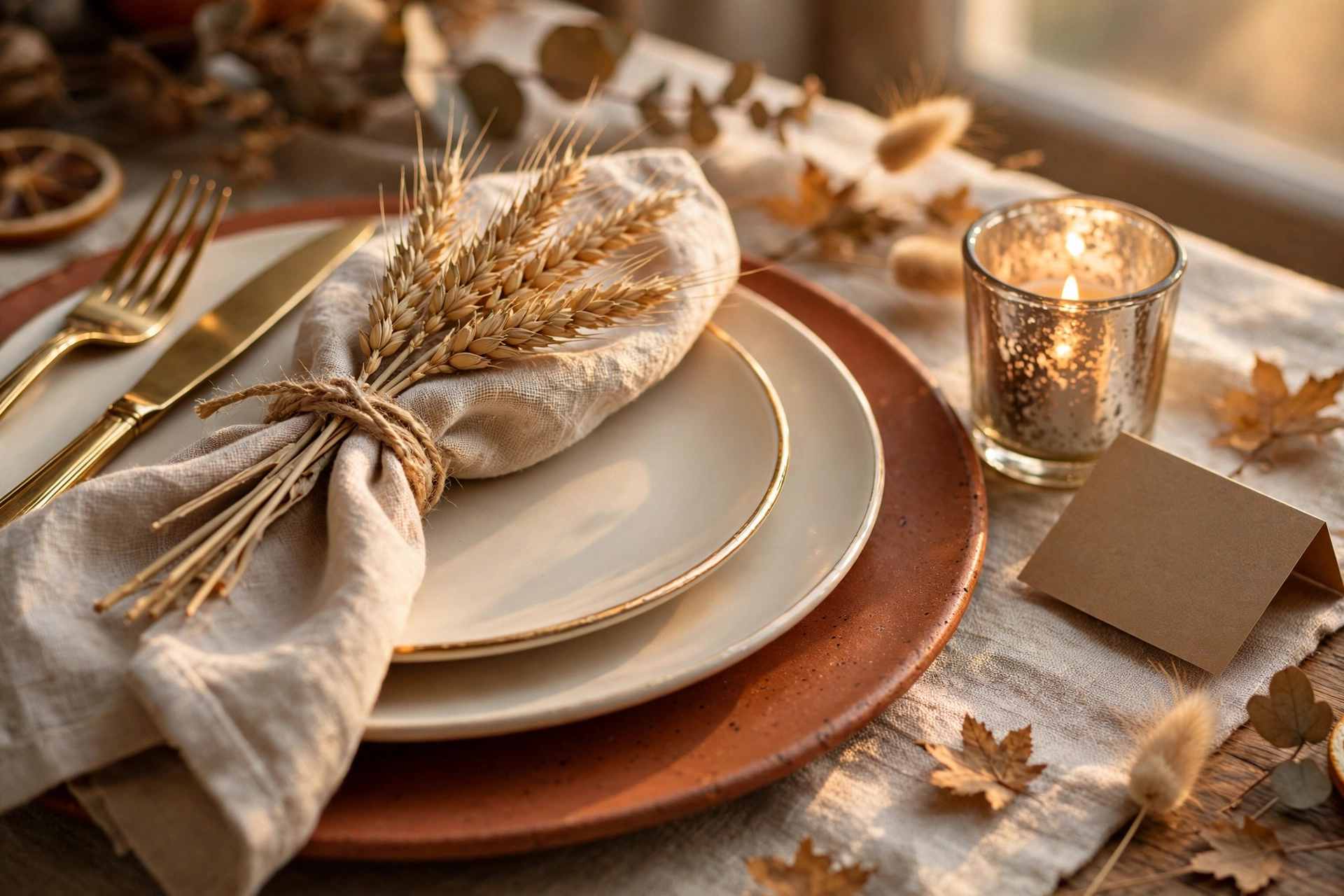
Picture your Thanksgiving table this way, a cream plate stacked over a warm terracotta charger, a linen napkin cinched with twine and a stem of wheat, a place card leaning against a small pumpkin with a guest’s name in gold ink. Eighteen ideas like that make up this list, and every one of them is built to layer into whatever table you already have, whether that’s your grandmother’s china or a stack of plain white plates from the cabinet.
Table of Contents
Why Small Details Make the Biggest Difference at a Thanksgiving Table
A Thanksgiving table is really eighteen or so tiny stages, one per seat, and each one gets its own moment of attention when a guest sits down. A grand centerpiece gets noticed once from across the room. A well-styled napkin, a handwritten name, or a small sprig tucked just so gets noticed up close, right where a guest is about to spend the next two hours. That’s why the smallest layers on this list often do more emotional work than the biggest ones, they’re the parts your guests actually touch.
18 Thanksgiving Place Setting Ideas
Layered Charger, Dinner Plate, and Salad Plate Stack
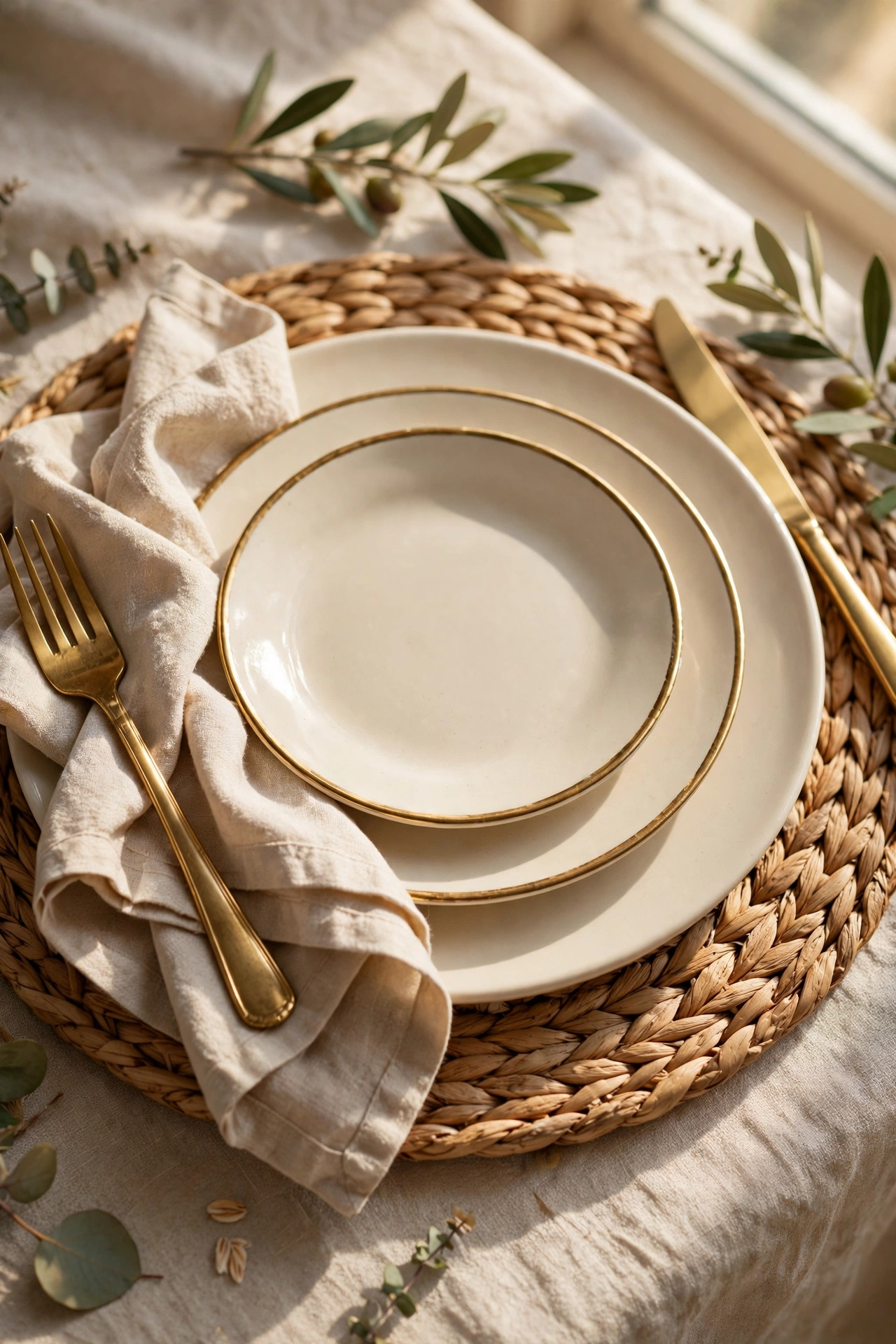
Stacking a charger underneath a dinner plate, then topping it with a smaller salad or dessert plate, is the single most reliable way to make any place setting feel more considered. Choose pieces in complementary but not identical finishes, a matte charger under a glossy plate, or a plain rim under a patterned salad plate, so the layers read as intentional rather than mismatched. This stacking trick also solves a practical hosting problem by giving guests a clear spot for their bread or appetizer course before the main plate arrives. Even a set of plain white dishes looks noticeably more finished once it’s layered three plates deep instead of set as a single flat plate.
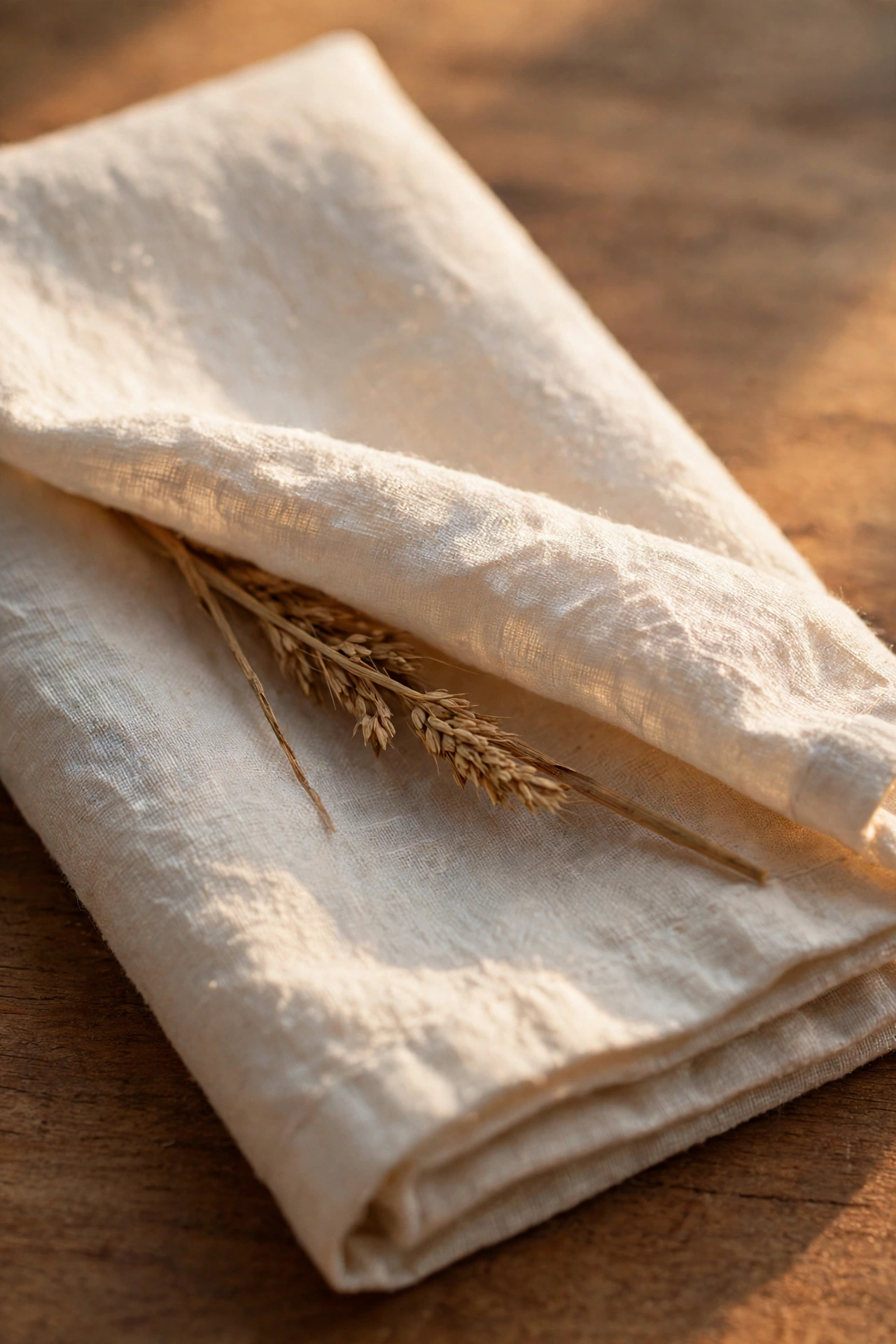
Wheat Sprig Tucked Into a Folded Napkin
A single dried wheat stem slipped beneath the fold of a linen napkin adds a natural, harvest-appropriate detail that costs almost nothing and takes seconds per seat. Fold the napkin into a simple rectangle or tri-fold, then tuck the stem so the seed head extends just past the napkin’s edge for visual interest. This detail works particularly well because wheat is one of the most recognizable symbols of the Thanksgiving harvest, giving the table an unspoken sense of theme without needing an obvious pilgrim or turkey motif. Pair it with a plain cream or white napkin so the golden wheat tone stands out clearly against the fabric.
Related: 20 Thanksgiving Entertainment Ideas to Keep Everyone Happy
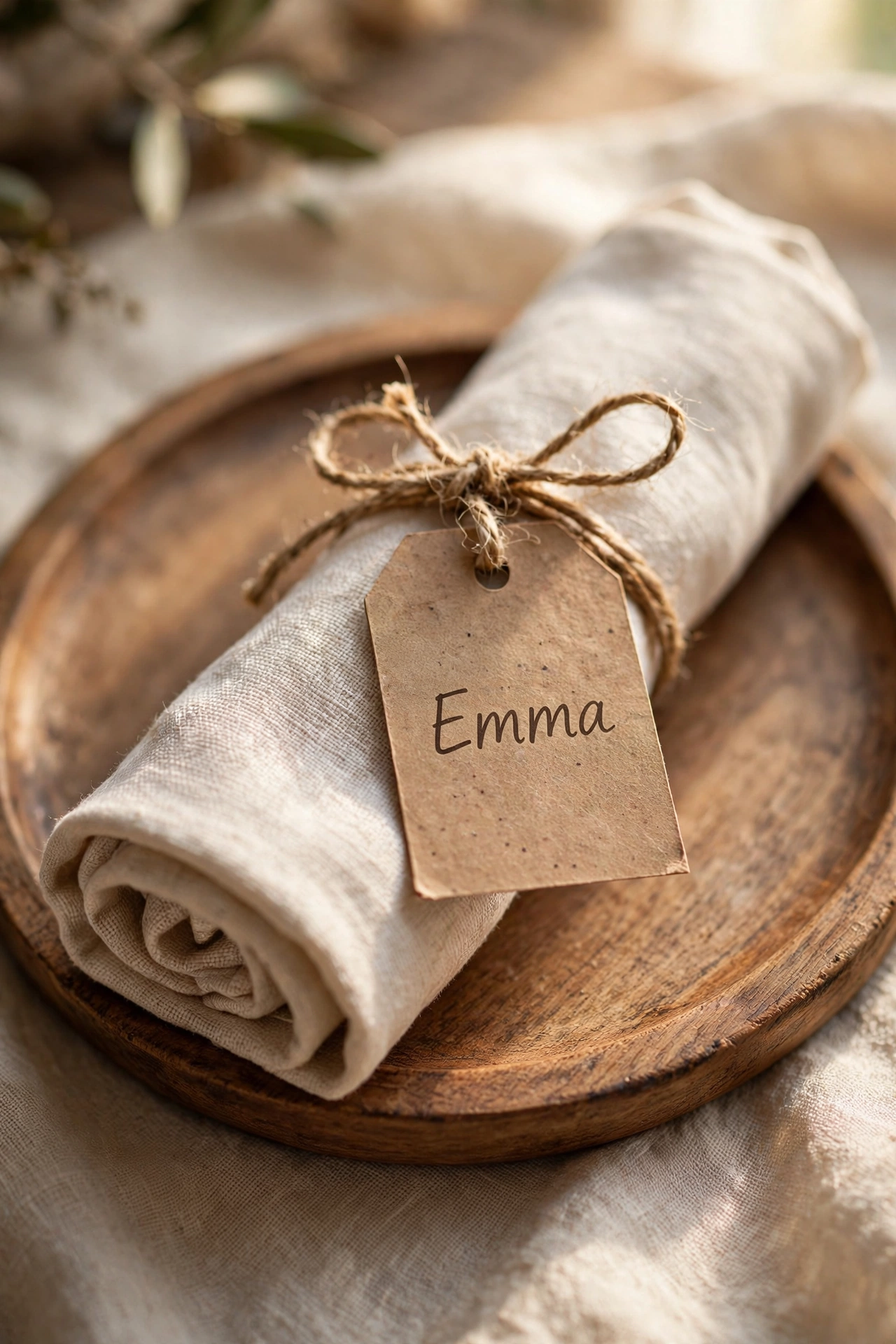
Handwritten Kraft Paper Place Card Tied With Twine
A small kraft paper tag, handwritten with a guest’s name and tied around a rolled napkin with plain kitchen twine, brings warmth and a sense of welcome that a printed place card rarely matches. This idea costs almost nothing since kraft tags can be cut from a paper grocery bag if needed, and the imperfect handwriting actually adds to the homemade, personal feel rather than detracting from it. Guests notice their name immediately when they approach the table, which makes seating feel intentional even at a large gathering. This is one of the easiest ways to add a personal touch without spending more than a few minutes per seat.
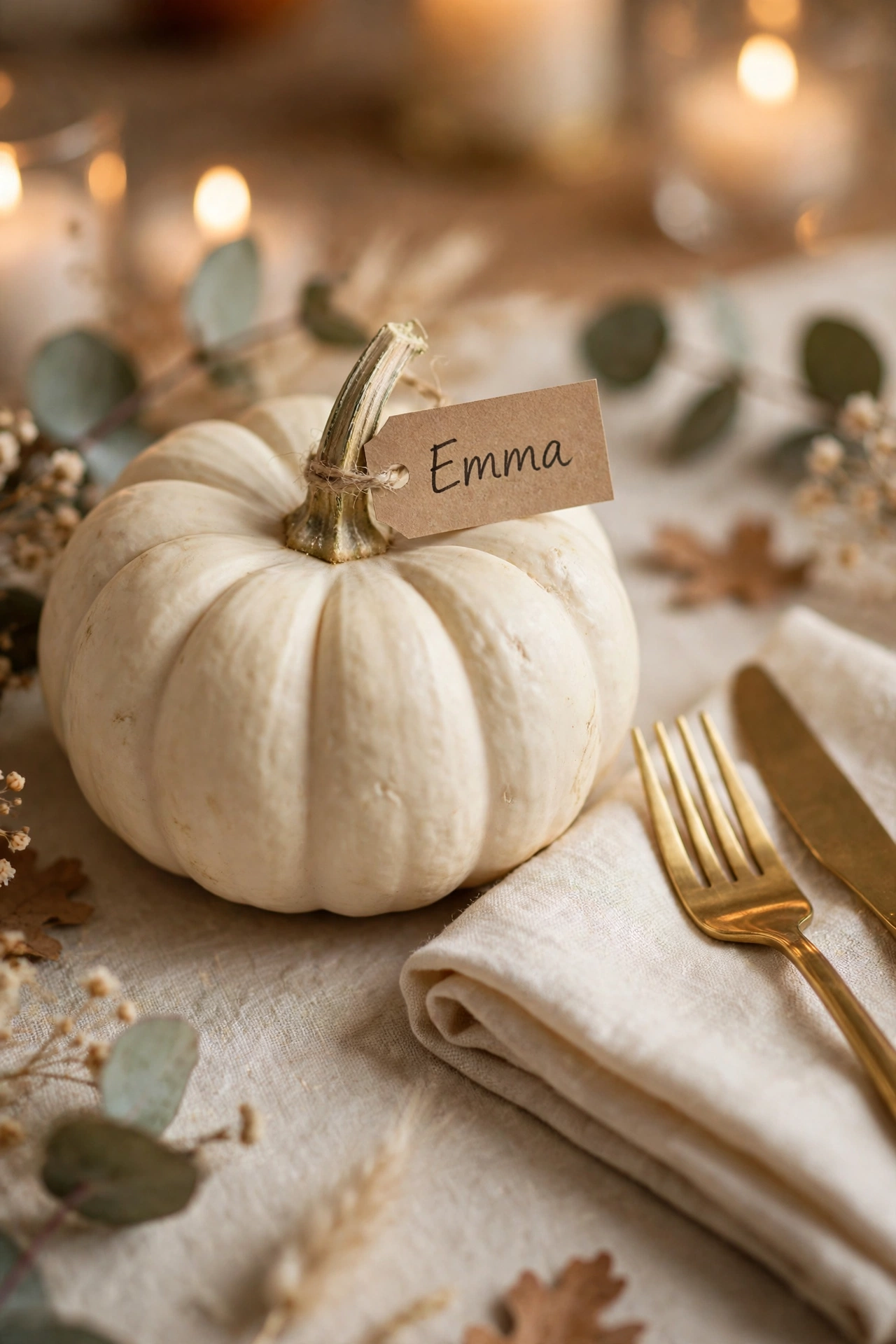
Mini Pumpkin Place Card Holder
A small white or natural-colored mini pumpkin, with a slit cut into the top or a tag tucked into its stem, doubles as both a place card holder and a small individual centerpiece at each seat. This idea adds dimension to the table since the rounded pumpkin shape breaks up the flat surface of plates and napkins with something more sculptural. Guests can take their mini pumpkin home as a small favor at the end of the meal, giving the detail a second life beyond just the dinner itself. Choose pumpkins in a uniform size so the row of place settings feels visually consistent down the table.
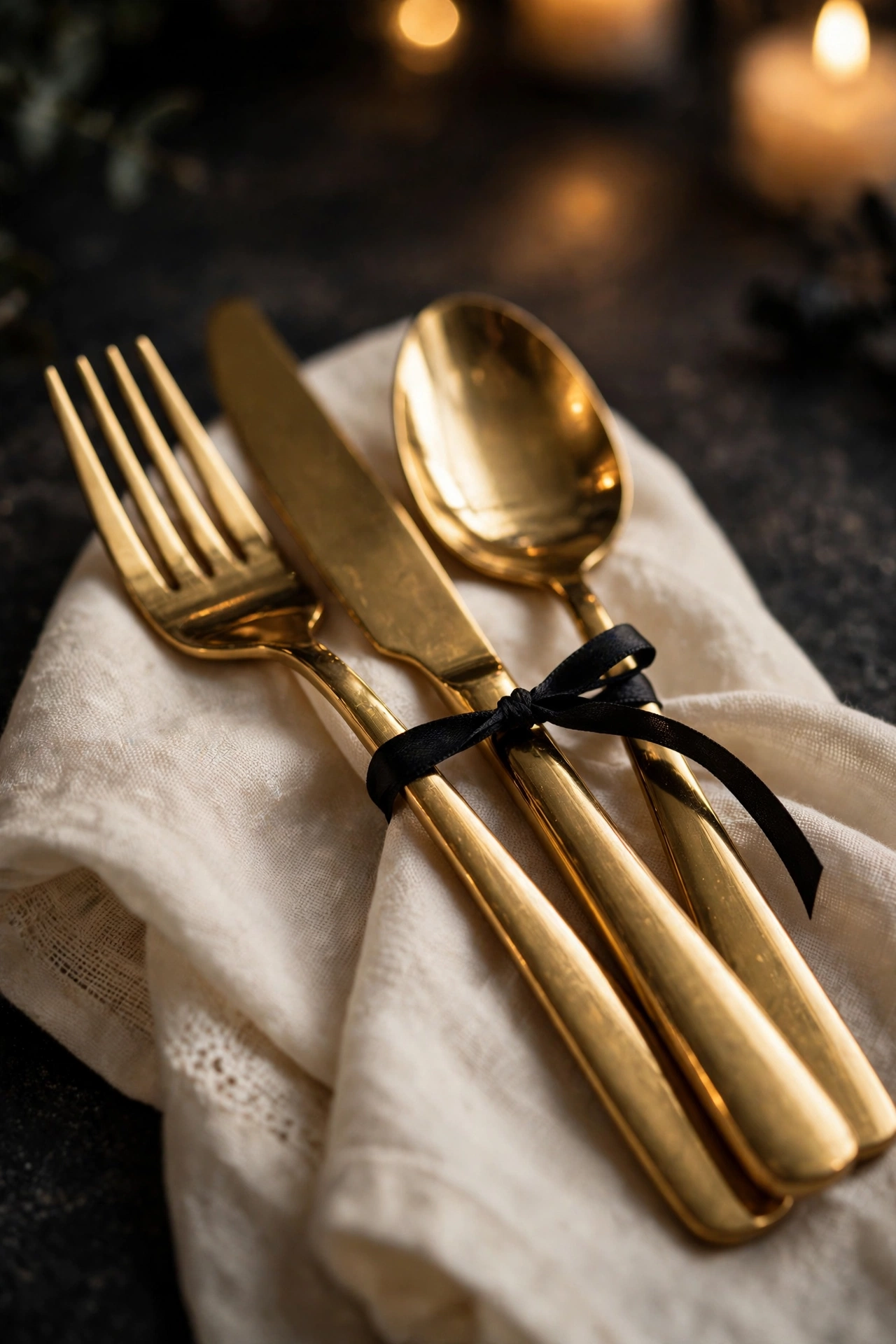
Gold Flatware With a Black Ribbon Tie
Wrapping a slim black ribbon around a bundle of gold flatware before laying it beside the plate adds a small moment of polish that reads as more formal than flatware laid out individually. This detail works especially well for a buffet-style Thanksgiving, since the tied bundle also makes it easier for guests to grab silverware in one motion as they move down the food line. Tie the ribbon in a simple knot rather than a full bow to keep the look understated rather than overly fussy. The contrast between warm gold metal and a crisp black ribbon photographs particularly well under candlelight.
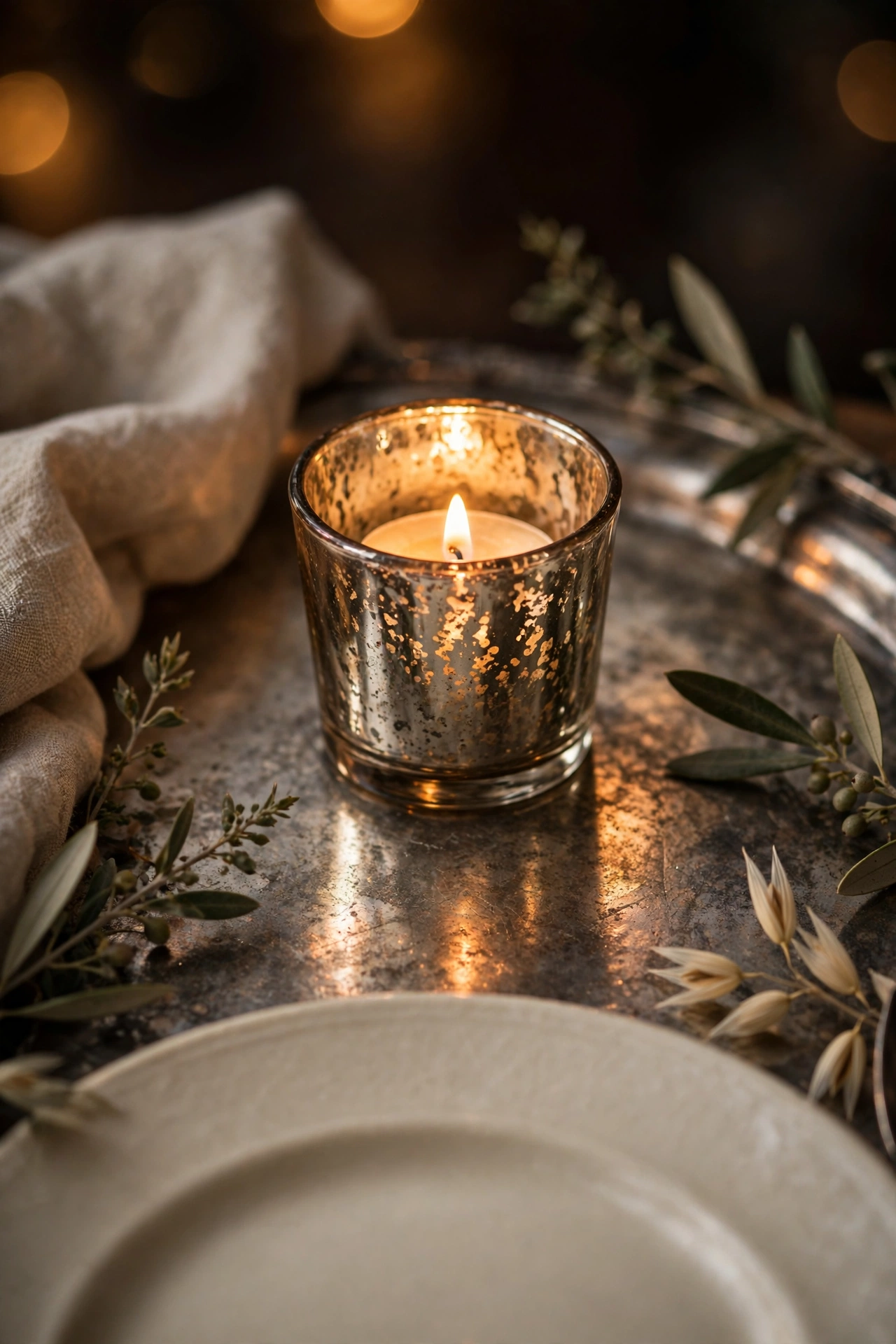
Mercury Glass Votive at Each Place
A single small mercury glass votive holder set just above each plate adds individual glow at every seat once the sun goes down, rather than relying solely on a centralized candelabra. The antiqued silver finish catches the warm light of a taper candle and multiplies it slightly, giving each place setting its own soft halo. This idea is particularly effective for evening Thanksgiving dinners, since the individual candlelight creates a more intimate feeling at each seat than overhead lighting alone. Keep the votive small enough that it doesn’t block sightlines across the table between seated guests.
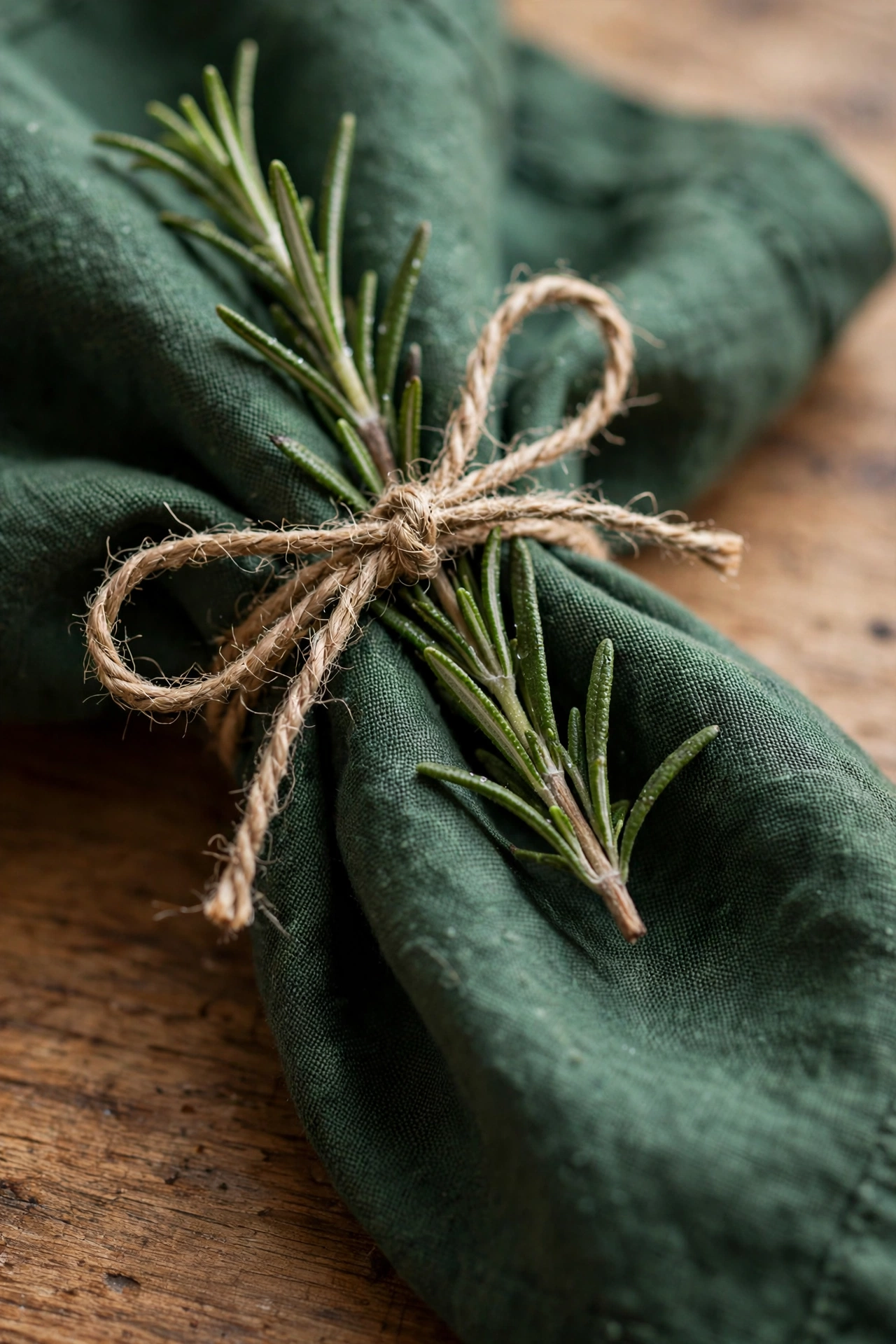
Fresh Rosemary Sprig Napkin Tie
A short sprig of fresh rosemary tucked into a twine or ribbon-tied napkin adds fragrance as well as visual texture, something dried elements alone can’t offer. As guests unfold their napkin, the faint herbal scent becomes part of the sensory experience of sitting down at the table, a detail that’s easy to underestimate but genuinely memorable. This works particularly well paired with deep green or burgundy napkin colors, since the rosemary’s muted green tone blends naturally rather than standing out too sharply. Pick up a small bunch from the grocery store’s herb section for only a few dollars to cover an entire table’s worth of settings.
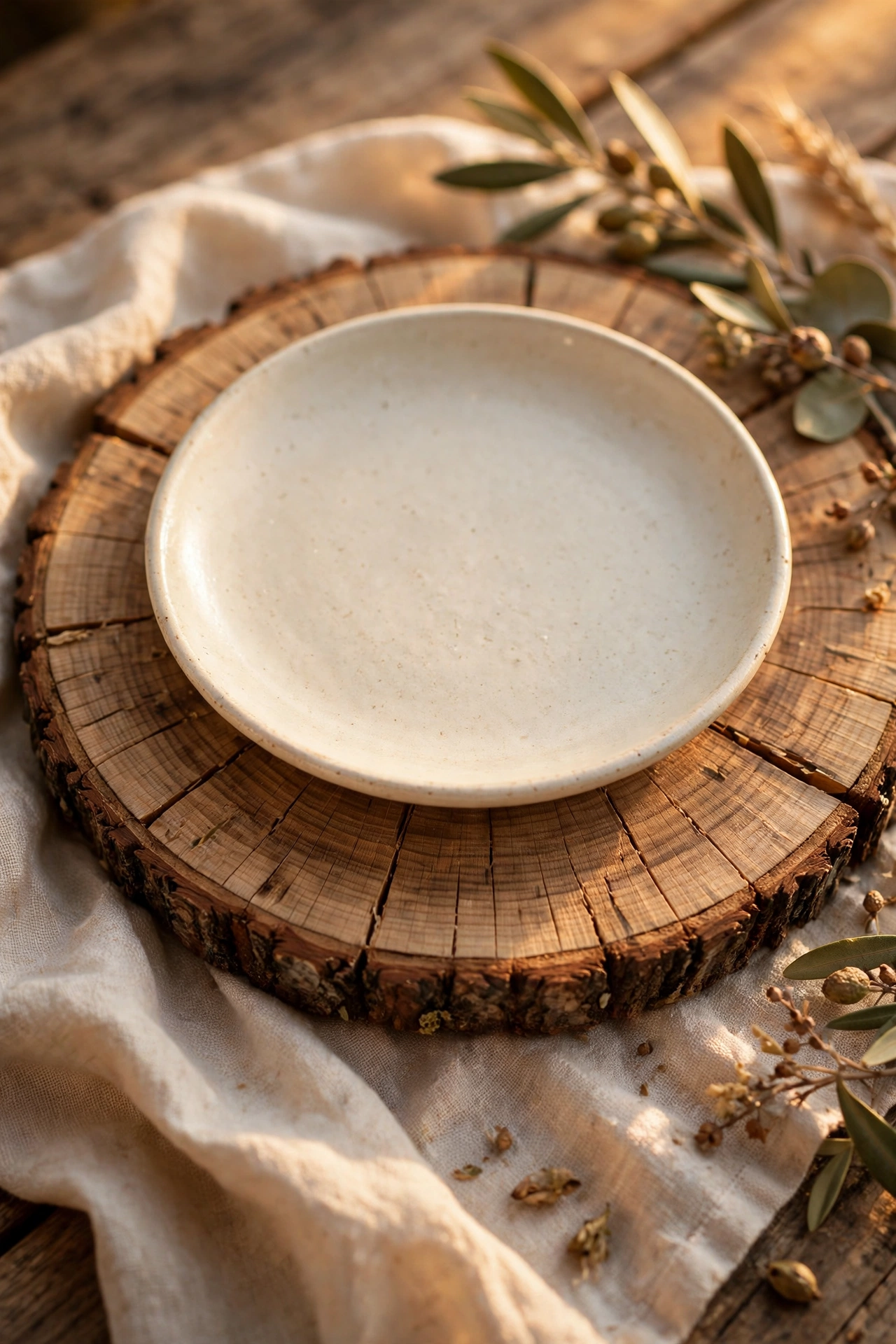
Wood Slice Charger for Natural Texture
A thin cross-cut wood slice, sold at craft stores or cut from a fallen branch, used underneath a plate instead of a traditional charger brings an organic, grounded texture that pairs beautifully with both rustic and modern table styles. The visible wood grain adds a layer of natural pattern beneath the plate that a plain fabric charger can’t replicate. This idea works particularly well for outdoor or barn-style Thanksgiving gatherings, though it translates just as easily to an indoor dining room table when paired with warm metallic flatware. Seal the wood slice with a food-safe finish beforehand if you plan to reuse it for multiple holiday seasons.
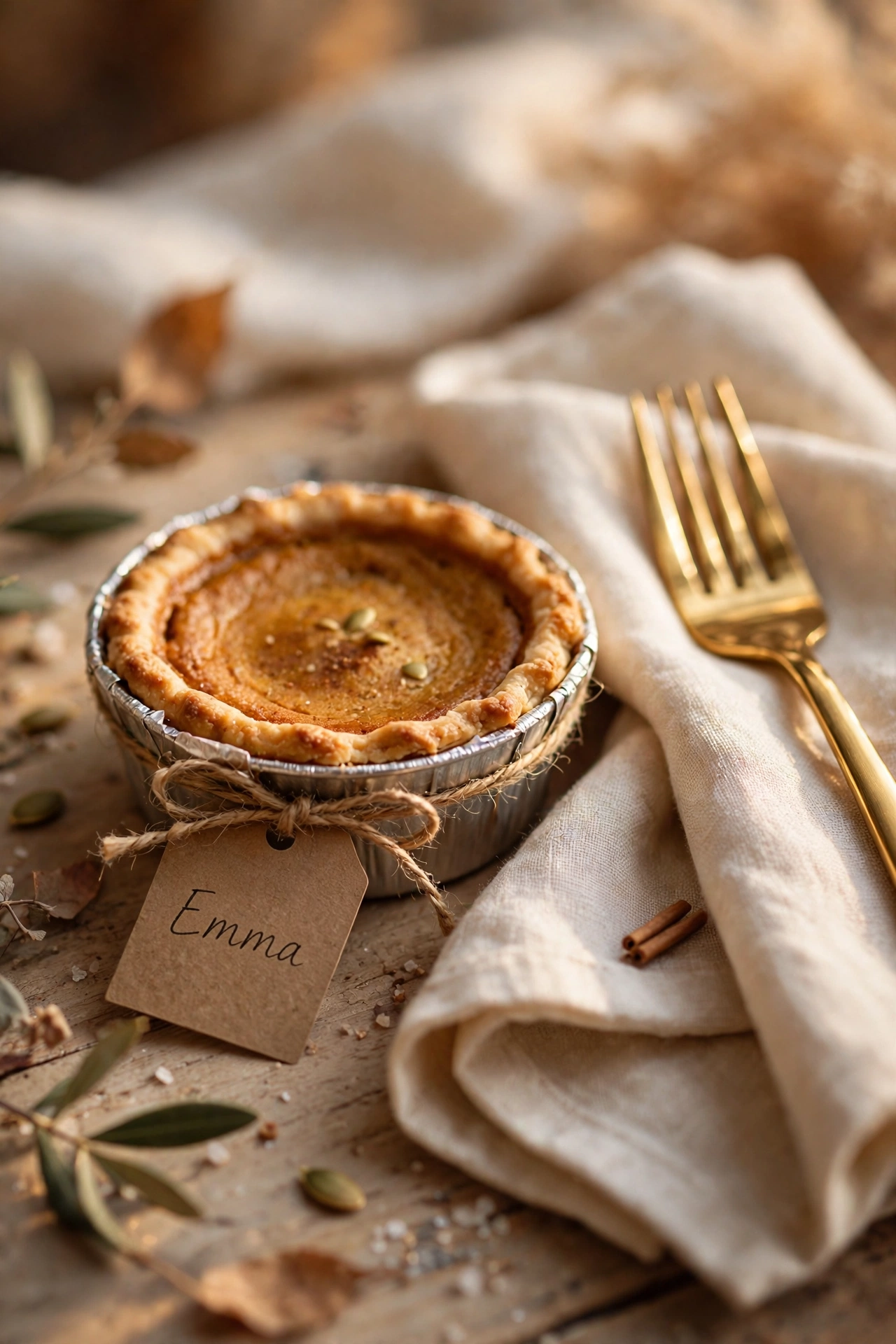
Individual Mini Pie Favor at Each Seat
A single mini pumpkin or pecan pie, wrapped simply in twine and parchment or set in its own small tin, placed at each seat doubles as both a place setting detail and a dessert favor guests can enjoy or take home. This idea gives every seat a small, personal touch that feels generous without requiring an elaborate centerpiece, and it solves part of the dessert course logistics at the same time. Set the mini pie slightly to the upper right of the plate so it doesn’t interfere with the main course setup. This works especially well for smaller, more intimate Thanksgiving gatherings where the extra effort per seat is easier to manage.
Related: 18 Thanksgiving Office Door Decor Ideas That Get Noticed
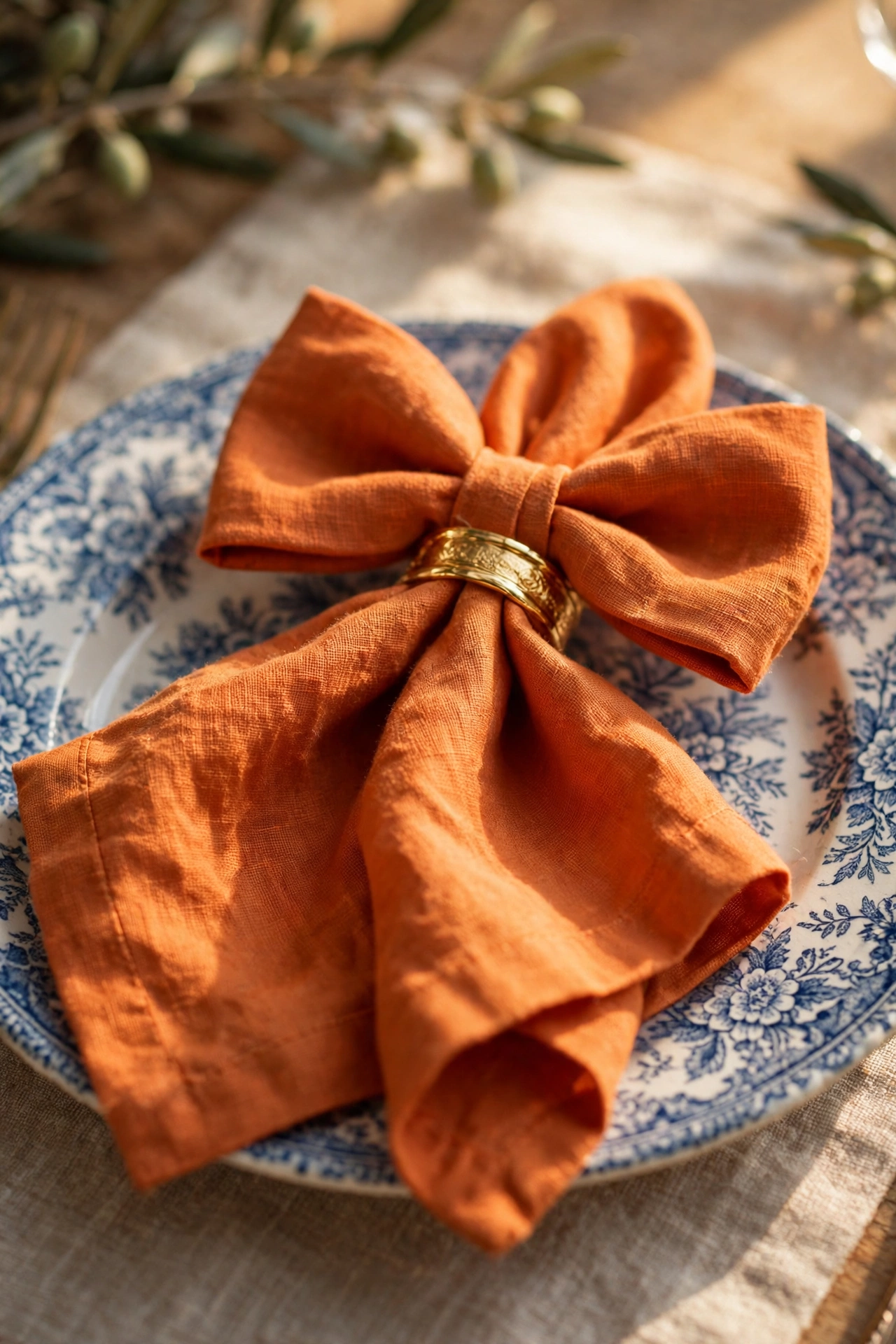
Bowtie Napkin With a Gold Ring
Folding a napkin into a loose bowtie shape and slipping a gold napkin ring over the center creates a soft, feminine detail that pairs beautifully with warm orange or gold table colors. This fold takes slightly more practice than a simple rectangle but only adds about thirty seconds once you’ve done it a few times, making it manageable even for a full table of guests. The gathered center of the bowtie catches light differently than a flat napkin, adding subtle dimension to each place setting. This idea works particularly well on transferware or patterned plates, since the simple napkin shape doesn’t compete with an already busy plate design.
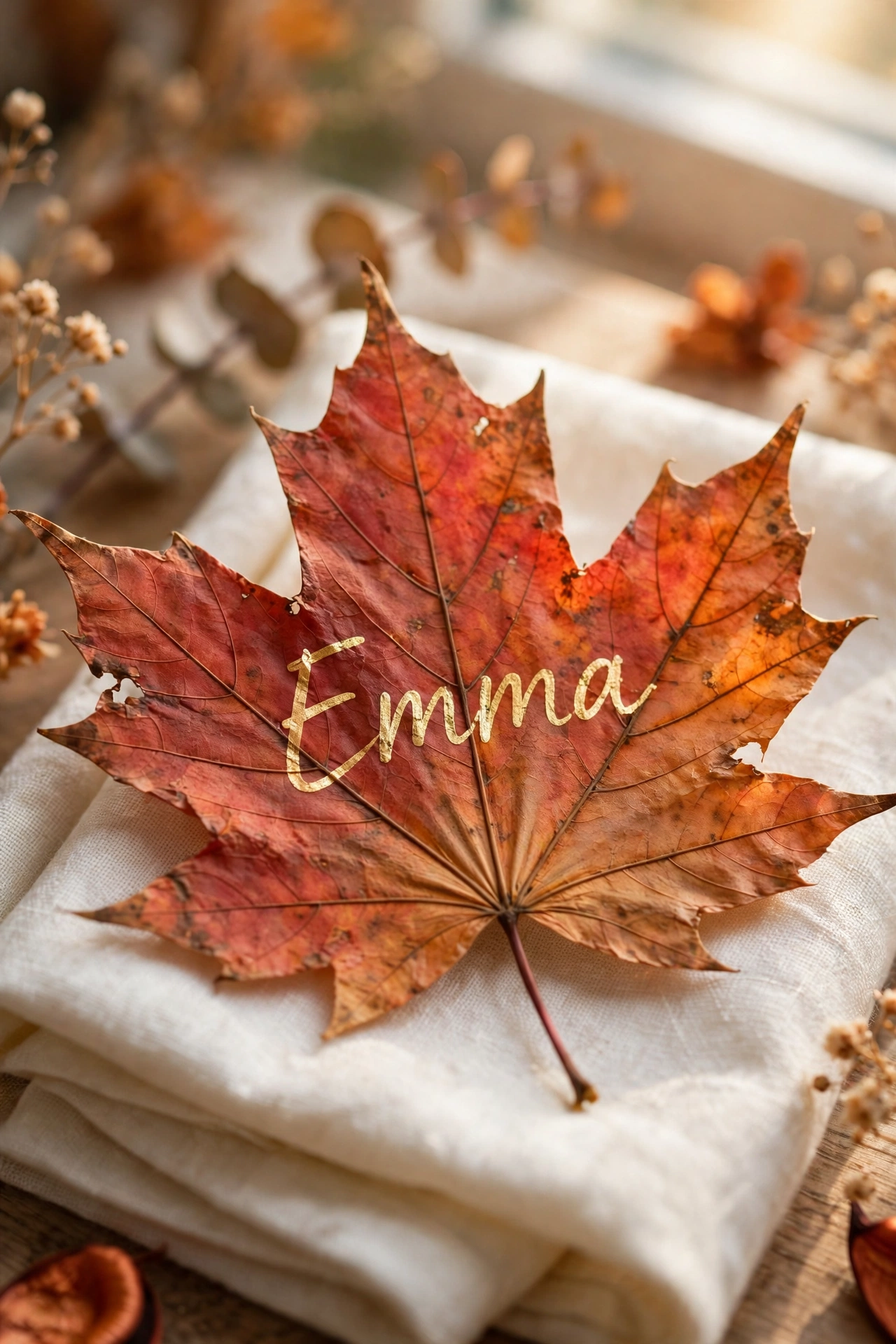
Pressed Leaf Place Card
A real pressed leaf, collected and flattened between the pages of a heavy book for a day or two, becomes a delicate, natural place card when a guest’s name is written directly on its surface with a fine-tip paint pen. This idea brings an unmistakably seasonal, outdoor-inspired detail to the table using something that costs nothing beyond a short walk outside. Choose leaves with a flat, sturdy shape, oak or maple work particularly well, since curled or fragile leaves are harder to write on and more likely to crack. Rest the leaf directly on the folded napkin or plate so it doesn’t blow away or slide during the meal.
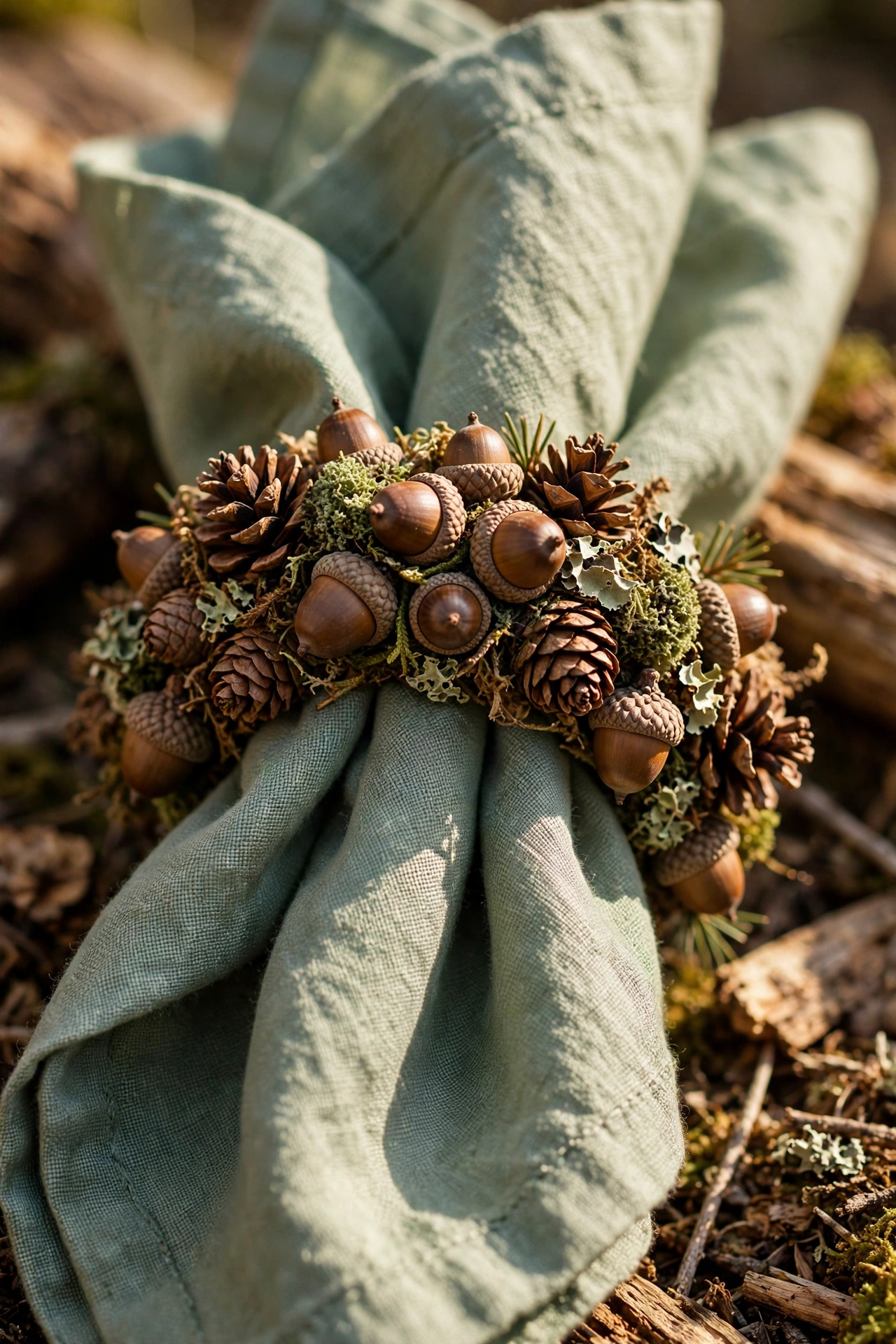
Acorn or Pinecone Napkin Ring
Small acorns or mini pinecones, wired together in a small cluster or hot-glued around a plain napkin ring base, add a textured, woodland detail to each place setting for very little cost. Gather them on a fall walk or pick up a bag from a craft store, then let the natural, slightly imperfect shapes do the visual work rather than trying to arrange them too precisely. This detail pairs particularly well with a neutral or muted napkin color, like sage green or oatmeal, so the acorns and pinecones stand out as clear texture against a simple background. It’s one of the more tactile ideas on this list, since guests often can’t resist touching the little textured ring as they unfold their napkin.
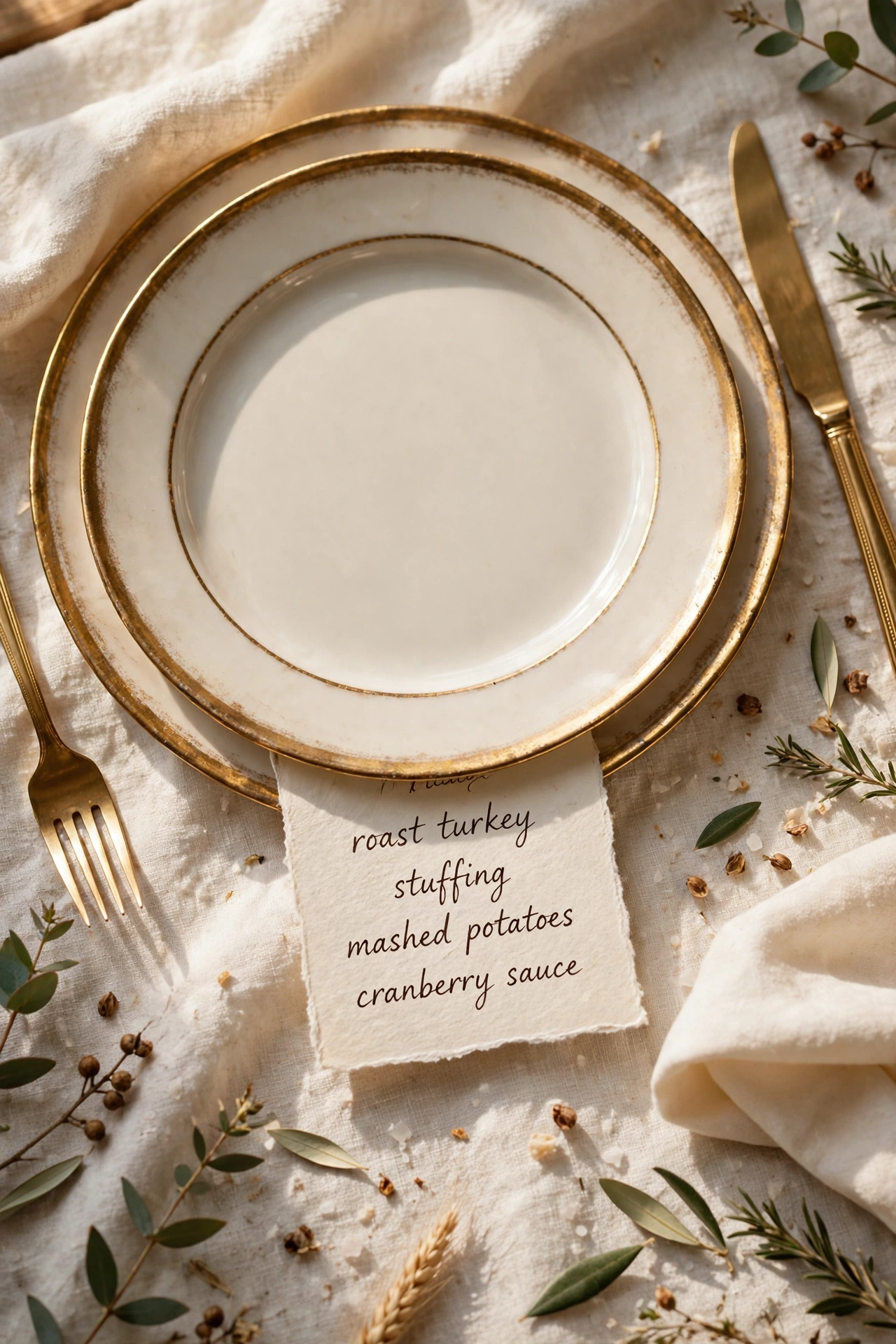
Personalized Menu Card Under the Salad Plate
Slipping a small printed or handwritten menu card partially beneath the salad plate at each seat gives guests something to read and anticipate as they wait for the meal to begin. This detail works especially well for a multi-course Thanksgiving dinner, since it helps guests understand what’s coming and can spark conversation about the dishes before they’re even served. Keep the card simple, just the dish names in a clean font or handwriting, rather than full descriptions, so it doesn’t compete visually with the rest of the place setting. This idea also gives guests a small keepsake they can take home from the holiday if you choose to make each one personalized.
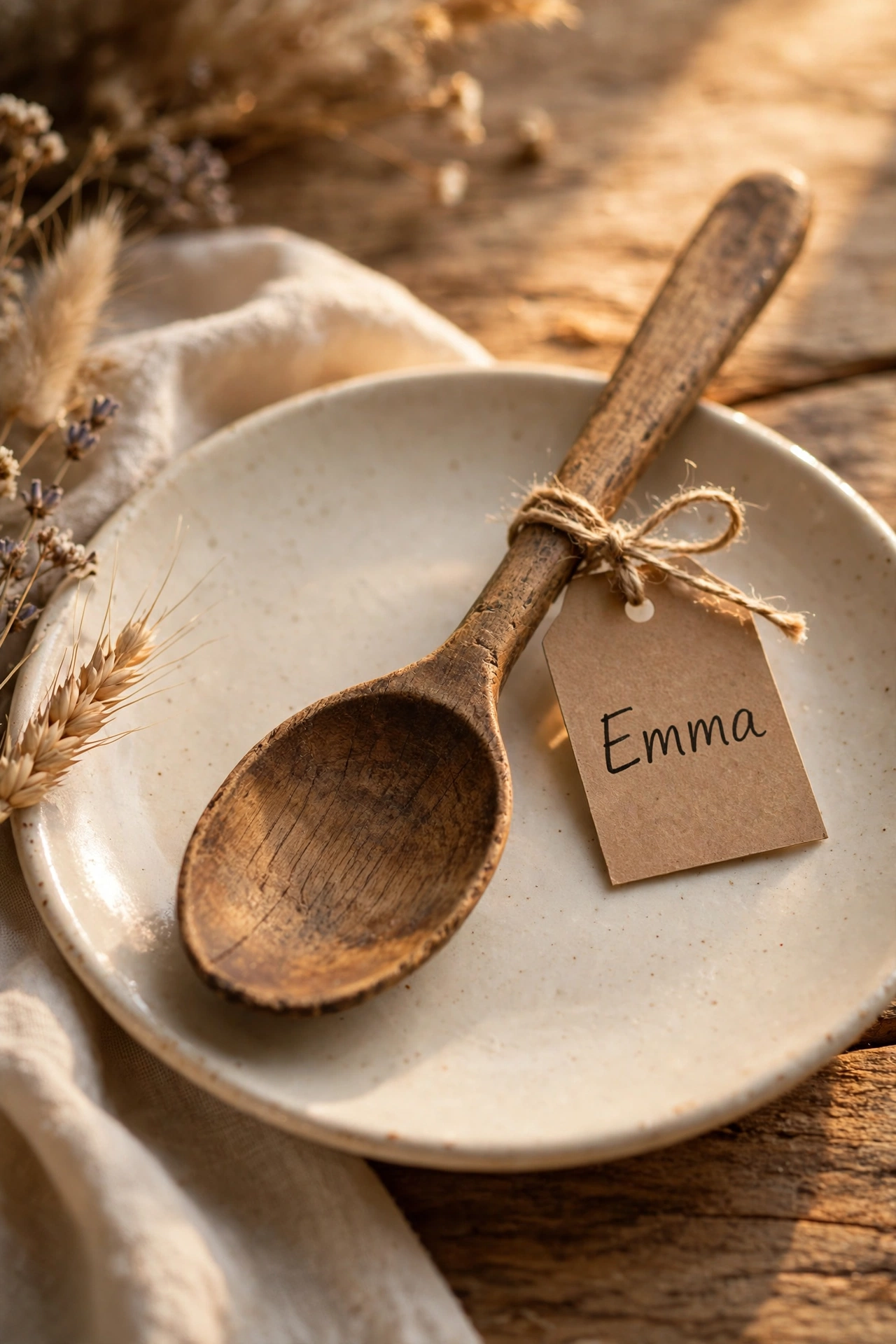
Vintage Wooden Spoon Place Card Holder
An old wooden spoon, whether pulled from a kitchen drawer or picked up secondhand, laid across the top of the plate with a small tag tied to its handle makes for a charming, slightly unexpected place card holder. This idea leans into the harvest and homestead spirit of Thanksgiving more directly than a traditional printed card, giving the table a lived-in, collected-over-time feel. Mismatched spoons across different seats actually enhance the vintage charm rather than detracting from it, since a slightly imperfect collection reads as more authentic than a uniform set. This detail works particularly well for a farmhouse or rustic-themed Thanksgiving table.
Related: 21 Easy Thanksgiving Charcuterie Board Ideas Guests Will Love
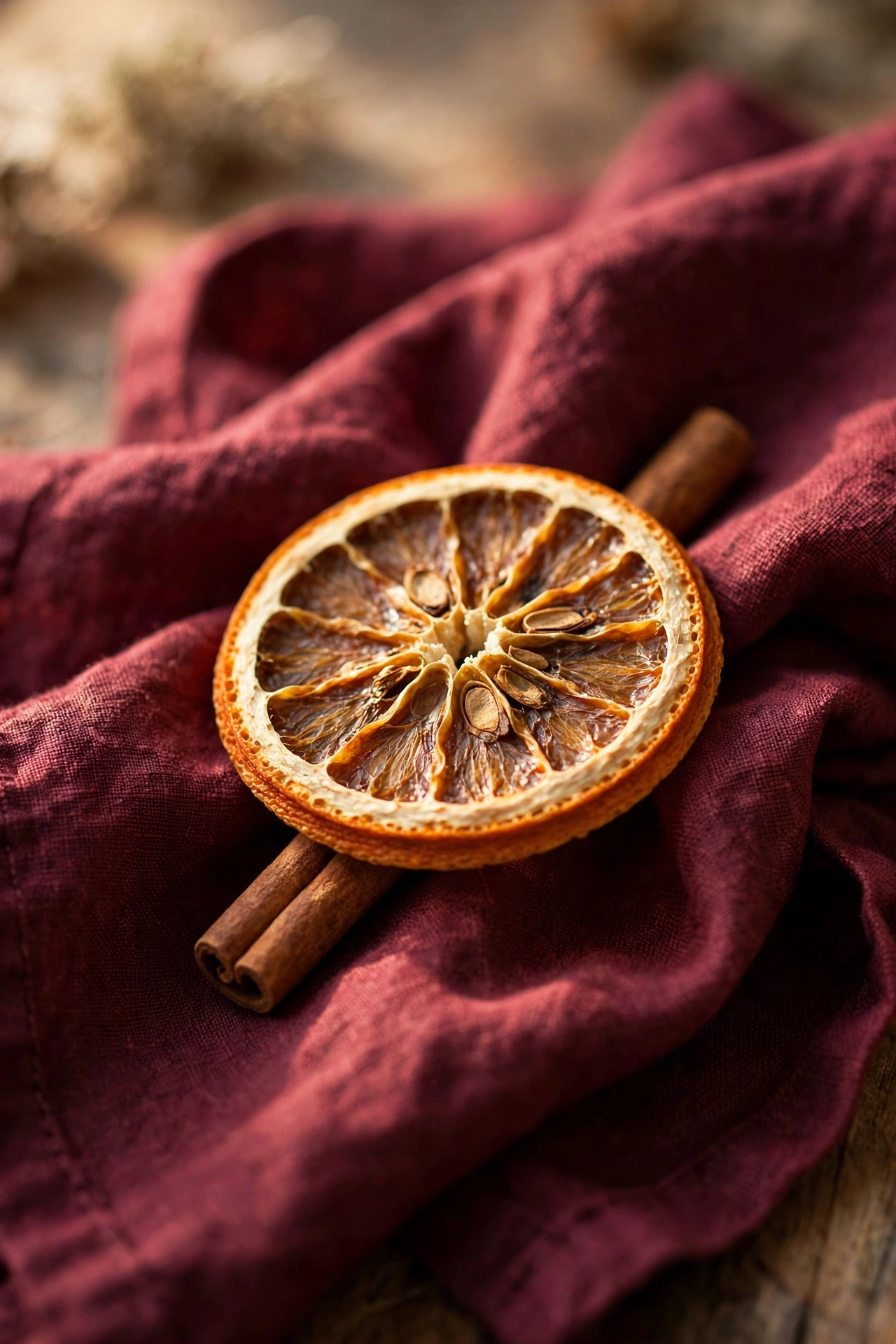
Dried Orange Slice Garnish on the Napkin
A single dried orange slice, homemade in a low oven over a few hours or purchased pre-dried from a craft or grocery store, resting on top of a folded napkin adds a warm pop of color and a subtle citrus scent to each place setting. The translucent, slightly caramelized look of a dried orange slice photographs beautifully under both daylight and candlelight, making it one of the more visually striking budget details on this list. Pair it with a cinnamon stick tucked underneath for an extra layer of warm, seasonal fragrance. This detail works especially well against a deep green or burgundy napkin, where the bright orange creates natural contrast.
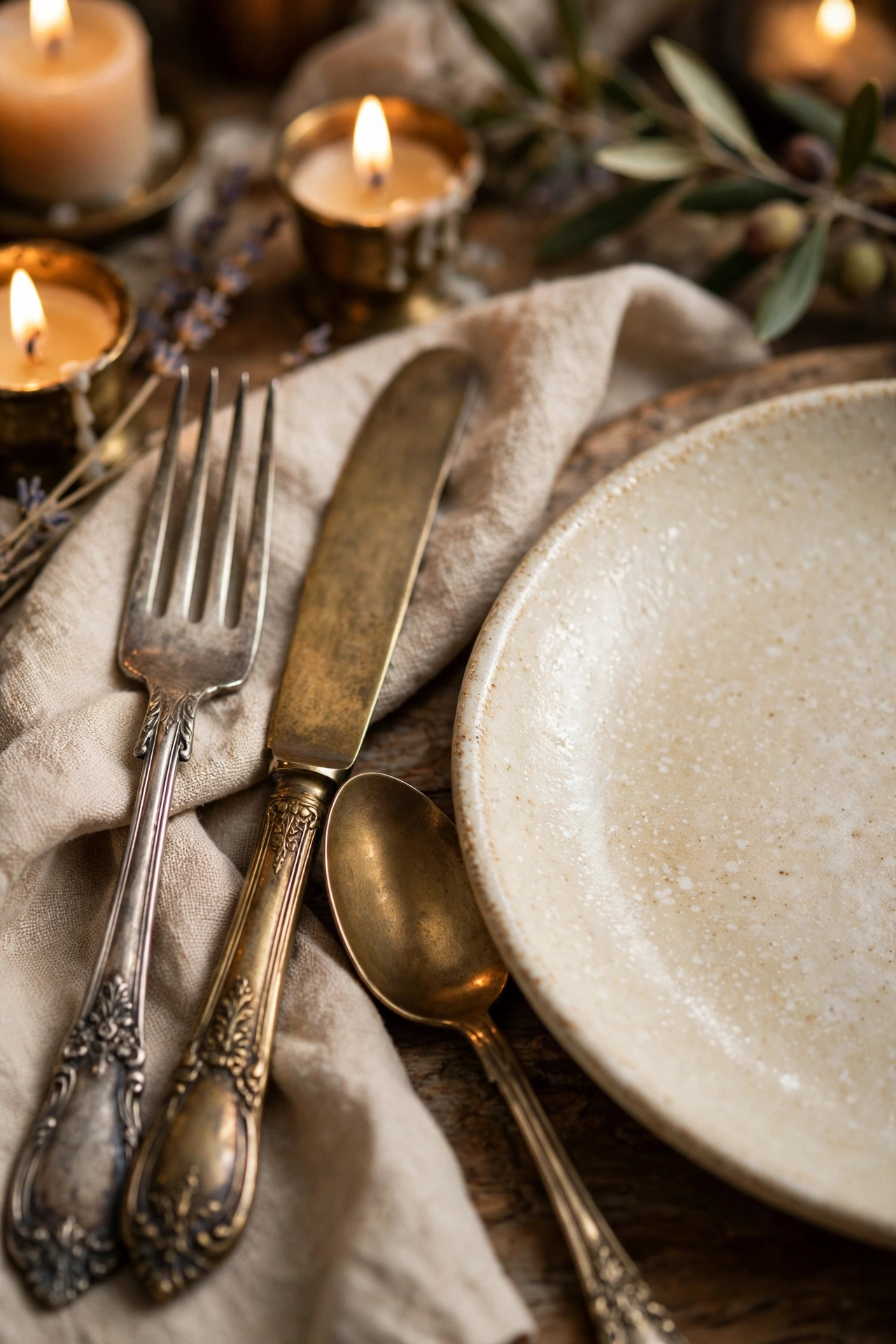
Mixed Metals: Antique Silver and Brass Flatware
Pairing an inherited or secondhand set of silver flatware with newer brass or gold pieces at alternating seats, or even within the same setting, adds depth and a collected-over-generations feel without requiring an entirely new matching set. This approach also solves a common hosting problem, not owning enough matching flatware for a full table, by turning the mismatch into an intentional design choice instead of a limitation. Keep the plates and linens simple and neutral so the mixed metals stay the visual focus of each place setting. This detail tends to spark conversation, especially if any of the pieces have real family history behind them.
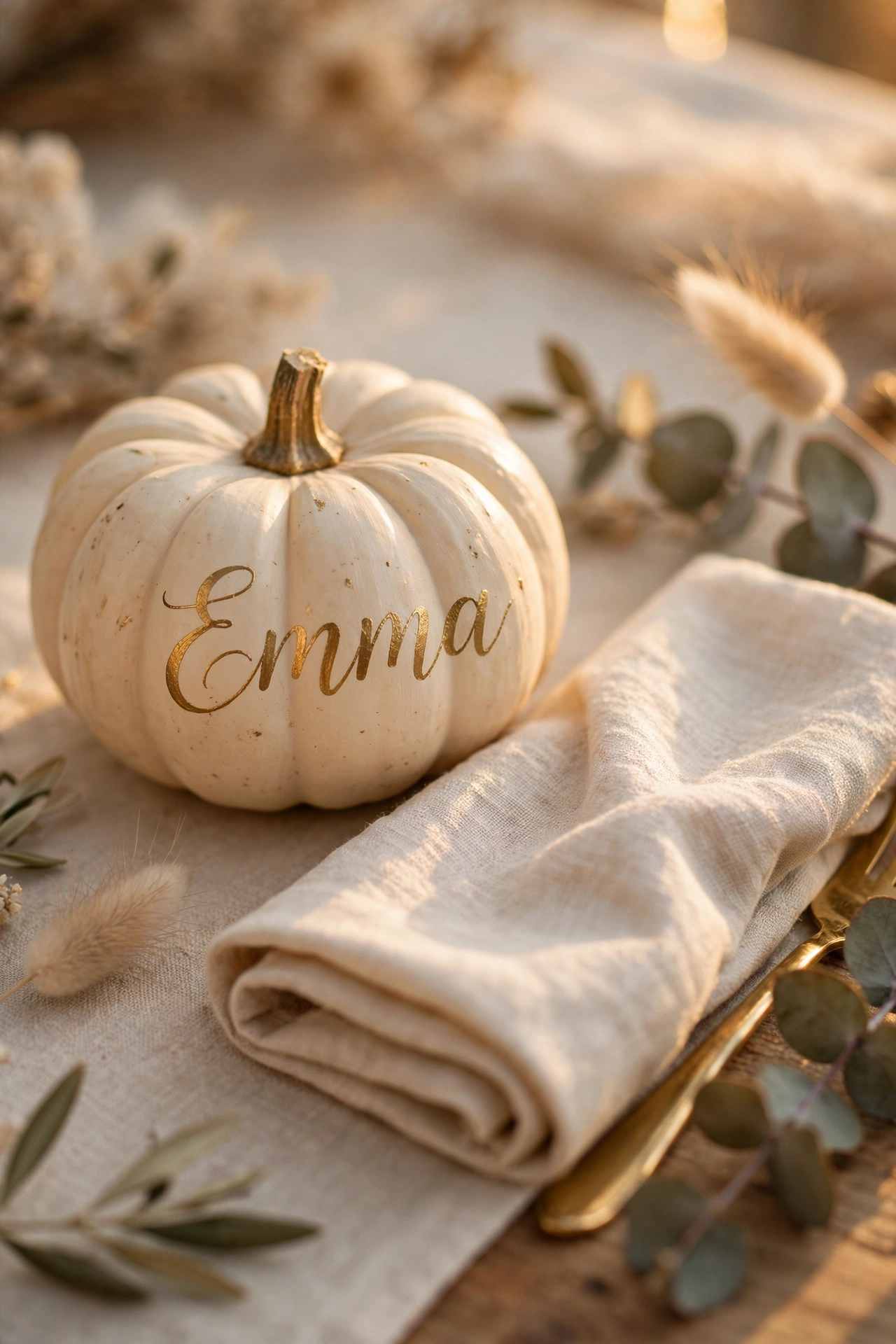
Mini Pumpkin Favor Painted With a Guest’s Name in Gold
A small pumpkin or gourd, hand-painted with a guest’s name in gold paint pen directly on its surface, serves as both a place card and a takeaway gift guests can display at home after the holiday. This idea takes slightly more prep time than a paper place card, but the personalized keepsake often becomes one of the most talked-about details of the entire table. Choose pumpkins with a smooth, light-colored surface so the gold lettering shows up clearly and legibly. Line them up in a gentle curve rather than a rigid straight line down the table for a softer, more natural presentation.
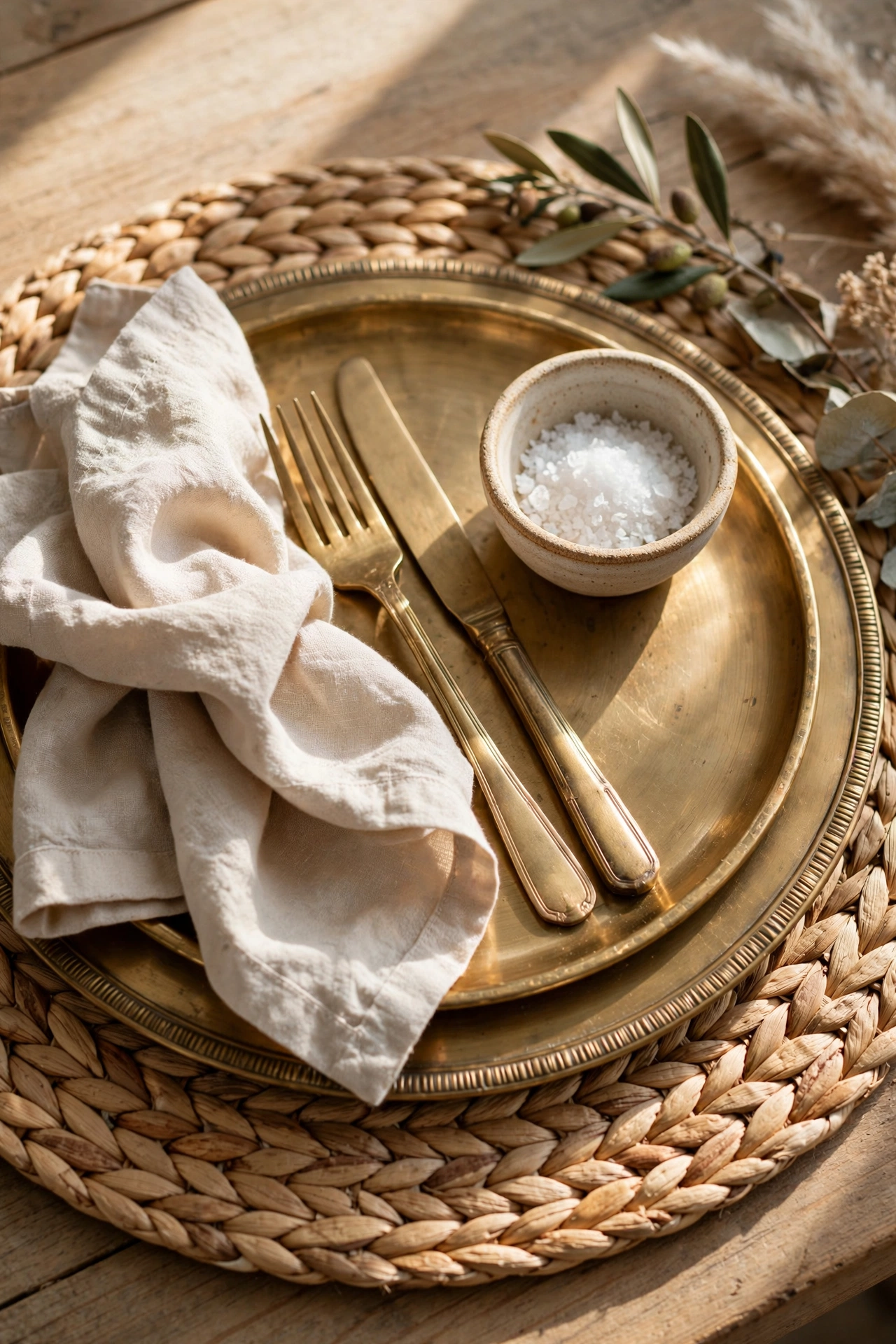
Layered Woven Placemat Under a Charger
Placing a woven or textured placemat beneath a charger plate adds an extra layer of visual depth at the base of each place setting, something a charger alone doesn’t achieve on a plain tablecloth. The woven texture catches light differently than a flat cloth surface, giving the table a subtle dimensional quality even before any plates or napkins are added. This combination works particularly well over a solid-colored tablecloth, since the placemat’s texture and the charger’s shine create contrast without needing a patterned linen. It’s one of the simplest upgrades on this list, requiring only that you own or borrow a set of woven placemats to layer beneath your existing chargers.
Styling Tips for a Cohesive Place Setting
- Build each setting in the same order: placemat or linen base, charger, plates, napkin detail, then place card or favor last.
- Choose one dominant metal (gold, silver, or brass) and stay consistent across flatware, napkin rings, and candle holders.
- Repeat one signature detail, a wheat sprig, a specific napkin fold, a handwritten card, at every single seat so the table reads as a set rather than a mismatch.
- Vary texture more than color. Wood, linen, glass, and dried botanicals in a neutral palette often look more sophisticated than a table built purely around bold colors.
- Give each place setting breathing room. Crowding too many small details onto one plate can undo the effect of a carefully layered table.
Practical Implementation Ideas by Setting Layer
- Base Layer: Woven placemat or a simple tablecloth.
- Plate Stack: Charger, dinner plate, salad plate layered by finish or texture.
- Napkin: Wheat sprig tuck, rosemary tie, bowtie fold, or dried orange slice garnish.
- Flatware: Ribbon-tied bundle, or mixed antique silver and brass.
- Place Card: Kraft tag with twine, pressed leaf, vintage spoon, or gold-painted mini pumpkin.
- Individual Glow: A mercury glass votive above each plate.
- Take-Home Touch: Mini pie favor or a name-painted pumpkin.
Common Mistakes to Avoid
- Using too many metals or colors without a plan. Pick one metal finish and one or two accent colors, then repeat them consistently across every seat.
- Skipping the napkin detail. A plain folded napkin is the single most missed opportunity for adding texture at almost no cost.
- Overloading a small plate with too many objects. A place card, a napkin, and one small botanical detail is usually plenty; more than that starts to feel cluttered.
- Forgetting to test candle height at each seat. A votive that’s too tall can block a guest’s sightline across the table.
- Buying a full new set of dishes instead of layering what you already own. Mixing existing pieces with a few new textures almost always looks more intentional than an entirely matched set.
Small-Space Alternatives
For a smaller table or an intimate gathering, focus on just two or three of these ideas rather than combining all eighteen, a layered plate stack, a napkin detail, and a place card cover the essentials without crowding a tight table. Skip a full centerpiece in favor of the individual votive idea, which adds warmth at each seat without taking up shared table space needed for serving dishes. A woven placemat alone, without a separate charger, can also create the layered look on a narrower table where every inch matters.
Budget-Friendly Alternatives
- Use paper grocery bags cut into kraft place cards instead of buying cardstock.
- Collect fallen leaves, acorns, and pinecones from outside instead of purchasing craft store versions.
- Borrow or thrift a mismatched set of vintage flatware instead of buying a new matching set.
- Use dried orange slices made in your own oven instead of purchasing pre-dried garnish.
- Skip a purchased charger and use a wood slice or woven placemat you already own as the base layer instead.
Pro Styling Recommendations
Set one full place setting first as a sample before replicating it around the table, this lets you catch spacing or detail issues before committing to eighteen identical setups. Photograph that sample setting in the lighting you’ll actually be hosting under, since gold tones and candle glow read differently under evening light than daylight. Finally, write place cards last, after the rest of the setting is built, so you can judge exactly how much visual weight that detail needs to carry at each seat.
FAQs
Final Thoughts
The best Thanksgiving tables aren’t the ones with the biggest centerpiece, they’re the ones where every seat feels like someone thought about the person sitting there. A tucked sprig, a handwritten name, a plate stacked with a little extra care, these are the details guests actually remember on their way out the door. Pick a handful from this list, build one seat as your sample, and let the rest of the table follow from there.