19 Cottagecore Living Room Ideas That Feel Like a Storybook Come to Life
Some rooms look decorated. A cottagecore living room feels found, like every piece wandered in from somewhere with its own story and settled in without asking permission. A faded floral cushion here. A jar of dried lavender there. A coffee table with a scratch nobody bothers to hide anymore.
That’s the whole appeal. It isn’t about buying a matching set from a catalog. It’s about layering warmth, texture, and a little bit of nostalgia until the room feels like the opening page of a story you already want to live in. Here are 19 ways to bring that feeling into your own living room, no thatched roof required.
Table of Contents
1. Layer a Faded Floral Sofa as the Room’s Storybook Anchor
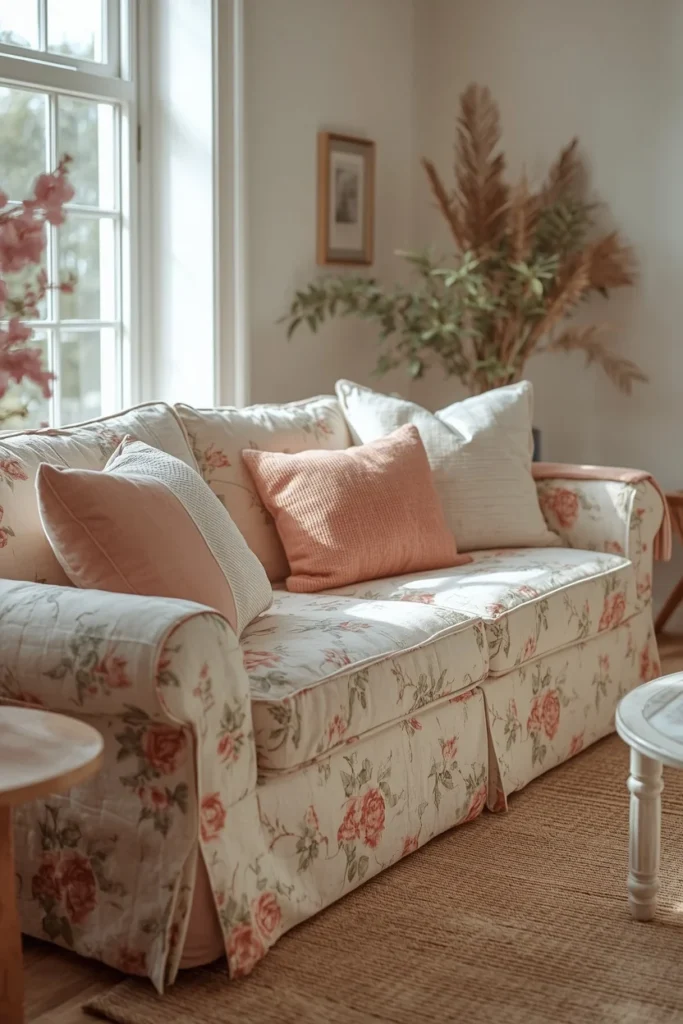
A slipcovered sofa in a soft, faded floral print, think muted roses, sprigged cottage blooms, or a worn chintz pattern, sets the tone for the entire room before you add a single accessory. Look for cotton or linen blends rather than stiff upholstery, since the slight wrinkle and drape of natural fabric reads as lived-in rather than showroom new. If a full floral sofa feels like too much commitment, start with a slipcover over a plain existing sofa, which is both reversible and budget-friendly. Pair it with solid-colored cushions in a complementary tone so the floral doesn’t compete with itself. This piece becomes the emotional center of the room, the spot everyone pictures when they imagine curling up with tea and a book.
2. Hang Dried Flowers and Herb Bundles From Exposed Beams
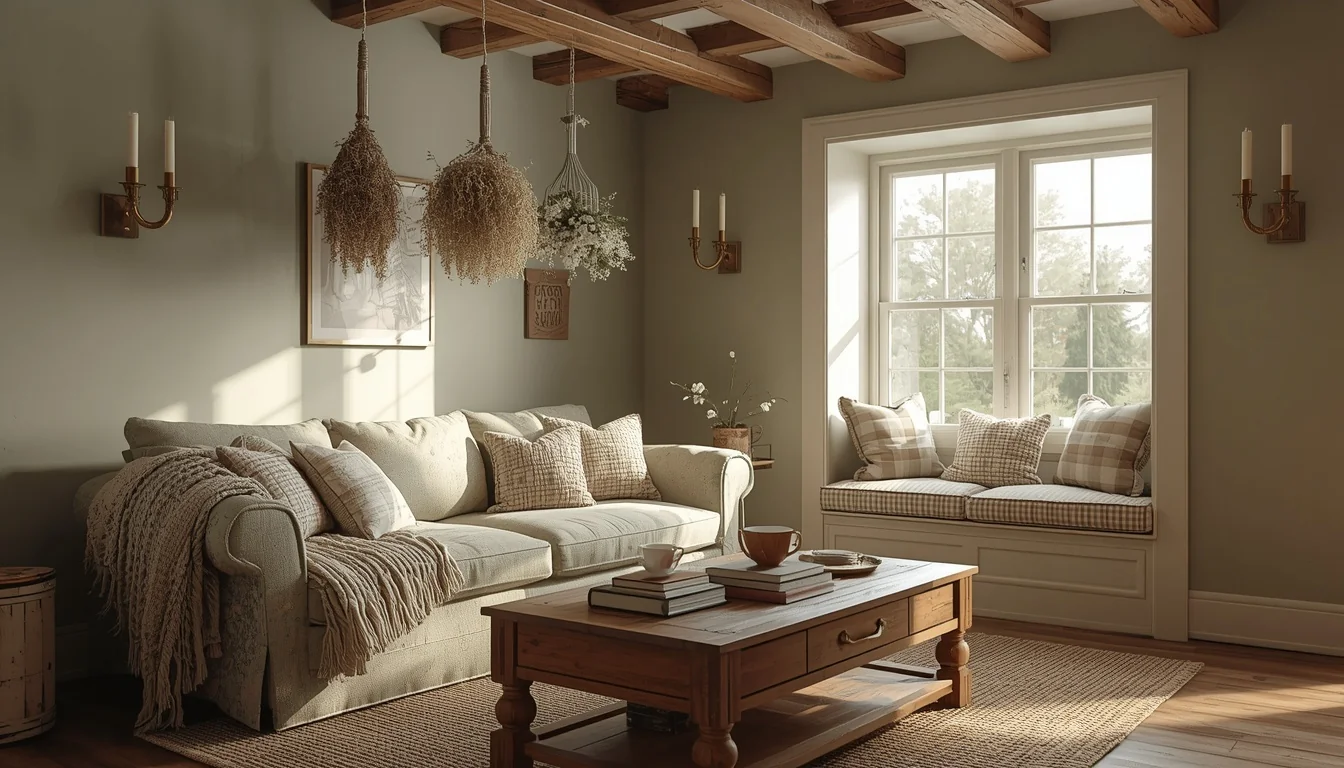
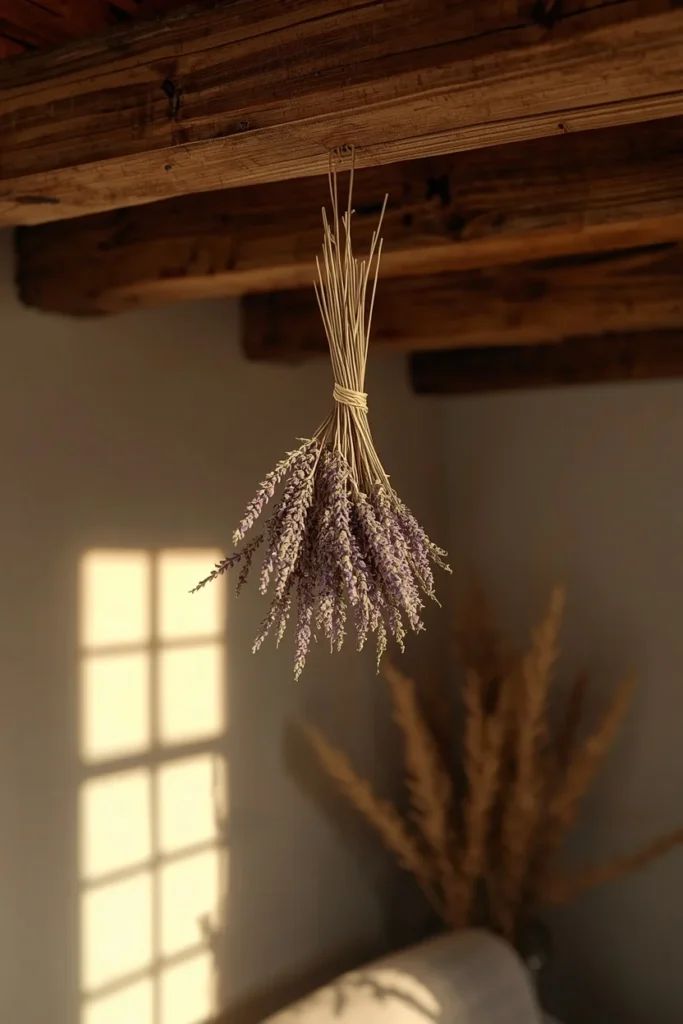
If your living room has exposed ceiling beams, or even just a mantel or open shelf, hanging small bundles of dried lavender, wheat, or eucalyptus adds instant cottage charm without any upkeep. Tie each bundle with plain twine or a scrap of ribbon and let them hang upside down, which is both the traditional drying method and the classic cottagecore look. Group bundles in odd numbers, three or five, rather than spacing them evenly, since a slightly irregular arrangement feels more foraged than staged. This detail costs very little, since dried flowers can last for months and many varieties can be air-dried at home from a single grocery store bouquet. It’s one of the fastest ways to make a plain ceiling or mantel feel like it belongs in a storybook cottage.
3. Mix Mismatched Vintage Chairs Instead of a Matching Set
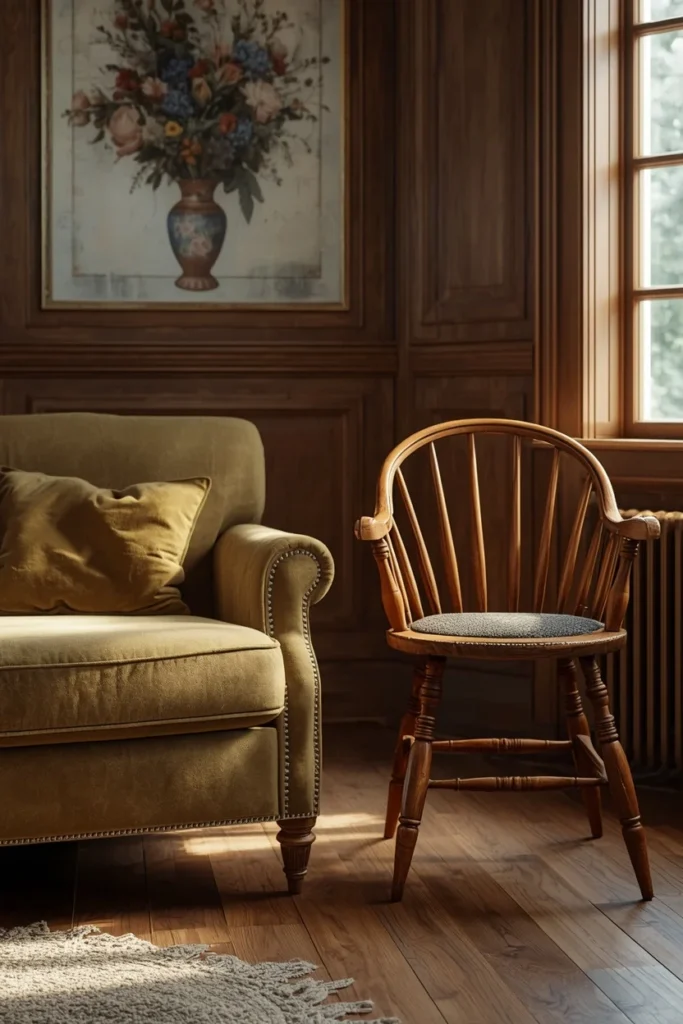
Skip the matching armchair pair and instead pull together two or three chairs from different eras, a carved wood spindle chair, a slipper chair in worn velvet, a cane-back accent chair, and let them coexist in the same room. The key to making mismatched furniture look intentional rather than accidental is keeping a shared color family or wood tone across all the pieces, even if their shapes differ. Thrifted and secondhand chairs often carry more character than anything bought new, and small imperfections like a worn armrest or a slightly faded cushion only add to the story. This approach also tends to be far more budget-friendly than buying a coordinated set, since single chairs are easier to find secondhand than matching pairs. Let each chair earn its spot rather than filling space just to fill it.
4. Build a Window Seat Reading Nook With Deep Cushions
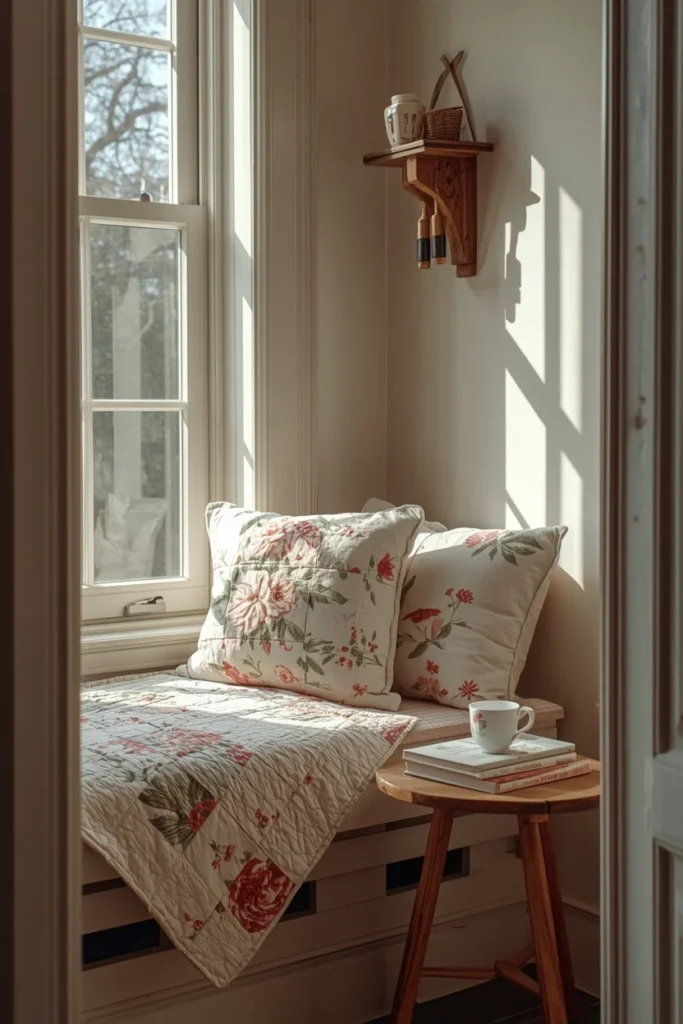
A window seat piled with deep, overstuffed cushions and a folded quilt turns any living room corner into the kind of spot a storybook character would curl up in with a cup of tea. If your home doesn’t have a built-in window seat, a simple bench or daybed pushed beneath a window achieves the same effect. Layer the seat with a mix of solid and softly patterned cushions in complementary tones, then add a small side table just large enough for a teacup and a stack of books. Natural light is essential here, so avoid heavy drapery that blocks the window during the day, saving softer curtains for evening privacy instead. This is one of the most requested cottagecore features because it turns unused floor space into the most inviting seat in the house.
5. Choose Gingham or Ticking Stripe for One Statement Textile
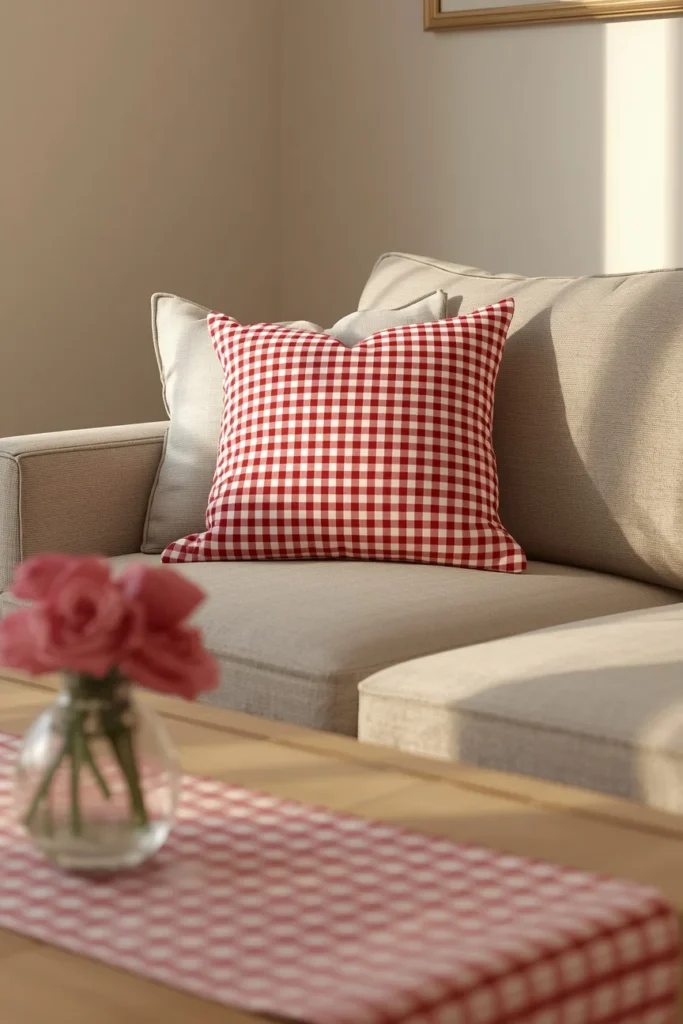
Gingham checks and ticking stripes are two of the most reliable cottagecore patterns because they read as cheerful and countryside without tipping into costume territory. Use one of these patterns on a single statement piece, like a set of throw pillows, a table runner, or a curtain, rather than repeating it across multiple items in the room. A soft red or navy gingham against warm cream walls feels playful without overwhelming the space, while a muted ticking stripe adds subtle texture that pairs well with solid florals elsewhere in the room. This is a low-cost way to inject personality into a neutral room, since fabric yardage or a single pillow cover costs far less than new furniture. Keep the rest of the room’s patterns quiet so this one textile gets to do its job.
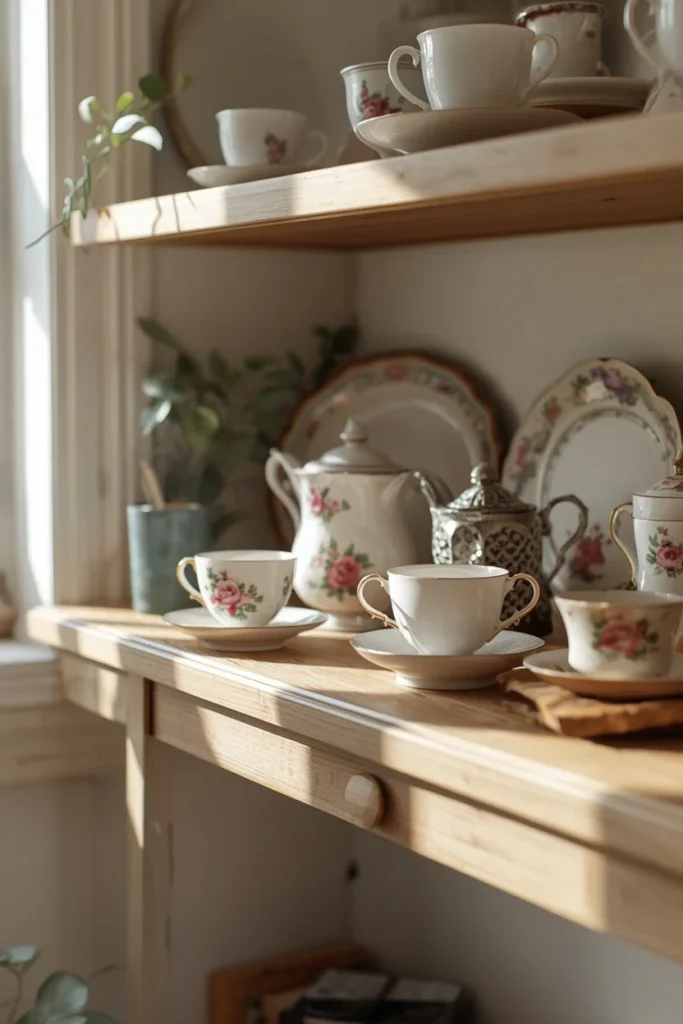
6. Display Mismatched Floral China on Open Shelving
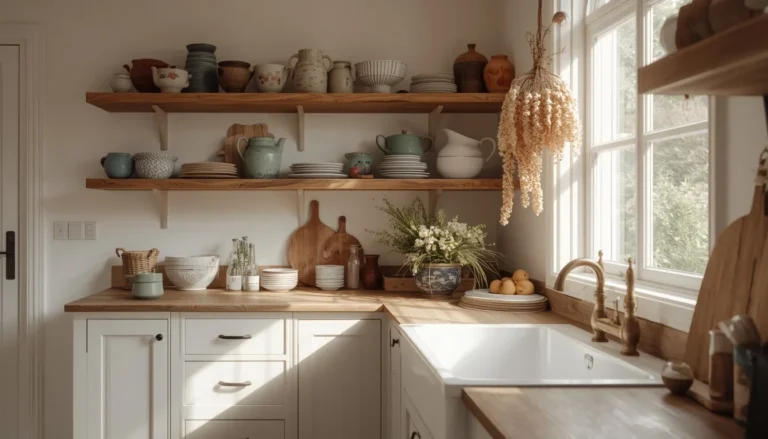
Open shelves or a glass-front cabinet filled with mismatched floral teacups, saucers, and small plates turns tableware into wall decor, which is a classic cottagecore move borrowed straight from a well-loved family kitchen. Look for secondhand pieces at thrift stores and estate sales, where single teacups and small plates are often sold far cheaper than full sets. The mismatch is the point; no two pieces need to share a pattern, only a similar softness in color palette so the collection reads as curated rather than cluttered. Arrange pieces with a little breathing room between them rather than packing the shelf edge to edge, which keeps the display feeling calm instead of chaotic. This is one of the easiest ways to add color and personality to a room without committing to anything permanent.
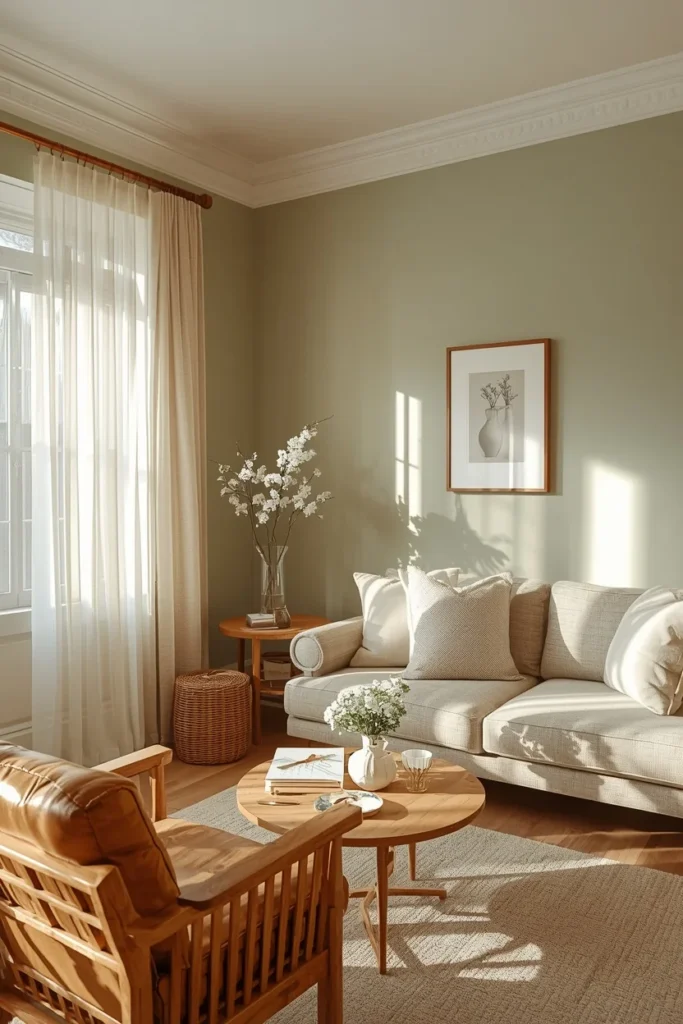
7. Warm the Walls With a Muted Sage or Mushroom Paint Color
Skip stark white walls in favor of a muted, earthy paint color like sage green, warm mushroom, or soft buttery cream. These tones mimic the palette of a countryside garden or forest floor, which is the emotional backbone of the cottagecore look, and they photograph warmer in both daylight and lamp light than a cooler gray or pure white would. A single coat on all four walls creates the biggest transformation, but even one accent wall in a small living room can shift the entire mood of the space. Pair the wall color with warm wood tones and cream textiles so nothing in the room reads as cold or clinical. This shift toward warmer, more livable colors is one of the clearest interior trends shaping cozy homes this year, moving decisively away from the stark grays and whites of the previous decade.
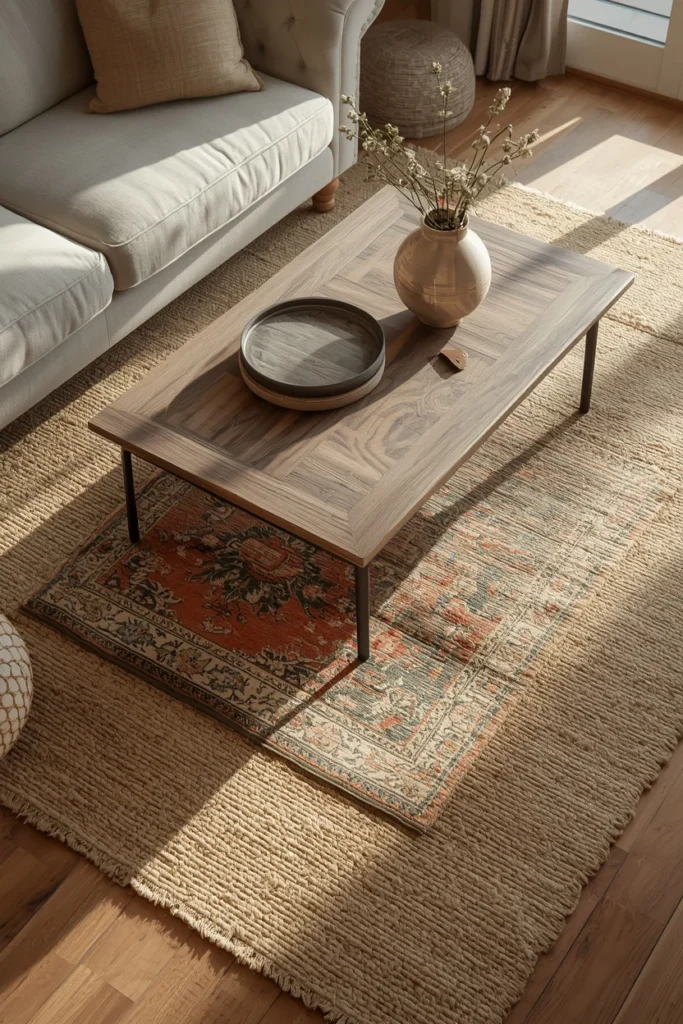
8. Layer a Natural Fiber Rug Under a Well-Loved Coffee Table
Jute, sisal, and seagrass rugs bring an organic, textural base to a cottagecore living room that a smooth synthetic rug simply can’t replicate. These natural fibers age gracefully, developing a soft patina over time that only adds to the room’s lived-in feel. Layer a smaller vintage or faded floral rug on top of the natural fiber base for extra warmth and pattern, especially in colder months. Choose a weave with some visible texture rather than a flat, uniform surface, since texture is what makes natural fiber rugs feel intentional rather than like an afterthought. This combination grounds the room and gives every other layered element, from furniture to lighting, something honest and natural to sit on top of.
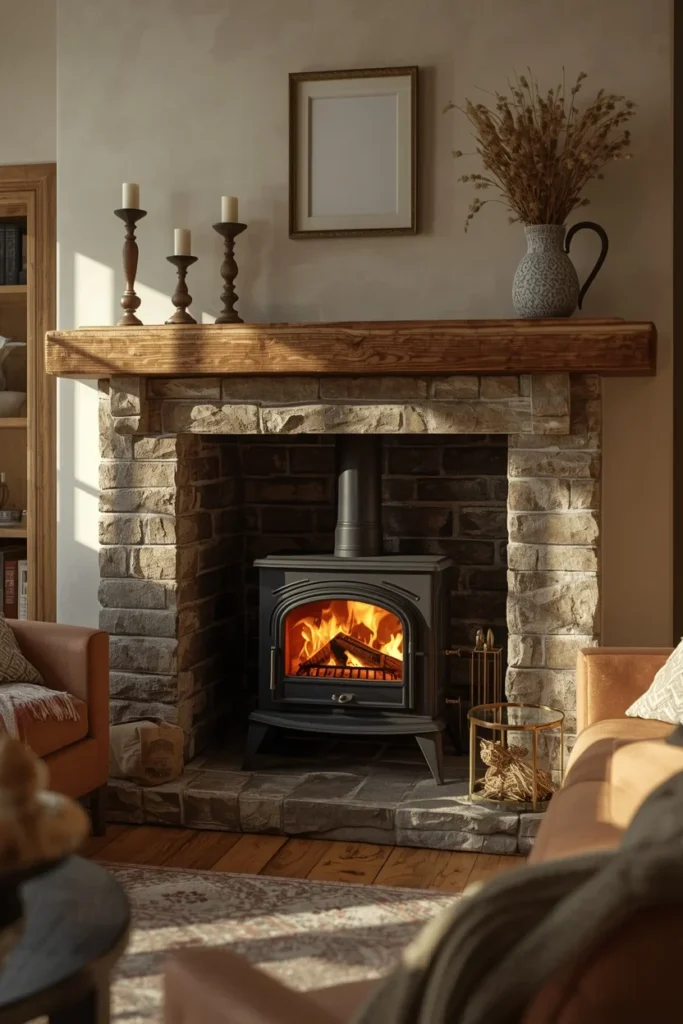
9. Use a Wood-Burning Stove or Fireplace as the Heart of the Room
If your living room already has a fireplace, leaning into its rustic character rather than modernizing it fully keeps the cottagecore mood intact. A cast iron wood-burning stove, exposed brick surround, or a simple stone hearth all work as natural focal points that furniture can be arranged around. Style the mantel with a mix of candlesticks, a small vase of dried flowers, and one or two framed pieces rather than a single symmetrical arrangement, since asymmetry feels more collected over time. Even without a working fireplace, a stack of firewood in a woven basket beside an empty hearth or stove-style space heater can suggest the same cozy focal point. This idea works especially well in colder climates where a real fire is part of daily winter life rather than just decoration.
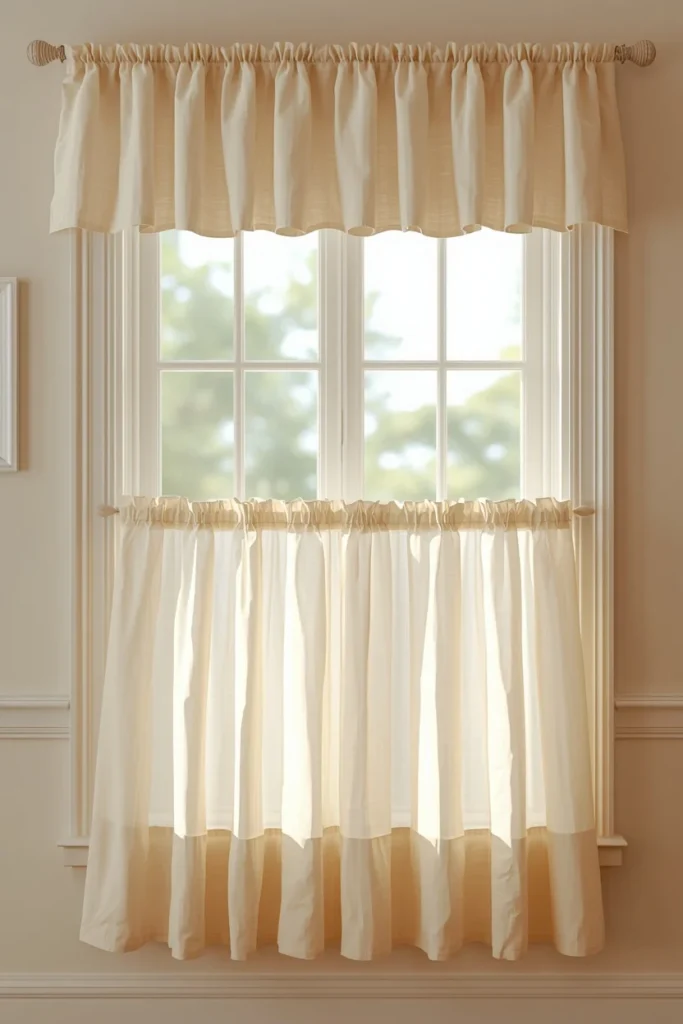
10. Add Ruffled or Café Curtains to Soften the Windows
Café curtains that cover only the bottom half of the window let natural light pour in during the day while adding a soft, homespun detail that feels straight out of a countryside kitchen. A subtle ruffle along the curtain’s edge adds a feminine, handmade touch without veering into overly frilly territory, especially when kept in a solid cream or soft floral fabric. These curtains work particularly well in living rooms with lower windows or in spaces that don’t need full privacy coverage. For rooms that do need more coverage, floor-length linen curtains with a simple ruffled header achieve a similar effect on a larger scale. This detail is inexpensive to sew or buy and can be swapped seasonally without touching anything else in the room.
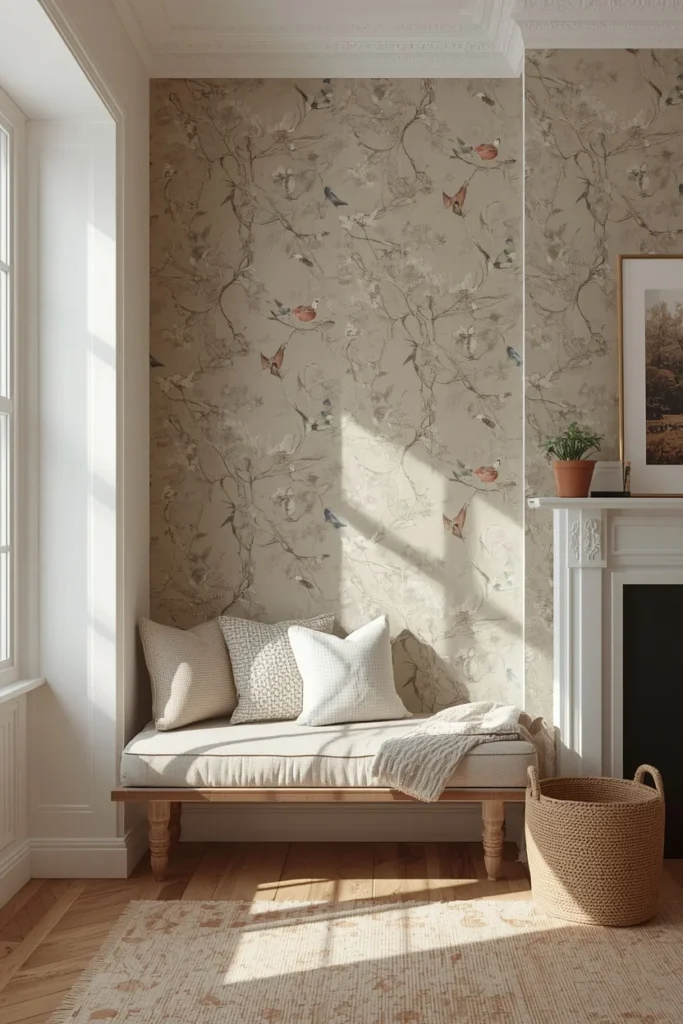
11. Hang Botanical Wallpaper on One Accent Wall
A wallpaper featuring birds, trailing vines, or pressed botanical illustrations adds the whimsy that defines cottagecore without requiring a full room commitment. Applying it to just one accent wall, behind a sofa or within a reading nook, keeps the pattern from overwhelming a smaller living room while still making a strong visual statement. Removable, peel-and-stick versions are widely available now and work well for renters who want the look without a long-term commitment. Choose a print with a muted, slightly faded color palette rather than bold saturated tones, since the softer version reads as vintage rather than modern novelty print. This is one of the higher-impact ideas on this list, and it pairs beautifully with the dried flowers and natural textures mentioned earlier.
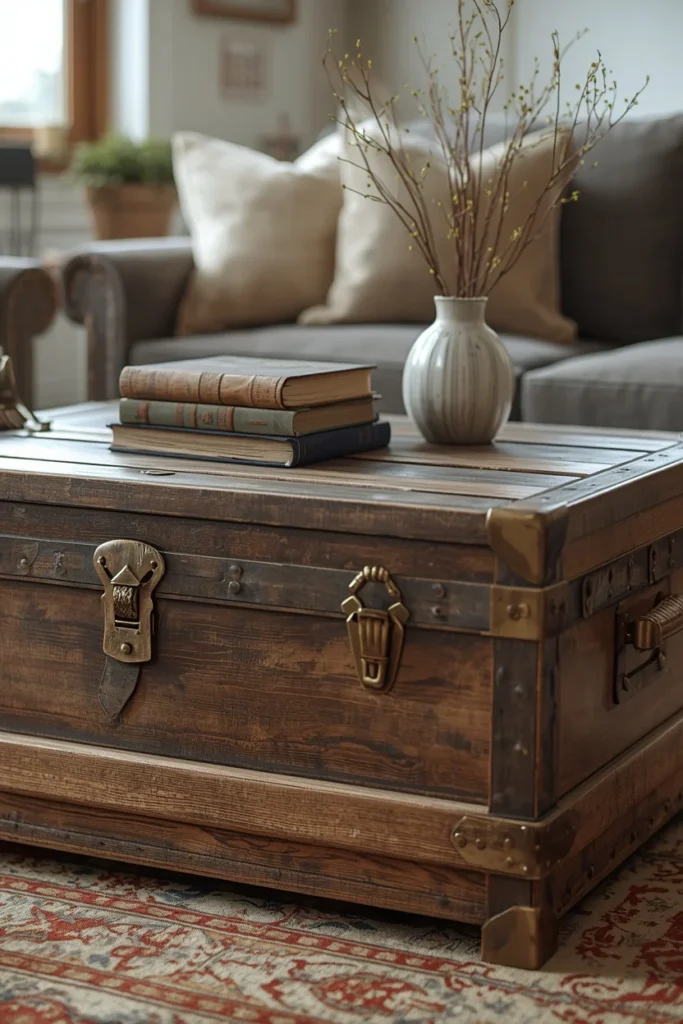
12. Bring in an Antique Trunk or Weathered Wood Coffee Table
A worn wooden trunk doubles as both a coffee table and hidden storage, and its scuffed, weathered surface carries far more character than anything with a factory finish. Look for pieces with visible history, like brass hardware, leather straps, or a faded painted finish, since these details are exactly what make a piece feel inherited rather than purchased last week. If a trunk isn’t practical for your space, a coffee table in reclaimed or distressed wood achieves a similar storytelling effect. Style the top with a stack of well-loved books, a small vase, and perhaps a tray for candles, keeping the arrangement loose rather than perfectly centered. This piece often becomes the most complimented item in the room, precisely because it looks like it has a story nobody quite remembers.
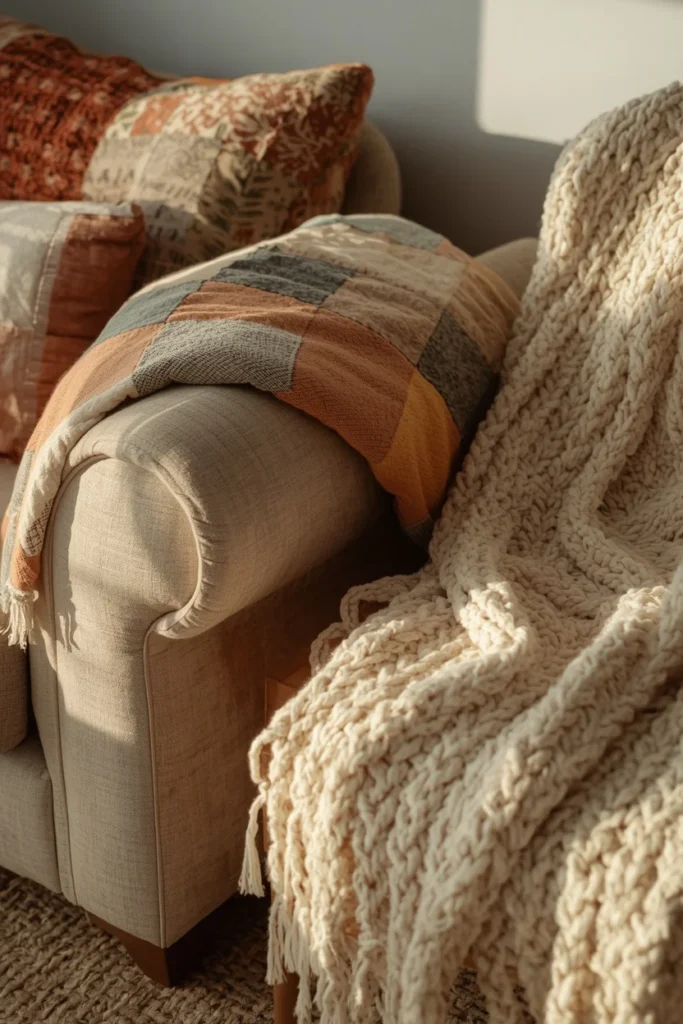
13. Layer Handmade Quilts and Knit Throws Over Every Seat
A patchwork quilt draped over the arm of a sofa, or a chunky hand-knit throw folded across an armchair, adds instant texture and warmth while signaling that this room is meant to be lived in, not just looked at. Mixing textures, a woven cotton quilt here, a wool throw there, keeps the layering interesting rather than uniform. Vintage and secondhand quilts often carry small imperfections, like a slightly faded patch or hand-stitched repair, that only deepen the sense of history in the room. Fold or drape these pieces casually rather than perfectly, since a too-neat throw can accidentally undercut the relaxed, collected feeling you’re going for. This is one of the most affordable updates on this list and one of the easiest to rotate seasonally.
14. Fill Glass Jars and Vintage Vases With Foraged Blooms
A simple glass jar or a chipped ironstone pitcher filled with garden flowers, wildflowers, or even a single stem from a grocery store bouquet brings a sense of the outdoors inside without requiring a garden of your own. Skip the perfectly arranged florist bouquet in favor of something looser and more asymmetrical, since a slightly wild arrangement feels more foraged than formally styled. Rotate the vase’s placement between the coffee table, a windowsill, and a side table so the room always has a small, changing moment of color. When fresh flowers aren’t available, a small collection of dried stems in the same vessel keeps the look going through every season. This is one of the lowest-cost ideas on this list and one of the most effective at making a room feel alive.
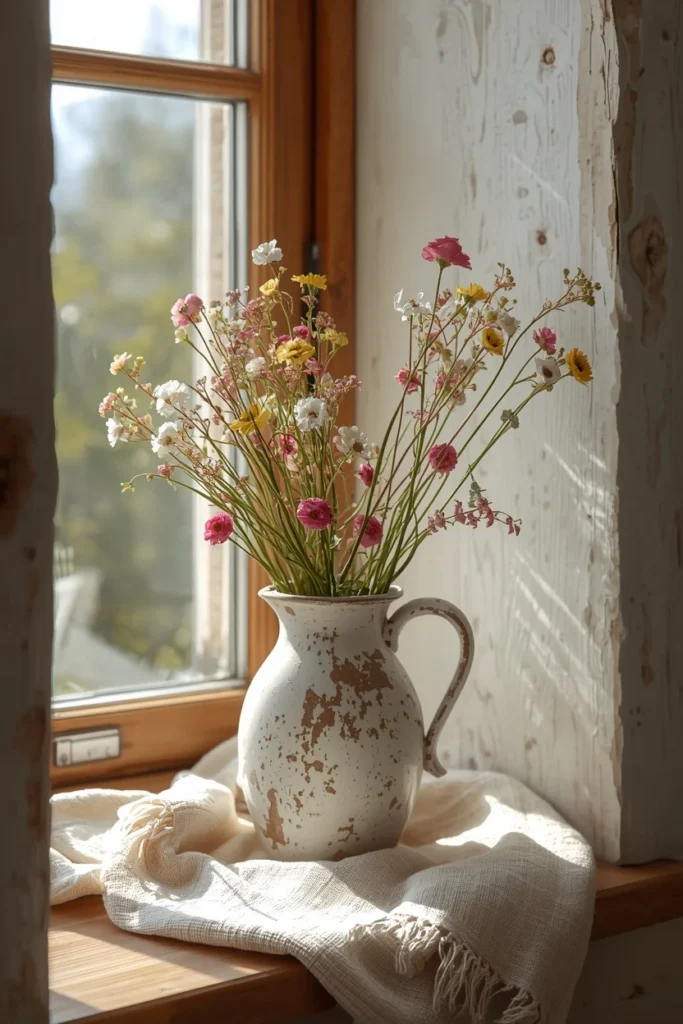
15. Choose Brass or Aged Bronze Hardware for a Lived-In Glow
Cabinet pulls, curtain rods, and light fixtures in warm brass or aged bronze catch lamp light with a soft glow that cooler chrome or matte black finishes simply don’t replicate. This warm metal tone has always been part of traditional cottage style, but it’s especially relevant now as design moves away from the stark black-and-white palettes of recent years toward warmer, more livable finishes. You don’t need every metal piece in the room to match exactly, aim instead for a general sense of warmth across lighting, hardware, and frames. Antique or reproduction hardware with a slightly worn, unlacquered finish will patina naturally over time, which only strengthens the collected-over-years feeling this style is built on. This is a small, often overlooked detail that quietly ties the whole room together.
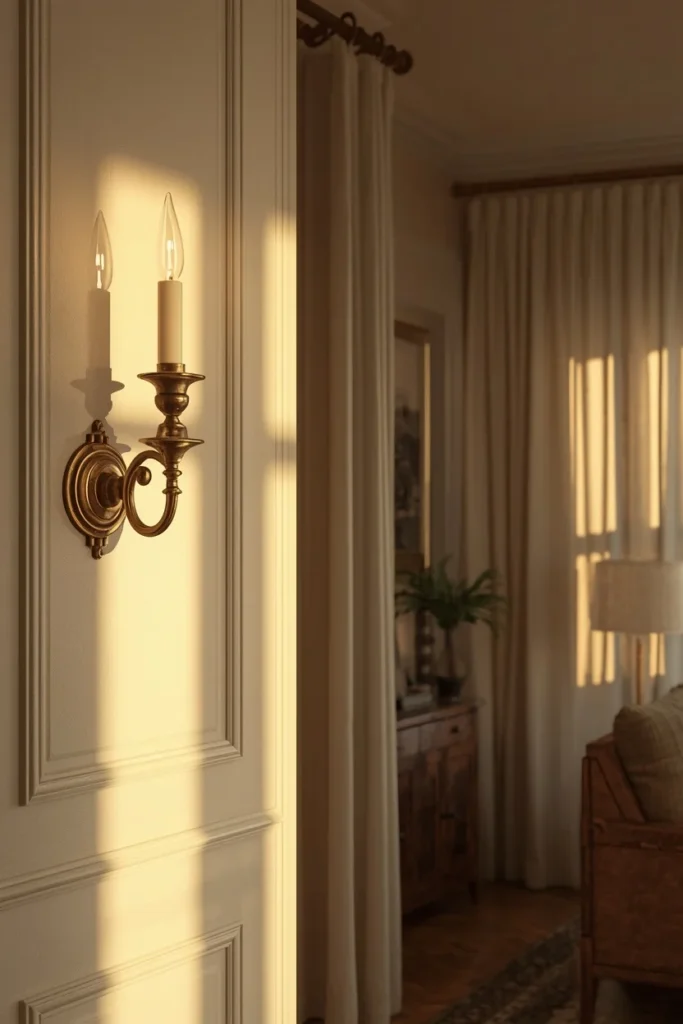
16. Add a Basket Wall or Woven Storage Corner
Wicker and rattan baskets, whether mounted on a wall in a decorative arrangement or stacked in a corner for practical storage, bring warm, natural texture into a living room while doubling as functional storage for blankets, magazines, or firewood. A cluster of different-sized baskets mounted on a wall behind a sofa creates an interesting textural focal point that costs very little compared to artwork of a similar scale. For a more practical approach, a single large woven basket beside an armchair keeps throws and pillows tidy without needing a closet. This detail leans into the natural materials that define cottagecore while solving a real storage problem most living rooms have. Look for baskets with visible weave texture and slightly irregular shapes, since perfectly uniform baskets tend to look more mass-produced than handwoven.
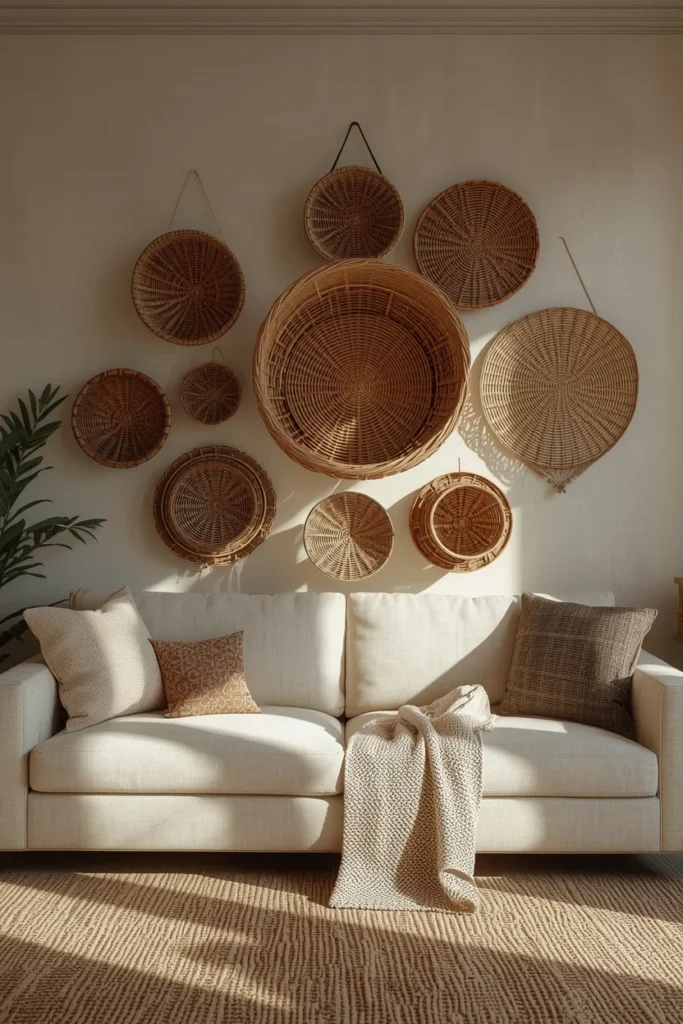
17. Use Needlepoint and Embroidered Pillows for Handmade Charm
A throw pillow featuring a hand-embroidered floral motif or a needlepoint scene adds a layer of handmade charm that mass-produced patterns can’t fully imitate. Vintage needlepoint pillows, often found at estate sales or secondhand shops, carry the kind of imperfect, hand-stitched character that fits naturally into a cottagecore room. If vintage pieces are hard to find, new embroidered pillows in a similar floral or botanical motif achieve a comparable effect at a lower cost. Mix one or two of these detailed pillows with simpler solid or linen cushions so the embroidery has room to stand out rather than competing with other patterns. This is a small detail, but it’s often the one guests reach out to touch first, which says something about how much warmth handmade textures bring to a room.
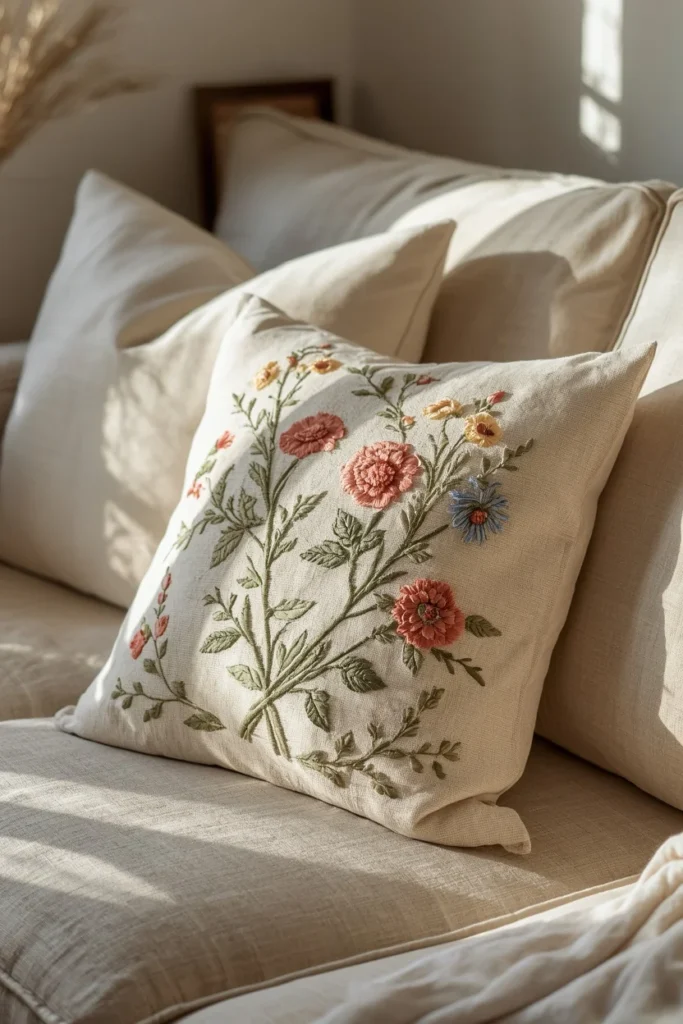
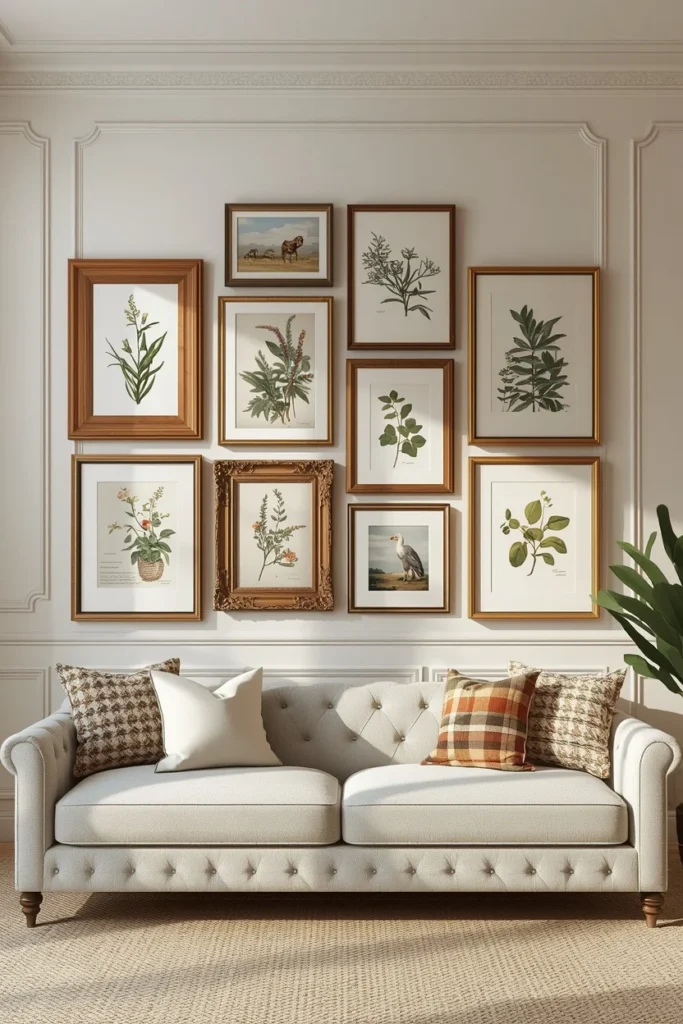
18. Frame Botanical Prints in Mismatched Vintage Frames
A small gallery of botanical prints or pressed flower illustrations, each in a slightly different vintage frame, mimics the feeling of art collected slowly over many years rather than bought as a matching set. Look for frames in varying wood tones and finishes, gold leaf, dark walnut, chipped white paint, since the variety is what makes the wall feel gathered rather than ordered from a single catalog. Keep the prints themselves loosely related in subject matter, focusing on botanicals, birds, or pastoral scenes, so the wall reads as cohesive even with the frame variety. Arrange the collection with slightly uneven spacing rather than a strict grid, which reinforces the sense that each piece arrived at a different time. This is one of the most personal touches you can add to a cottagecore living room, since no two collections will ever look exactly alike.
19. Light the Room With Candles and Warm Amber Lamps
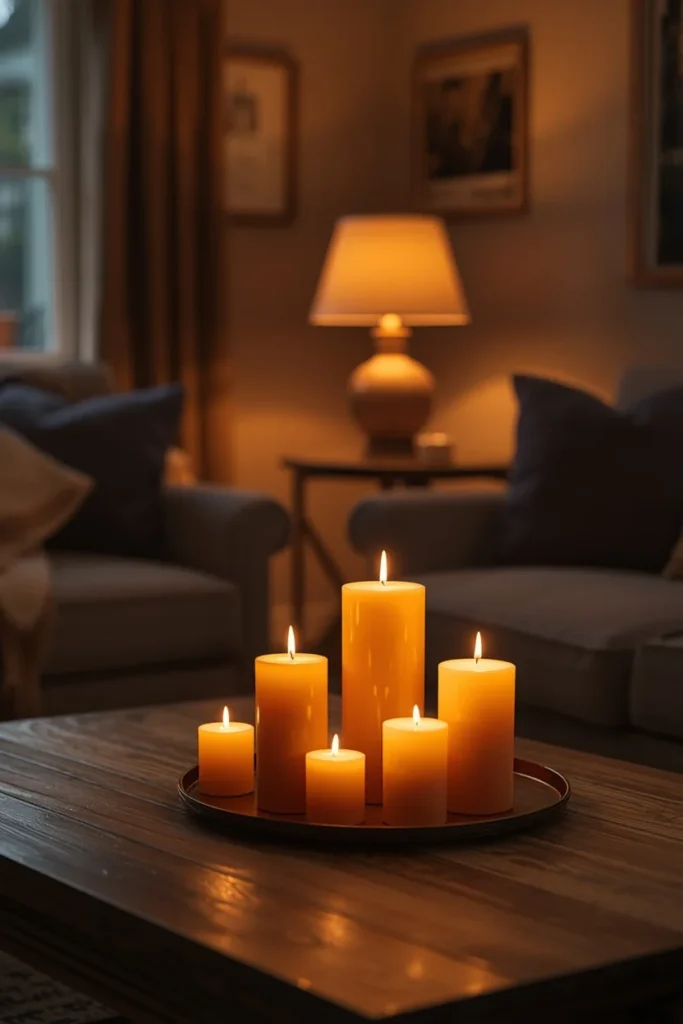
Skip harsh overhead lighting in favor of layered, low-glow light sources: table lamps with warm amber or cream shades, a cluster of candles on the mantel or coffee table, and perhaps a small lantern in a corner. This kind of lighting mimics the soft, flickering glow of a countryside evening rather than the flat, even light of a modern ceiling fixture. Choose bulbs in a warm color temperature, generally around 2700K, so even electric light reads as cozy rather than clinical. Group candles in varying heights on a tray for an easy, low-cost centerpiece that can move between the coffee table and mantel depending on the season. This final layer of lighting is often what turns a well-decorated room into one that actually feels like the storybook cottage you were picturing all along.
Styling Tips
- Choose one dominant floral or botanical print for the room and let every other pattern stay quieter in comparison.
- Keep a consistent warm color family, sage, cream, dusty rose, mushroom, running through paint, textiles, and accessories.
- Let a few imperfect, worn pieces stay visible rather than hiding every scuff or scratch, since those details carry the storytelling.
- Group collections, china, candles, baskets, in odd numbers for a more natural, gathered look.
Practical Implementation Ideas
- Start with wall color and the sofa, since these two elements set the tone for every other decision in the room.
- Visit secondhand shops and estate sales before buying anything new, since much of the cottagecore look depends on pieces with history.
- Add dried flowers and textiles first, since they’re inexpensive and can be adjusted easily before committing to larger furniture changes.
- Layer lighting last, once furniture and textiles are in place, so you know exactly where warm, low-glow fixtures are needed most.
Common Mistakes to Avoid
- Using too many competing floral patterns at once, which can tip the room from cozy into cluttered.
- Buying everything new, which removes the sense of history that makes cottagecore feel authentic.
- Relying only on bright, overhead lighting instead of layered lamps and candles.
- Overcrowding shelves and surfaces to the point where nothing has room to be appreciated individually.
Small-Space Alternatives
- Use a single floral armchair instead of a full sofa if space is limited.
- Choose a wall-mounted basket display instead of floor baskets to save square footage.
- Hang a small gallery of three to five frames instead of a full wall arrangement.
- Opt for a compact bench with cushions instead of a full window seat build-out.
Budget-Friendly Alternatives
- Use a slipcover over an existing sofa instead of buying new floral upholstery.
- Air-dry your own flowers from grocery store bouquets instead of buying dried arrangements.
- Thrift vintage china, frames, and textiles instead of buying new reproductions.
- Swap cabinet and curtain hardware for inexpensive brass alternatives rather than replacing furniture.
Pro Styling Recommendations
- Layer at least three textures in every seating area, like linen, wool, and natural fiber, to avoid a flat, one-note look.
- Keep one wall or surface deliberately simple as a visual resting point among the layered patterns.
- Choose warm-toned bulbs across every lamp in the room for consistent, cozy lighting.
- Rotate dried flowers, throws, and small decor seasonally to keep the room feeling tended rather than static.
FAQs
Conclusion
A cottagecore living room isn’t built in a single weekend, and that’s part of the charm. It grows the way a real collection grows, one thrifted chair, one dried bouquet, one worn quilt at a time, until the room feels less decorated and more remembered. Start with whichever idea speaks to you most, and let the rest arrive slowly. The most convincing storybook rooms are the ones that never look finished, only lived in.