23 Playful Maximalist Apartment Ideas for Small-Space, Big-Personality Decor
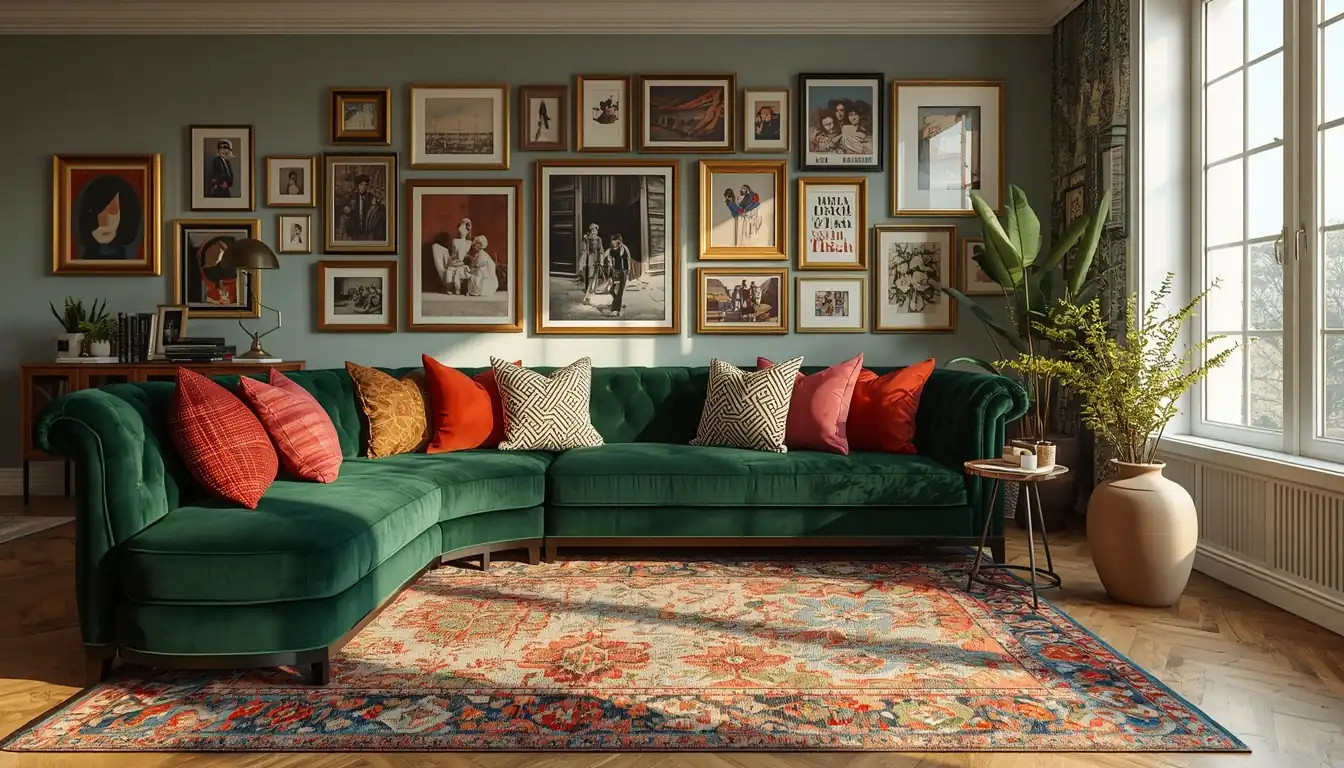
Maximalism has a reputation problem. Say the word and a lot of people picture clutter — too many things, no plan, a room that looks like it lost an argument with a flea market.
That’s not what this is.
Good maximalism, the kind that actually photographs beautifully and feels good to live in, runs on structure just as much as excess. A repeated color thread. Patterns mixed by scale, not thrown together at random. Collections that tell a story instead of just taking up space. The difference between “cluttered” and “curated” almost always comes down to whether there’s a plan underneath the abundance.
This list covers 23 playful maximalist apartment ideas built specifically for small spaces, since square footage is usually the first thing people assume rules maximalism out. Pattern mixing, color drenching, vertical gallery walls, spatial zoning with rugs, rental-friendly tricks — the actual mechanics behind a small space that reads as bold, intentional, and full of personality instead of chaotic.
Table of Contents
Maximalism Is an Attitude, Not Clutter
The single most important mindset shift for small-space maximalism is understanding that it’s an attitude, not an amount of stuff. A tiny studio can be genuinely maximalist with just a handful of well-chosen, high-impact pieces, while a huge house full of mismatched, disorganized furniture can still read as messy rather than maximalist. What separates the two is structure: a repeated color running through the room, patterns combined by scale rather than randomly, and collections displayed with some intention instead of scattered without a plan. Once that structure is in place, more really can be more, because every piece is contributing to one cohesive story instead of competing for attention on its own.
1. Color-Drenched Accent Nook in a Jewel Tone
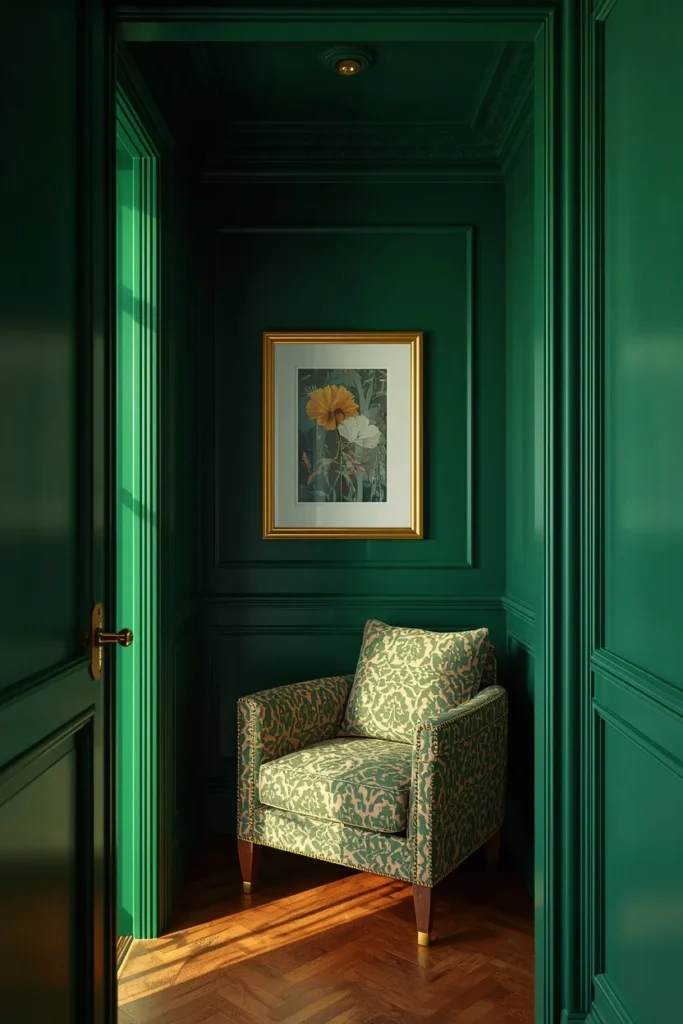
Painting one corner or nook, walls, trim, and all, in a single saturated jewel tone like emerald or cobalt creates an enveloping, seamless backdrop that actually makes a small space feel bigger rather than more cramped, since there’s no harsh line where one color stops and another starts. This technique works particularly well in a small apartment because it contains the boldest color choice to one defined zone, rather than requiring the whole room to commit to the same intensity. Layering in gold-framed art and a couple of patterned textiles against the drenched color keeps the nook feeling curated instead of like a paint sample gone wrong. This idea gives renters a lower-commitment way to test a genuinely maximalist color moment, since one nook is far less daunting than an entire apartment.
2. Ceiling-High Gallery Wall
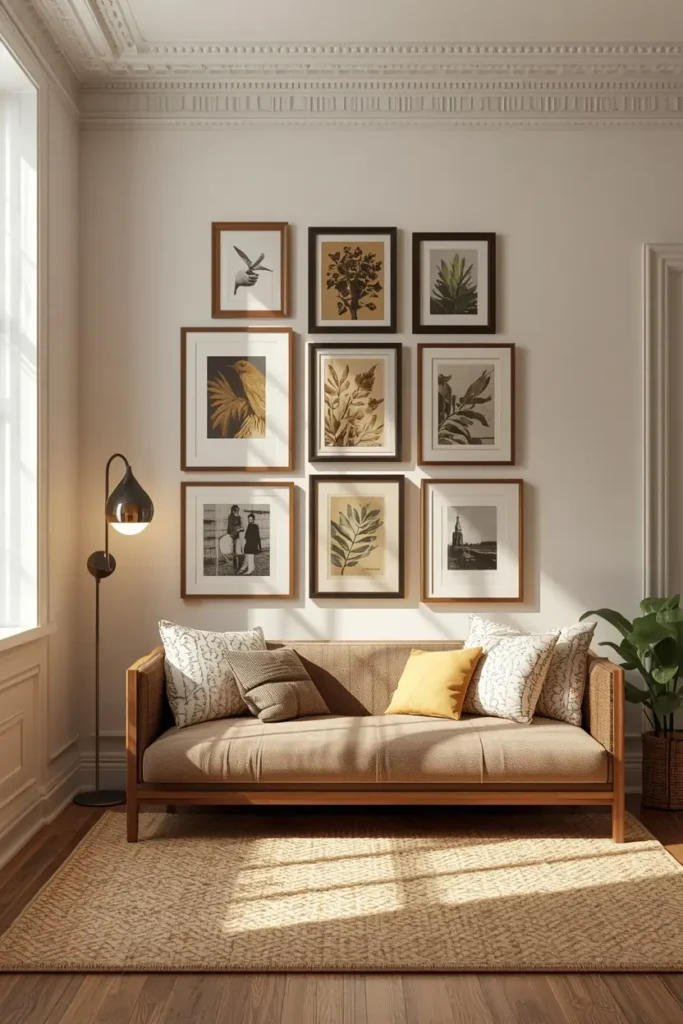
When floor space runs out, a maximalist gallery wall can keep growing upward, extending frames and shelving all the way to the ceiling instead of stopping at the standard eye-level height most people default to. This vertical approach draws the eye up and creates an illusion of a taller room, which is especially valuable in a small apartment where every trick to add perceived height matters. Mixing frame sizes, finishes, and orientations, rather than a uniform grid, keeps the wall feeling collected over time instead of ordered from a single catalog. This idea works well above a sofa, a bed, or a narrow hallway wall, anywhere a small footprint needs to do a lot of visual work.
3. Overlapping Patterned Rugs as Zone Markers
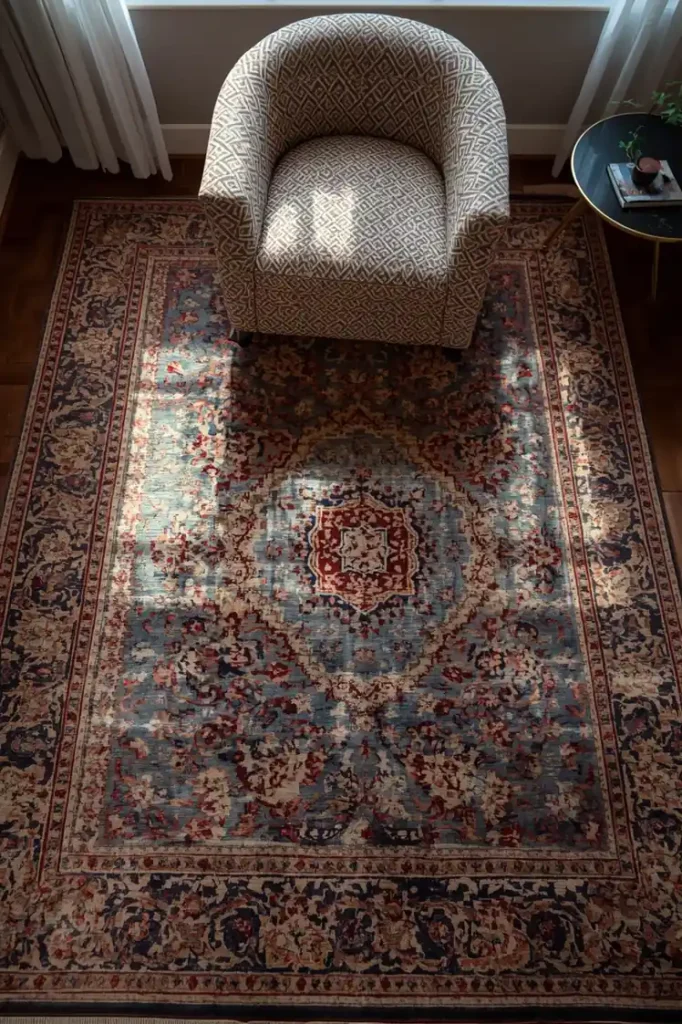
Layering two boldly patterned rugs so they just overlap at the edges creates a visual zone marker that defines a seating area or reading nook without needing an actual room divider or wall, which matters enormously in a studio or open-plan small apartment. Choosing two rugs with different patterns but at least one shared color keeps the layered look feeling intentional rather than mismatched. This technique also adds real textural depth underfoot, since the overlap creates a slightly raised, layered edge that a single flat rug can’t achieve. This idea is one of the most effective spatial-zoning tricks available to a small-space maximalist, since it works entirely through placement rather than furniture or construction.
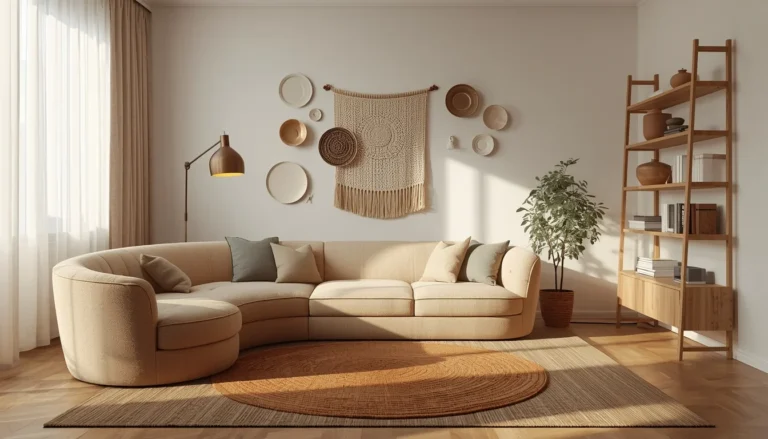
4. Curved Statement Sofa With a Strong Silhouette
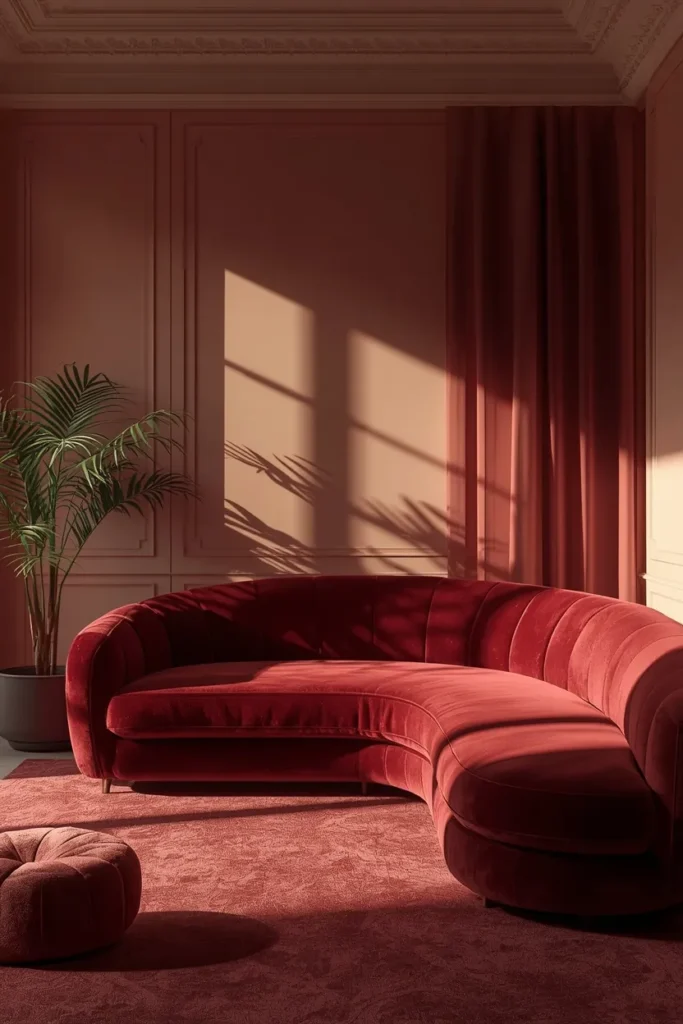
Choosing one substantial, sculptural piece, like a curved velvet loveseat or sofa, over several smaller “filler” furniture pieces gives a small living room real architectural presence without requiring more actual square footage. A strong silhouette does more visual work in a maximalist room than sheer quantity of furniture, since one striking curved shape reads as a design statement while several plain rectangular pieces just read as furniture. Choosing the sofa in a rich, saturated color, like mustard, burgundy, or teal, rather than a neutral tone, lets it double as the room’s main color anchor. This idea proves that maximalism in a small space often means choosing fewer, bolder pieces rather than packing in more furniture overall.
5. Three-Scale Pattern Mixing on One Wall or Vignette
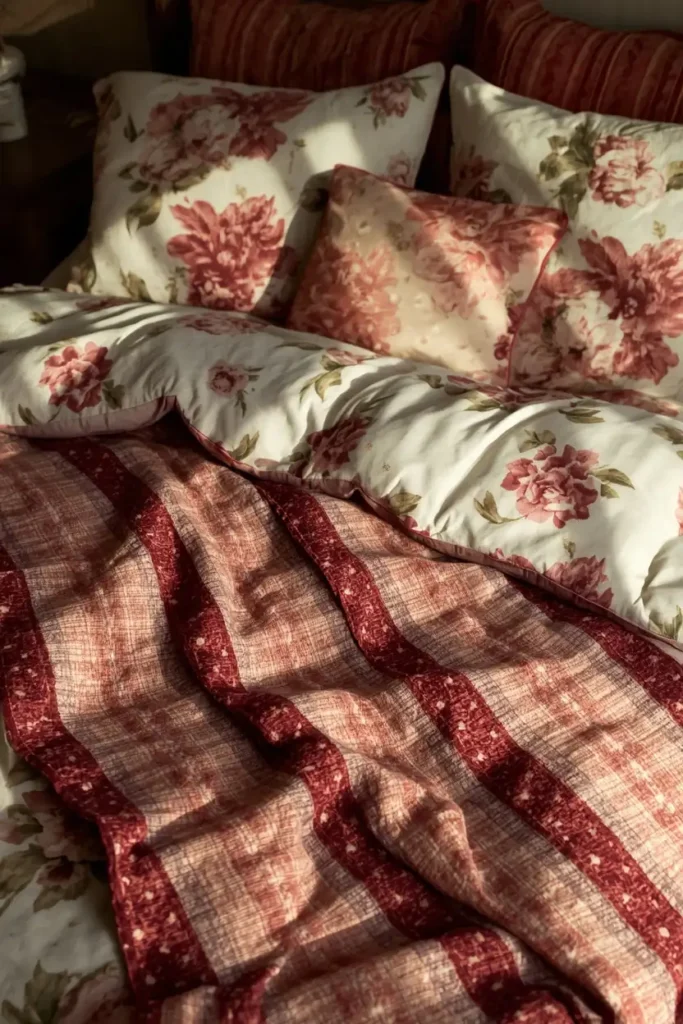
Combining a large-scale pattern, like an oversized floral, with a medium-scale pattern, like a wide stripe, and a small-scale pattern, like a polka dot or tiny check, creates the kind of layered pattern mixing that reads as expert rather than accidental, as long as all three share at least one common color. This scale-based rule is one of the most reliable tools in maximalist design, since it gives even a beginner a clear framework instead of guessing at what “goes together.” Applying this rule to a single vignette first, like a bed with a patterned duvet, a striped throw, and a small-print pillow, is an easier starting point than attempting it across an entire room at once. This idea directly answers one of the most common questions about maximalist design: how to combine multiple patterns without the result looking chaotic.
6. Global and Modern Decor Mixed Together
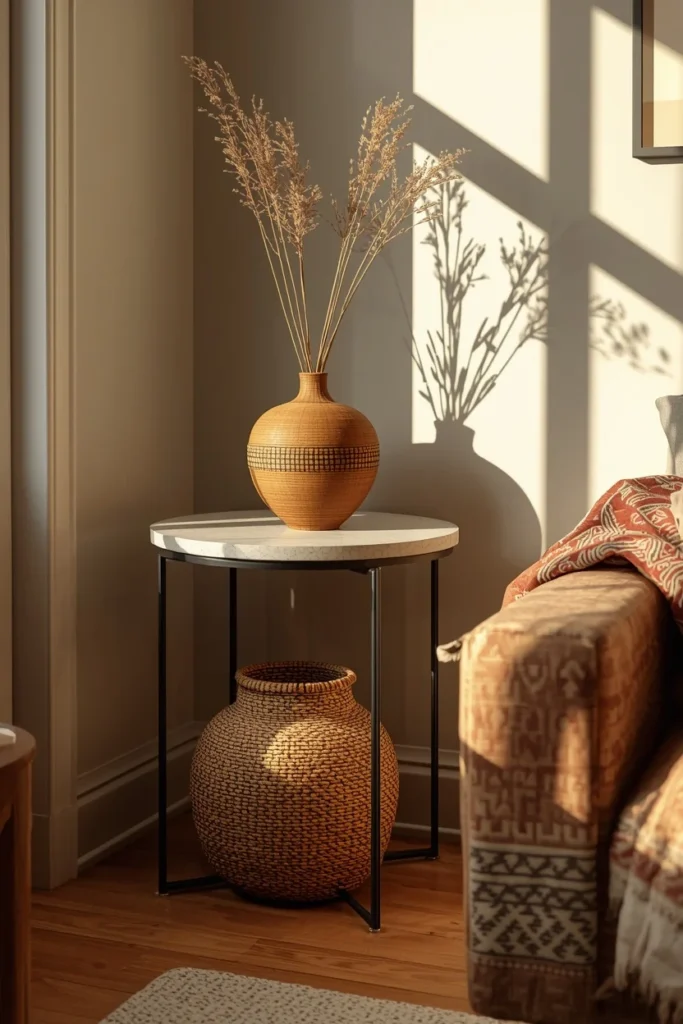
Pairing a sleek, modern sofa or table with handcrafted, globally-sourced decor, like a woven basket, a hand-thrown ceramic vase, or a block-printed textile, creates the contrast that gives maximalism its sense of depth and personal story. This mixing approach reflects a genuine shift toward personalization in small-space decorating, where a room’s collected pieces say something about where someone has been or what they value, rather than looking like a single matched furniture set. Keeping a consistent color thread running through the mixed pieces, even when their origins and materials differ widely, prevents the combination from feeling random. This idea works particularly well for anyone who already owns travel souvenirs or family heirlooms and wants a way to display them meaningfully rather than tucking them away.
7. Curated Bookshelf Styling With Height Variation
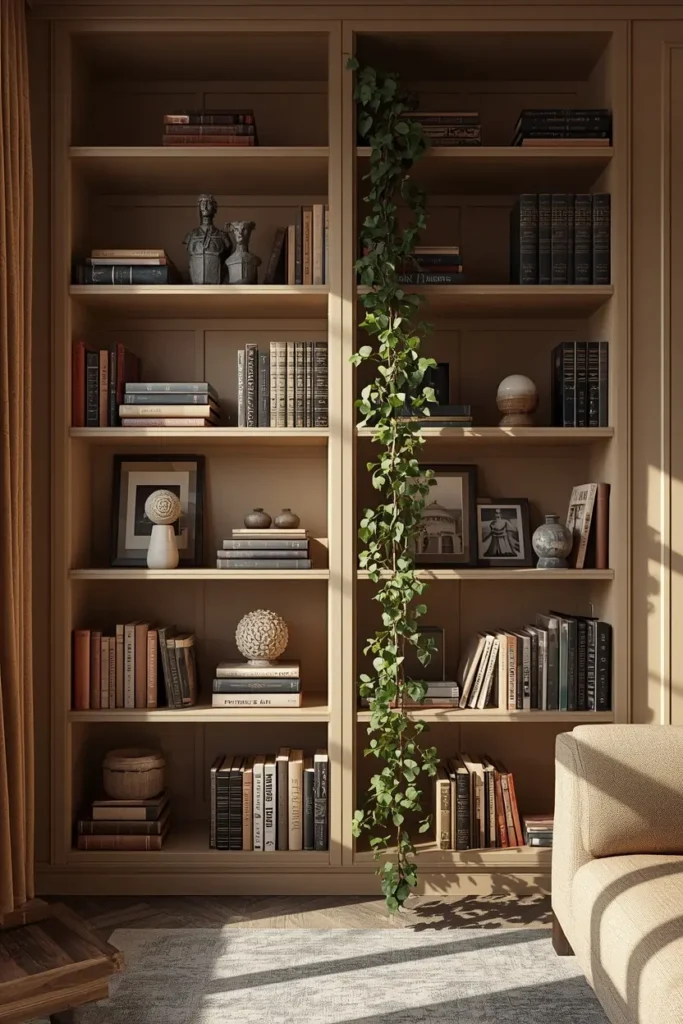
Styling open shelving with a deliberate mix of books stacked both vertically and horizontally, small sculptural objects, framed photos, and a trailing faux plant creates the “dazzling display” effect that defines great maximalist shelf styling, rather than shelves that just hold whatever needed storage. Varying the height and depth of items across the shelves, rather than lining everything up flush and even, keeps the eye moving and gives the display a sense of having been collected over time. Grouping items in odd numbers within each shelf section, similar to any well-styled vignette, adds balance even within an intentionally busy display. This idea turns a purely functional piece of furniture into one of the room’s richest maximalist focal points.
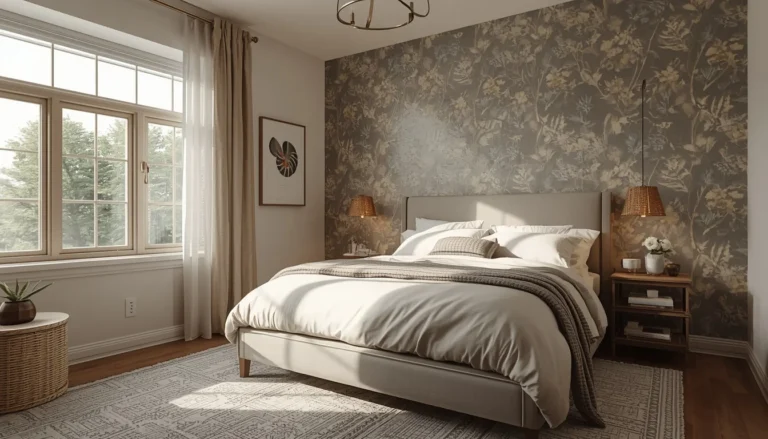
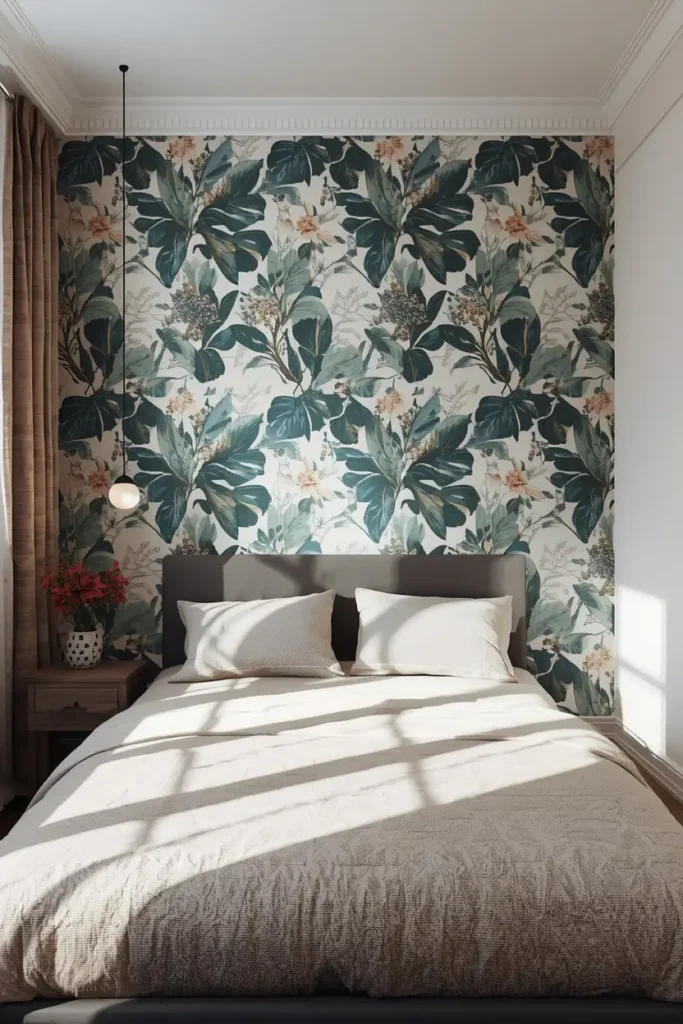
8. Peel-and-Stick Wallpaper Accent Wall
A bold, removable peel-and-stick wallpaper, in a pattern like a large botanical print or a graphic geometric design, gives a renter the same dramatic visual impact as a painted or papered accent wall without violating a lease agreement. Choosing one wall rather than the whole room keeps the investment and installation time manageable while still delivering a genuine maximalist focal point. This approach works especially well behind a bed or sofa, where the pattern reads clearly without being interrupted by furniture or doorways. Because it’s fully removable, this idea also gives anyone still developing their maximalist style room to change their mind without any long-term consequence.
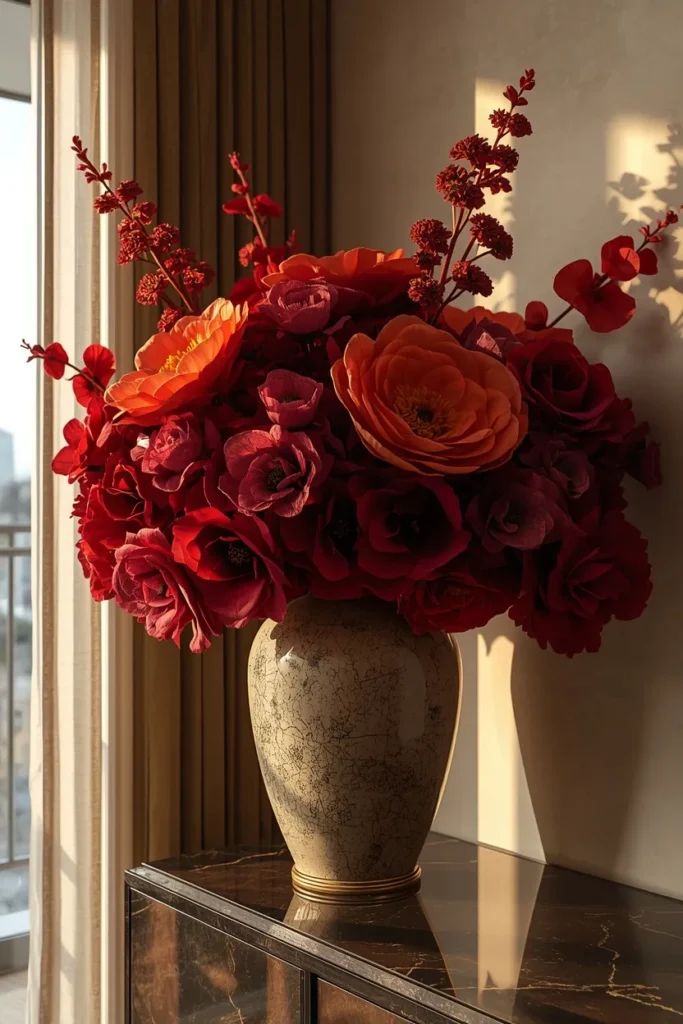
9. Layered Faux Floral Arrangement in an Oversized Vase
A large-scale faux floral arrangement, using bigger stems and a substantial vase rather than a small, timid bouquet, brings real maximalist drama to a room without requiring fresh flower upkeep or much floor space. Choosing stems in saturated, unexpected colors, rather than the muted neutral tones often found in minimalist styling, keeps the arrangement feeling bold and intentional. Placing the arrangement somewhere with real visual prominence, like a console table near the entry or beside the sofa, ensures it functions as a genuine statement piece rather than an afterthought. This idea is one of the lowest-maintenance ways to add both scale and color to a small maximalist space.
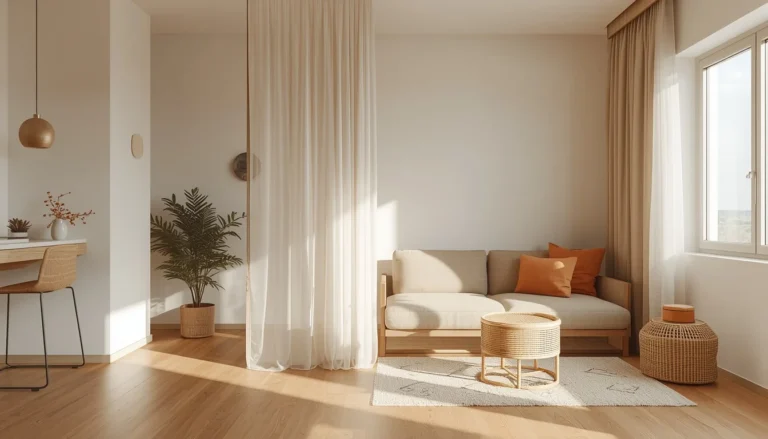
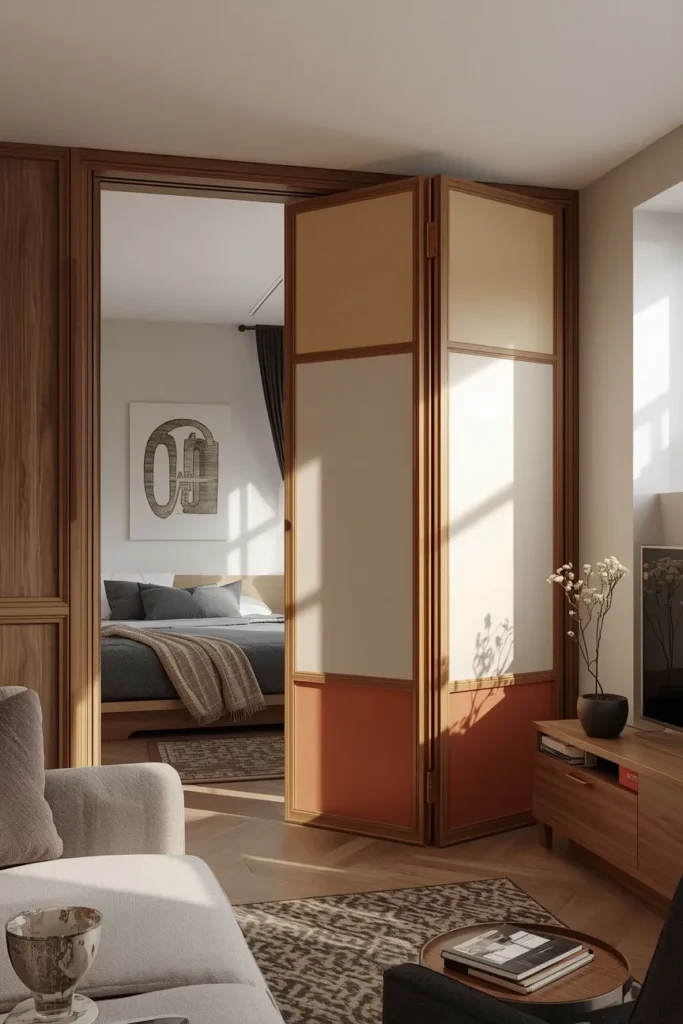
10. Decorative Screen as a Flexible Room Divider
A folding decorative screen, whether painted, upholstered, or featuring a bold printed pattern, divides a studio apartment’s sleeping and living areas while still allowing light to pass through, unlike a solid wall or heavy curtain. Choosing a screen with an eye-catching pattern or finish turns a purely functional divider into another maximalist decor moment rather than a plain, forgettable object. Because the screen is freestanding, it requires no installation or lease modification, making it one of the most practical zoning tools available to a small-space renter. This idea works particularly well in a studio layout, where visually separating “bedroom” from “living room” does a lot to make the space feel like it has more than one room.
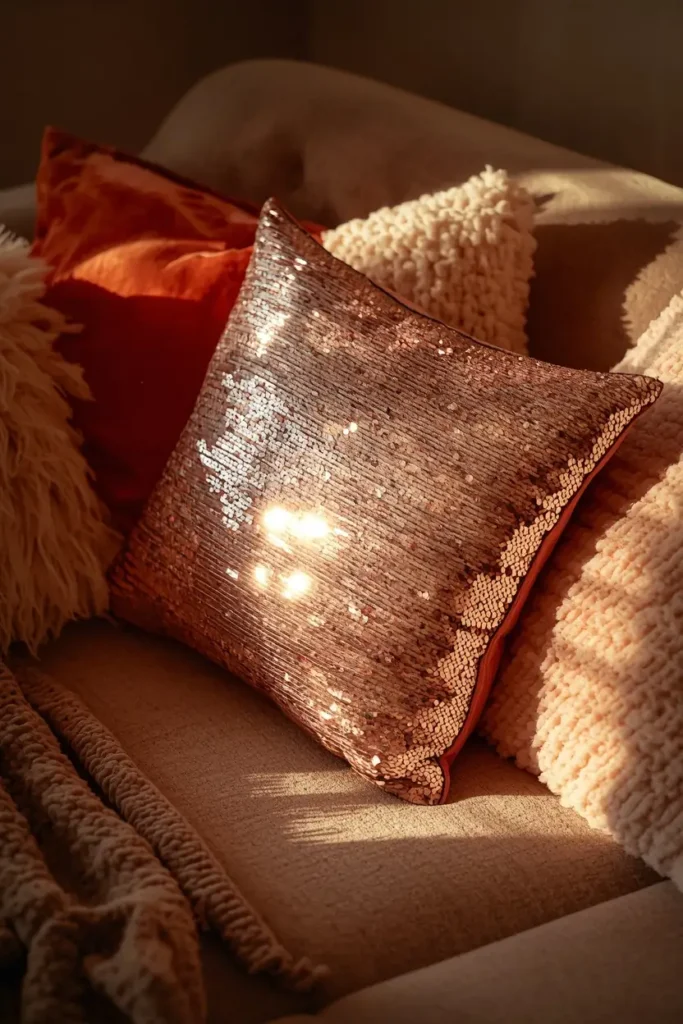
11. Disco-Ball Pillow or Sparkly Textural Accent
A single decorative pillow with a sequined, mirrored, or otherwise sparkly finish adds a genuinely playful, almost literal “fairy explosion” moment to a room, catching and scattering light in a way no matte fabric can. This kind of unexpected, joyful texture is exactly what separates “playful maximalism” from a more serious, moody version of the style, and it costs very little relative to its visual impact. Placing the sparkly accent among otherwise soft, matte textures, like velvet or bouclé, makes its shimmer stand out even more by contrast. This idea is a good reminder that maximalism doesn’t have to be entirely serious or sophisticated; a little genuine fun is part of what makes the style feel personal.
12. Bold Geometric Pattern as a Cohesive Anchor
Introducing one strong geometric pattern, through a rug, an accent wall, or a set of throw pillows, gives a maximalist room a sense of clean structure that keeps the visual abundance from tipping into chaos. Because geometric patterns tend to have clear repetition and high contrast, they read as organized even when surrounded by other busier, more organic patterns like florals or paisleys. Choosing the geometric piece in colors that also appear elsewhere in the room ties it into the same repeated color thread that holds the whole space together. This idea works as a genuine anchor for anyone nervous about combining too many organic, busy patterns without a stabilizing structural element.
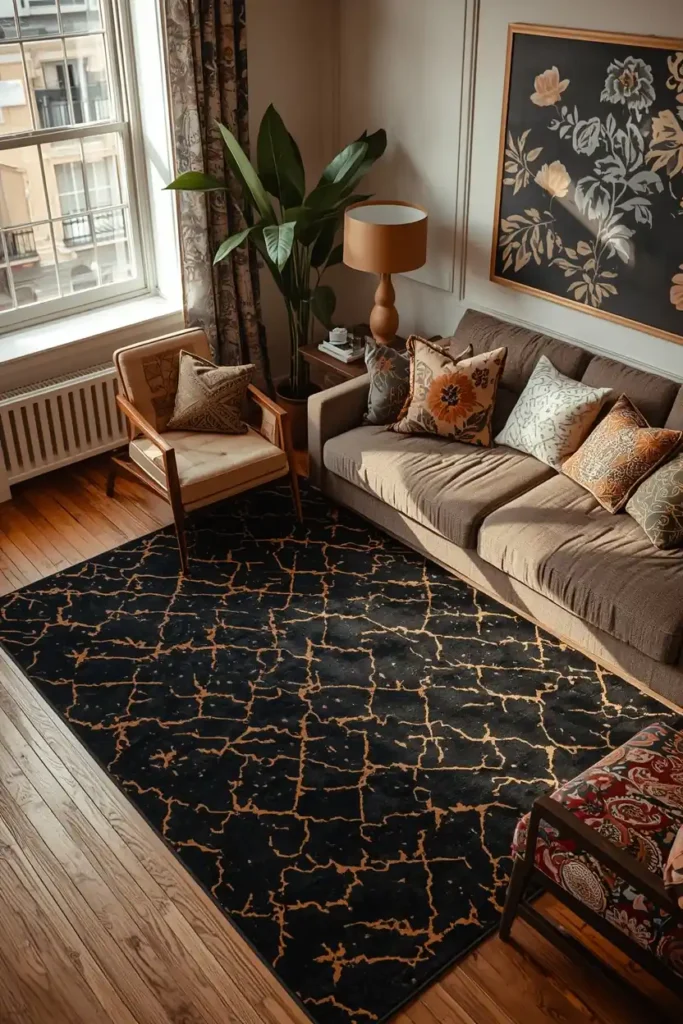
13. Gold and Metallic Accents Threaded Throughout
Repeating a single metallic finish, like brass or gold, across several small objects, picture frames, a lamp base, drawer pulls, and a decorative tray, ties a maximalist room together even when the surrounding colors and patterns vary widely from piece to piece. This repetition works the same way a repeated color does, giving the eye a consistent thread to follow through an otherwise visually busy room. Choosing warm metallics over cool-toned silver or chrome tends to read as slightly more playful and inviting, matching the warmer, richer palette common in maximalist design. This idea is one of the easiest, lowest-cost ways to unify a room that already has a lot of individual pieces but feels slightly disjointed.
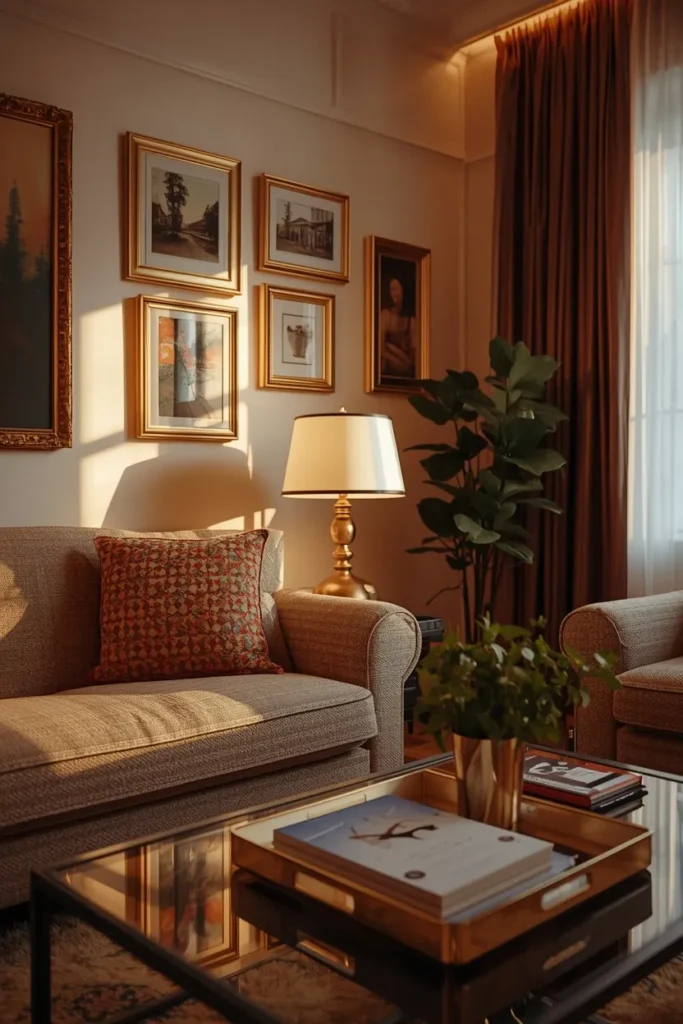
14. Curated Collection Displayed With Intention
Grouping a personal collection, like vintage figurines, travel postcards, or small ceramics, on a single shelf or shadow box rather than scattering the pieces individually around the apartment gives even a quirky, sentimental collection real visual weight and cohesion. Choosing a consistent display method, like matching small stands or a unified frame style, elevates the collection from “stuff on a shelf” to an intentional curated display. This idea directly supports the core maximalist principle that abundance needs structure, since even a beloved, meaningful collection can look cluttered without a clear presentation. This is also one of the most personal ideas on the list, since the actual items will differ for everyone but the display principle stays the same.
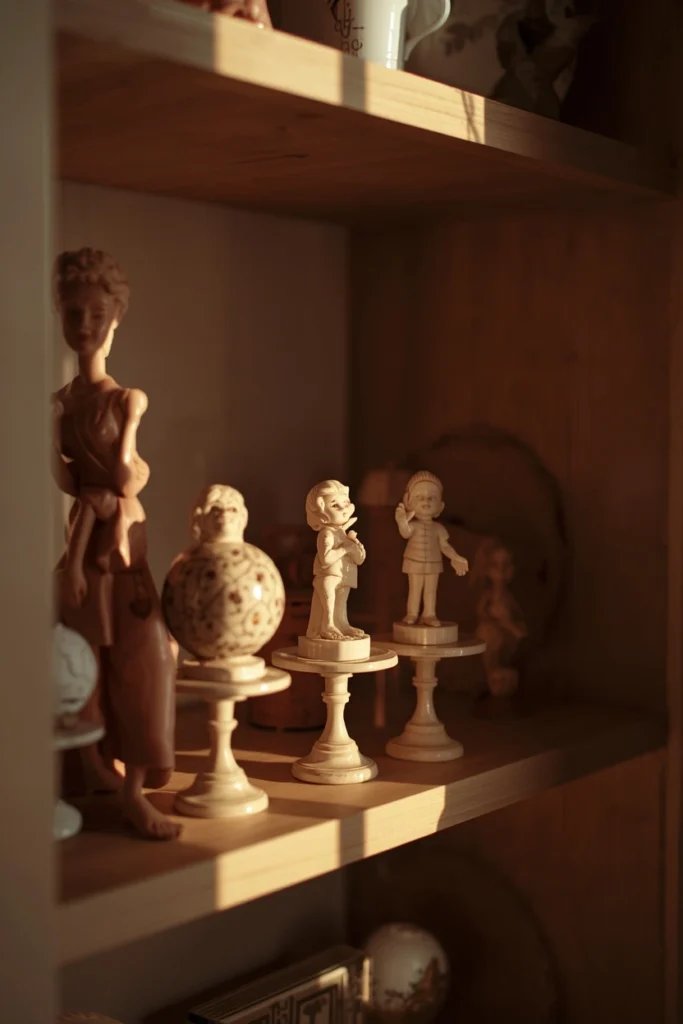
15. Monochromatic Maximalism in a Single Bold Color
For anyone drawn to “more is more” but wary of combining many different colors at once, styling an entire room using varying shades, textures, and patterns of a single bold color, like every tone of pink from blush to fuchsia, or every shade of blue from navy to cerulean, delivers genuine maximalist richness while staying easier to coordinate than a multi-color room. This approach relies heavily on texture, velvet, matte ceramic, glossy lacquer, and woven fiber, to keep the single-color room from feeling flat despite its narrow palette. Adding one small metallic or neutral accent prevents the room from feeling like a paint chip come to life. This idea works particularly well for a first attempt at maximalism, since color coordination becomes almost automatic once everything shares the same hue family.
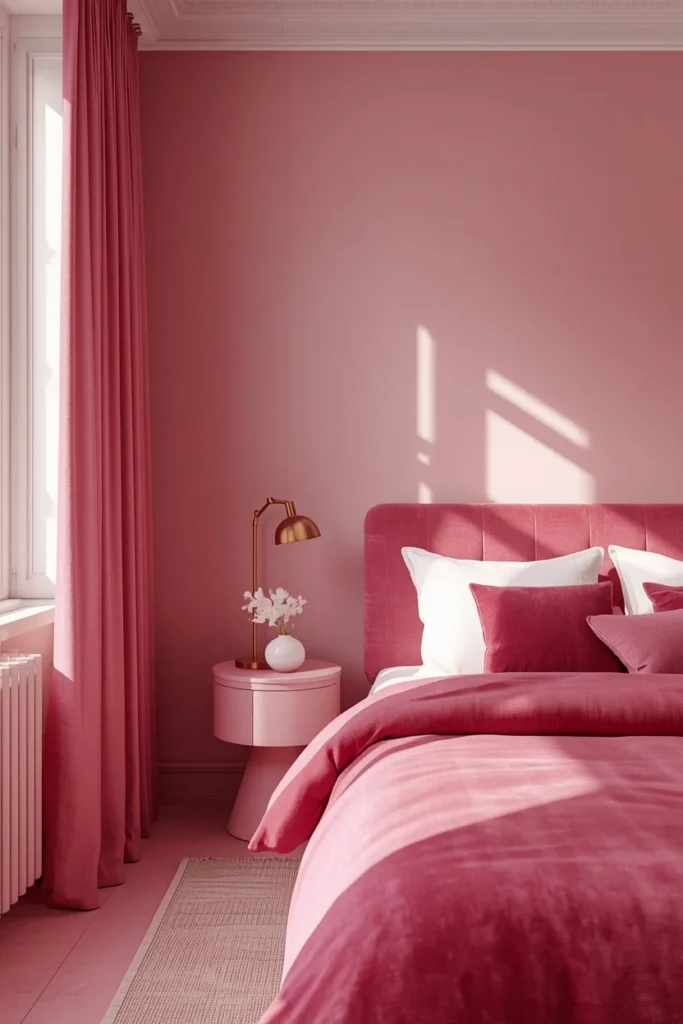
16. Statement Lighting as a Sculptural Focal Point
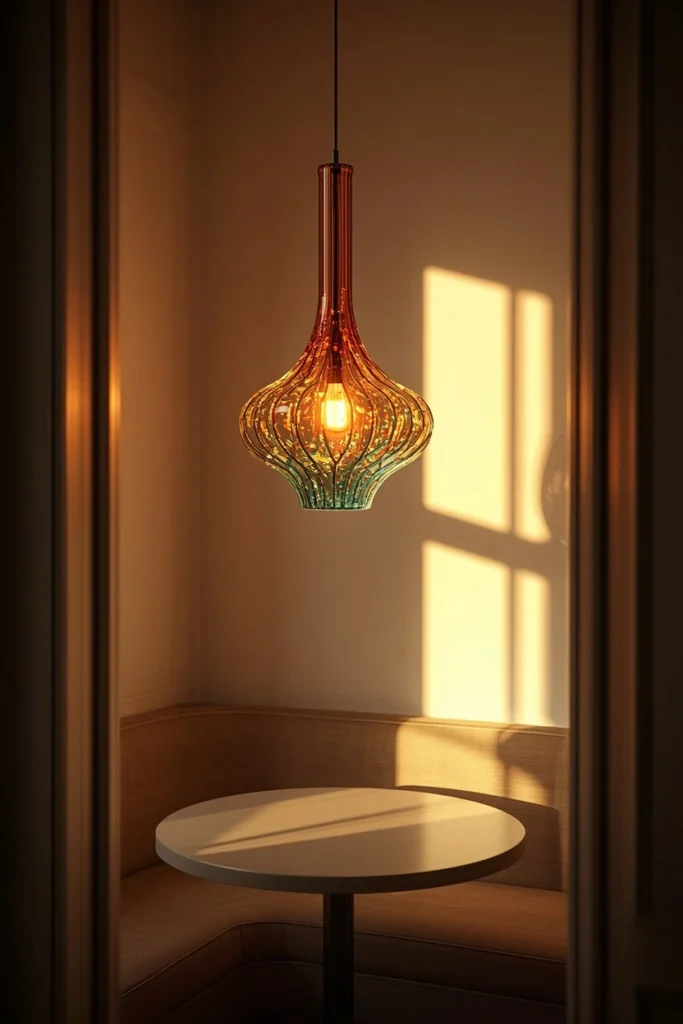
A bold, sculptural light fixture, like a colorful glass pendant or an oversized fringed floor lamp, brings maximalist personality into a room from above or from a corner, doing double duty as both function and art. Because lighting doesn’t compete for floor space the way furniture does, it’s one of the most space-efficient ways to add a genuine statement piece to a small apartment. Choosing a fixture with color, texture, or an unusual shape, rather than a plain neutral option, ensures the lighting contributes to the room’s story rather than fading into the background. This idea works especially well positioned above a dining table or reading nook, anywhere that benefits from both illumination and a strong visual anchor.
17. Layered Curtains in Contrasting Patterns
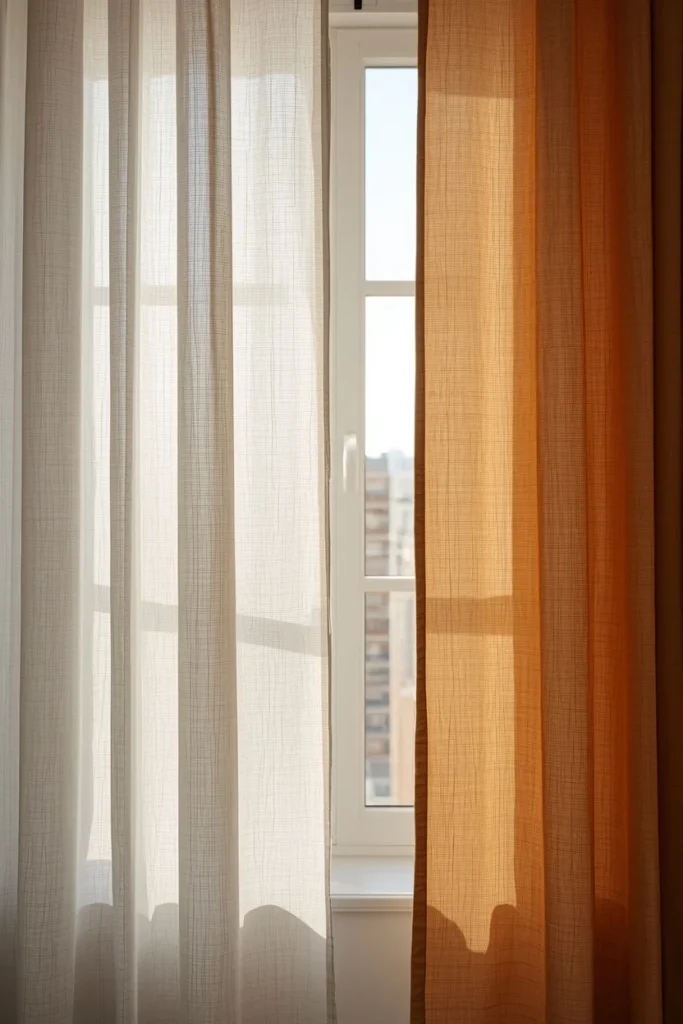
Hanging two curtain panels in different but complementary patterns, one sheer and patterned, one solid and heavier, at the same window adds textural and visual depth to what’s often one of the most overlooked surfaces in a small apartment. This layering technique softens the transition between window and wall while giving an otherwise plain window real maximalist presence. Choosing the two panels in colors that share a common thread with the rest of the room keeps the combination feeling intentional rather than mismatched. This idea works particularly well in a rental, since curtain rods and panels install without any permanent changes to the actual window or wall.
18. Vintage and Contemporary Furniture Mixed in One Room
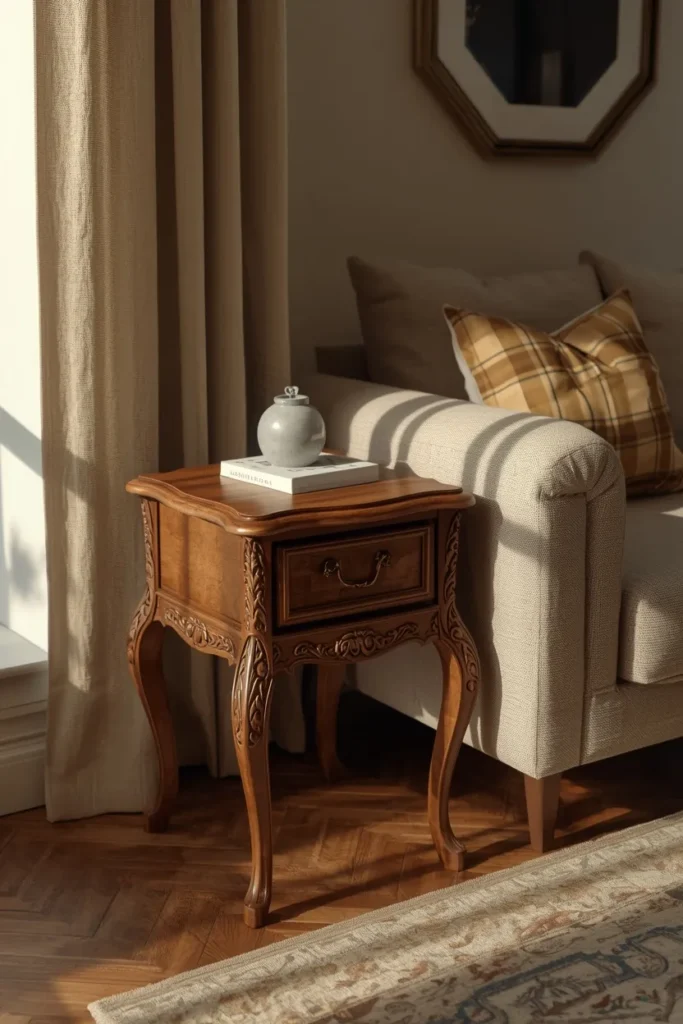
Placing one genuinely vintage or antique furniture piece, like a carved wood side table or an antique mirror, alongside contemporary furniture creates the layered, collected-over-time feeling that defines the best maximalist interiors, as opposed to a room where every piece was purchased from the same single collection. This mixing approach also solves a practical small-apartment problem, since a single well-chosen vintage find often takes up less space than a full matching furniture set while contributing far more personality. Keeping the vintage piece’s color or material connected to something else in the room, like an echoing wood tone or a shared metal finish, prevents it from feeling randomly placed. This idea rewards patient secondhand shopping over one quick furniture store trip, which also tends to be the more budget-friendly path.
19. Bold Wallpapered Ceiling (“Fifth Wall”)
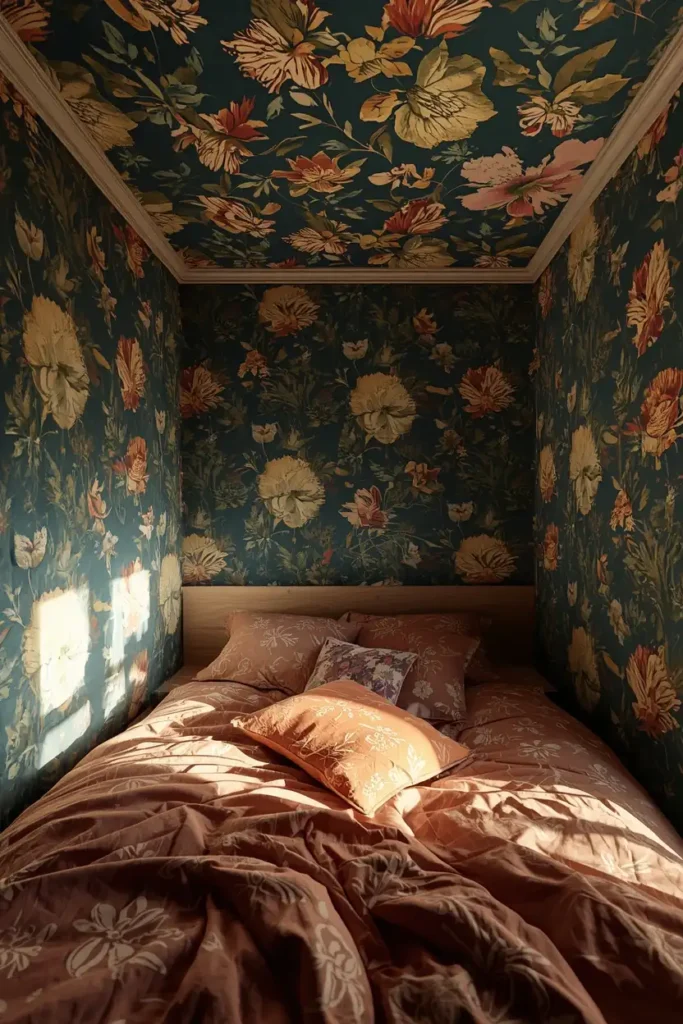
Treating the ceiling as a genuine design surface, with a bold wallpaper pattern or a saturated paint color, rather than leaving it plain white, gives a small apartment an unexpected maximalist moment in a spot most rooms never use. This “fifth wall” approach works particularly well in a small room, since the ceiling is often the one surface not competing with furniture, allowing a bold pattern to read clearly without visual interruption. Choosing a pattern that echoes a color or motif found elsewhere in the room ties the ceiling into the rest of the space rather than making it feel disconnected. This idea is one of the more dramatic, high-impact choices on the list, best suited to someone ready to commit to a bold, permanent design statement.
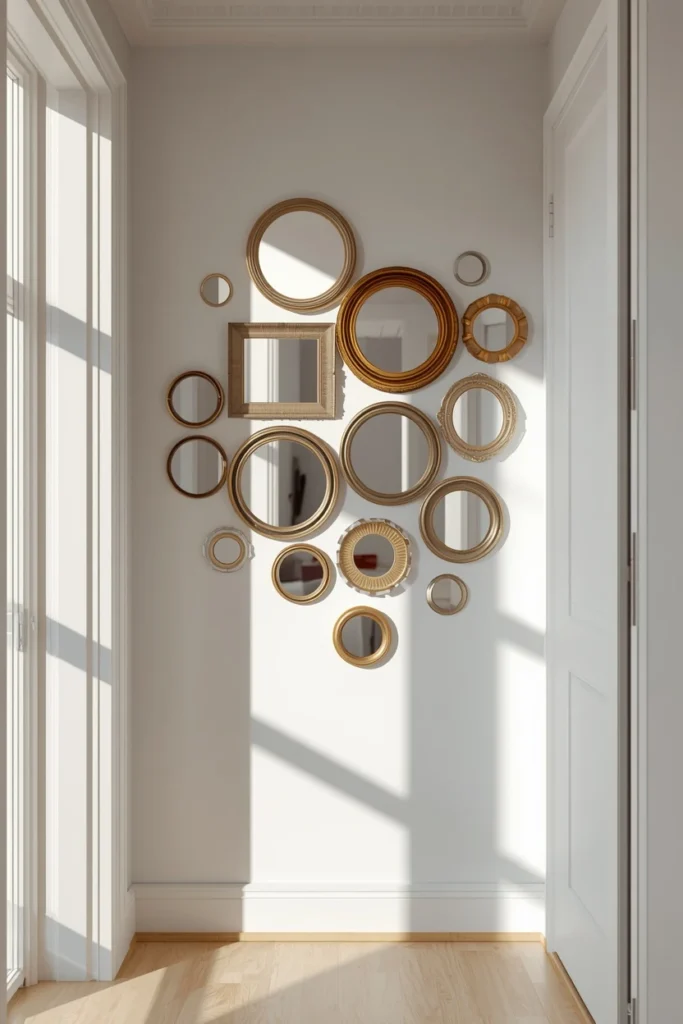
20. Gallery of Small Mirrors for Light and Pattern
A cluster of small mirrors in varying shapes, sunburst, arched, round, arranged together on one wall doubles as both a light-bouncing trick for a small space and a genuine piece of maximalist wall art in its own right. Choosing frames in a mix of finishes, like brass, black, and an occasional colorful lacquer, keeps the grouping feeling collected rather than like a single purchased set. This idea works especially well in a small apartment’s darker corner or narrow hallway, since the reflected light genuinely brightens the space while the varied mirror shapes add pattern-like visual interest. This is one of the more functional ideas on the list, solving a common small-space lighting problem while still delivering real maximalist personality.
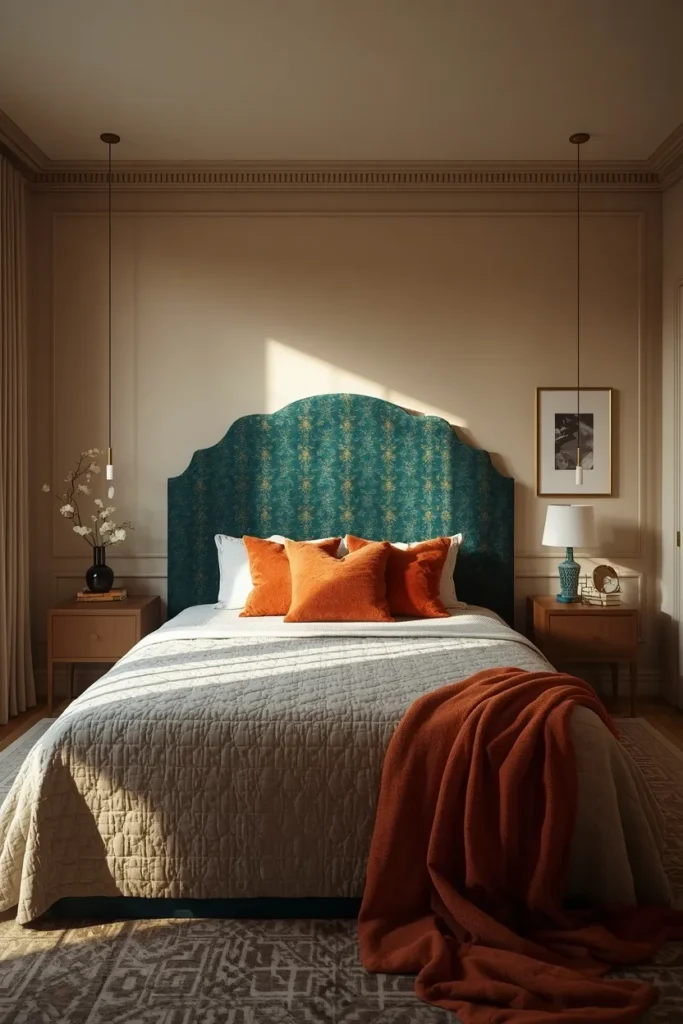
21. Statement Headboard as the Bedroom’s Anchor
In a small bedroom where there’s little room for extra furniture, an oversized, boldly upholstered or patterned headboard becomes the single anchor piece that carries most of the room’s maximalist personality. Choosing a headboard with an interesting silhouette, like a scalloped or arched shape, and a rich pattern or color adds drama without taking up any actual floor space beyond what the bed already occupies. Keeping the surrounding walls and furniture simpler lets the headboard stay the clear visual focal point rather than competing with too many other bold elements. This idea works especially well for a studio apartment, where the bed area often needs to carry a disproportionate share of the room’s overall style.
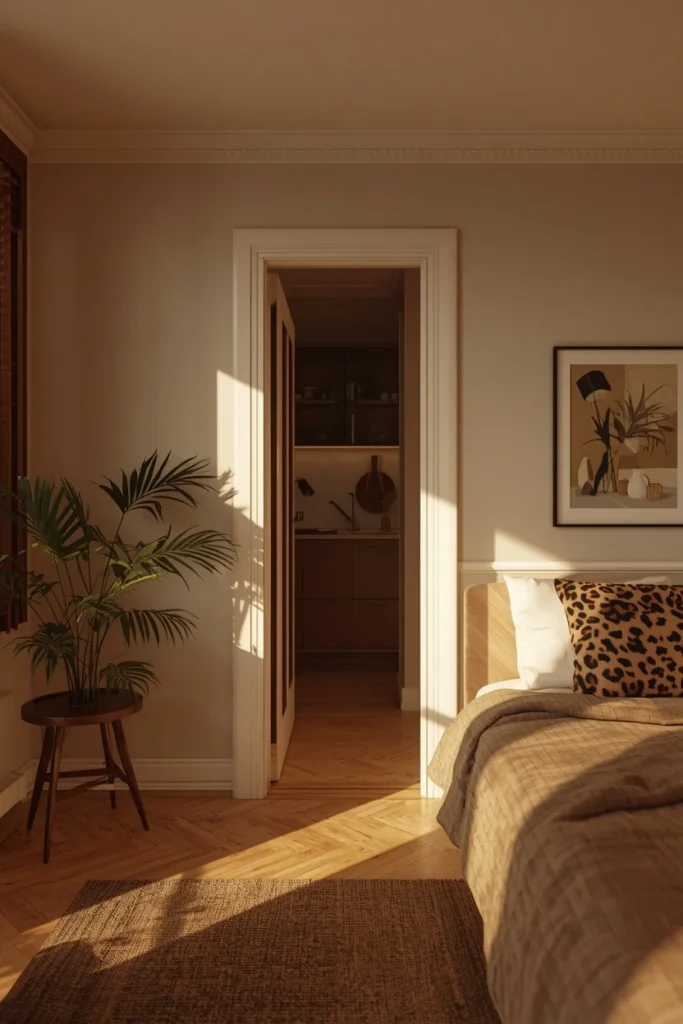
22. Repeating Motif Across Multiple Rooms
Choosing one recurring motif, like a specific animal print, a particular floral, or a distinctive geometric shape, and threading it subtly through more than one room, on a pillow here, a piece of art there, a small object on a shelf elsewhere, creates a sense of narrative continuity throughout an entire small apartment rather than each room feeling like a separate design project. This technique works especially well in an open-plan studio, where rooms visually blend into one another and benefit from a unifying thread more than a fully separated home would. Keeping the motif’s appearances varied in scale and application, rather than repeating the exact same object, prevents the repetition from feeling like matching decor bought in bulk. This idea is one of the more advanced maximalist techniques, since it requires planning across the whole apartment rather than just a single room.
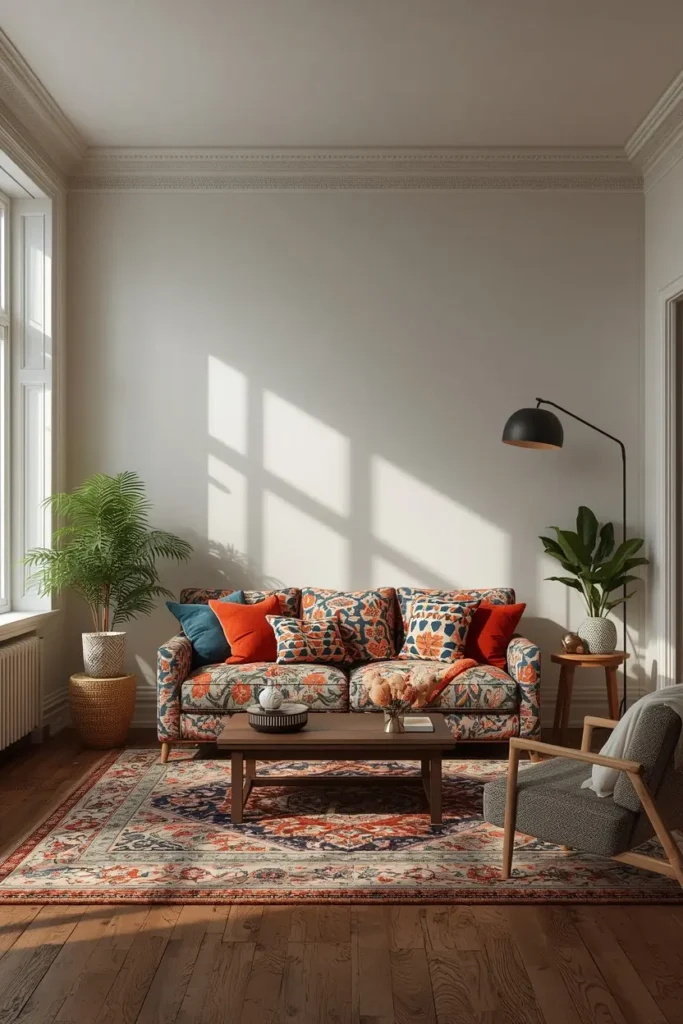
23. Negative Space as an Intentional Design Choice
Even in a maximalist room, leaving a few areas of genuine visual rest, a blank stretch of wall, an empty corner, or one simple, unpatterned surface, keeps the eye from feeling overwhelmed and actually makes the surrounding bold choices read more clearly by contrast. This idea runs counter to the instinct to fill every available inch, but professional maximalist stylists consistently point to negative space as one of the key differences between “curated abundance” and true clutter. Choosing which surfaces to leave empty, like the wall directly behind a particularly busy gallery display, gives the room breathing room exactly where it needs it most. This idea is arguably the most important one on this entire list, since it’s the principle that keeps every other idea here from tipping over into visual overload.
Styling Tips for Small-Space Maximalism
- Choose a repeated color thread, whether a single dominant hue or a metallic finish, and carry it through several different pieces so an eclectic room still feels cohesive.
- Mix pattern scale deliberately: one large-scale print, one medium-scale print, and one small-scale print, all sharing at least one color, read as intentional rather than clashing.
- Use rugs, screens, or shelving to create visual “zones” within an open-plan space instead of letting collections spread randomly across the whole room.
- Leave at least one area of genuine negative space so the eye has somewhere to rest amid all the pattern and color.
Practical Implementation Ideas
- Start with a mood board of colors and textures before buying anything, so new pieces get chosen against a plan rather than picked one at a time with no throughline.
- Layer one area of the room first, like a reading nook with a bold rug, a statement chair, and a small gallery wall, before expanding the approach to the rest of the space.
- Photograph the room periodically while styling it, since a photo often reveals visual imbalance or clutter that’s harder to spot standing inside the actual space.
- Use vertical space, tall shelving, ceiling-height gallery walls, and hanging plants, as soon as floor space starts running out.
Common Mistakes to Avoid
- Adding pattern and color without any repeated thread tying the pieces together, which is what actually creates the “clutter” feeling people fear from maximalism.
- Filling every single surface with no negative space left anywhere, leaving the eye no place to rest.
- Mixing multiple large-scale patterns together without any smaller-scale or solid pieces to balance them.
- Buying decor piece by piece with no overall plan or mood board, resulting in a room that feels random rather than curated.
Small-Space and Renter Alternatives
For strict lease agreements, peel-and-stick wallpaper, oversized area rugs, and freestanding shelving units deliver real maximalist impact without any permanent changes to the apartment’s walls or floors. A decorative folding screen creates zoning in a studio without construction, and it can move to a new apartment just as easily as any other furniture piece. Focusing maximalist expression on textiles, curtains, pillows, throws, and rugs, gives a renter the most flexibility, since these items travel easily between apartments and require zero landlord approval.
Budget-Friendly Alternatives
Thrifted and secondhand furniture often delivers more genuine maximalist character than new pieces, since vintage items already carry the sense of history and story the style depends on. Items collected from family, friends, or travel, rather than purchased specifically for the room, add personal meaning at no additional cost. A single peel-and-stick wallpaper roll applied to just one wall costs far less than papering an entire room while still delivering a strong visual statement. Repeating an existing accent color across a few new, inexpensive accessories, like candles or a small vase, ties a room together without requiring any large furniture purchases.
Pro Styling Recommendations
Designers working in this style consistently point to two things as the real difference between successful maximalism and clutter: a repeated color or material thread running through the room, and enough negative space left for the eye to actually process everything else. Choosing statement furniture with a genuinely strong silhouette, rather than several smaller “filler” pieces, uses limited square footage more efficiently while delivering more visual impact per item. Starting small, with a single nook, a single wall, or a single collection, and expanding gradually tends to produce a more cohesive result than attempting a full-apartment maximalist transformation all at once.
FAQs
Final Thoughts
The apartments that pull off maximalism, the ones that actually feel fun to be in rather than exhausting to look at, aren’t the ones with the most stuff. They’re the ones with a plan running quietly underneath all that color and pattern: a repeated hue, a scale rule for mixing prints, one wall left blank on purpose. Once that structure is in place, a small space can hold as much personality as anyone wants to give it. Pick two or three ideas from this list, build them around one color thread, and let the rest of the apartment grow from there.