20 Sauna & Home Spa Ideas That Turn Your Bathroom Into a Luxury Wellness Retreat
Most bathrooms are built for speed. Brush your teeth, rinse off, get out the door. But a growing number of homeowners are asking a different question: what if the bathroom was somewhere you actually wanted to slow down in?
That shift is showing up everywhere right now, from compact infrared saunas tucked into primary bathrooms to steam showers that turn a five-minute rinse into an actual reset. It isn’t only about square footage or a five-figure remodel. A lot of it comes down to heat, light, texture, and a few deliberate choices about how the room feels rather than just how it functions.
These 20 sauna and home spa ideas range from major additions, like a built-in infrared sauna or a cold plunge tub, to smaller shifts in lighting, materials, and layout that push a regular bathroom closer to retreat territory. Pull from a few, or build toward all of them over time.
- 20 Sauna & Home Spa Ideas
- Styling Tips for a Spa-Inspired Bathroom
- Practical Implementation Ideas
- Common Mistakes to Avoid
- Small-Space Alternatives
- Budget-Friendly Alternatives
- Pro Styling Recommendations
- FAQs
- Conclusion
20 Sauna & Home Spa Ideas
1. Build In a Compact Infrared Sauna
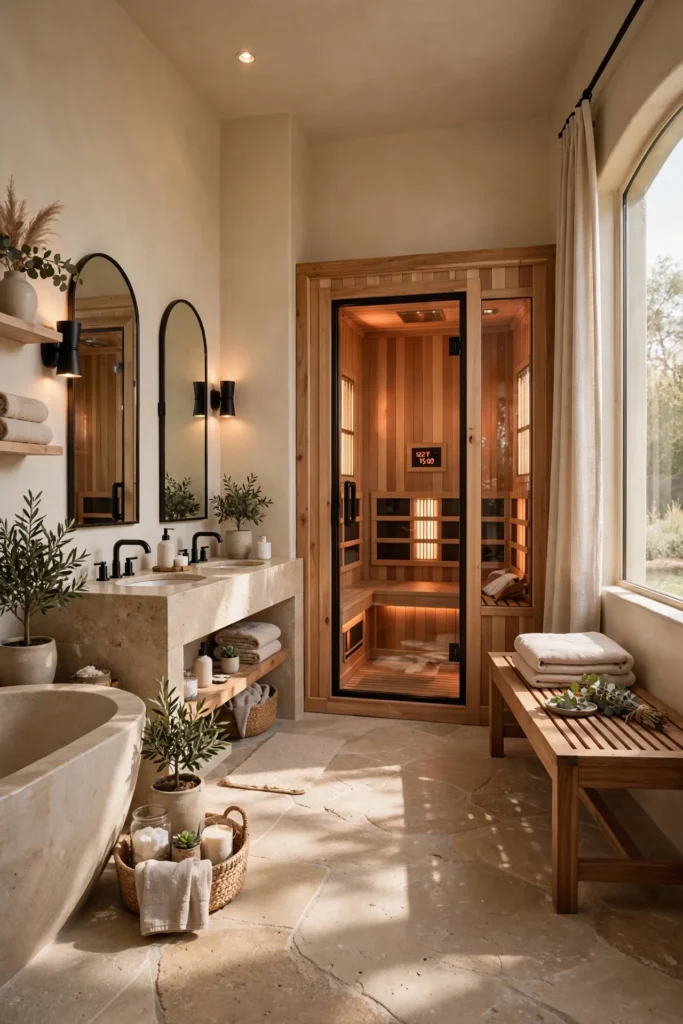
An infrared sauna heats the body directly rather than heating the air around you, which means a unit can be smaller and easier to fit into an existing bathroom footprint than a traditional steam sauna requires. Many primary bathrooms now carve out a dedicated corner for a two-person infrared unit, wired in during a remodel so it reads as part of the room instead of an appliance bolted on afterward. Cleveland Clinic notes that regular sauna use is associated with relaxation and muscle recovery benefits, which gives this addition real function behind the luxury feel. Pair the sauna door finish with your existing cabinetry so it blends into the room’s overall material palette.
2. Convert Your Shower Into a Steam Shower
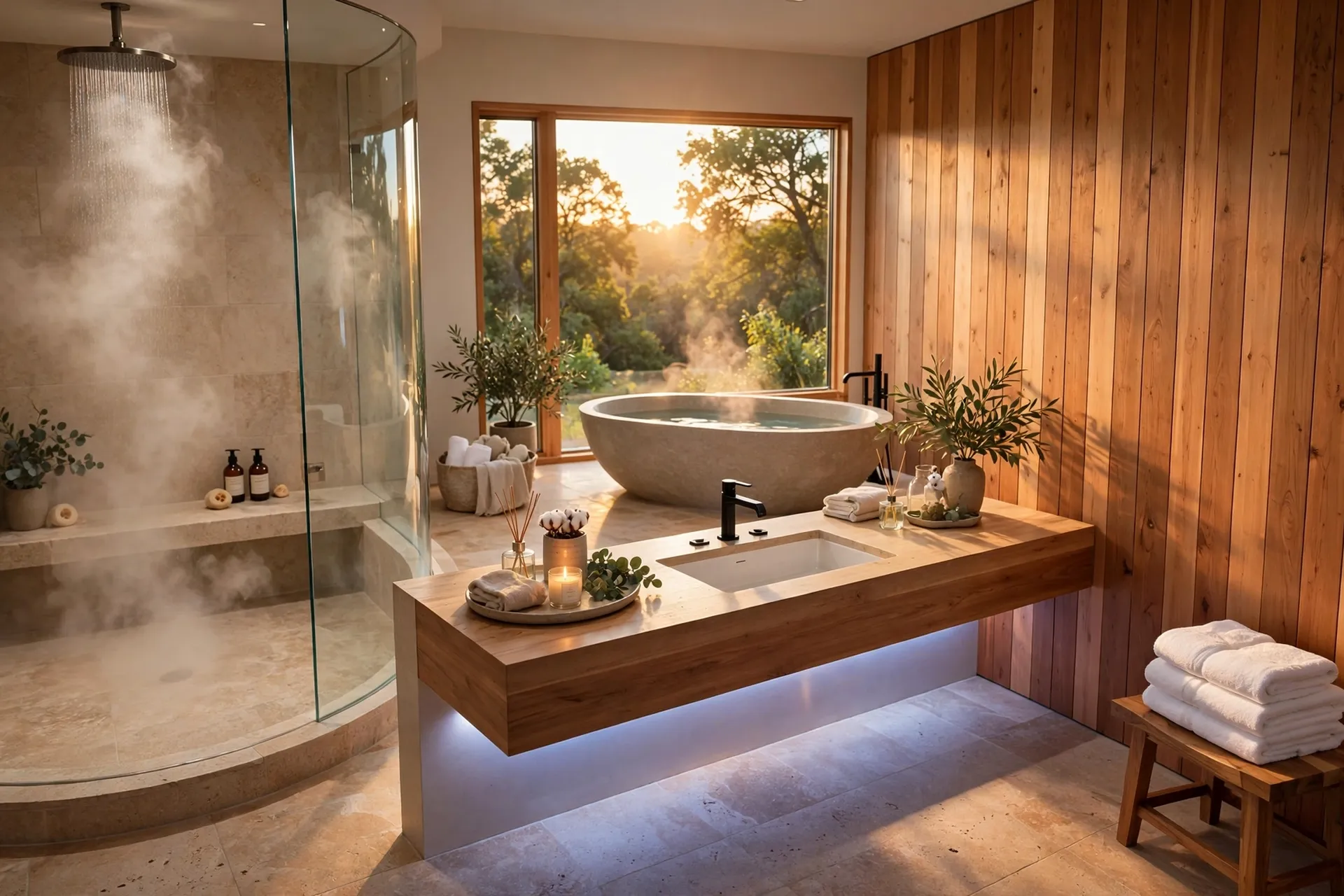
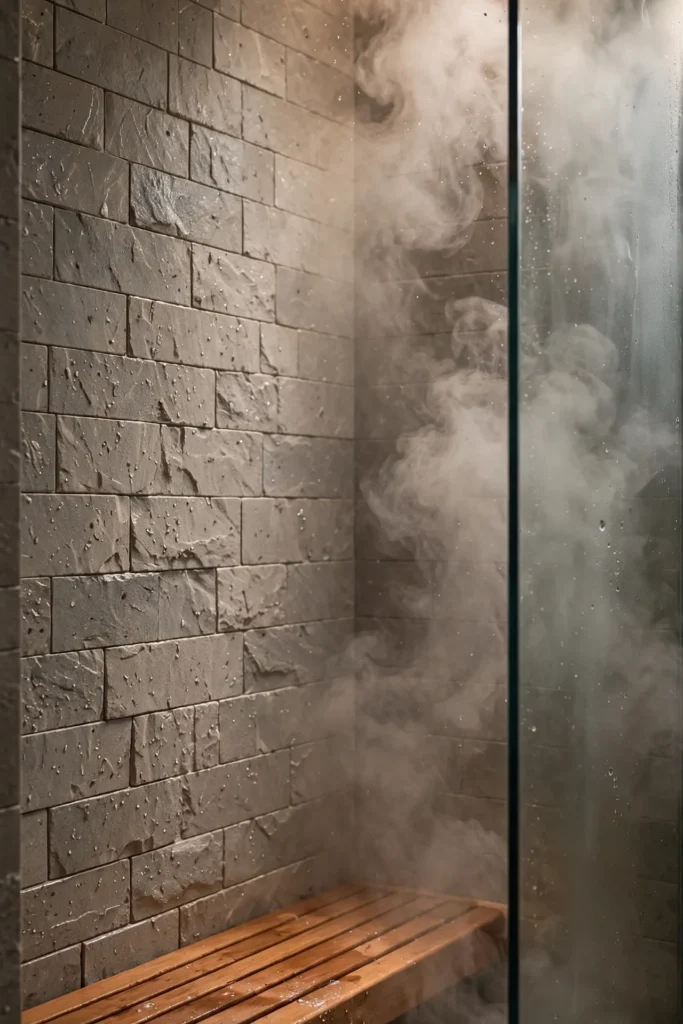
A sealed, enclosed shower fitted with a steam generator turns an everyday rinse into a full steam session, delivering warmth, humidity, and a sense of ritual without leaving the house. This upgrade requires a fully enclosed space, usually with a frameless glass door and a sealed ceiling, so steam stays contained instead of fogging the whole bathroom. A built-in bench inside the steam shower gives you somewhere to sit through a full session, turning what used to be a quick shower into something closer to a spa visit.
Related: 18 Bathroom Tile Ideas That Are Bold Enough to Transform Everything
3. Go Curbless With a Wet Room Layout
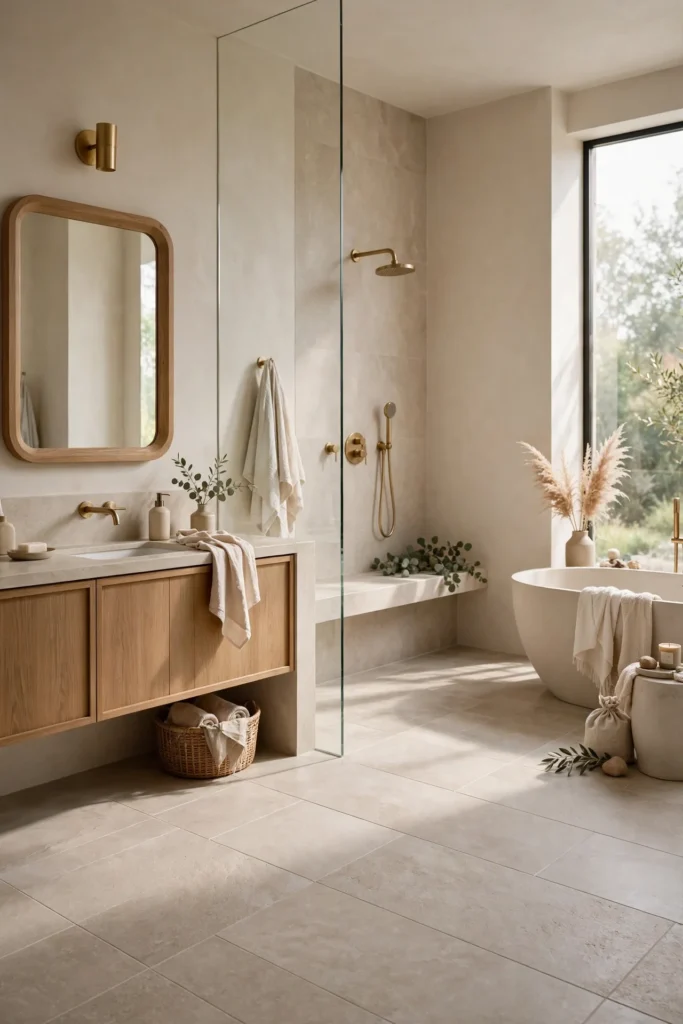
A curbless wet room removes the raised shower threshold entirely, letting the same flooring run continuously from the vanity area into the shower zone. This creates a seamless, open feeling that makes even a mid-size bathroom read as a true retreat rather than a room divided into separate stalls and zones. Because there’s no curb to step over, this layout also works well for aging-in-place planning, giving the spa upgrade a practical long-term benefit alongside the aesthetic one.
4. Add a Cold Plunge Tub for Contrast Therapy
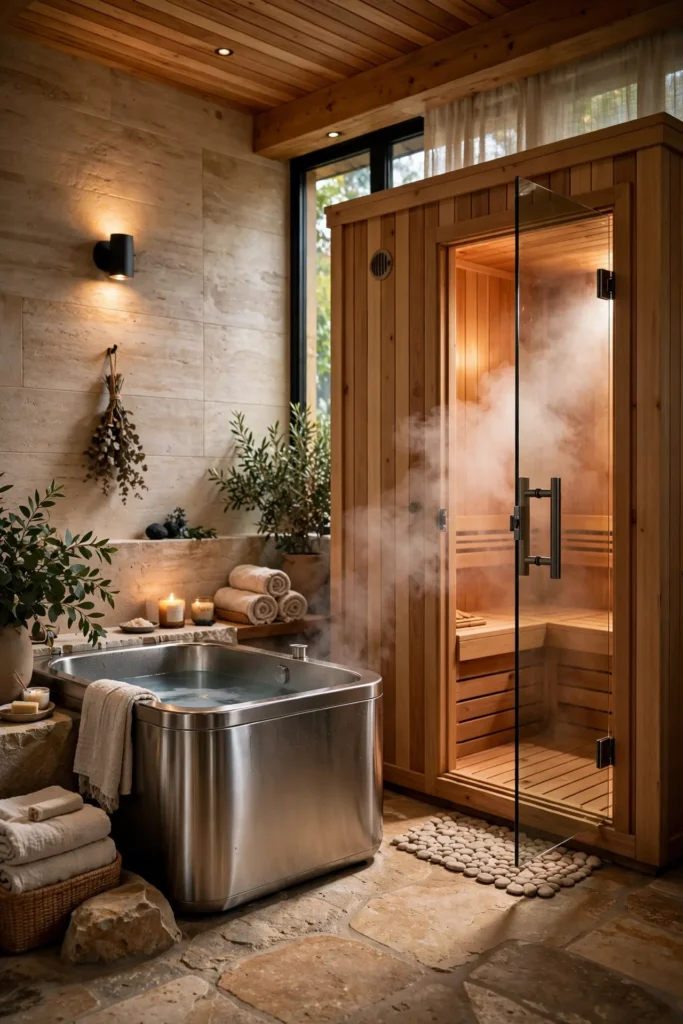
Pairing a small cold plunge tub with a sauna or steam shower brings the contrast therapy trend home, alternating heat exposure with cold immersion in a single wellness routine. Compact plunge tubs are now sized to fit into primary bathrooms and bathroom-adjacent spaces without needing a full pool installation. Positioning the plunge tub within a few steps of the sauna or steam shower keeps the whole contrast routine contained to one part of the house, which makes it far more likely to become a habit rather than a one-time novelty.
5. Install Chromotherapy LED Lighting
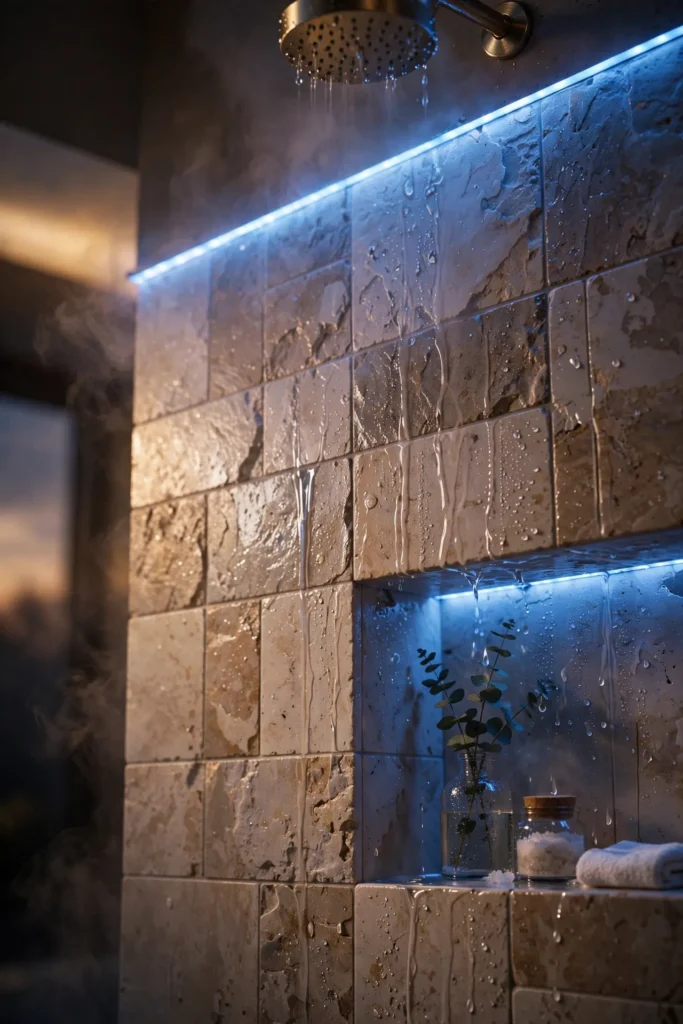
Chromotherapy lighting uses shifting colors, often soft blues, greens, and ambers, integrated into the shower ceiling, niche, or vanity mirror to influence mood during a shower or bath. Many systems now sync with a smartphone app, letting you set a calming blue tone for an evening wind-down or a brighter, energizing tone for a morning routine. This is one of the more affordable additions on this list relative to its visual impact, since it typically layers onto lighting infrastructure that’s already being installed during a remodel.
6. Upgrade to a Rainfall Showerhead With Body Jets
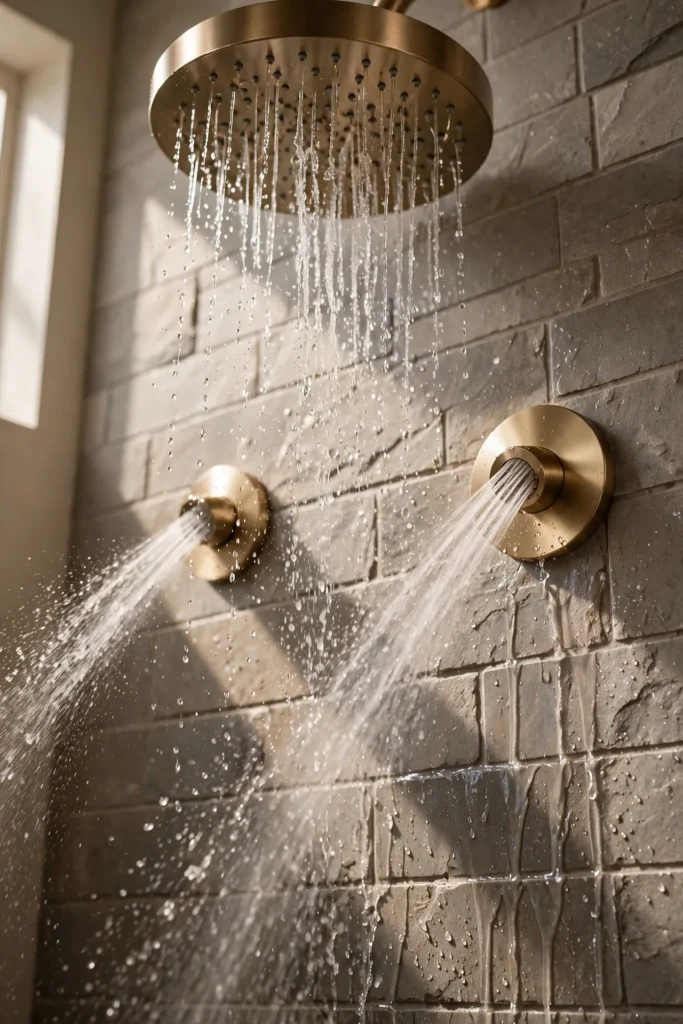
Swapping a standard showerhead for an overhead rainfall fixture, paired with a few wall-mounted body jets at different heights, turns a shower into a full-body hydrotherapy session rather than a single stream of water. This upgrade is one of the more accessible items on this list since it can often be added during a smaller shower renovation without touching the rest of the room. The layered water pressure from multiple jets mimics the multi-directional spray systems found in higher-end spa showers.
7. Add a Heated Towel Warmer
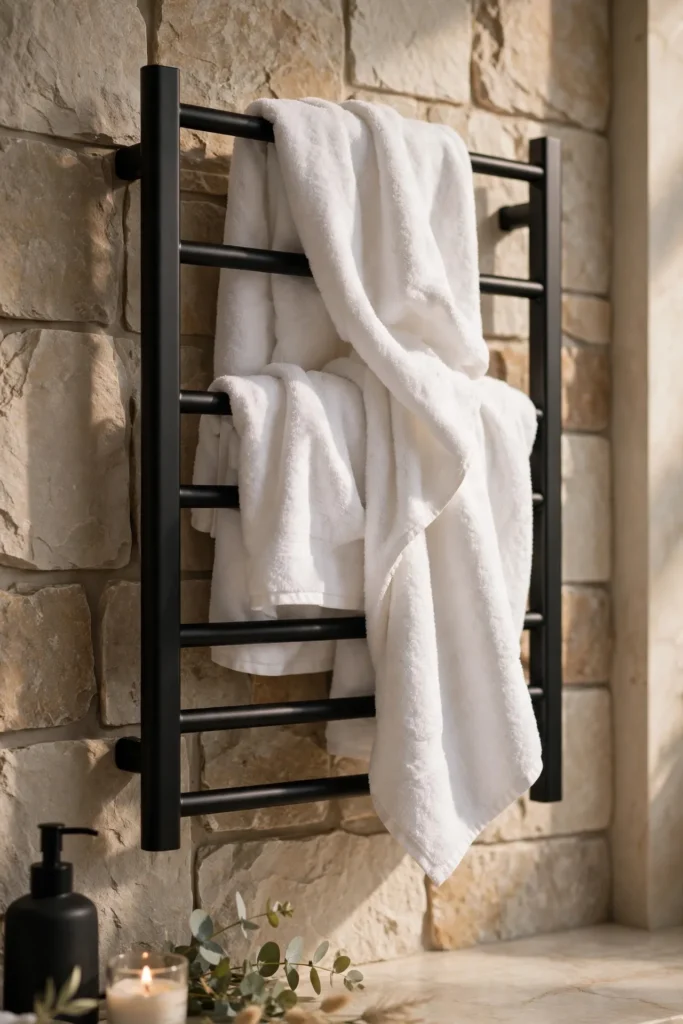
A wall-mounted heated towel rack keeps towels warm and dry between uses, which makes stepping out of a steam shower or sauna feel like the final touch of a spa visit rather than the abrupt end of one. Beyond the comfort factor, a heated rack also helps towels dry faster and stay fresher longer in a humid bathroom, cutting down on musty smells that build up in a room used for steam and heat therapy. Choose a finish, brass, matte black, or brushed nickel, that matches your other bathroom hardware for a cohesive look.
8. Install Radiant Floor Heating
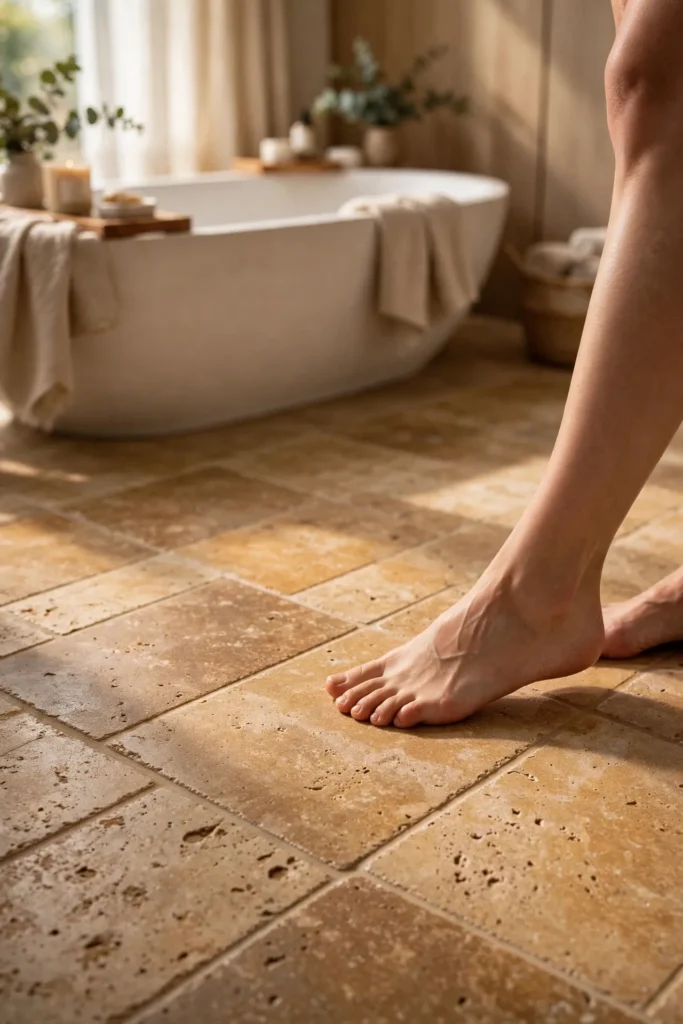
Heated flooring warms the entire room from the ground up, which matters most in the cooler months when a cold tile floor can undercut the whole spa atmosphere the second you step out of the shower. This upgrade works especially well paired with a curbless wet room, since the same heated flooring runs continuously across the shower and vanity zones without a threshold to break the warmth. Most systems run on a programmable thermostat, so the floor can warm up automatically before your usual shower time.
9. Build In an Aromatherapy Diffuser System
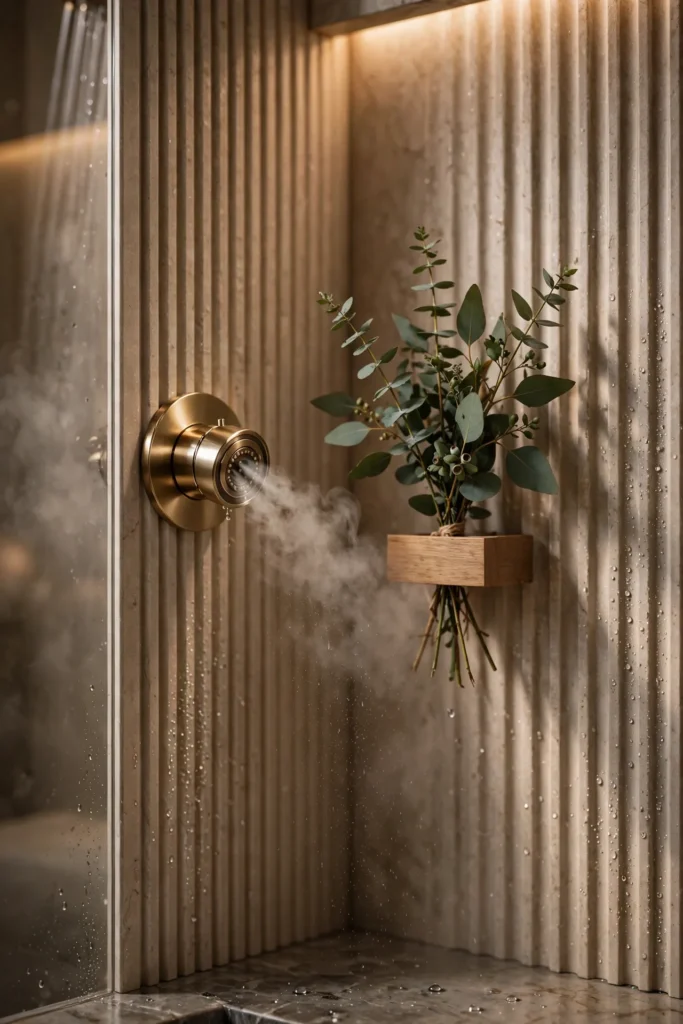
A diffuser system plumbed directly into the steam shower releases essential oils like eucalyptus or lavender into the steam itself, layering scent into the wellness routine instead of relying on a separate candle or reed diffuser nearby. Eucalyptus in particular is a popular choice for steam showers because the scent pairs naturally with the sinus-clearing sensation of warm steam. For bathrooms without a steam feature, a standalone diffuser on the vanity or a nearby shelf delivers a similar sensory layer at a much lower cost.
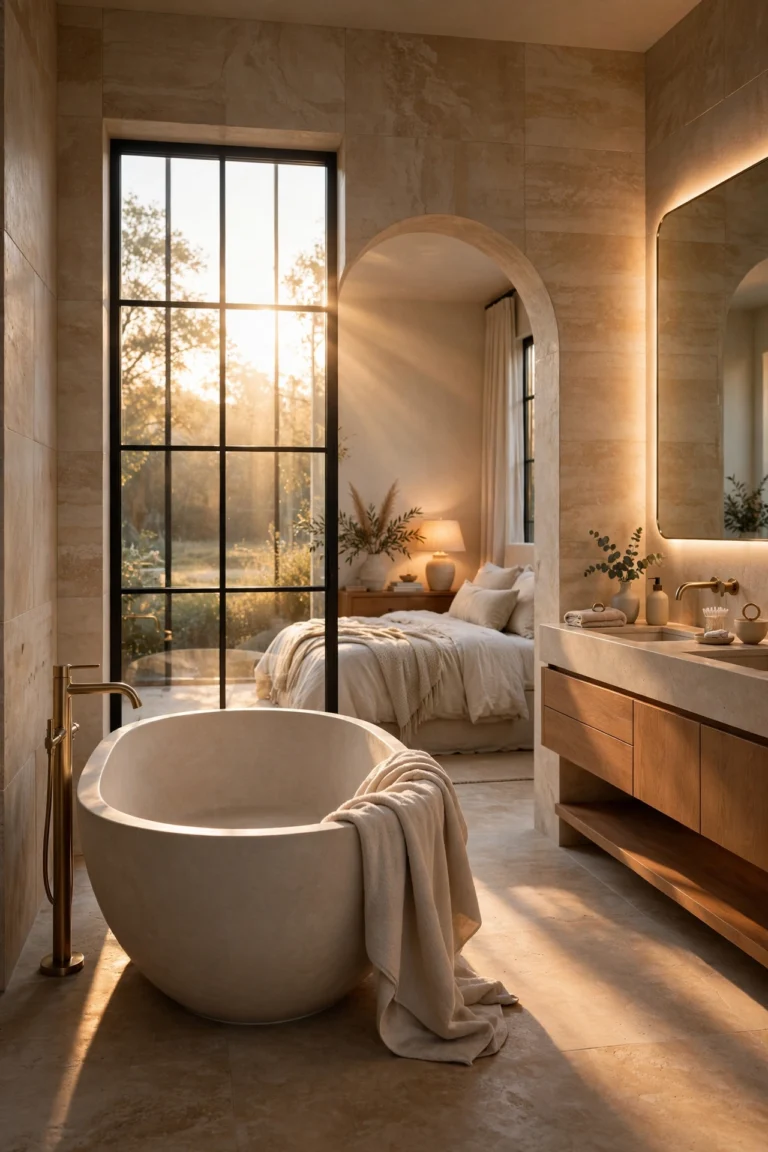
10. Make a Freestanding Soaking Tub the Room’s Focal Point
Even as walk-in showers grow more popular, a freestanding soaking tub remains a strong focal point for anyone who wants the option to fully unwind rather than just rinse off. Positioning the tub near a window, natural stone accent wall, or a piece of art gives it the visual weight of an architectural feature rather than a fixture. A deep soaking design, taller and more contoured than a standard tub, delivers a more immersive bath experience that leans closer to a spa treatment than a quick soak.
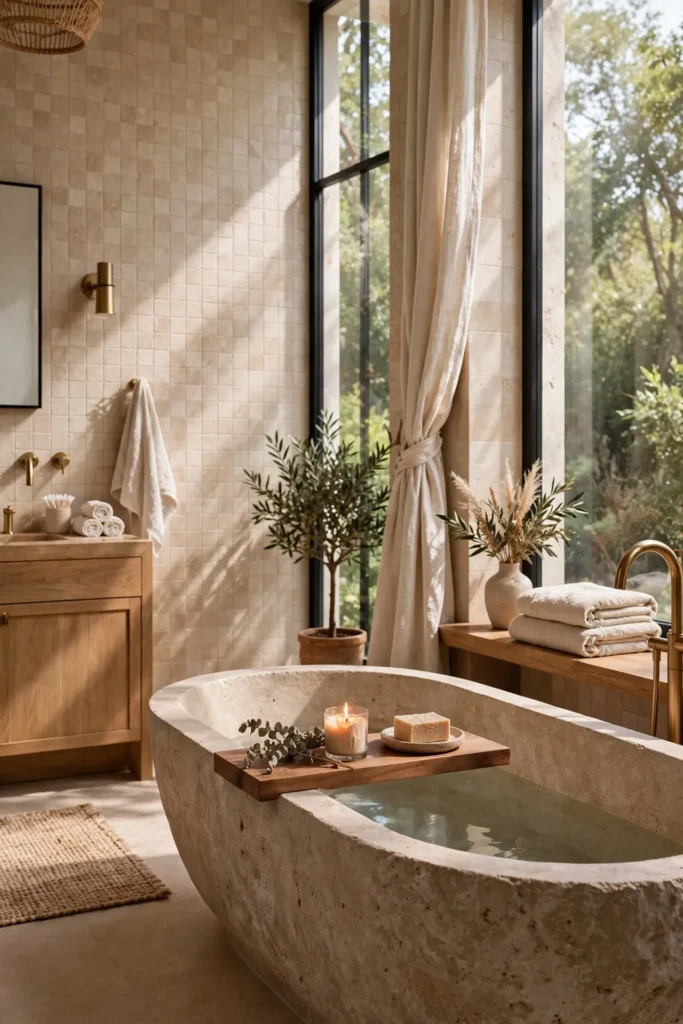
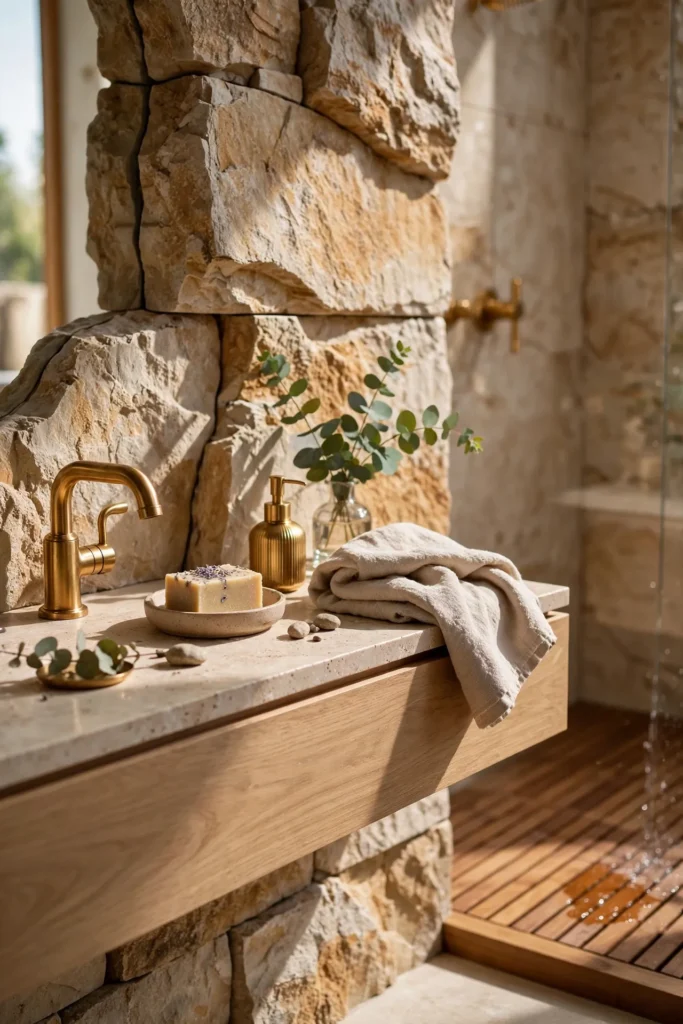
11. Layer In Natural Stone and Teak Wood Accents
Natural materials like stone flooring, teak shower floors, and a stone accent wall bring warmth and texture into a room that’s otherwise dominated by glass, tile, and metal fixtures. These materials reinforce the sense of permanence and luxury that separates a true wellness retreat from a purely functional bathroom. A teak shower mat or floor grate is a smaller-scale way to bring this texture in without a full material overhaul, adding warmth right where bare feet make contact most often.
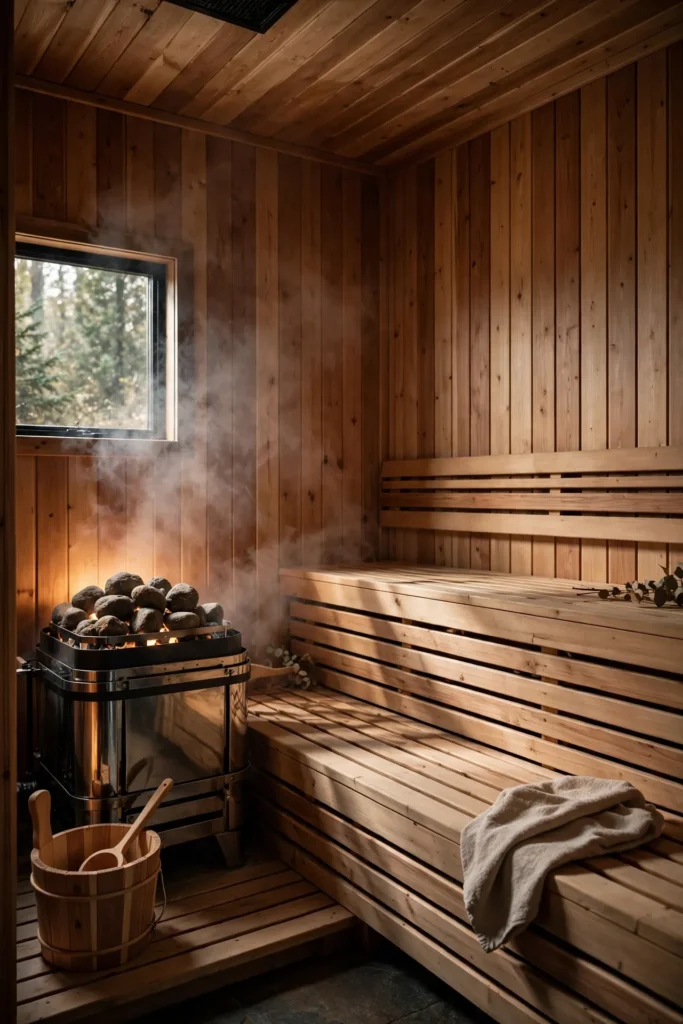
12. Add a Traditional Cedar-Lined Sauna Nook
For a more classic sauna experience than an infrared unit provides, a small cedar-lined sauna nook with a traditional heater delivers the enveloping heat and signature wood scent associated with Finnish-style saunas. Cedar is favored for its natural resistance to moisture and its aroma, which intensifies as the wood heats up. A small nook, sized for one or two people, fits into primary bathroom layouts that have room to dedicate a corner to a fully enclosed heat feature rather than an open steam shower.
Related: 19 Black Bathroom Ideas That Are Dramatic, Chic & Completely Stunning
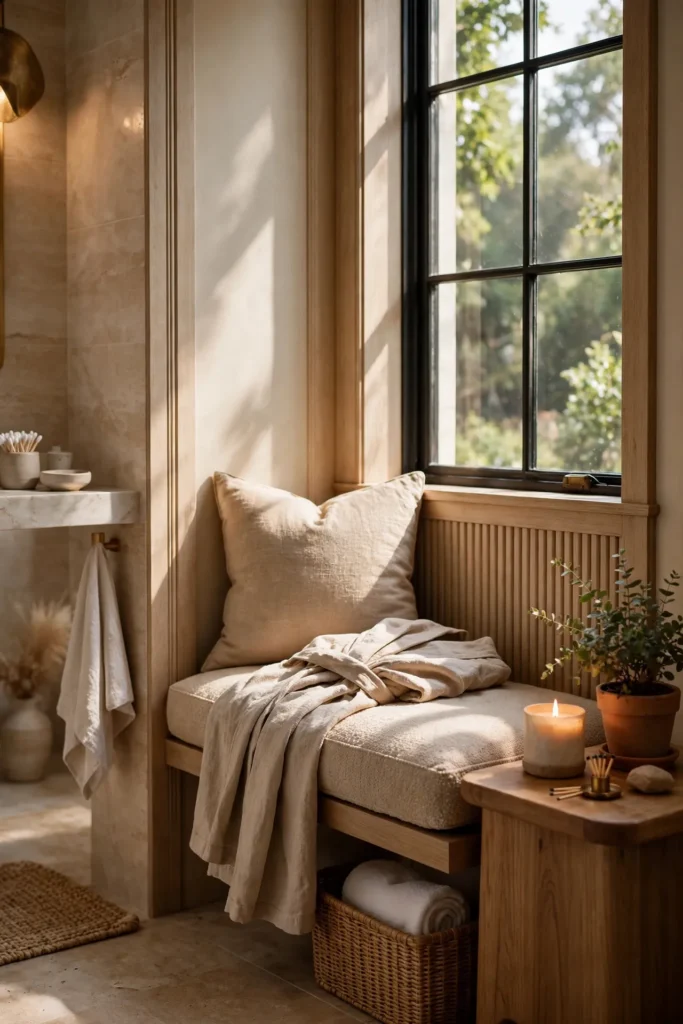
13. Create a Meditation Bench or Relaxation Nook
A small bench or built-in seat tucked into a corner of the bathroom, away from the shower and tub, gives the room a spot to simply sit for a few minutes before or after a wellness routine. This nook works well styled with a folded robe, a small side table, and a plant, turning it into a transition space between the shower or sauna and the rest of the day. It’s a small addition, but it reframes the bathroom as somewhere to pause rather than a room you only pass through.
14. Add a Waterproof Speaker System
A built-in or portable waterproof speaker turns shower and bath time into a chance to play a calming playlist, a guided meditation, or a podcast, extending the wellness ritual beyond just water and heat. In-wall speakers wired during a remodel deliver the cleanest look, while a small portable waterproof speaker set on a shelf or ledge accomplishes nearly the same thing with no installation at all. This is one of the more affordable upgrades on this list relative to how much it changes the actual daily experience of the room.
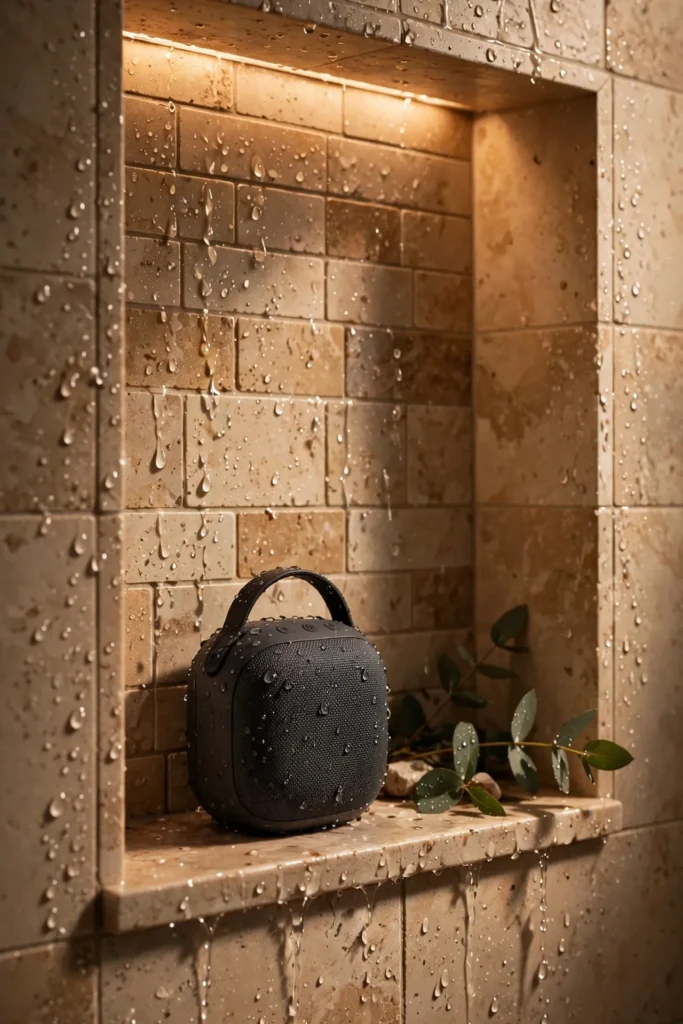
15. Install Dimmable, Layered Circadian Lighting
Rather than one harsh overhead fixture, a spa-inspired bathroom uses several light sources, an overhead dimmer, LED strips under the vanity, and sconces beside the mirror, each adjustable independently to shift the room’s mood throughout the day. A cooler, brighter setting works well for morning routines, while a warm, dim setting in the evening supports the wind-down feeling associated with a real spa visit. Programmable systems can shift automatically based on time of day, removing the need to manually adjust each fixture.
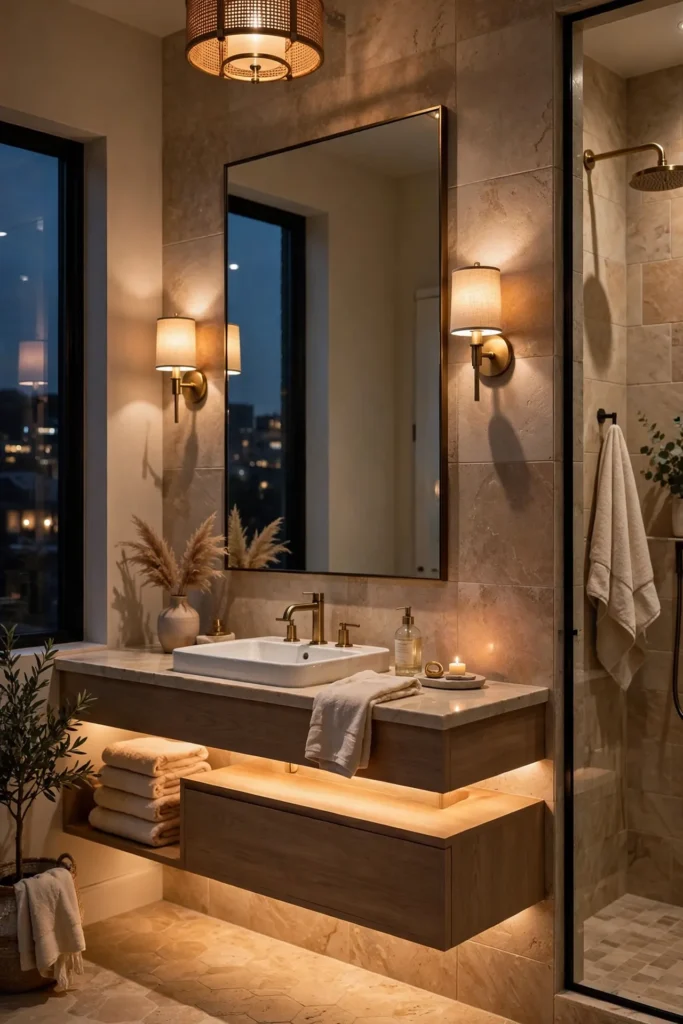
16. Add a Built-In Shower Bench With Heated Seating
A built-in bench inside a walk-in or steam shower gives you somewhere to sit through a longer steam or rinse session, and a heated seat option takes that comfort a step further, especially in a cooler climate. This feature pairs naturally with the steam shower idea above, since sitting through a full steam session is far more comfortable than standing the whole time. Tile the bench to match the surrounding shower walls so it reads as a built-in architectural detail rather than an accessory.
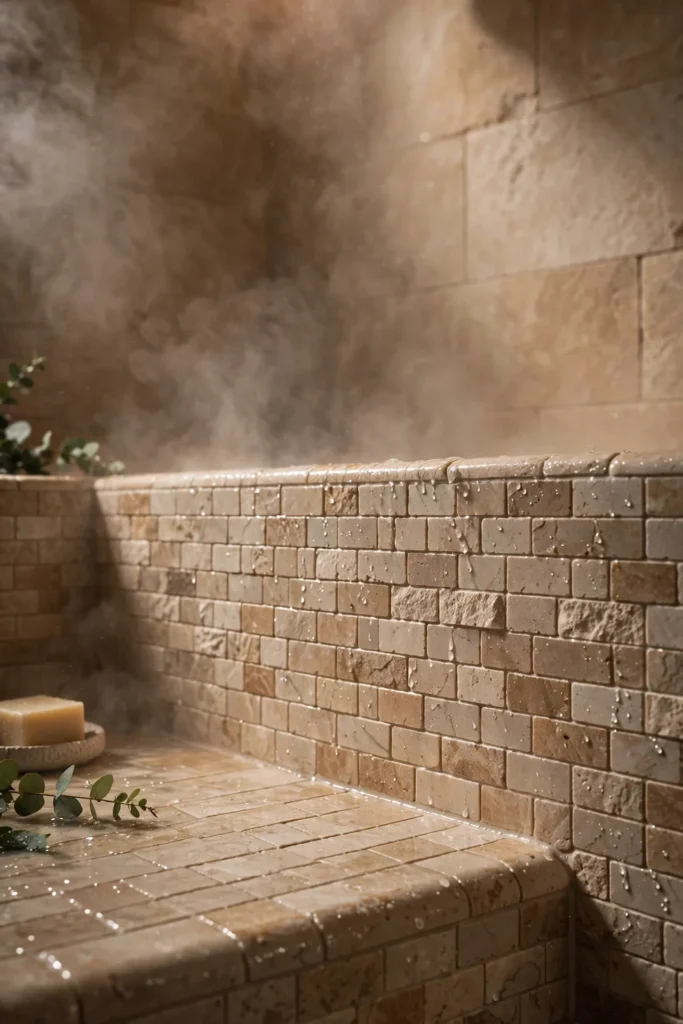
17. Set Up a Dedicated Skincare or Grooming Station
A separate section of the vanity, or a small standalone counter, dedicated entirely to skincare and grooming turns a rushed morning routine into something closer to a spa treatment. Good lighting is essential here, ideally a lit mirror or sconces positioned to avoid harsh shadows, along with drawer storage that keeps serums, tools, and brushes organized rather than crowding the main sink area. This zone works especially well in a shared primary bathroom, giving each person their own dedicated space for a longer routine.
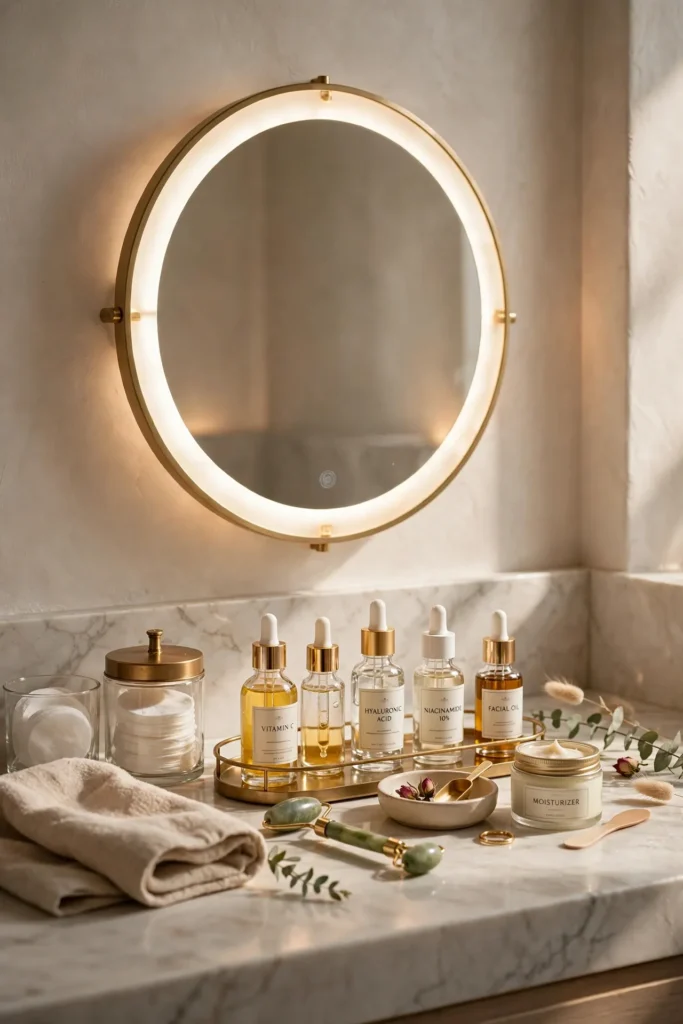
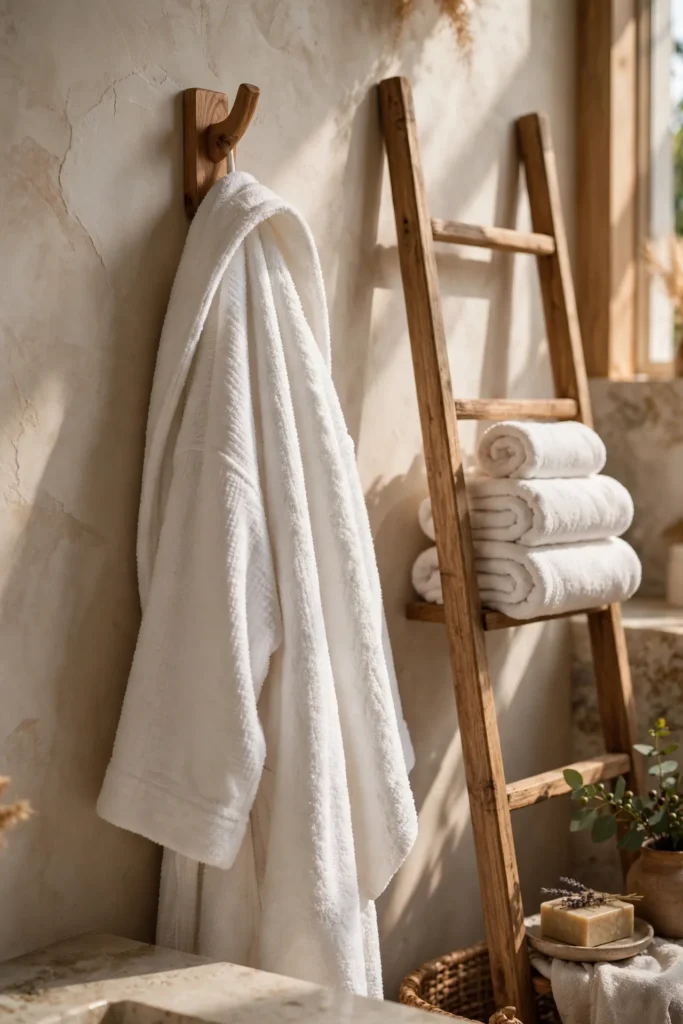
18. Style a Plush Robe and Towel Display
A hook or small ladder rack styled with a plush robe and a few rolled towels does a surprising amount to make a bathroom feel like a spa the moment you walk in, since it signals comfort before you’ve even turned on the water. Choose a robe and towel set in a matching neutral tone, and keep the display to just a few pieces so it reads as intentional styling rather than laundry waiting to be put away. This is one of the lowest-cost ideas on this list with an outsized visual impact.
Related: 18 Christmas Bathroom Decor Ideas for a Festive Refresh (Even in Small Spaces)
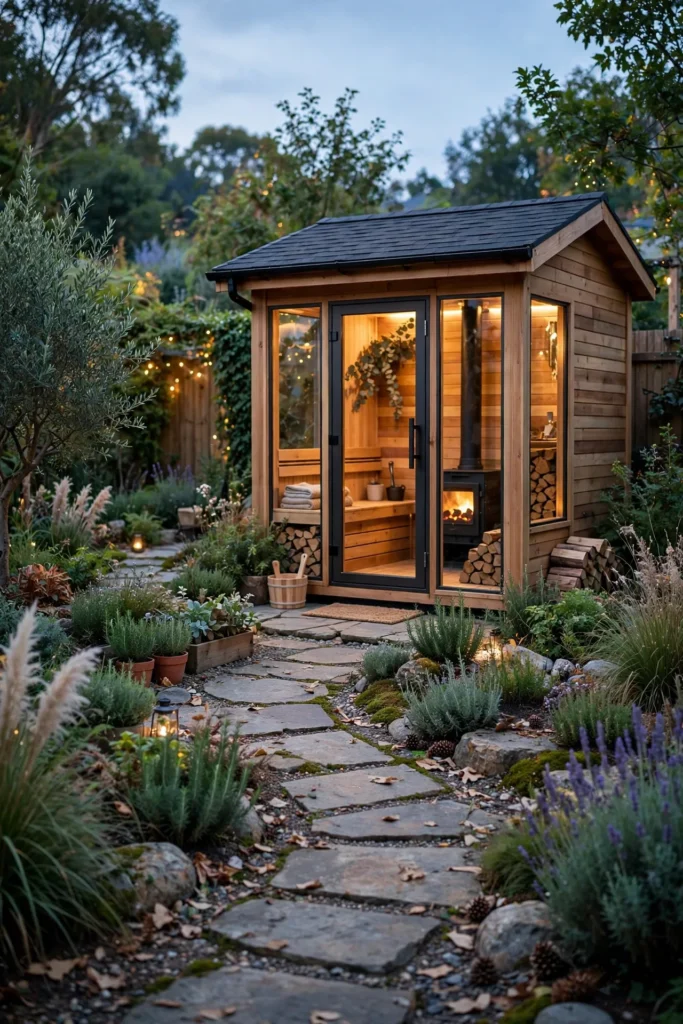
19. Extend the Retreat Outdoors With a Sauna or Plunge Pool
For homes with backyard space, an outdoor cedar sauna or a small plunge pool extends the wellness routine beyond the bathroom entirely, and outdoor saunas have seen a sharp rise in popularity as a standalone backyard feature. A garden sauna creates real physical separation from the house, which many homeowners find adds to the sense of actually disconnecting during a session. Connecting the outdoor feature to the bathroom with a short, covered walkway keeps the transition between indoor and outdoor wellness spaces smooth, even in cooler weather.
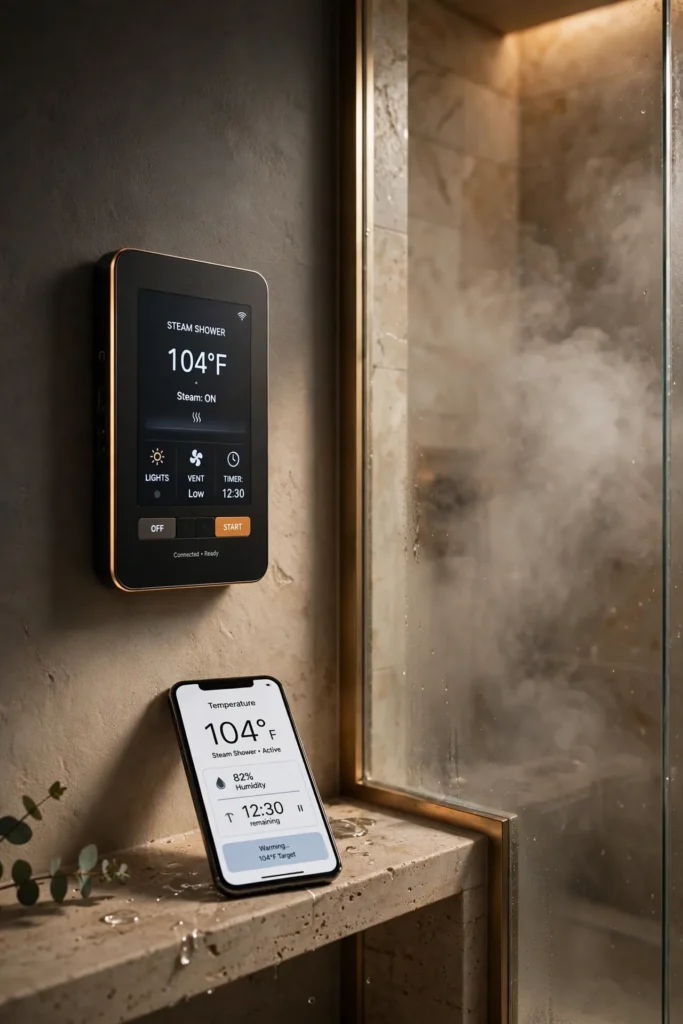
20. Add Smart Controls for Temperature and Timing
App-connected controls for a sauna, steam shower, or heated flooring let you start warming the room before you even walk in, so the space is ready the moment you are, the same way a smart thermostat preheats a house. Many systems also let you save preset routines, a shorter steam cycle for weekday mornings and a longer sauna session for weekends, removing the friction of manually adjusting settings each time. This upgrade turns the wellness routine from something that requires planning into something that’s simply built into the day.
Styling Tips for a Spa-Inspired Bathroom
- Stick to a natural, muted material palette: stone, wood, and matte metals read as calming, while high shine and bright color tend to break the spa mood.
- Layer at least three light sources so the room can shift from bright and functional to dim and calming depending on the time of day.
- Keep surfaces edited. A cluttered vanity undercuts the sense of retreat no matter how good the fixtures are.
- Add one or two plants, especially in a steam-heavy bathroom where humidity actually supports certain plant varieties.
- Choose towels, robes, and bath mats in a consistent neutral palette so the soft textiles feel curated rather than mismatched.
Practical Implementation Ideas
- Confirm your electrical and ventilation capacity before committing to a sauna or steam feature, since both typically need dedicated wiring and proper venting.
- Waterproof and heat-rate every material going into a steam shower or sauna nook, since standard bathroom finishes aren’t always rated for sustained high humidity or heat.
- Plan plumbing for a cold plunge tub early if you’re doing a full remodel, since drainage and fill lines are easier to route before walls close up.
- Group your wellness features close together, sauna, plunge, and shower within a few steps of each other, so the full contrast routine stays convenient enough to actually use regularly.
- If you’re adding smart controls, check that your sauna or steam system is compatible with your home’s existing smart home platform before purchasing.
Common Mistakes to Avoid
- Skipping proper ventilation in a steam shower or sauna nook, which leads to lingering moisture damage over time.
- Choosing lighting that’s too bright or too clinical throughout, which undercuts the calming effect even with high-end fixtures in place.
- Overcrowding the room with too many features at once instead of prioritizing the one or two that fit your actual routine and space.
- Using non-slip-rated flooring in wet zones, which becomes a real safety issue once radiant heat and steam are added to the mix.
- Forgetting a heated towel option, which is a small addition that makes a noticeable difference in how finished the whole experience feels.
Small-Space Alternatives
- No room for a full sauna? A near-infrared sauna blanket or a compact single-person pod delivers similar heat benefits in a fraction of the footprint.
- No room for a cold plunge tub? A handheld cold shower attachment or an end-of-shower cold rinse habit offers a scaled-down version of contrast therapy.
- No room for a steam shower conversion? A portable steam unit that connects to your existing shower can simulate the effect without a full renovation.
- No room for a dedicated grooming station? A slim rolling cart beside the vanity creates a similar zone without needing extra counter space.
Budget-Friendly Alternatives
- A plug-in aromatherapy diffuser delivers much of the sensory benefit of a built-in steam diffuser system for a fraction of the installation cost.
- LED color-changing bulbs in existing fixtures can mimic a chromotherapy effect without rewiring the room.
- A quality bath mat and a few plush towels go a long way toward the spa feeling of idea eighteen without any construction involved.
- A small portable space heater or a heated bath mat can add warmth underfoot in place of a full radiant floor heating system.
- A basic waterproof bluetooth speaker delivers the same ambiance as a built-in system for a fraction of the price.
Pro Styling Recommendations
- Choose one true splurge, a sauna, a steam shower, or a soaking tub, and treat everything else in the room as supporting material rather than trying to fit every idea on this list into one project.
- Keep hardware finishes consistent throughout the room, since mixing too many metal tones undercuts the cohesive, curated feeling a spa retreat depends on.
- If budget allows, prioritize ventilation and heated flooring early in a remodel. Both are far more disruptive and costly to add after the fact than during initial construction.
- Treat scent as part of the design plan from the start, not an afterthought, since it’s one of the strongest sensory cues tied to a genuine spa experience.
FAQs
For many homeowners, yes. Cleveland Clinic notes that regular sauna use is linked to relaxation and muscle recovery benefits, and having one at home removes the time and cost barrier of visiting a spa regularly.
An infrared sauna heats the body directly using infrared panels, which allows for a smaller footprint and lower operating temperature, while a traditional sauna heats the surrounding air, usually with wood or electric heaters and hot stones.
Not always, but a permanent steam shower conversion generally requires a fully sealed enclosure and dedicated plumbing and electrical work, which is easier to plan during a larger renovation than to retrofit later.
Compact cold plunge tubs are now sized to fit into many primary bathrooms or bathroom-adjacent spaces, though they do require dedicated plumbing and enough clearance for safe entry and exit.
Layered, dimmable lighting works best: a brighter task light for grooming, plus warmer ambient light, LED strips, or chromotherapy features for the calming, evening-appropriate mood.
Yes. Focus on a few high-impact ideas, like layered lighting, a heated towel rack, and natural materials, rather than trying to fit large features like a full sauna into a space that can’t support one.
Both require regular cleaning to manage moisture and prevent mold, along with periodic checks on heating elements, seals, and ventilation systems to keep everything running safely.
Start with lighting, scent, and textiles, a dimmer switch, a diffuser, and a few plush towels, all of which meaningfully shift the room’s feel without the cost of a full renovation.
Conclusion
A wellness retreat at home doesn’t require a full spa build-out to feel real. It comes down to heat, light, texture, and a few deliberate choices about how the room supports actually slowing down. Start with the idea that fits your space and budget best, whether that’s a heated towel rack or a full steam shower conversion, and build the rest of the room around it. The goal isn’t a bathroom that looks like a spa in photos. It’s one that genuinely feels like one every time you walk in.