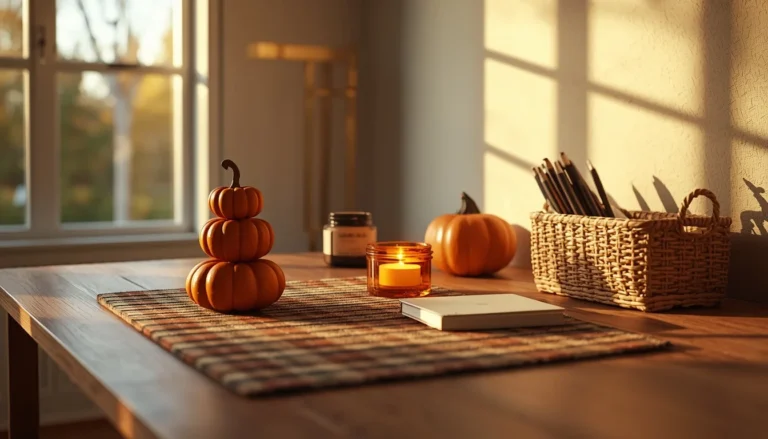
16 Early Fall Porch Decor Ideas for a Subtle Seasonal Transition
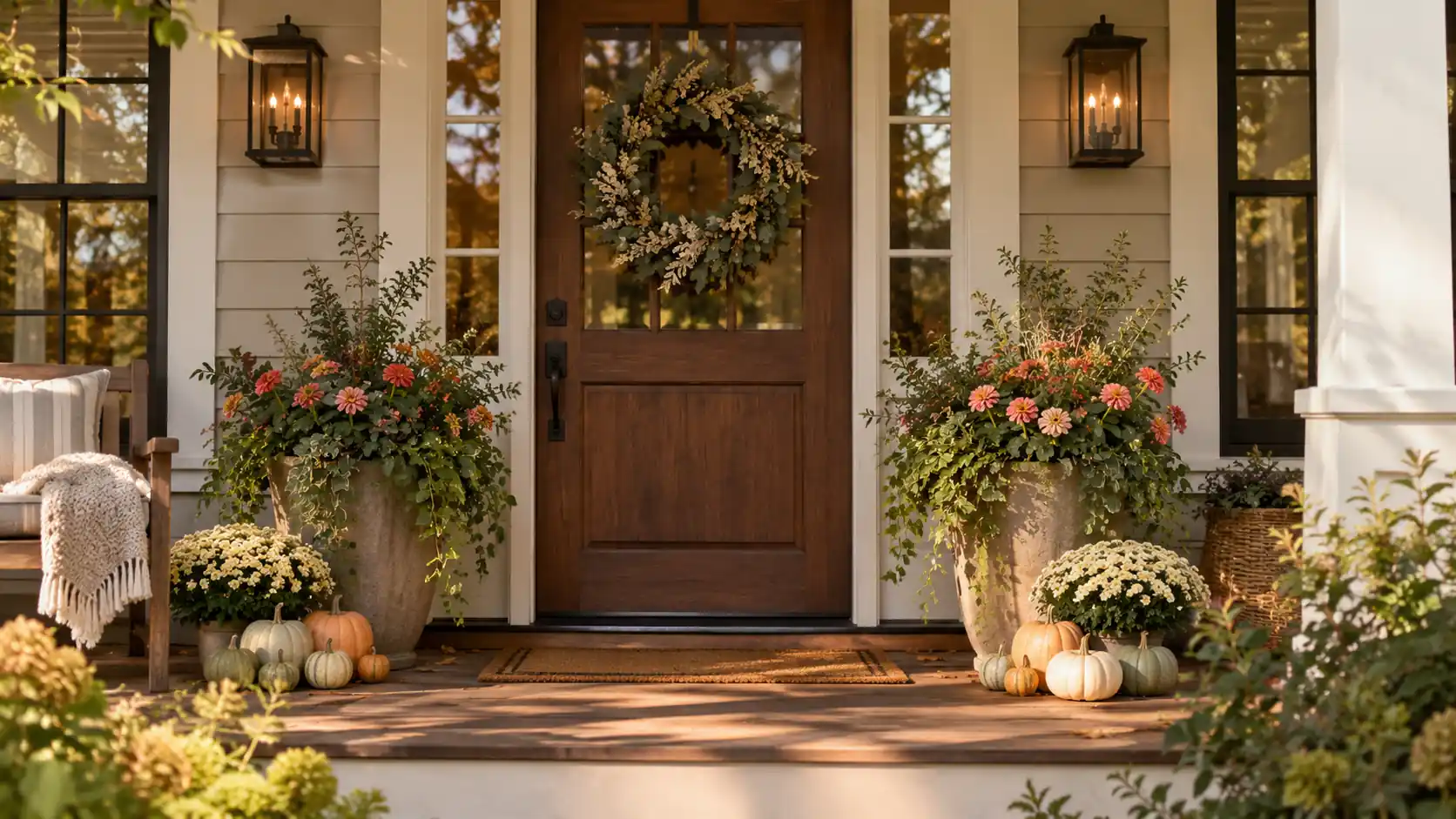
There’s an awkward stretch every year, usually late August into early September, when summer flowers are still hanging on but the light’s gone a little softer and the mornings have that first hint of cool. Going full pumpkin display feels premature. Doing nothing feels like giving up on the porch entirely.
Early fall porch decor lives in that gap. It’s not about a big seasonal overhaul, it’s about small, deliberate shifts: a pale pumpkin added next to a planter that’s still blooming, a wreath’s bright florals swapped for quiet foliage, one shared color repeated between what’s fading and what’s arriving so the whole thing reads as intentional instead of mismatched.
This list covers 16 early fall porch decor ideas built specifically for that transitional window, so the porch can evolve gradually into full autumn instead of needing three separate overhauls between August and Thanksgiving.
Table of Contents
Why Early Fall Porch Decor Is About Bridging, Not Replacing?
The single most useful idea in early fall porch styling is that nothing needs to be thrown out yet. Summer annuals that are still blooming, ferns that are still full, even a summer wreath’s structure, can all stay in place while a few fall elements get layered in around them. The technique that makes this actually look coordinated rather than accidental is repeating one shared color between what’s already there and what’s new: if the summer planters are coral and green, a pumpkin in a similar peachy tone or a ribbon in matching coral ties the old and new together instead of letting them clash. This approach also means the porch can keep evolving gradually, adding two or three more clearly autumnal pieces as October actually arrives, rather than requiring a single dramatic swap-out the moment the calendar changes.
1. Swap Just the Doormat First
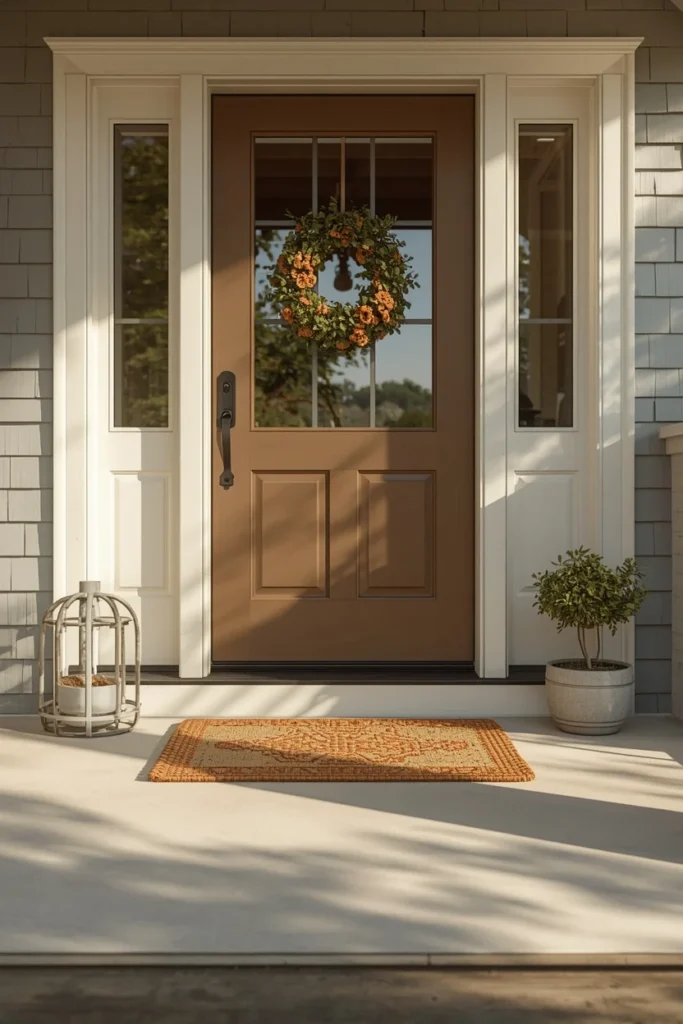
For the very earliest stage of the transition, changing only the doormat, from a bright summer print to a simple fall-toned option in cream, rust, or sage, is the lowest-commitment way to signal the season is shifting without touching anything else on the porch. This single swap works especially well on a smaller porch or stoop, where there isn’t much additional space for planters or a full display anyway. Choosing a mat with a subtle woven texture or a simple leaf motif, rather than anything overtly Halloween-themed, keeps the look appropriate for early September rather than jumping straight to October. This idea also serves as a useful gut check: if a doormat swap already feels like enough for now, that’s a sign to hold off on anything more elaborate for a few more weeks.
2. Color-Bridge Planters That Keep Summer Blooms Going
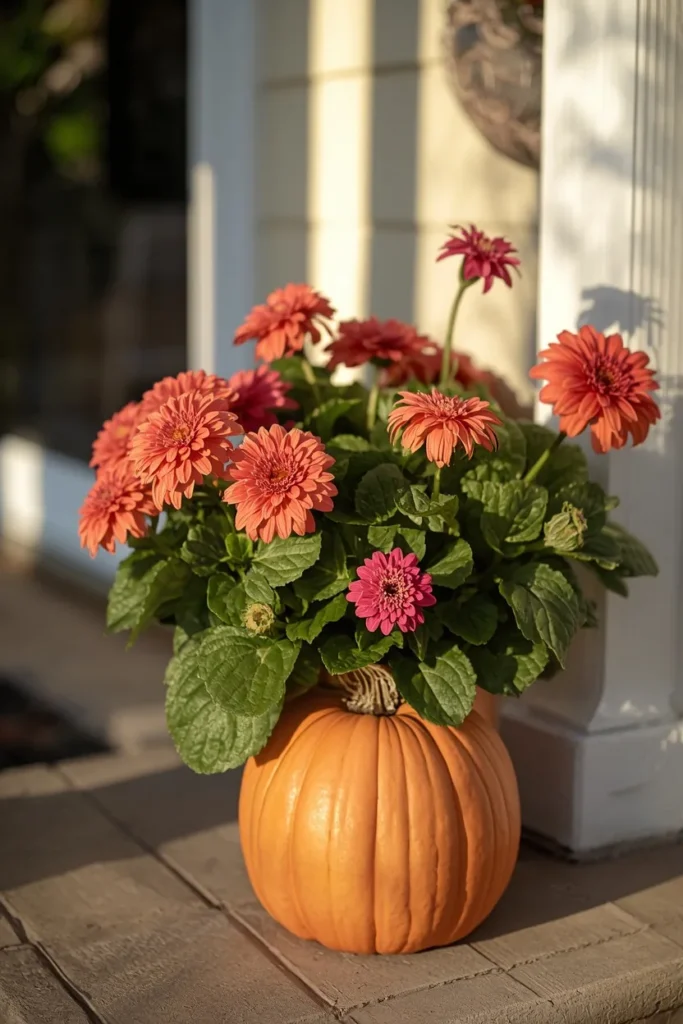
Rather than removing summer flowers that are still thriving, tucking one or two fall elements, a small pumpkin or a bundle of dried wheat, into the same planter in a color that echoes the existing blooms creates a bridge between seasons instead of a jarring switch. If the summer planter is full of coral and magenta impatiens, for example, choosing a peachy heirloom pumpkin rather than a bright orange one keeps the whole container feeling like one cohesive palette rather than two competing ones. This technique lets the planter keep earning its keep as long as the flowers hold up, while still visibly gesturing toward fall. As the weather cools and the summer blooms eventually fade, the fall elements already in place make it easy to swap in mums without redesigning the whole container from scratch.
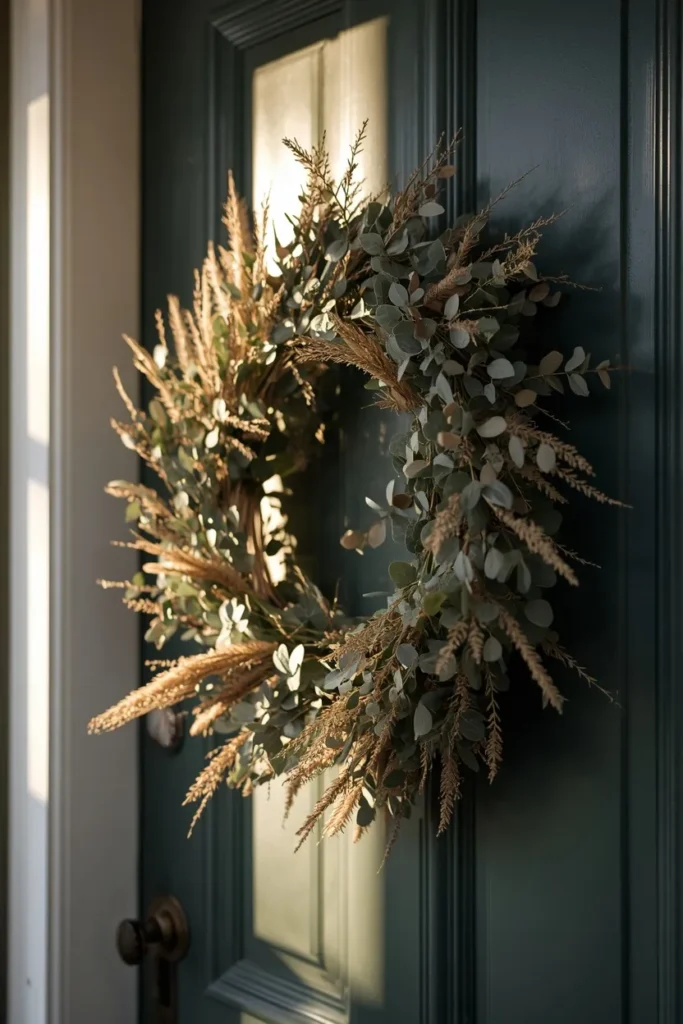
3. Neutral Foliage Wreath Without the Bright Ribbon Yet
Swapping a summer wreath for one built from simple, neutral foliage, eucalyptus, magnolia leaves, or dried grasses, without adding any bold fall ribbon or florals yet, gives the door a seasonal refresh that reads as elegant and intentionally understated rather than unfinished. This version of the wreath acts as a base that can be built on as the season progresses, with a fall-toned ribbon or a few dried flowers added later once the porch is ready to commit further. Choosing a wreath with genuine texture, rather than a flat, uniform shape, keeps it visually interesting even without color doing any of the work. This idea works particularly well for anyone who finds most fall wreaths too bright or too busy for their home’s exterior palette.
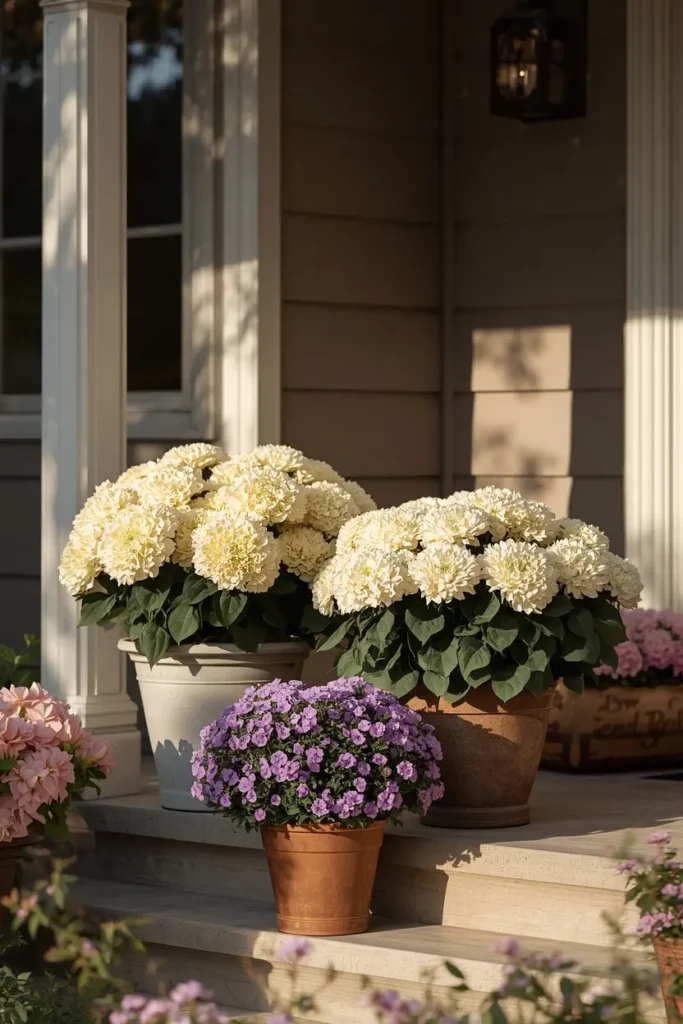
4. Cream and White Mums Mixed With Surviving Summer Annuals
Adding a few pots of cream or white mums alongside summer annuals that are still going strong introduces a genuine fall plant without visually overpowering or clashing with whatever color the summer flowers are still carrying. White and cream tones act almost like a neutral in this context, meaning they can sit beside nearly any lingering summer color, hot pink, coral, purple, without a jarring contrast. This pairing also gives the porch a natural, built-in transition plan, since the summer flowers can be removed whenever they finally fade while the white mums simply stay in place and get joined by more traditional fall colors later on. This idea works especially well for anyone who isn’t emotionally ready to pull healthy summer flowers just because the calendar changed.
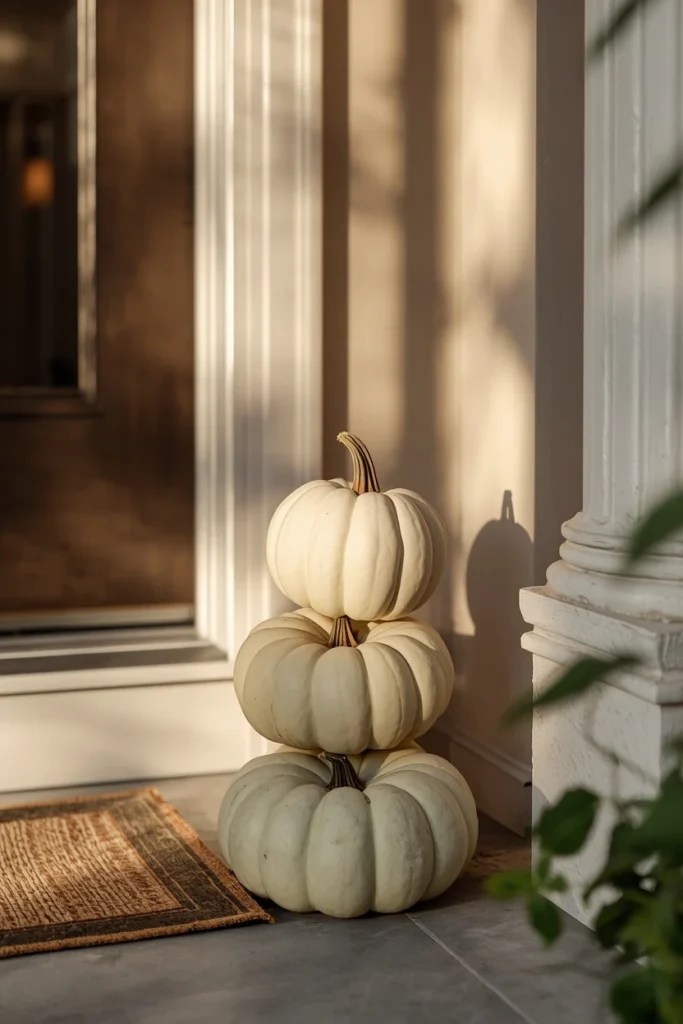
5. Pale Heirloom Pumpkins Instead of Bright Orange
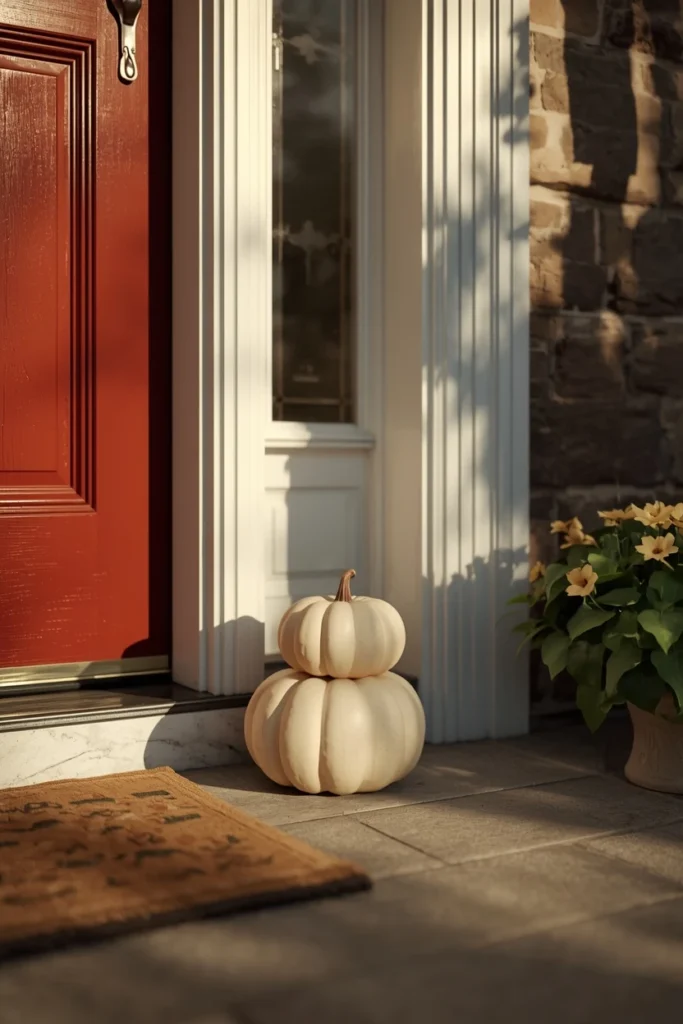
Choosing heirloom-variety pumpkins in muted greens, ghostly whites, and soft warty textures, rather than the classic bright orange, gives an early fall porch its first pumpkin moment without the saturated color most people associate with a fully committed autumn display. These pale, textured varieties read as sophisticated and slightly unexpected, which suits the quieter, more restrained mood of an early-season transition. Stacking two or three heirloom pumpkins together near the door, rather than spreading many pumpkins across the whole porch, keeps the moment feeling intentional and small-scale. This idea also holds up visually later into the season, meaning it doesn’t need to be replaced once the porch eventually goes full fall, only added to.
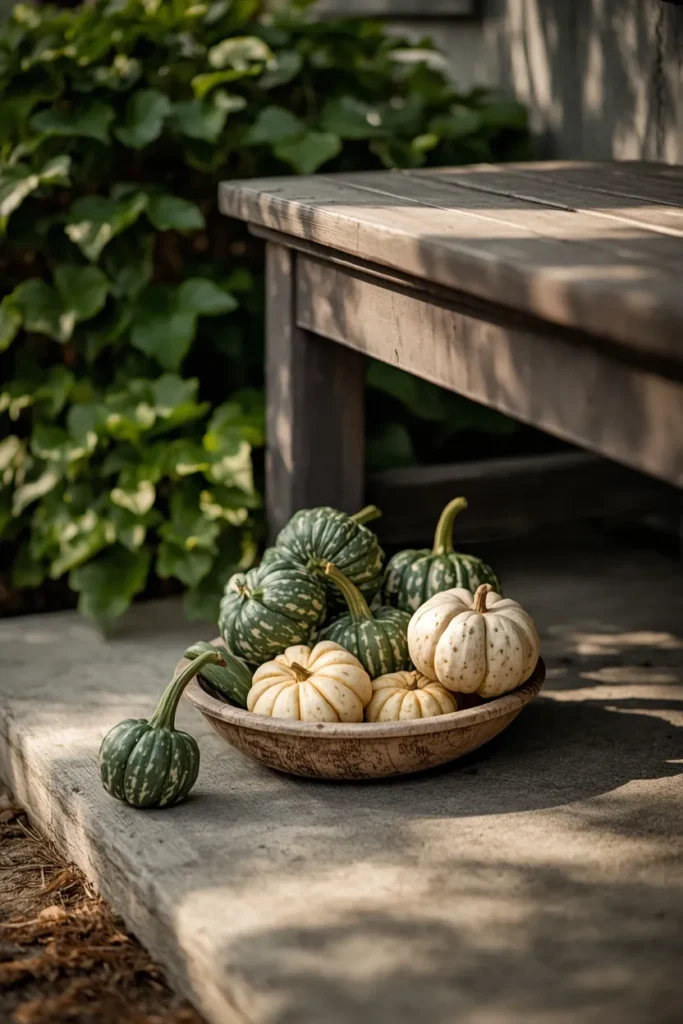
6. Green and White Gourds as a Gentle Color Bridge
Before pumpkins feel appropriate, a small grouping of green and white gourds, smaller and less visually heavy than a full pumpkin, offers an even gentler nod to the coming season. Gourds in these paler, cooler tones sit easily alongside whatever greenery is still thriving on the porch, since the colors read as an extension of the existing plants rather than a new, separate element. Grouping a handful of different gourd shapes together in a simple wood bowl or shallow basket, rather than scattering them individually, gives the small display a sense of purpose even at this modest scale. This idea works particularly well for the very earliest stage of the transition, even before pale pumpkins feel ready to bring out.
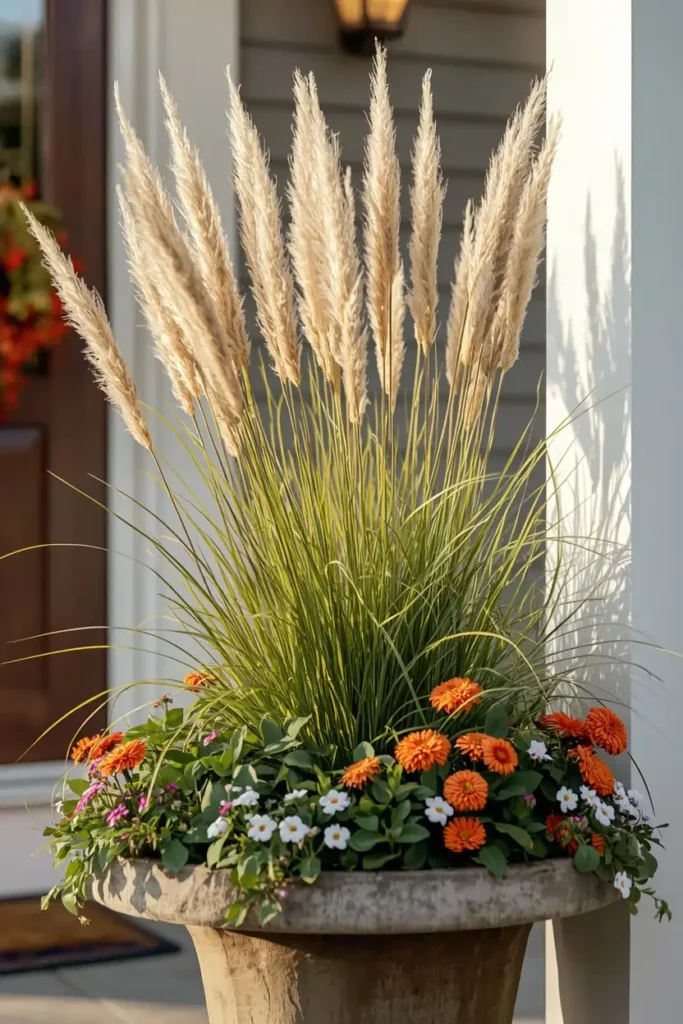
7. Ornamental Grasses Added for Movement Without New Color
Tucking a few stems of ornamental grass, pampas, fountain grass, or feather reed grass, into an existing summer planter adds height and gentle movement without introducing any new color to navigate. Because most ornamental grasses read as a soft beige or muted green, they blend easily with whatever summer flowers are still in the container while gesturing toward the more textural, subdued palette fall décor tends to favor. This is one of the lowest-effort updates available, since it requires adding just a stem or two rather than reworking the whole planter. As summer flowers fade over the following weeks, the grass already in place gives the container a reason to still look intentional even with less color remaining.
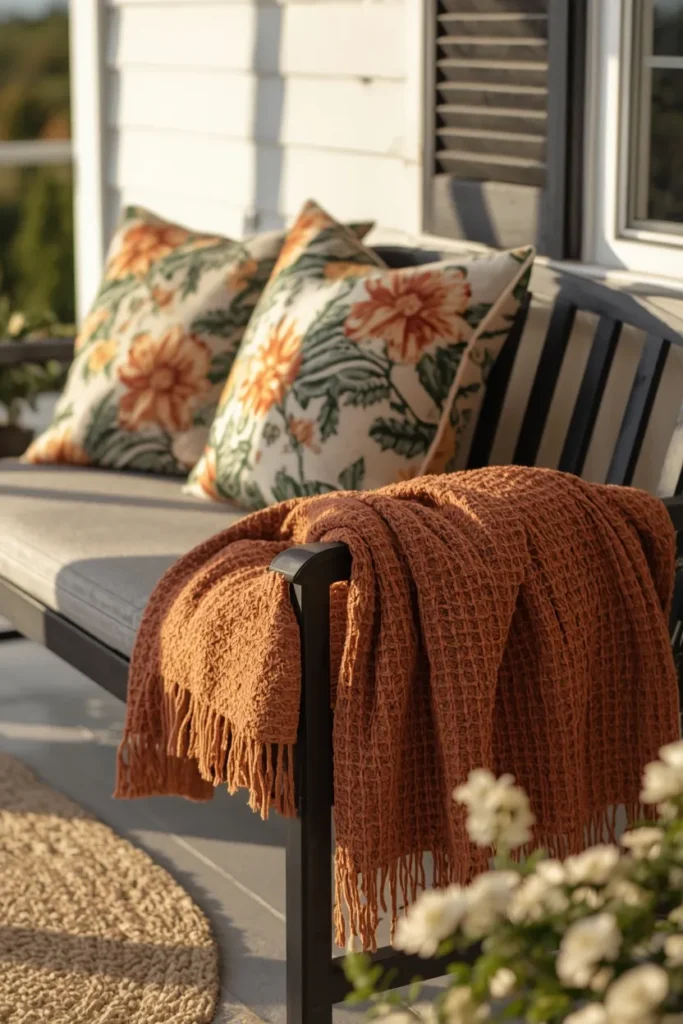
8. Swap Only the Porch Cushions and Throw
Changing just the outdoor cushion covers and a folded throw blanket on a porch bench or chairs, from bright summer prints to warmer, muted tones like rust, olive, or warm cream, shifts the porch’s overall feeling without touching a single plant or decoration. This update is entirely reversible and requires no gardening or wreath-making at all, making it one of the fastest ways to signal a seasonal shift. Choosing textiles in a slightly heavier weave, like a waffle knit or canvas, rather than the lighter linen typical of summer cushions, adds a tactile cue that mirrors the actual change in weather. This idea works especially well for a porch with seating as its main feature, since the furniture itself becomes the primary place the transition shows up.
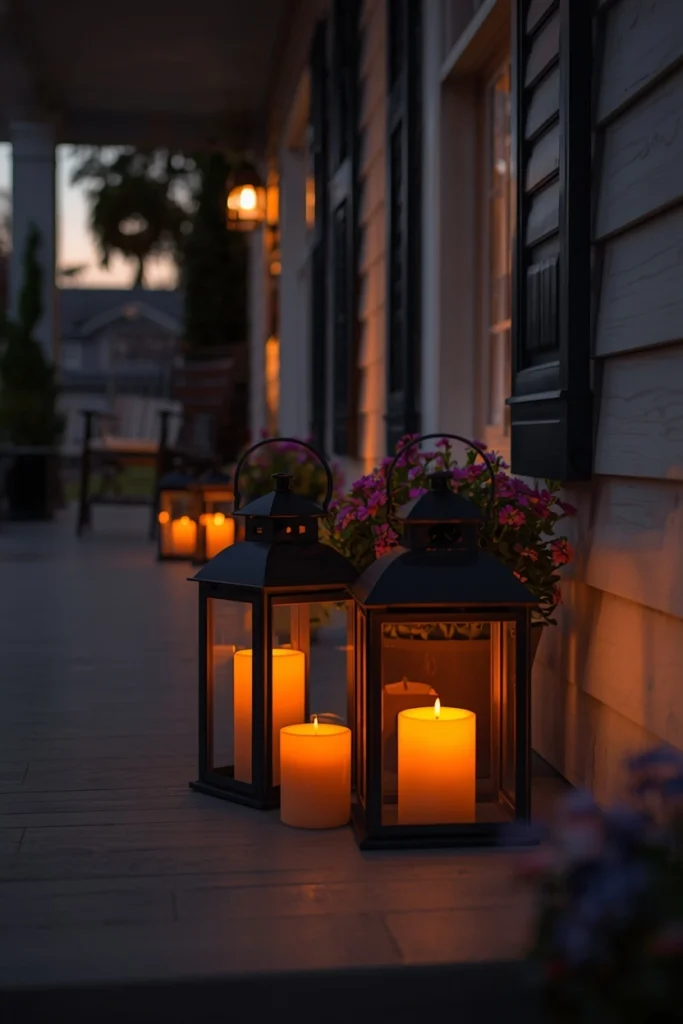
9. Warm Amber Lanterns Replacing Bright Summer Candles
Swapping bright, summery candle colors for warm amber or ivory pillar candles inside existing lanterns shifts the porch’s evening mood without requiring any new lantern or fixture purchase. The warmer candle tone reads as cozier and more fall-appropriate once evenings start getting darker earlier, even while every other element on the porch stays exactly the same. This is one of the most invisible updates on the list during the day, but it makes a real difference once dusk falls and the lanterns are actually lit. Pairing the new candle color with flameless battery versions allows the lanterns to stay lit safely through the evening without supervision, which matters as porch sitting extends later into cooler nights.
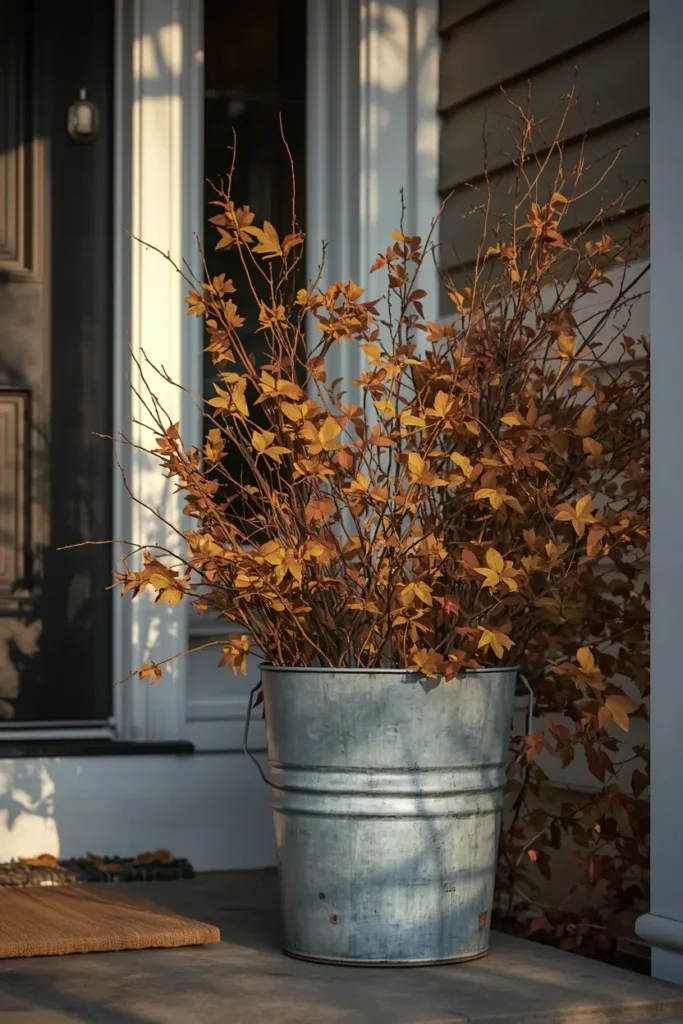
10. Foraged Branches and Greenery in a Simple Vase
A simple vase or galvanized bucket filled with branches and foliage foraged from the yard, whatever’s just beginning to show a hint of color, brings a genuine, real-time reflection of the changing season onto the porch at no cost. Because the material comes directly from what’s actually happening outside, this display naturally updates itself as the weeks pass and the foliage continues to change color, without requiring anything to be swapped out on purpose. Keeping the arrangement loose and asymmetrical, rather than tightly composed, matches the unstructured, gradual feeling that defines this whole transitional period. This idea also works as a genuinely sustainable option, since it uses material that would otherwise just be yard waste.
11. A Quiet Black-and-White Monochrome Accent Moment
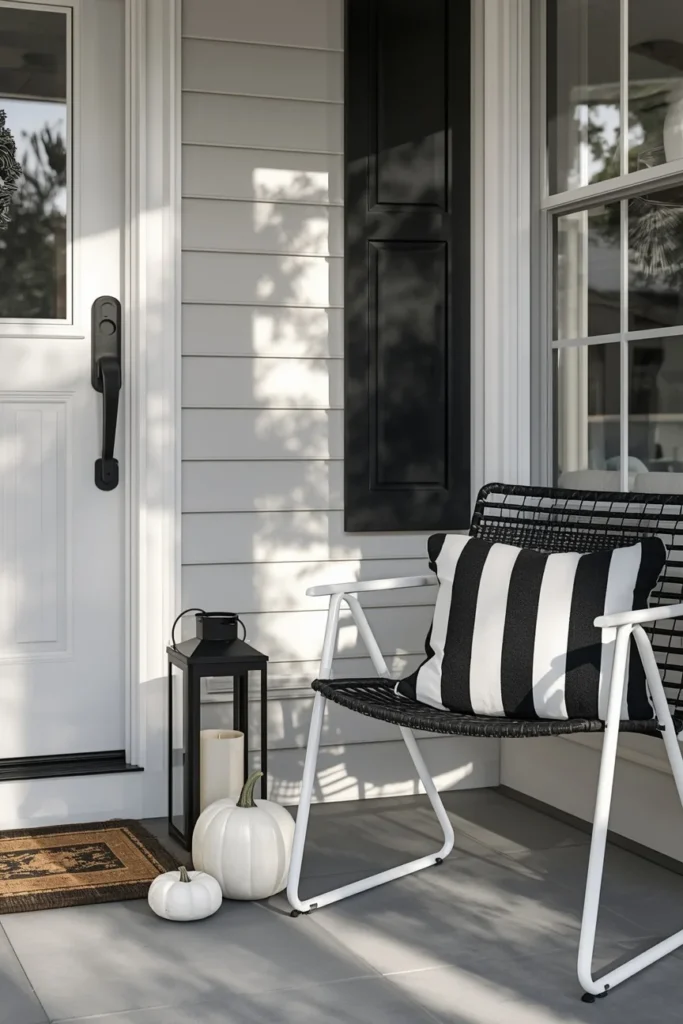
For a porch that wants a dramatic, styled look without any of the color-matching work a full palette requires, building one small vignette entirely in black and white, a white pumpkin, a black lantern, a striped black-and-white pillow, offers a striking, editorial option that sidesteps typical fall colors altogether. This monochrome approach reads as sophisticated and current, and it has the practical advantage of working with literally any surviving summer color nearby, since black and white don’t clash with anything. Keeping this vignette contained to one small area, rather than applying the monochrome treatment across the whole porch, lets it function as an accent moment rather than a full redesign. This idea suits a modern or minimalist home exterior especially well, where a full traditional fall palette might otherwise feel out of place.
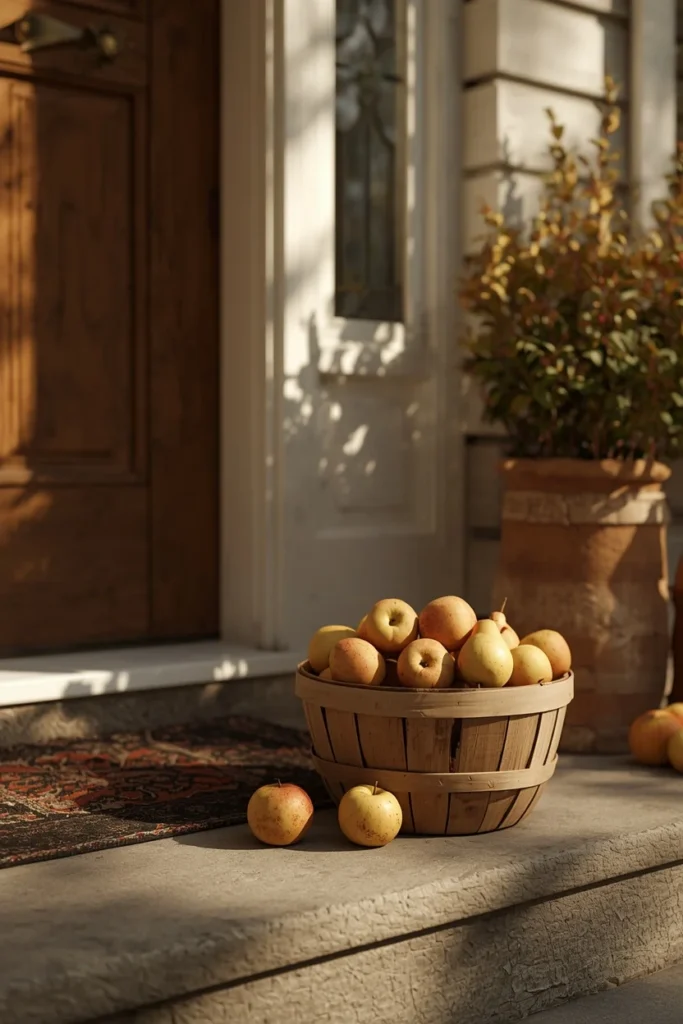
12. A Small Apple or Pear Display Before Pumpkin Season
Before pumpkins are widely available or feel seasonally appropriate, a small wooden crate or bushel basket filled with real or faux apples and pears brings an orchard-inspired, early-harvest feeling to the porch that works well even in late August. Choosing fruit in warm, slightly muted tones rather than glossy, bright red keeps the display in line with the softer, more restrained palette suited to this transitional period. This idea gives a porch its first genuine “harvest” gesture without committing to pumpkins at all, which matters for anyone in a warmer climate where pumpkin season still feels premature in early September. As the weeks pass, a few pale pumpkins or gourds can be added right alongside the fruit crate without needing to remove it.
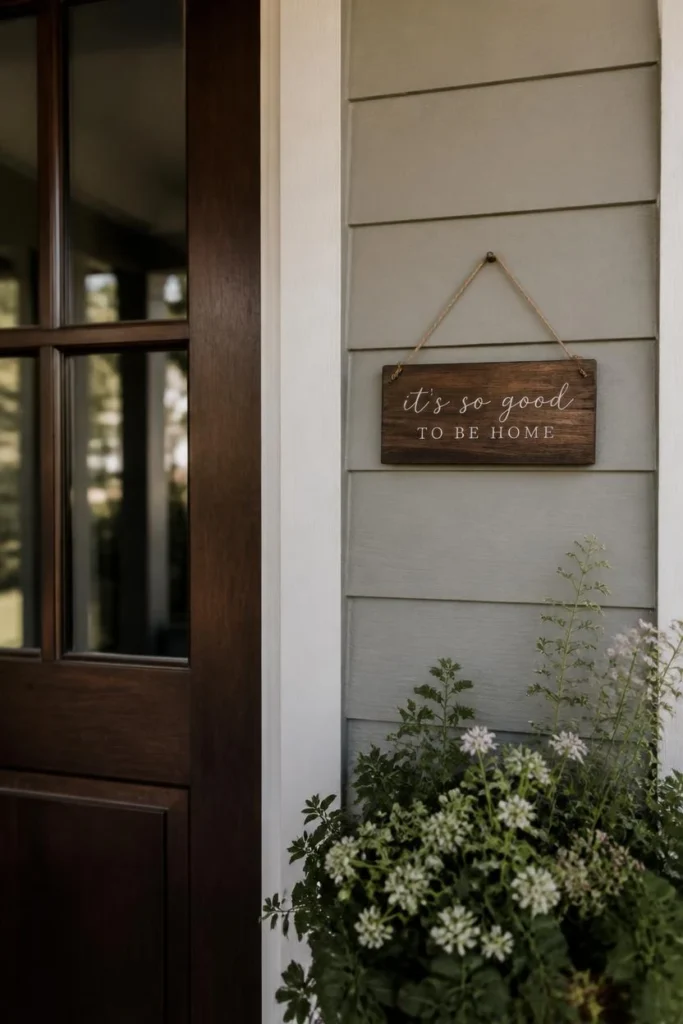
13. One Restrained Wood Sign With Simple Lettering
A single small wood sign or hanging plaque, featuring simple, restrained lettering rather than a large graphic or bright color, adds a personal touch to the porch without introducing visual clutter or committing to a full fall theme. Choosing a neutral finish, like natural wood, black, or muted rust, rather than an orange or bright seasonal color, keeps the sign blending into the existing porch rather than becoming the loudest element on it. Positioning the sign beside a plant or small display, rather than as a standalone piece, helps it feel integrated into the overall porch rather than tacked on as an afterthought. This idea is best used as one quiet detail rather than several, since multiple signs with repeated messaging quickly start to feel like clutter rather than personality.
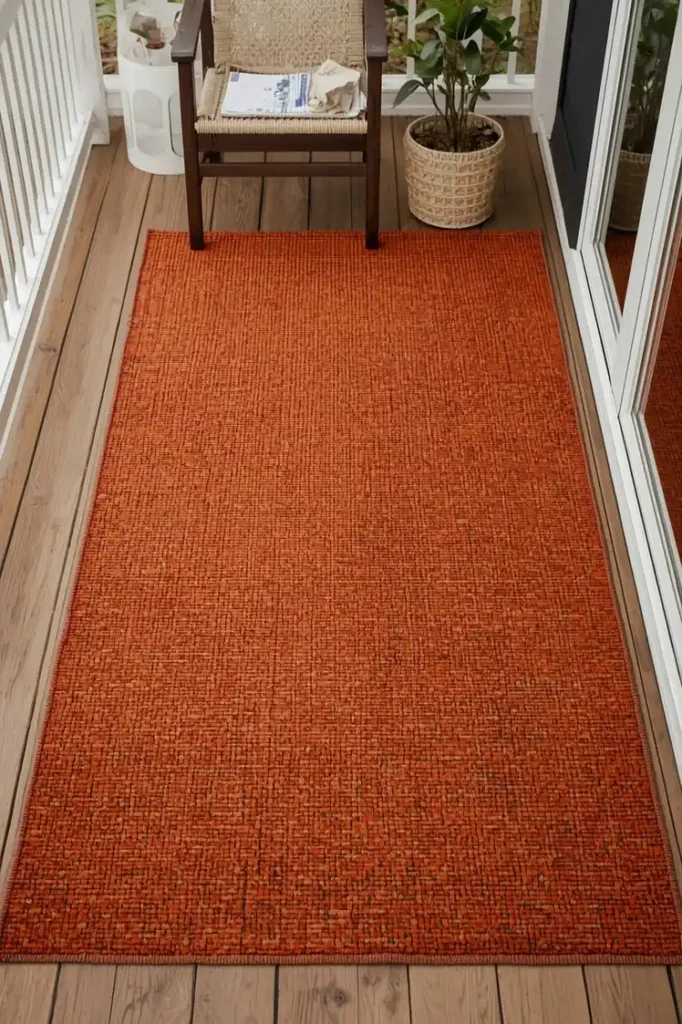
14. Swap the Outdoor Rug for a Warm, Weather-Ready Neutral
Replacing a bright, summery outdoor rug with one in a warmer neutral tone, like rust, warm gray, or soft olive, shifts the porch’s overall temperature underfoot without requiring any change to the plants or furniture above it. Choosing a rug rated for outdoor use and cooler, damper conditions matters more at this point in the year than it did in peak summer, since early fall often brings more morning dew and unpredictable rain. This update works well paired with the cushion and throw swap, since both textile changes together shift the porch’s mood substantially while leaving every other seasonal decision for later. A rug in a muted, earthy tone also provides a visually calm base for pumpkins, mums, or other more colorful additions layered in as the season progresses further.
15. A Small Stack of Just Two or Three Pale Pumpkins
Rather than a full cascading pumpkin display, placing just two or three pale or heirloom pumpkins in a simple stack beside the door offers a genuine, recognizable fall gesture at the smallest possible scale. This restrained approach suits the early transition period specifically, since a small, quiet stack reads as a gentle nod to the season rather than a full commitment to autumn decorating. Choosing pumpkins in a range of sizes, rather than three similarly sized ones, gives even this minimal display a bit of visual interest through height variation. This idea works as a natural stepping stone toward the larger, more abundant pumpkin displays that tend to arrive later in the season, once the porch is ready for a fuller commitment.
16. A Weekend-by-Weekend Transition Plan
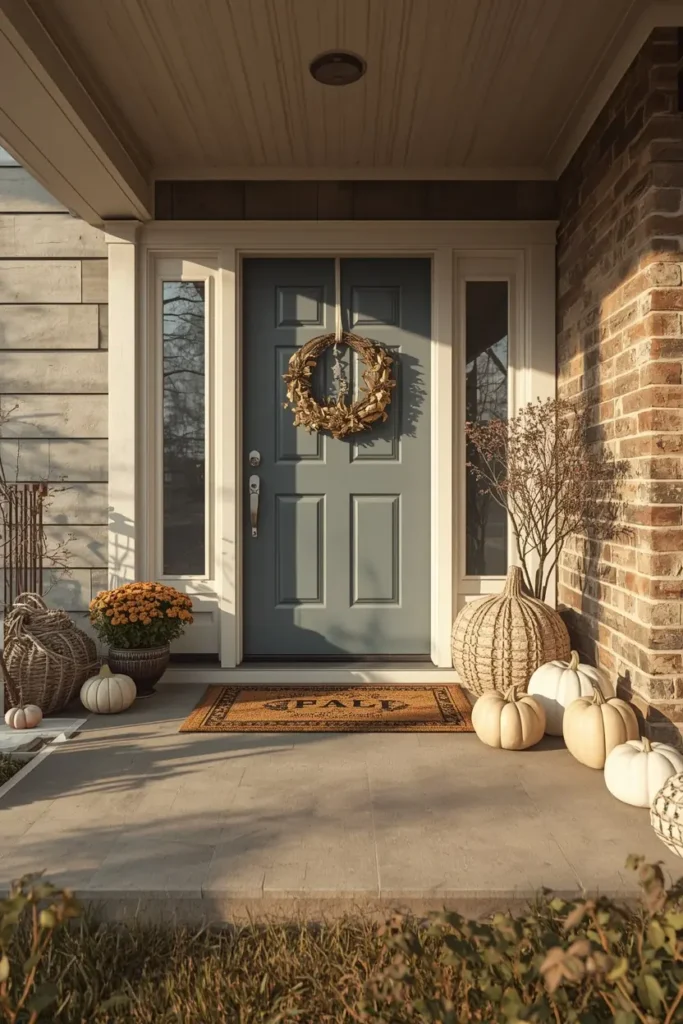
Rather than treating early fall porch decor as a single project, planning the transition across three or four weekends, doormat and cushions in week one, a neutral wreath and a few gourds in week two, pale pumpkins and grasses in week three, and finally mums and warmer color in week four, lets the porch evolve at the same gradual pace as the actual season outside. This staged approach also spreads out both the cost and the effort of decorating, rather than requiring one large shopping trip and an entire weekend of work all at once. Photographing the porch at the end of each stage helps track what’s already working and what still needs adjusting before adding the next layer. This idea ties together every other one on this list into an actual system, rather than leaving the timing of each individual update up to guesswork.
Styling Tips for a Gentle Seasonal Transition
- Repeat one shared color between whatever summer decor is still in place and whatever fall element gets added, so the two seasons blend rather than clash.
- Choose paler, cooler-toned pumpkins and gourds, heirloom greens, whites, and soft warty textures, for the earliest stage of the transition, saving bright orange for later in the season.
- Let plants that are still thriving stay in place rather than removing them just because the calendar changed; fall elements can be layered in alongside them.
- Make textile swaps, cushions, throws, doormats, rugs, before committing to any plant or wreath changes, since fabric updates are the fastest and most reversible way to shift a porch’s mood.
Practical Implementation Ideas
- Start with the lowest-commitment change, typically the doormat or cushion covers, and wait a week or two before adding anything else to see how the porch feels.
- Choose one or two fall elements at a time rather than attempting a full transformation in a single weekend, so each addition can be evaluated against what’s already there.
- Photograph the porch before starting, then again after each small update, to track the transition and make sure each new piece is actually improving the overall look.
- Keep receipts and tags on any new fall purchases in case a color or piece doesn’t end up working once it’s actually in place next to the existing summer decor.
Common Mistakes to Avoid
- Pulling out summer flowers that are still healthy and blooming simply because the calendar turned to September, rather than layering fall elements in around them.
- Jumping straight to a fully saturated, bright orange pumpkin display before the season, or the surrounding summer decor, is actually ready for that level of commitment.
- Choosing fall accent colors with no relationship to whatever summer decor is still in place, creating a jarring, mismatched transition rather than a gradual one.
- Overcommitting to a full wreath, planter, and lighting overhaul all in one weekend, which removes the gradual, evolving quality that makes an early fall transition feel natural.
Small-Porch Alternatives
For a small porch or stoop, focusing on just one or two of the smallest-scale ideas on this list, a doormat swap and a small gourd bowl, or a cushion swap and a restrained wood sign, delivers a genuine seasonal shift without requiring space for planters or a full pumpkin display. A single small stack of two pale pumpkins takes up minimal floor space while still reading as an intentional autumn touch. Prioritizing the textile-based updates, cushions, throws, doormats, over anything requiring floor space is generally the most efficient approach for a compact entry.
Budget-Friendly Alternatives
Foraged branches and foliage from the yard cost nothing and update themselves naturally as the actual season progresses outside. Keeping summer flowers in place rather than replacing them with fall annuals saves the cost of new plants until they’re genuinely needed later in the season. A single new doormat or a set of inexpensive cushion covers delivers noticeable seasonal impact for relatively little money compared to a full planter and wreath refresh. Choosing gourds over pumpkins for the earliest stage of the transition is typically the more affordable option, since gourds tend to cost less per piece than pumpkins of a comparable size.
Pro Styling Recommendations
Professional stylists working with seasonal transitions consistently recommend the shared-color-bridge technique as the single most reliable way to combine fading summer decor with arriving fall elements without the porch looking mismatched or accidental. Staging the transition across several weeks, rather than executing it all in one day, tends to produce a more considered, evolving look and also spreads out the cost of new purchases. Committing to pale, muted pumpkin and gourd varieties for the earliest stage, then saving bright orange, red, and burgundy tones for once the season is fully underway, keeps the porch’s color intensity in step with the actual weather and light outside.
FAQs
Final Thoughts
The porches that handle this in-between stretch best aren’t the ones that rush straight to a full pumpkin display the moment September starts. They’re the ones that let summer fade out naturally while fall eases in beside it, one doormat, one pale pumpkin, one shared color at a time. There’s no rule that says the whole porch has to change overnight. Pick one or two ideas from this list to start with, give them a week to settle in, and let the rest of the transition happen at its own pace.