25 College Dorm Checklist Essentials Nobody Tells You About
Every dorm checklist looks the same. Sheets, a mini fridge, a shower caddy, a laptop. All true, all necessary, and none of it covers the stuff that actually trips freshmen up in week two.
The real problems are smaller and weirder than a packing list usually admits. There’s one outlet for two people and six devices. The mattress feels like a yoga mat. Someone’s roommate needs quiet at 10 PM and the other one is still awake at 1. Nobody mentions any of this until it’s already a problem.
Here are 25 college dorm essentials that solve the stuff nobody warns you about, organized so you can pack smart instead of packing everything and returning half of it by October.
Table of Contents
1. A Real First Aid Kit, Not a Travel-Sized One
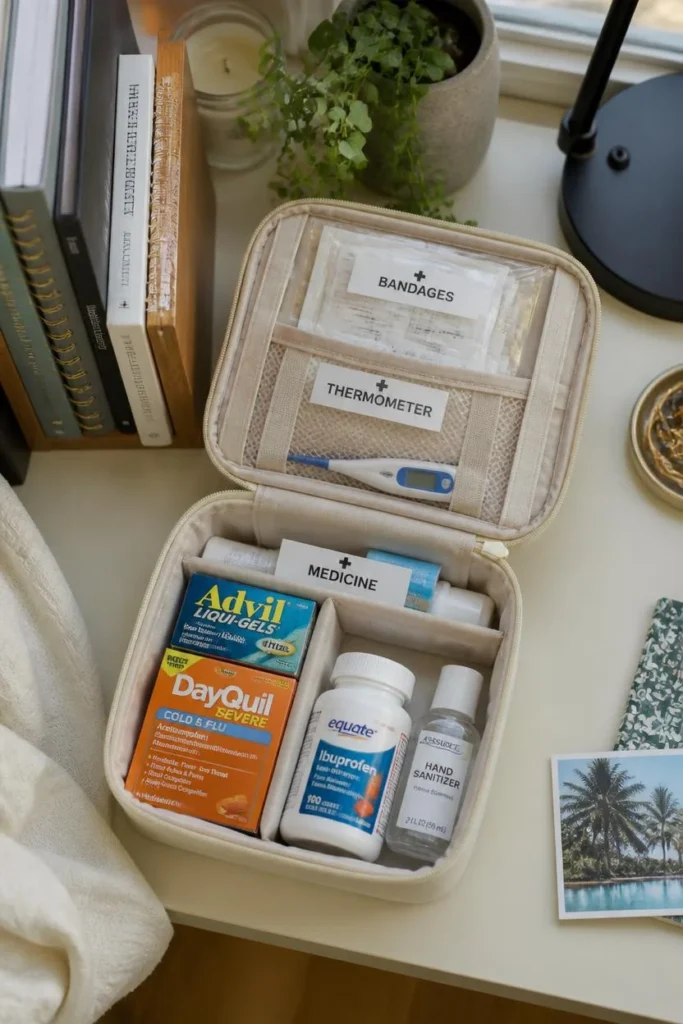
Campus health centers close at night, and the tiny 20-piece first aid kit meant for a glove compartment runs out fast in a room shared by two people. A proper kit with pain relievers, antacids, cold and allergy medicine, bandages in multiple sizes, and a digital thermometer covers the 2 AM headache or stomach bug that health services can’t touch until morning. Past students consistently name this as the item they most regret not packing, usually after their first bad cold hits during midterms. Keep it in a small labeled bin under the bed so it’s easy to find without digging through drawers at midnight. Restock it once a semester, since cold and flu season tends to clear out the basics fast.
2. Bed Risers for Instant Under-Bed Storage
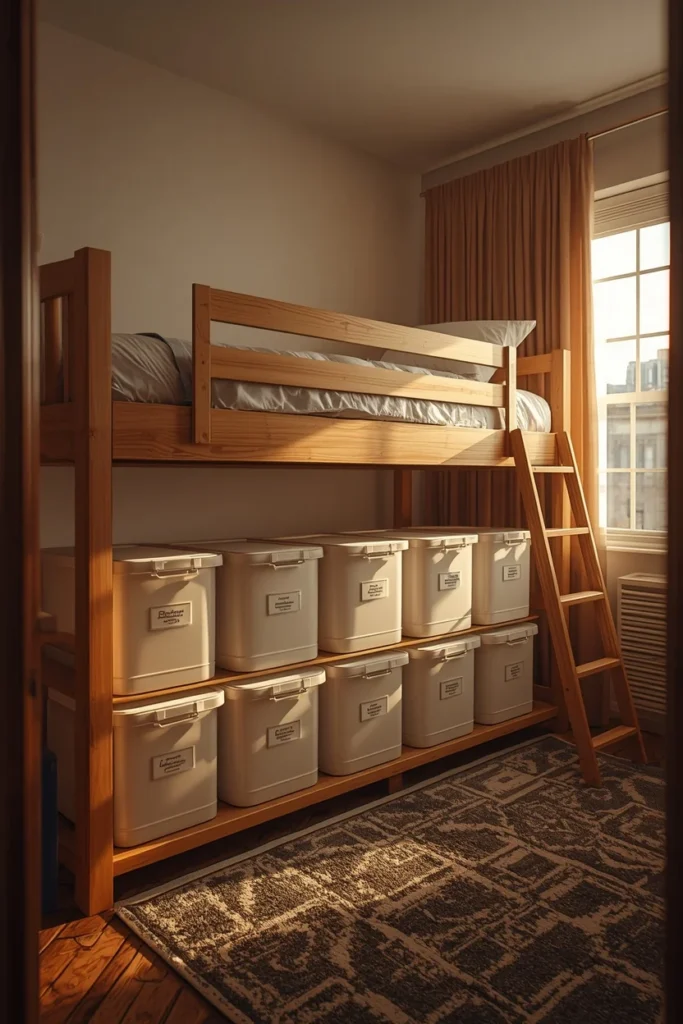
A standard dorm room leaves almost no floor space once two beds, two desks, and two dressers are in place, which makes the space under the bed some of the most valuable real estate in the room. Bed risers lift the frame anywhere from four to eight inches, creating enough clearance to slide in storage bins, a small trunk, or even a mini fridge, depending on the height chosen. This single twenty-dollar item often creates more usable storage than any organizer bought for inside the closet. Measure the bed frame and check with housing about weight limits before buying, since some dorm beds have height restrictions written into the housing contract.
3. A Mattress Topper for the World’s Worst Mattress
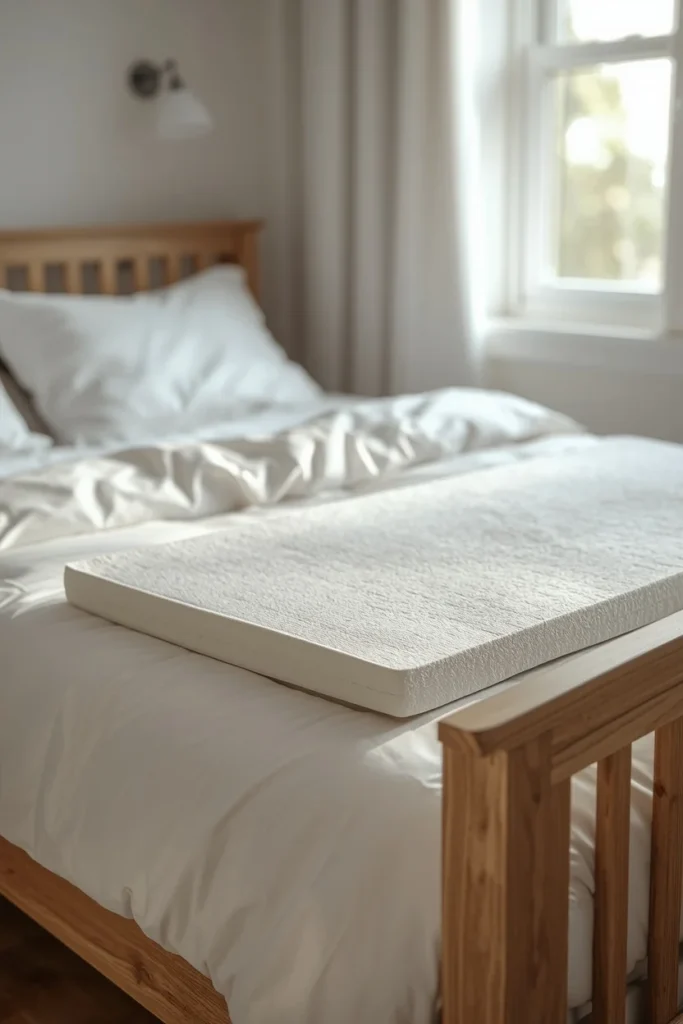
Standard dorm mattresses are built for durability across decades of students, not comfort, and most students describe their first night on one as noticeably worse than sleeping at home. A two- to three-inch memory foam or gel topper, sized specifically for a twin XL, softens the mattress enough to make a real difference in sleep quality without needing to bring a mattress from home. Pair it with a fitted mattress encasement underneath to protect against allergens and the kind of wear a shared dorm mattress has already been through. This is one of the few items on this list worth spending slightly more on, since it affects sleep every single night of the semester.
4. A Power Strip With Surge Protection and USB Ports
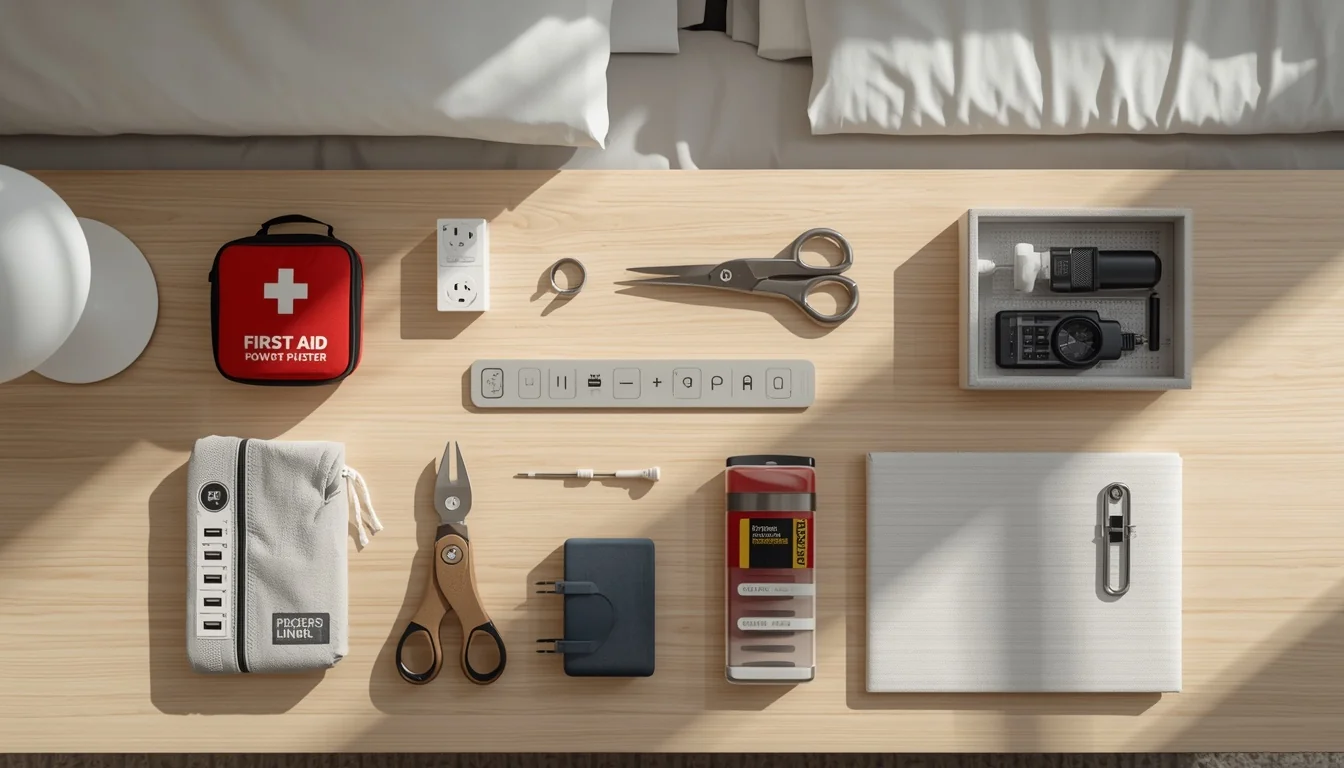
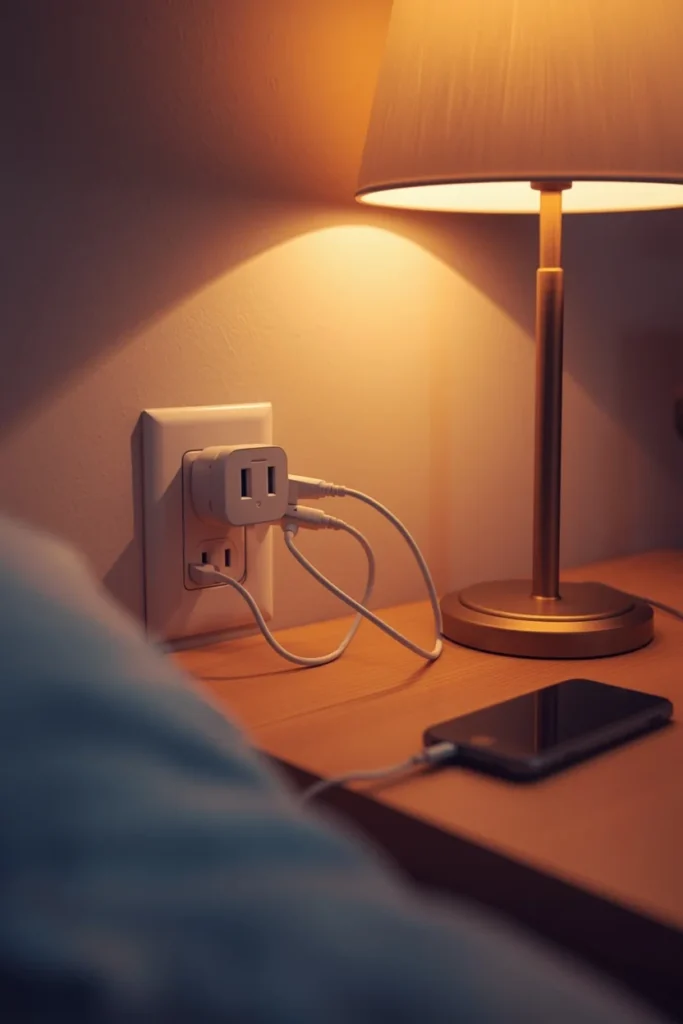
Most dorm rooms built decades ago have exactly one or two outlets meant to serve two people, two laptops, two phones, a lamp, and whatever else ends up needing power. A surge-protected power strip with built-in USB and USB-C ports solves this instantly and protects electronics from the power fluctuations older dorm wiring sometimes produces. Check housing policy before buying, since some schools require surge protection specifically and prohibit simple extension cords or non-protected strips. A power strip with a longer cord also makes furniture rearranging far easier later in the semester, once the initial room layout inevitably gets adjusted.
5. Over-the-Door Hooks for a Closet With No Room
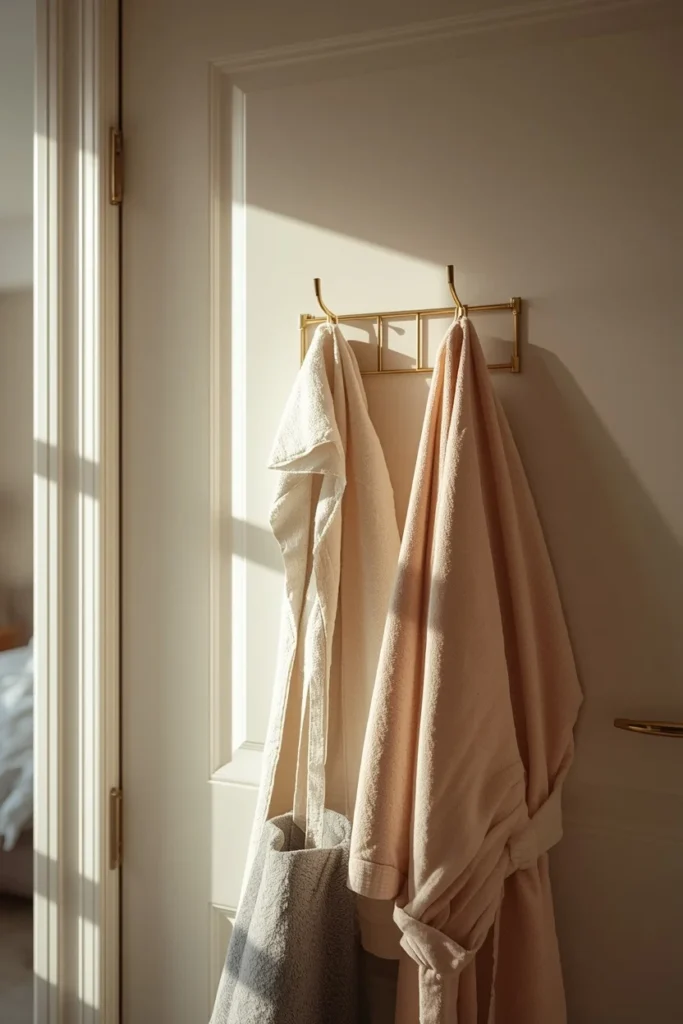
Dorm closets are almost always smaller than expected, and a few over-the-door hooks add hanging space instantly without needing a single tool or damaging the door. Use them for towels, robes, backpacks, or a hanging shoe organizer, freeing up closet rod space for actual clothing. Choose a set with a sturdy metal frame rather than plastic, since dorm doors get used constantly and a flimsy hook tends to bend or snap within the first month. This is one of the cheapest items on the entire list and consistently one of the most useful.
6. A Shower Caddy That Actually Drains
A communal bathroom means carrying shower supplies back and forth daily, and a caddy with solid mesh or drainage holes in the bottom prevents the soggy, moldy mess that a solid-bottomed caddy develops within a few weeks. Look for one with a sturdy handle and enough compartments to separate shampoo, soap, and a razor, since dropping items on a shared bathroom floor is its own special kind of unpleasant. A quick-dry design matters more than style here, even though most caddies marketed for dorms lean heavily on color and pattern over function. Hang it on the same over-the-door hook system to keep it off the floor between showers.
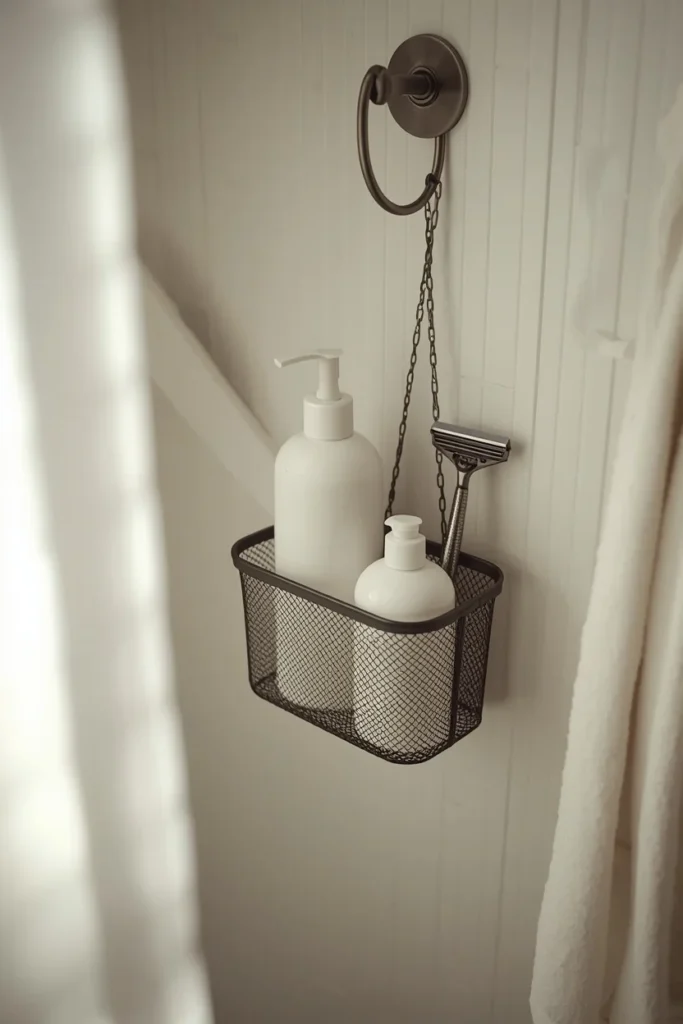
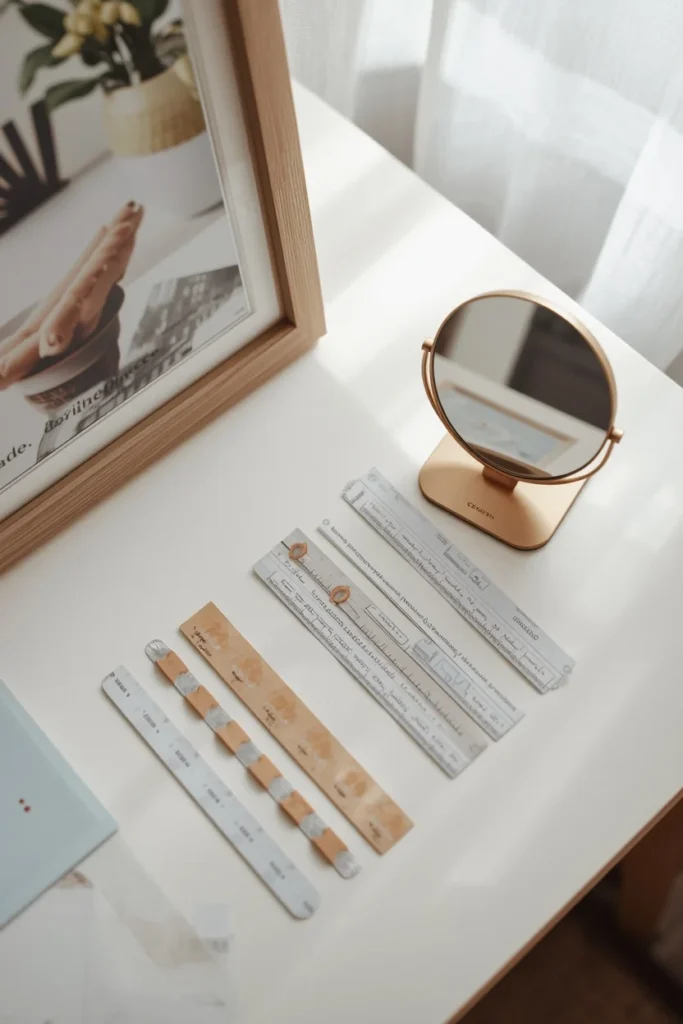
7. Command Strips and Hooks in Bulk
Most housing contracts prohibit nails, screws, or tape that damages paint, which makes removable adhesive strips one of the most-used items in any dorm room by the end of move-in week. Buy more than seems necessary, since they get used for string lights, posters, a mirror, a small shelf, and a dozen small fixes that come up throughout the semester. Choose a mix of sizes and weight ratings, since a strip rated for a lightweight poster won’t hold a mirror or a small shelf without failing. Keep a few spares in a drawer for the inevitable moment something falls down mid-semester and needs re-hanging.
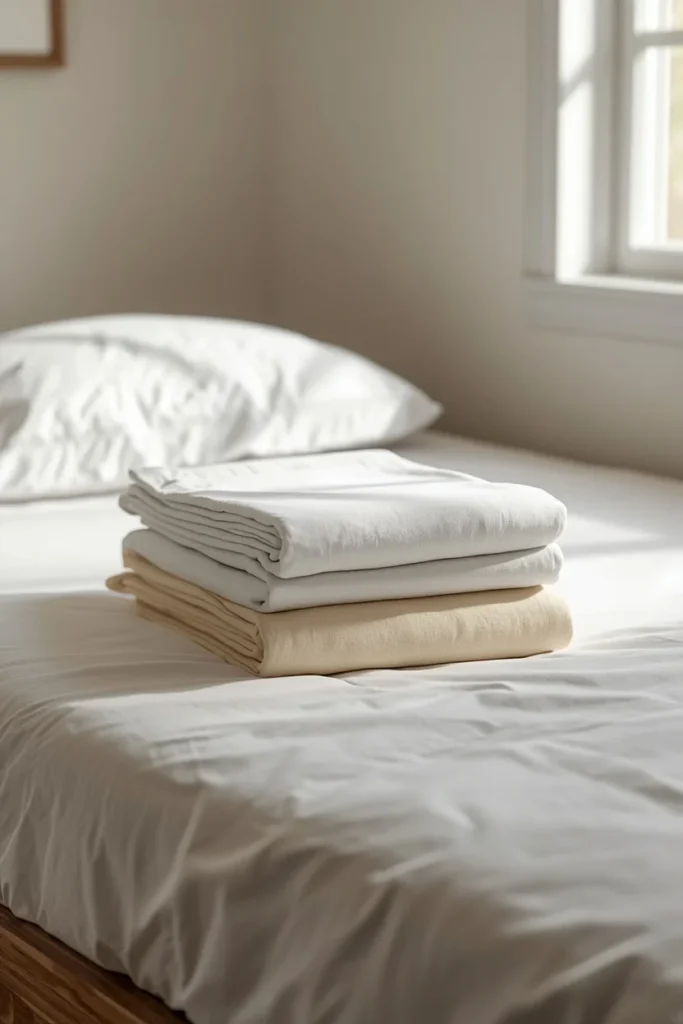
8. A Second Set of Twin XL Sheets
One set of sheets means sleeping on a bare mattress every time laundry day rolls around, which sounds minor until it’s midnight before an 8 AM class and the laundry room has a forty-minute wait. A second full set, including a fitted sheet, flat sheet, and pillowcase, solves this completely and means laundry can wait for a convenient day rather than becoming an emergency. Twin XL is a specific size that differs from a standard twin, so double-check sizing before buying, since a regular twin sheet won’t stretch to fit a dorm mattress properly. Two sets also mean one can go home for a real wash over an extended school break while the other stays in use.
9. Noise-Canceling Headphones or Earplugs
Dorm hallways and shared rooms are loud at hours that don’t match anyone’s actual schedule, and a good pair of noise-canceling headphones solves both the “studying while a hallway party happens” problem and the “roommate is on a call at 2 AM” problem. A simple pack of foam earplugs works nearly as well for sleeping and costs a fraction of the price, making it worth keeping both options on hand for different situations. This item consistently comes up in student surveys as something they wished they’d prioritized higher on their original packing list. Keep a pair in a backpack too, since library and lecture hall noise can be just as disruptive during the day.

10. A Small Tool Kit With a Screwdriver
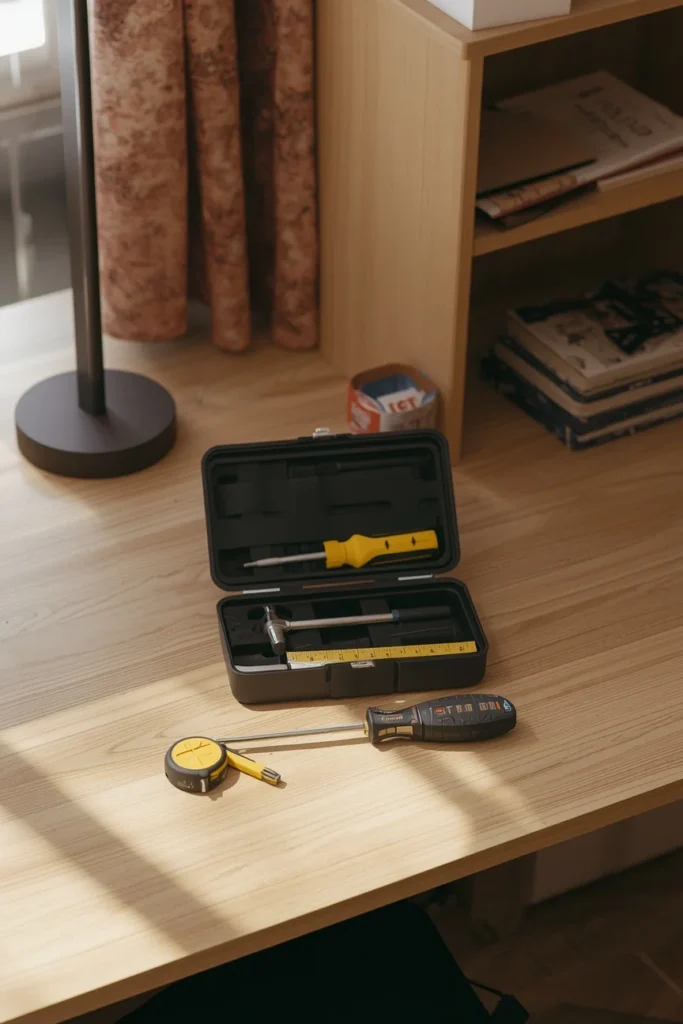
Furniture assembly, a loose bed frame bolt, a wobbly desk chair, or hanging a mirror all require basic tools that most students don’t think to pack because they’ve never needed their own tool kit before. A compact kit with a few screwdriver heads, a small hammer, pliers, and a tape measure covers nearly everything that comes up in a typical dorm room over a full year. Borrowing tools from a resident assistant or a neighbor works occasionally, but owning a basic kit means not waiting around for a fix that takes five minutes with the right tool. This is a low-cost item that tends to get borrowed by an entire floor once people realize someone actually has one.
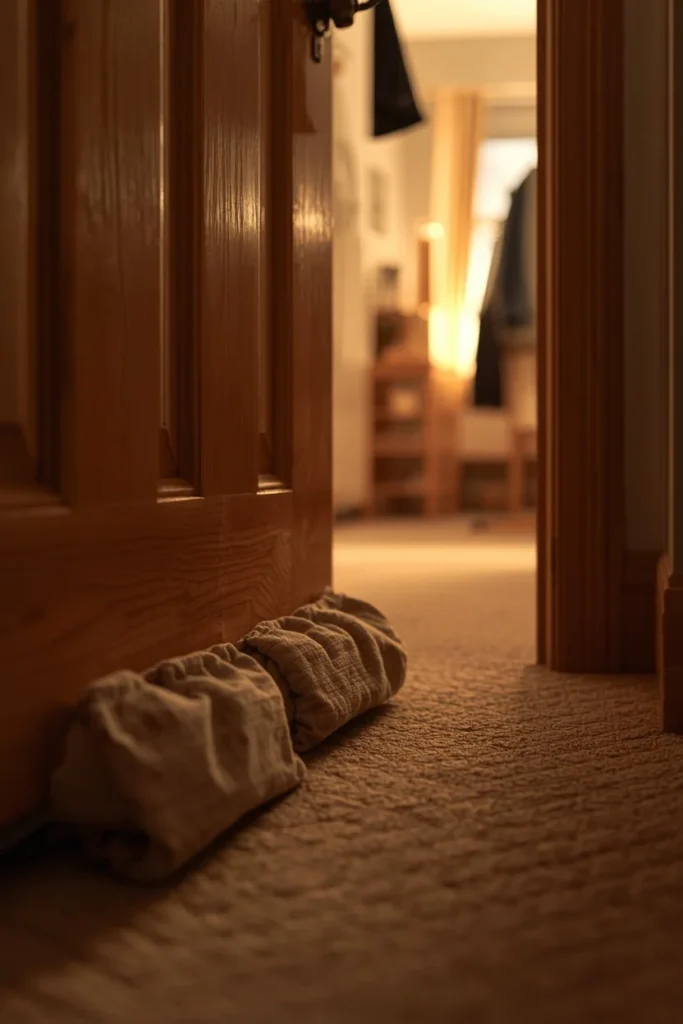
11. A Door Draft Stopper or Sound Blocker
A gap under a dorm room door lets in hallway light, noise, and drafts in colder buildings, all of which chip away at sleep quality more than most students expect before move-in. A simple draft stopper, either a fabric tube or an adhesive foam strip, blocks light and sound significantly and takes less than a minute to install. This matters most in older dorm buildings, where doors were built to a different standard than modern insulated construction. It’s a small, inexpensive fix for a problem that otherwise shows up every single night without an obvious cause.
12. A Portable Fan (Even in a “Cool” Climate)
Many older dorm buildings don’t have air conditioning at all, and even newer buildings with climate control often run warm in early fall and late spring when rooms fill with electronics and two people’s body heat. A compact desk or clip-on fan takes up almost no space and makes a noticeable difference during the first few warm weeks of the semester, long before most students think to buy one. Choose a fan with a clip or clamp base if desk space is tight, since it can attach to a bed frame or shelf instead of taking up surface area. This is consistently one of the most regretted “should have packed it” items among students in buildings without central air.

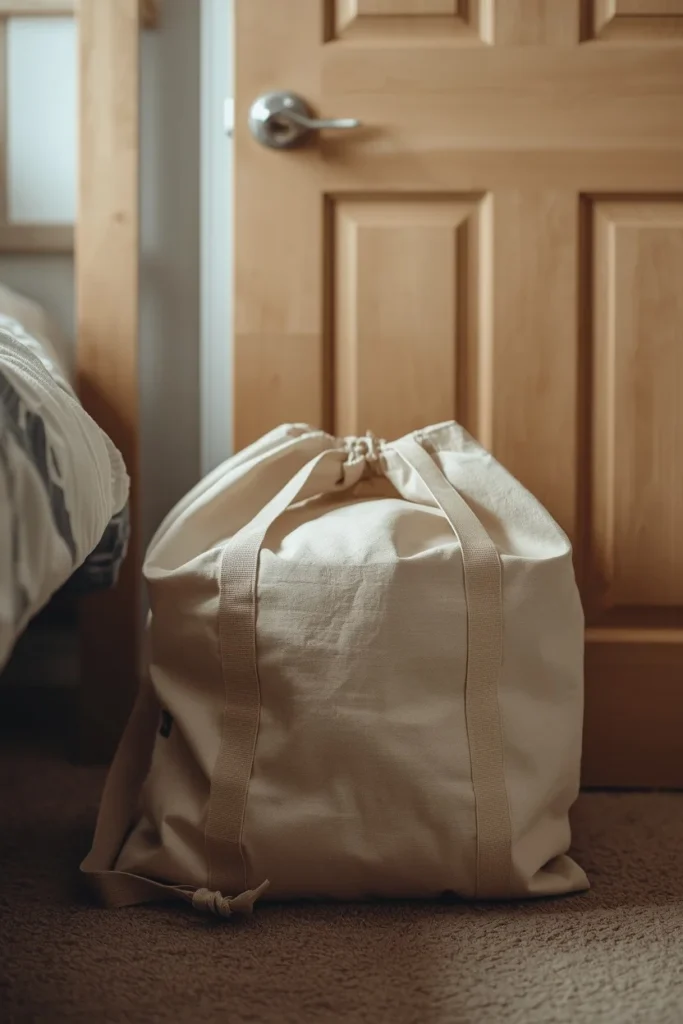
13. A Laundry Bag You Can Sling Over One Shoulder
Carrying loose laundry down several flights of stairs to a communal laundry room is far more annoying than it sounds, especially when both hands are needed for a door, an elevator button, or a phone. A mesh or canvas laundry bag with a shoulder strap keeps clothes contained and leaves at least one hand free during the walk. Choose a bag with a wide opening rather than a small drawstring top, since stuffing clothes through a narrow opening gets old by the third laundry day. This is a small, cheap fix for a chore that happens weekly for an entire year.
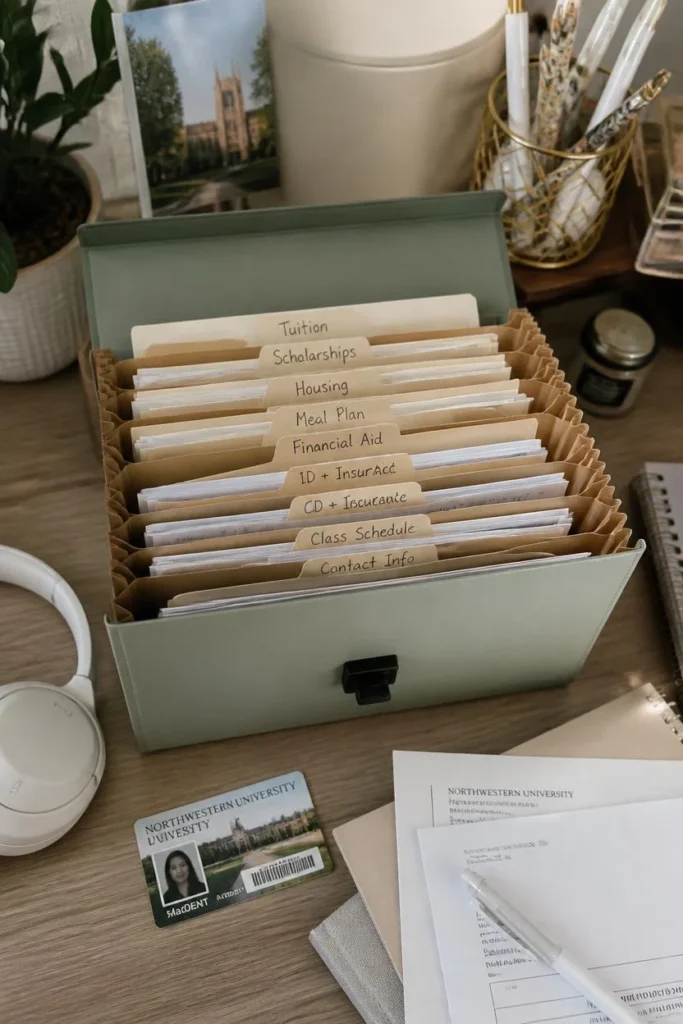
14. A Folder for Physical Documents
Student ID paperwork, housing forms, insurance cards, prescription information, and financial aid documents pile up fast during the first few weeks, and a simple accordion folder or binder keeps them from getting lost in a backpack or under a stack of textbooks. Keep it in an easily accessible spot, like a desk drawer, rather than packed away in storage, since these documents tend to get needed unexpectedly for a campus office visit or a pharmacy trip. Label sections clearly, separating academic paperwork from medical and financial documents, so nothing needs a full search during a stressful moment. This is a low-effort habit that saves real time and frustration throughout the year.
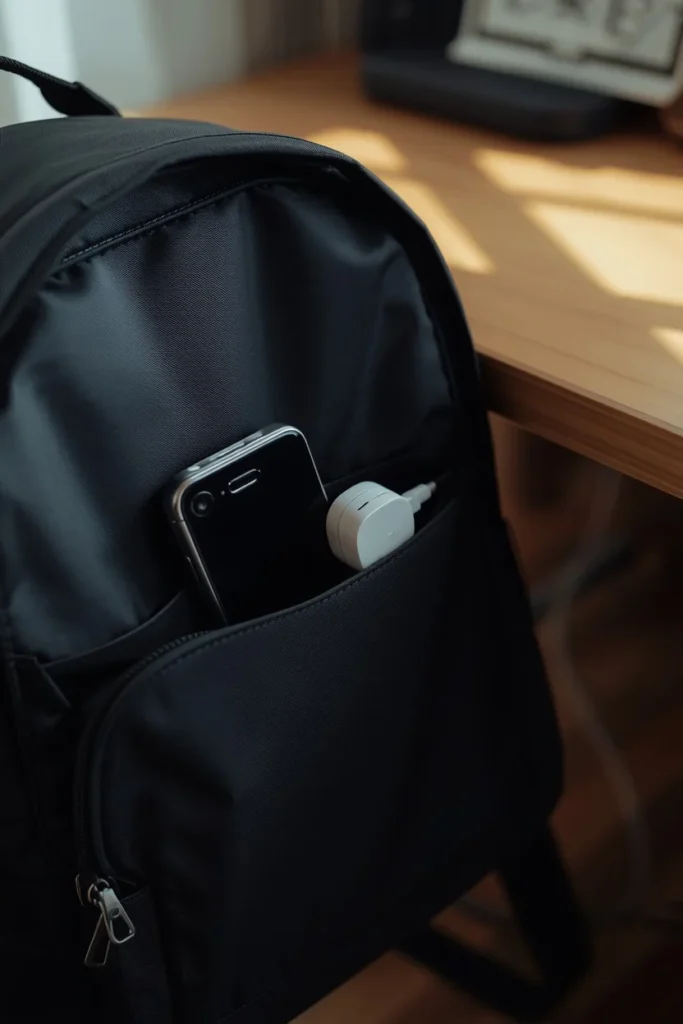
15. A Backup Phone Charger That Lives in Your Backpack
A single charger that stays plugged in at the desk is easy to forget when rushing to an 8 AM class, and a dead phone during a long day on campus creates its own small crisis. A second charger, kept permanently in a backpack rather than moved back and forth, removes the need to remember it every morning. A short charging cable and a compact plug adapter take up almost no space and solve a problem that comes up regularly during the first semester, before new routines fully settle in. This is one of the simplest fixes on the entire list and one of the easiest to overlook while packing.
16. Flip-Flops for the Communal Shower
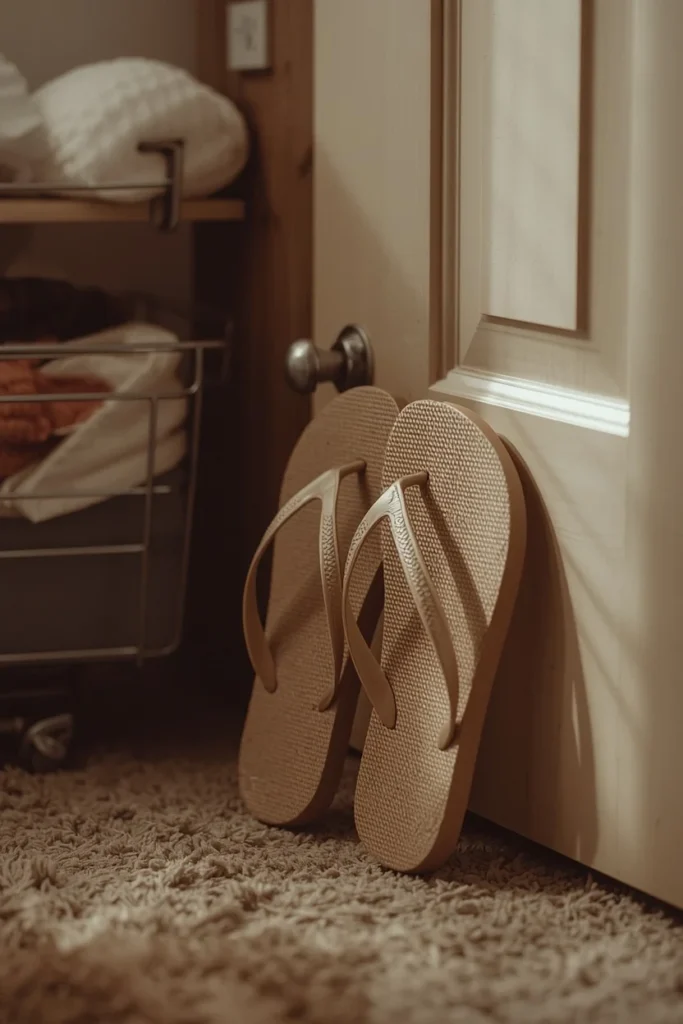
A dedicated pair of shower shoes matters more in a communal bathroom than almost any other item on a typical dorm checklist, since shared shower floors are a well-known source of foot fungus and other issues that are easy to avoid with the right footwear. Choose a pair with textured, non-slip soles rather than smooth flip-flops, since wet tile floors can be genuinely slippery. Keep them in the shower caddy or hanging near the door so they’re never forgotten on the walk to the bathroom. This is a small, inexpensive item that prevents a genuinely unpleasant and avoidable problem.
17. A Small Fire-Safe Space Heater Alternative
Traditional space heaters are banned in most dorm buildings due to fire risk, but a warm throw blanket, a heated mattress pad rated for dorm safety, or a personal heated blanket approved by housing can solve the same problem in colder buildings without violating fire code. Check the specific housing policy before buying anything heat-related, since rules vary significantly between schools and even between buildings on the same campus. A chunky knit blanket layered over the bed also adds real warmth without needing electricity at all, which works as a backup in rooms where heated items aren’t allowed. This solves a genuine comfort problem in older buildings with inconsistent heating.

18. Extra Batteries and a Small Flashlight
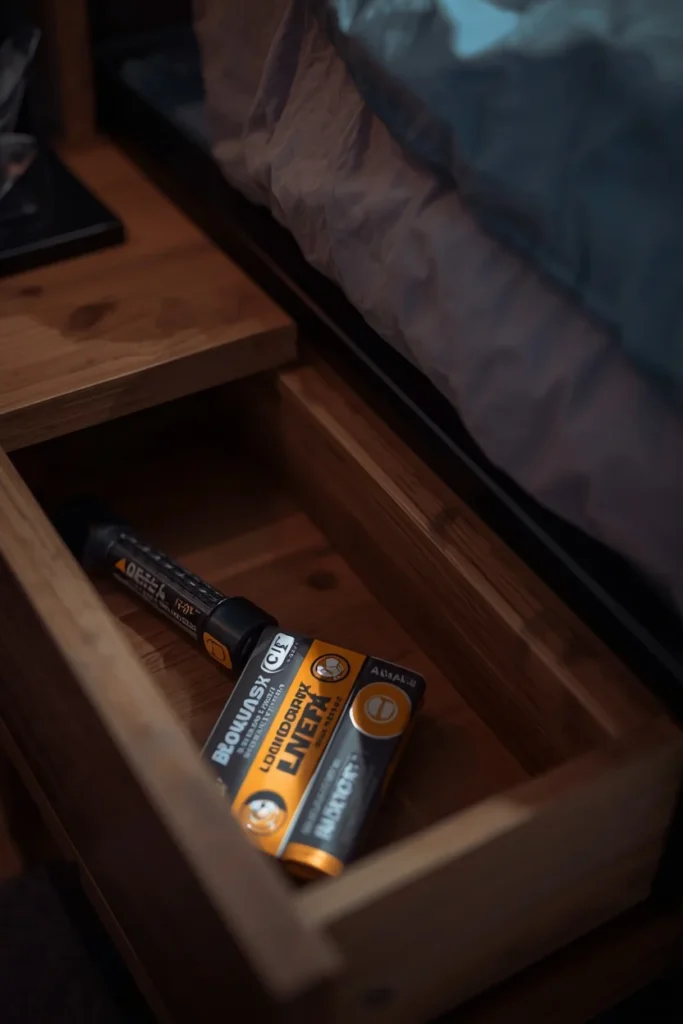
Power outages, fire alarm drills at inconvenient hours, and dead remote batteries all happen more often in a dorm building than most students expect, and a small flashlight with a stock of extra batteries solves all of it without relying on a phone flashlight that drains the battery fast. Keep the flashlight somewhere easy to find in the dark, like a bedside drawer, rather than buried in storage. A small stock of AA and AAA batteries also covers other dorm items that inevitably need them, from a alarm clock to a wireless mouse. This is a low-cost, rarely-needed item that becomes genuinely important the one time it’s needed.
19. A Whiteboard or Small Calendar for the Door
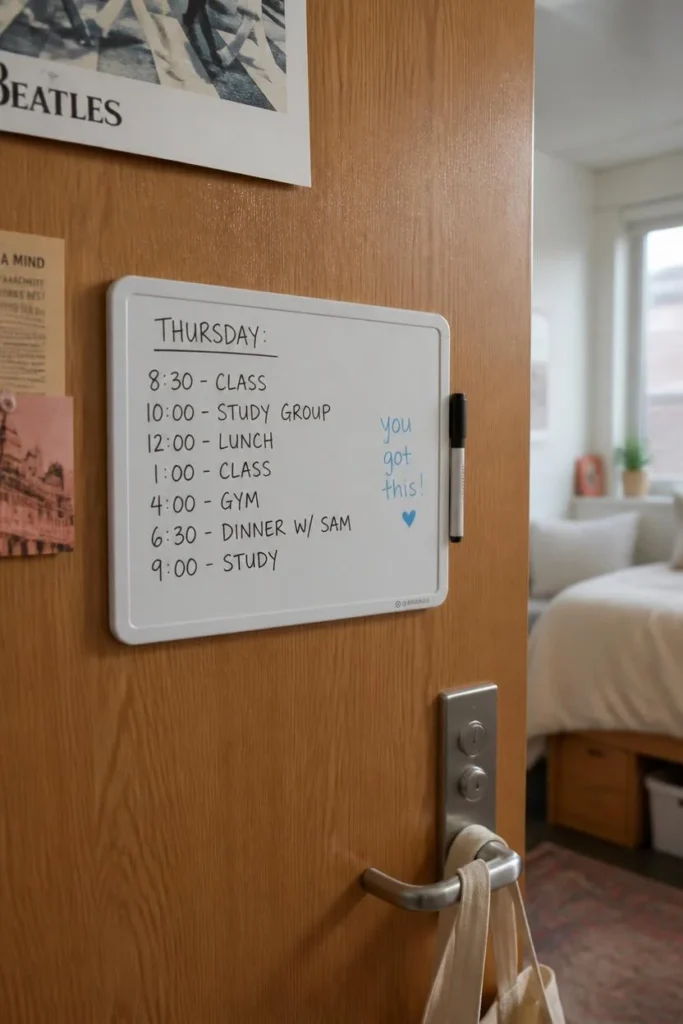
A small whiteboard mounted on or near the door helps roommates communicate schedules, reminders, and quick notes without relying on texting someone who’s five feet away but asleep or on a call. It also doubles as a simple way to track assignment deadlines or exam dates during busier weeks, especially for anyone who thinks better with a visual reminder than a phone calendar app. Choose a magnetic whiteboard if the door is metal, since magnets skip the need for adhesive strips entirely. This small addition becomes a genuinely useful communication tool once a roommate relationship settles into its actual daily rhythm.
20. A Sewing Kit With Safety Pins
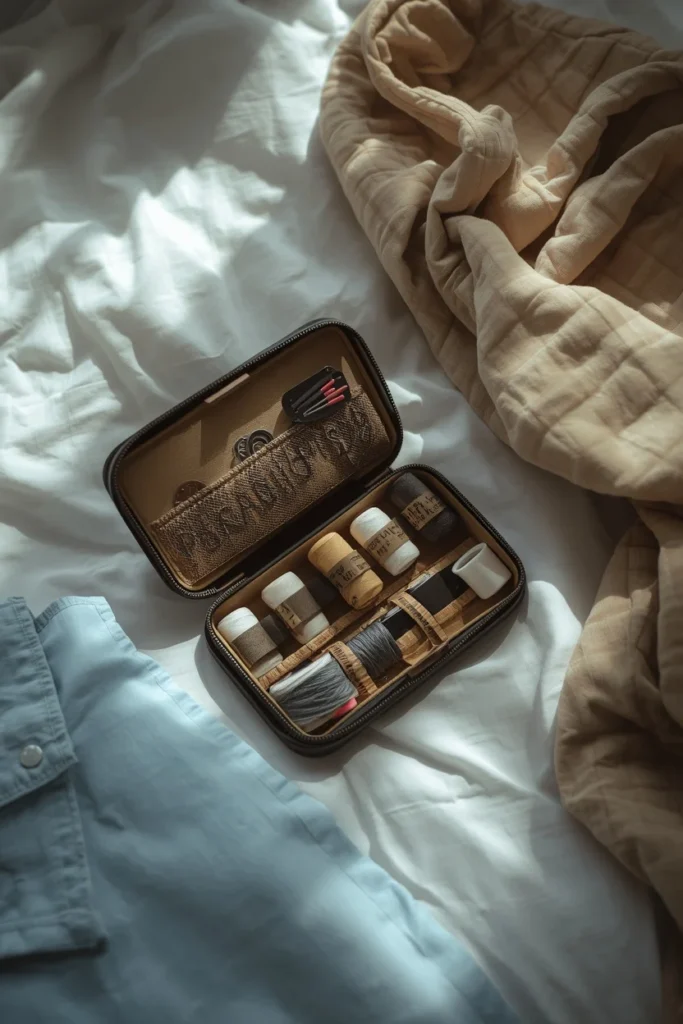
A popped button or a small tear in clothing is a minor inconvenience at home but becomes a bigger problem in a dorm room without easy access to a sewing machine or a parent’s mending skills. A basic travel sewing kit with a few needles, thread in common colors, and a handful of safety pins covers the majority of small clothing repairs that come up during a busy semester. Safety pins alone solve more emergencies than most students expect, from a loose hem before an event to a backpack strap that needs a quick temporary fix. This tiny kit takes up almost no space and rarely gets used, until the one week it’s needed twice.
21. A Water Filter Pitcher or Filtered Bottle
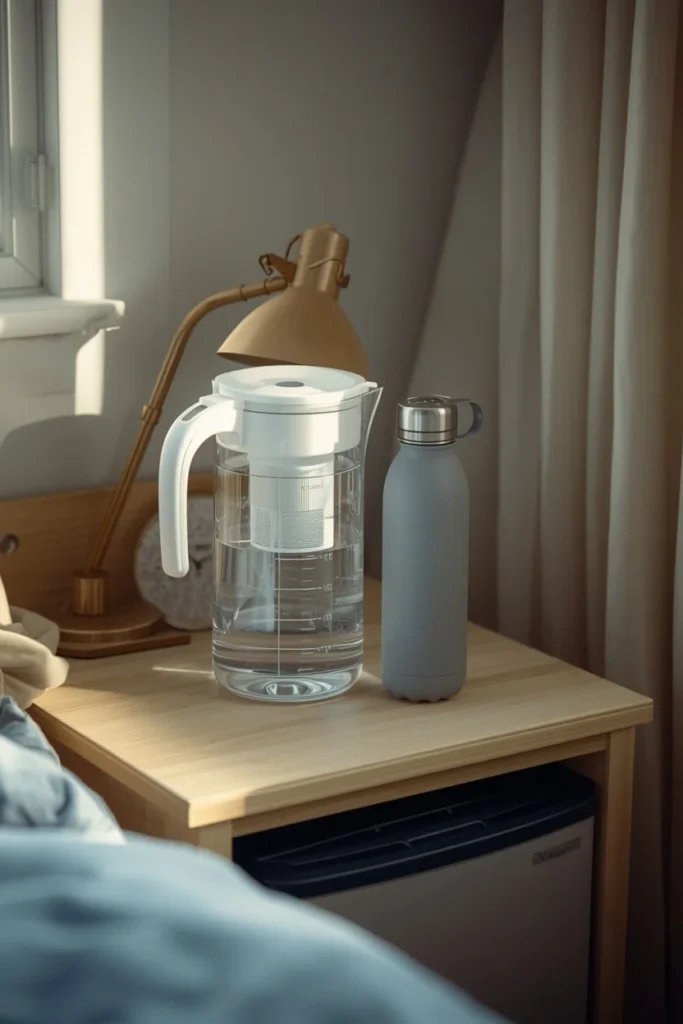
Dorm tap water quality varies significantly by building and by campus, and a filtered pitcher or a bottle with a built-in filter removes the guesswork without needing to buy cases of bottled water every week. This also cuts down on plastic waste and saves a meaningful amount of money across a full semester compared to bottled water habits. Keep the pitcher in a mini fridge if space allows, since cold filtered water gets used more consistently than water left at room temperature on a desk. This is a small investment that pays for itself within the first month for most students.
22. A Set of Adjustable Bed Curtains for Privacy
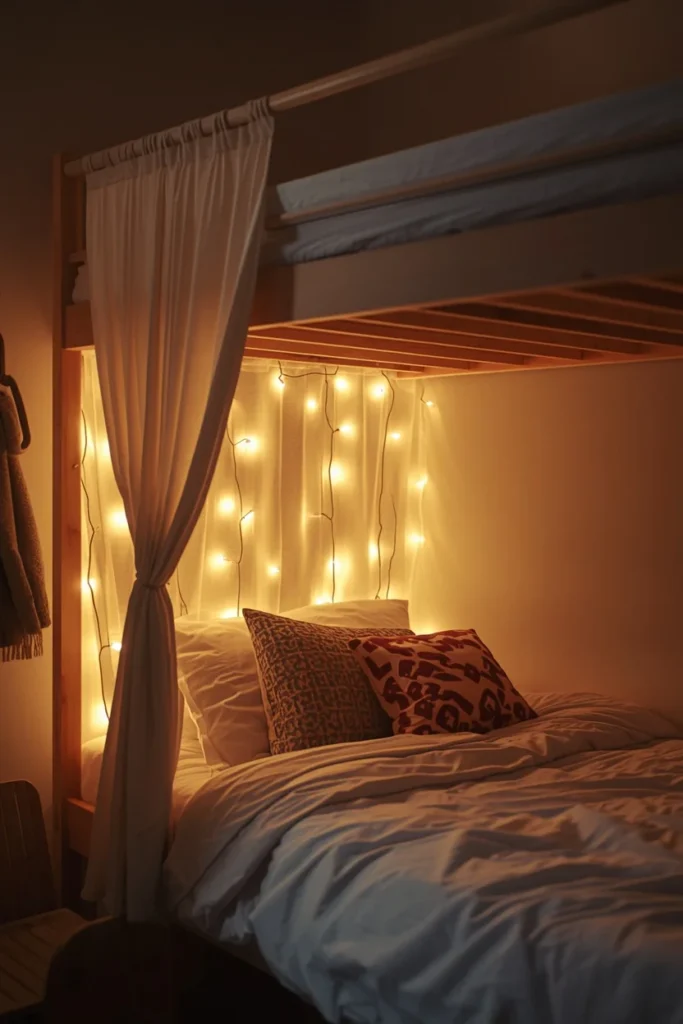
A shared room offers almost no personal space, and a simple curtain rod attached to a lofted or bunked bed frame creates a private nook for sleeping, studying, or a phone call without needing to leave the room. This works especially well for anyone with a roommate on a different schedule, since curtains block enough light to allow sleep even while the other side of the room stays active and lit. Choose a lightweight, easy-to-install rod system rather than anything requiring permanent mounting, since most housing contracts prohibit drilling into bed frames or walls. This idea has grown significantly in popularity among students in shared rooms specifically because it solves a privacy problem no other item on this list addresses.
23. A Small Lockbox for Valuables and Documents
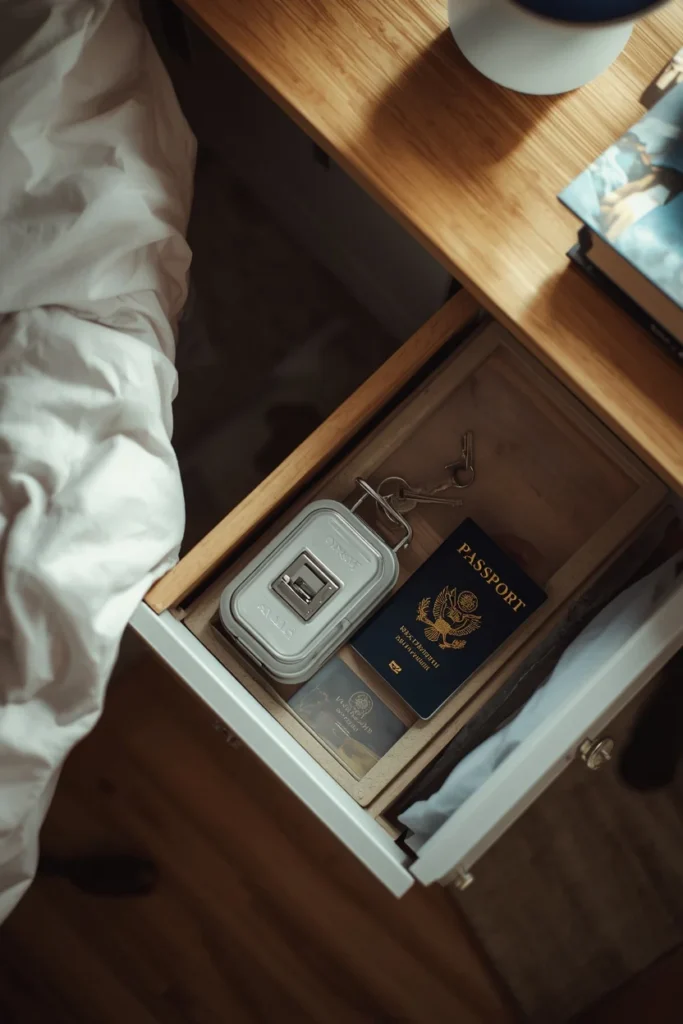
Dorm rooms get more foot traffic than a typical bedroom at home, with roommates, friends, and occasional maintenance visits all passing through, and a small lockbox gives a secure spot for a passport, extra cash, or a spare set of car keys. This matters most for anyone living in a room with frequent guests or a large shared suite, where keeping track of who has access to the space becomes harder to manage. A compact box that fits in a desk drawer or under-bed storage bin works fine for most students, without needing anything large or elaborate. This is a small peace-of-mind item that rarely gets mentioned on standard packing lists.
24. Earplugs and an Eye Mask for Mismatched Sleep Schedules
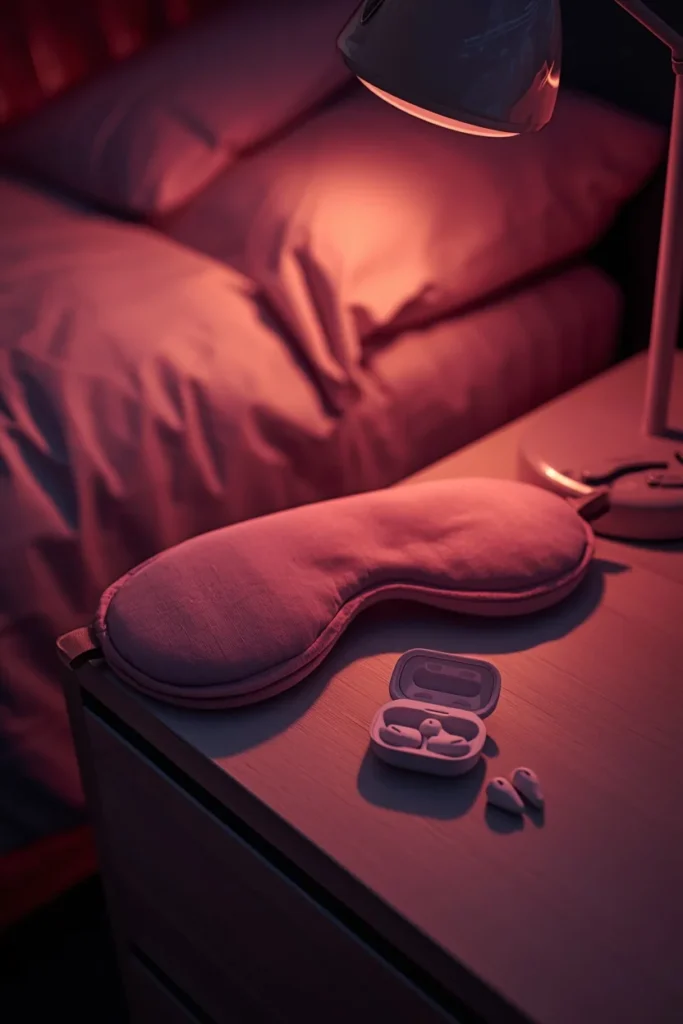
Roommates rarely share identical sleep schedules, and a night owl roommate’s desk lamp or late-night phone scrolling can easily disrupt someone trying to sleep before an early class. A comfortable eye mask paired with foam earplugs solves this without needing an uncomfortable conversation every single night about lights and noise. Keep both items in the same spot, like a small pouch by the bed, so the nightly routine doesn’t require searching for them in the dark. This combination consistently comes up in student advice as an underrated fix for one of the most common early-semester roommate frustrations.
25. An “Emergency Cash and Snacks” Drawer
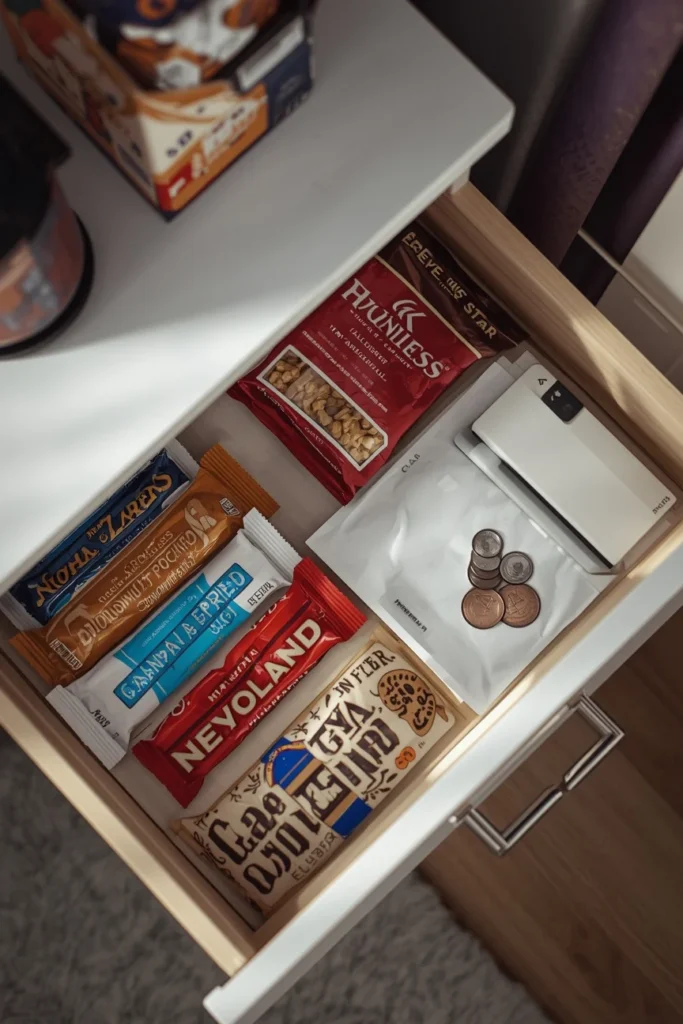
A small stash of cash and shelf-stable snacks in a designated drawer solves two very specific late-night problems: a broken vending machine card reader and a dining hall that’s already closed for the night. Granola bars, crackers, and a few instant meals cover the basics without needing a full pantry, while a small amount of cash covers a laundry machine that only takes coins or a food truck that doesn’t accept cards. Restock this drawer once a month rather than letting it run empty, since it tends to get used more during stressful weeks like midterms and finals. This is a small habit that solves a surprising number of very specific, very common dorm-life inconveniences.
Styling Tips
Group items by the problem they solve rather than by category, so storage stays intuitive during a busy week — bathroom items together, sleep items together, emergency items in one labeled bin. Favor smaller, stackable containers over one large bin, since dorm storage tends to be narrow and vertical rather than wide and open. And keep frequently used items, like chargers and a first aid kit, in the most accessible spots, saving under-bed storage for things needed only occasionally.
Practical Implementation Ideas
Buy the true essentials before move-in day, then wait a week or two before filling in the rest, since the actual layout and quirks of the room only become clear after living in it briefly. Coordinate with a roommate ahead of time on shared items like a mini fridge, a fan, or a whiteboard, so nothing gets duplicated in a small shared space. Keep receipts and packaging for the first month, since a few items — a mattress topper that’s too thick, a fan that’s too loud — sometimes need an exchange once they’re actually in use.
Common Mistakes to Avoid
Packing decorative items before functional ones often means running out of space or budget before the genuinely useful items get bought. Skipping housing policy research on power strips, heaters, and wall damage can lead to items getting confiscated or a fine at the end of the year. And assuming a roommate will bring shared items, like a fan or a whiteboard, without an actual conversation beforehand tends to lead to either two of everything or none at all.
Small-Space Alternatives
In an especially small or triple-occupancy room, prioritize items that serve double duty, like a lockbox that also holds a first aid kit, or a laundry bag that also works as extra storage when empty. Vertical storage, like over-the-door hooks and bed risers, matters even more in these rooms, since floor space disappears fast with three people’s belongings in one room.
Budget-Friendly Alternatives
Many of these items, including bed risers, command strips, a first aid kit, and a sewing kit, cost under fifteen dollars each and can be found at most general retailers without needing a specialty dorm shopping trip. Buying a few items secondhand from an older student moving out at the end of the year, especially bulkier things like storage bins, can cut costs significantly without sacrificing function.
Pro Styling Recommendations
Do a walkthrough of the actual assigned room, or ask an upperclassman for real photos of the specific building, before finalizing big-ticket purchases like a mattress topper size or a fan style, since dorm layouts vary more than official housing photos usually show. Keep a small “returns” bag in the closet for the first month, since a handful of items on any list inevitably turn out to be unnecessary once the room is actually set up. And revisit this list around week three or four, once the real gaps in the room’s setup become obvious.
FAQs
Conclusion
The standard dorm checklist covers what you’ll obviously need. This list covers what tends to surface a few weeks in, once the room is unpacked and daily life actually starts. Pack the essentials first, hold off on the rest until the room’s real gaps show themselves, and keep this list close by for the items that solve problems you didn’t know you’d have until you had them.