22 Cosmic Interior Design Ideas for a Starry, Galaxy-Inspired Home
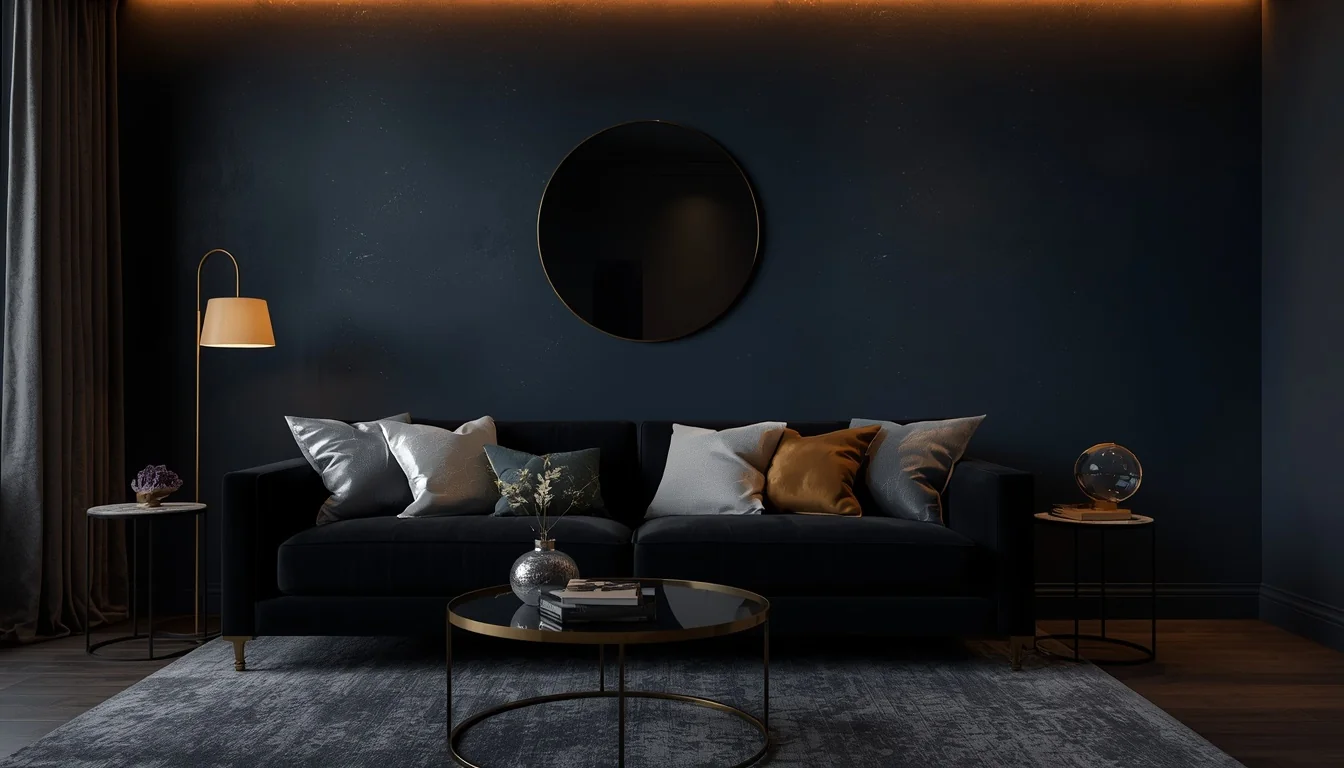
There’s a specific kind of room that makes you want to lower your voice the second you walk in. Deep color on the walls. A little shimmer catching the lamp light. Something about it feels like standing outside at night, looking up.
That’s the pull of cosmic interior design. Not glow-in-the-dark ceiling stickers left over from a childhood bedroom, but a genuinely grown-up take on starry, galaxy-inspired style, built from deep midnight color, metallic detail, and the kind of texture that catches light the way a night sky does.
A lot of people hear “cosmic decor” and picture something a little juvenile. Done right, it’s the opposite. Think moody velvet, brass accents, a scattering of stars so subtle you almost miss them, and just enough shimmer to remind you the whole thing was inspired by something bigger than the room itself.
This guide walks through 22 specific ways to bring that feeling into your home, room by room, detail by detail. Save the ones that speak to you.
Table of Contents
1. Paint a Galaxy-Inspired Accent Wall in Deep Midnight Blue
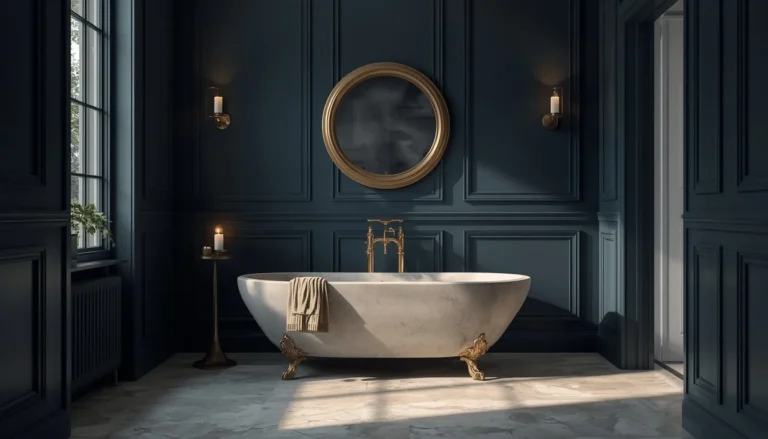
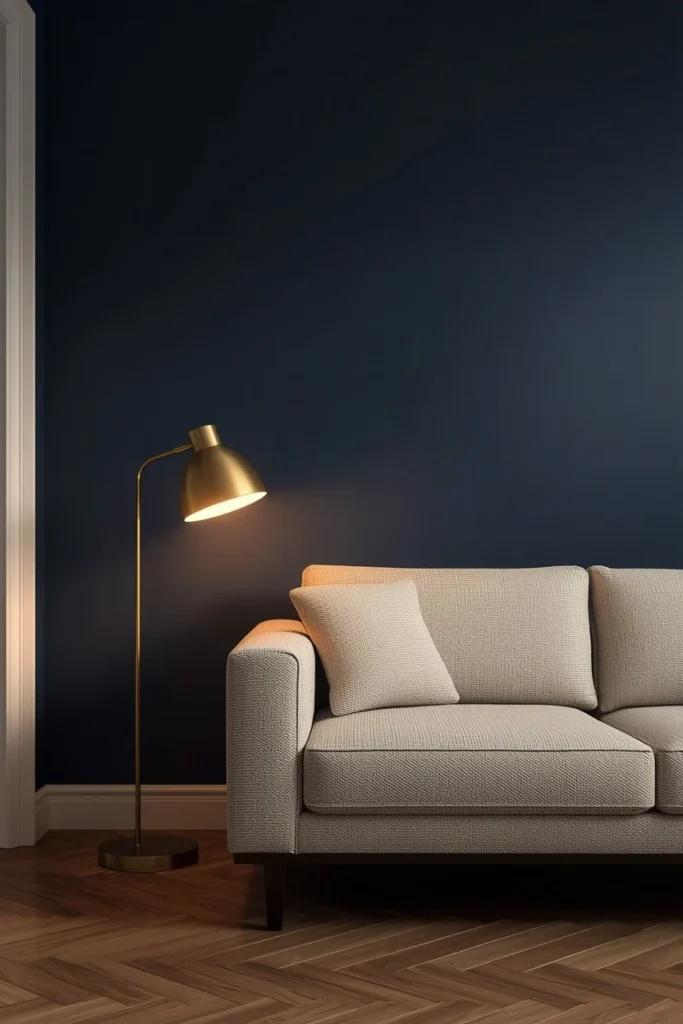
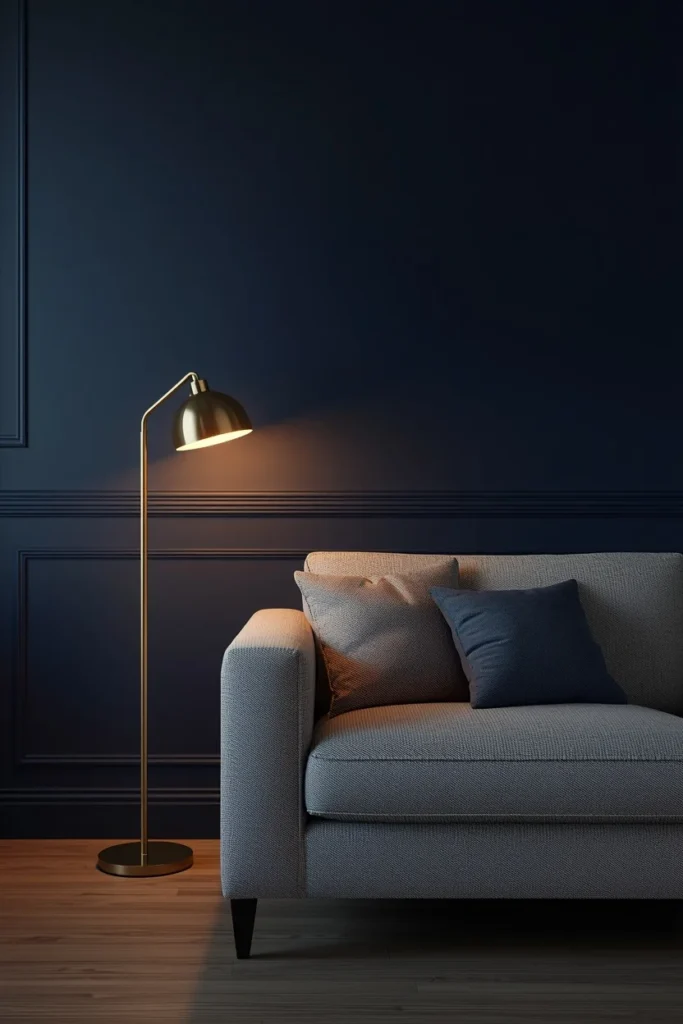
A deep midnight blue accent wall is the single most effective way to introduce cosmic style into a room, since the color itself already reads as night sky before you add a single decor piece. Choose a shade with a slight depth to it, almost black in low light but revealing rich blue undertones when the sun hits it directly, which mimics the way an actual night sky shifts depending on the light. Keep the remaining walls in a warm white or soft gray so the midnight wall stays the focal point rather than making the whole room feel enclosed. Furniture in brass, warm wood, or cream fabric grounds the deep color and keeps the space from feeling like a cave. This single change sets the tone for every other cosmic detail you add afterward.
2. Install a Star Projector Ceiling Feature
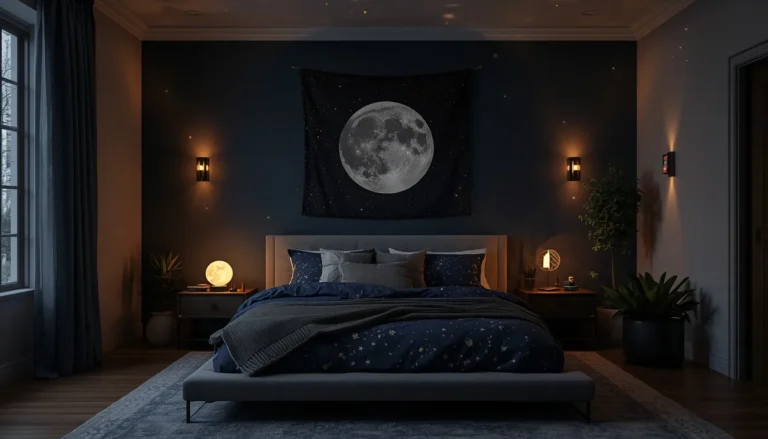
A star projector casts a moving field of small light points across the ceiling and walls, recreating the drifting, twinkling quality of an actual night sky without any permanent installation. Choose one with adjustable brightness and a warm white or soft blue light setting rather than harsh, overly saturated colors, since subtlety is what keeps this feature feeling sophisticated rather than novelty. Position it in a corner or on a shelf where the light can spread across the largest possible ceiling area, typically angled toward the center of the room. This works especially well in a bedroom or media room used mainly in the evening, since the effect is most dramatic once the main lights go down. It’s one of the lowest-commitment ways to test whether you love the cosmic aesthetic before investing in paint or larger furniture changes.
3. Hang a Vintage-Style Constellation Star Map
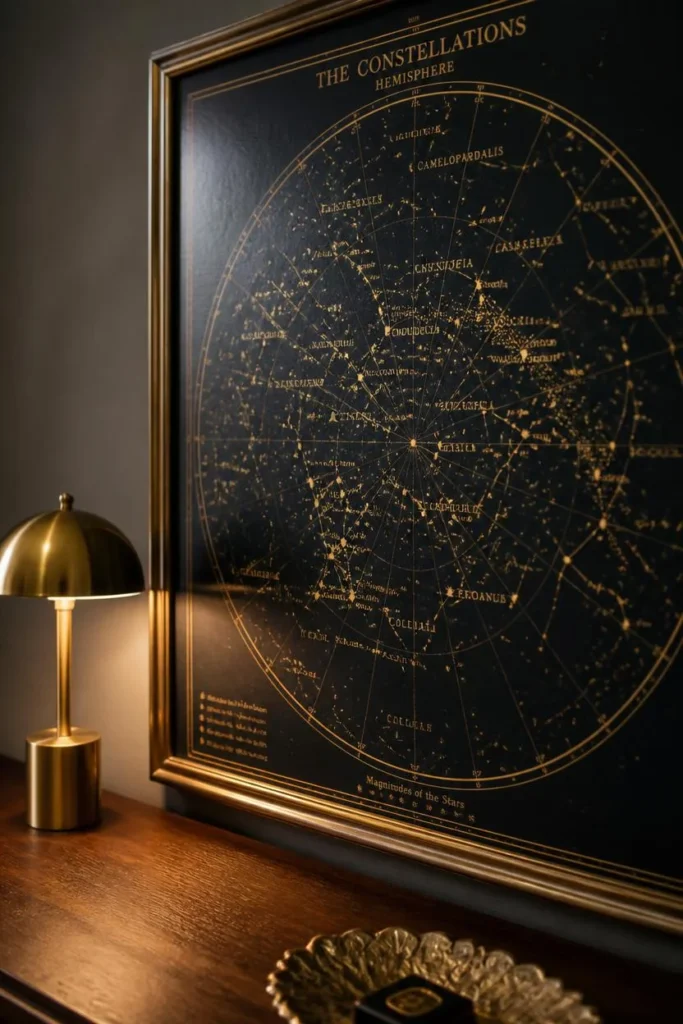
A framed constellation map, styled after antique astronomical charts, brings genuine cosmic reference into the room through actual star patterns rather than abstract decoration. Choose a print with a dark navy or black background and fine gold or white line work, since this color combination echoes the room’s broader palette while adding intricate detail at close range. Frame it in brass or dark wood and hang it as a single statement piece above a console or reading chair rather than grouping it into a busy gallery wall. Star maps also carry a quiet personal option, since some are printed to show the exact sky above a specific location and date, which adds a layer of meaning beyond the visual. This piece works as a genuine conversation starter in a way most decorative wall art doesn’t.
4. Add Iridescent or Holographic Accent Pillows
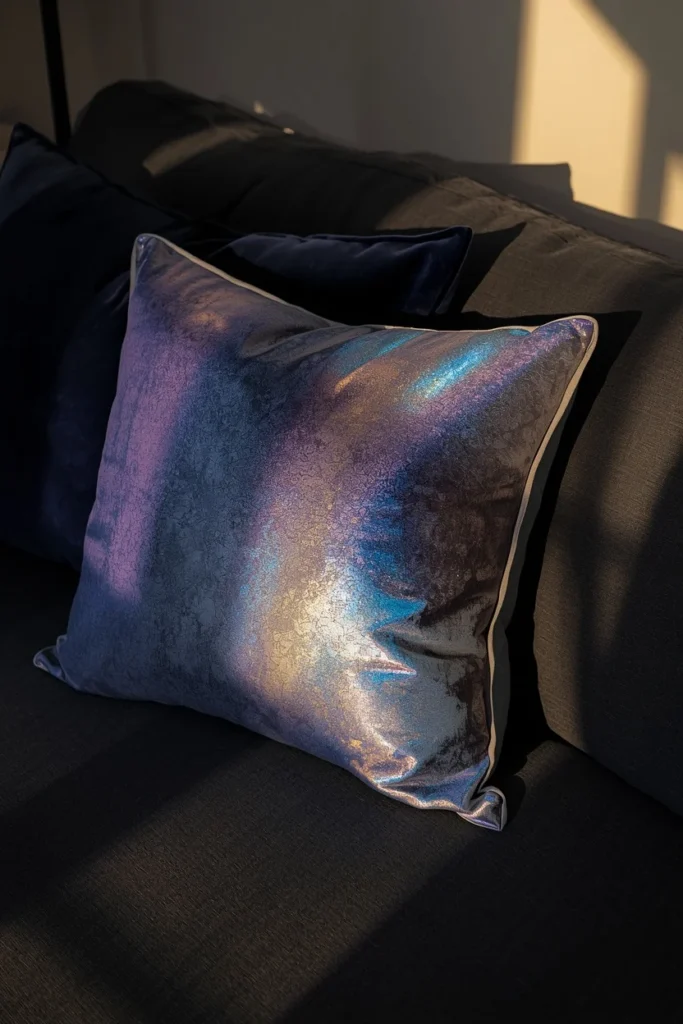
Iridescent fabric shifts color subtly depending on the angle of light hitting it, creating a shimmer that echoes the way starlight or a nebula photograph seems to shift and glow. Use one or two iridescent pillows on a solid velvet or linen sofa rather than covering every surface in shimmer, since the effect reads as more sophisticated in small, contained doses. Choose tones within the cosmic palette, like a deep blue-to-purple shift or a subtle silver-to-lavender finish, rather than anything overly bright or neon. Pair these pillows with matte textures nearby, like boucle or velvet, so the contrast between shine and softness does most of the visual work. This detail photographs beautifully under warm lamp light, catching small glints that a flat fabric never would.
5. Bring in a Moon Phase Wall Art Series
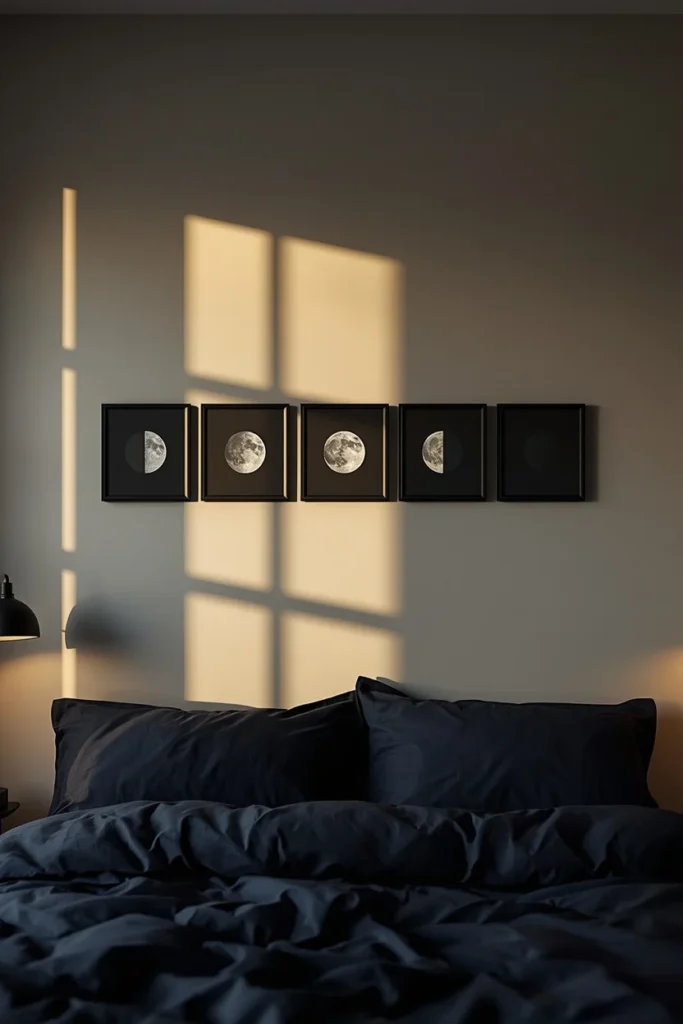
A row of small framed prints or ceramic reliefs showing the moon’s phases adds a subtle celestial motif that reads as elegant rather than themed. Arrange the series in a single straight line above a bed, sofa, or console, spacing each piece evenly so the progression from new moon to full moon reads clearly across the wall. Choose frames in matte black or brass to keep the series feeling cohesive, and stick to a monochrome palette within each print so the collection doesn’t compete with other color in the room. This motif works particularly well in a bedroom, where the connection between moon phases and nighttime rest feels especially fitting. It’s a detail that consistently draws a second look once guests notice the pattern.
6. Use a Black and Gold Color Palette for Cosmic Glamour
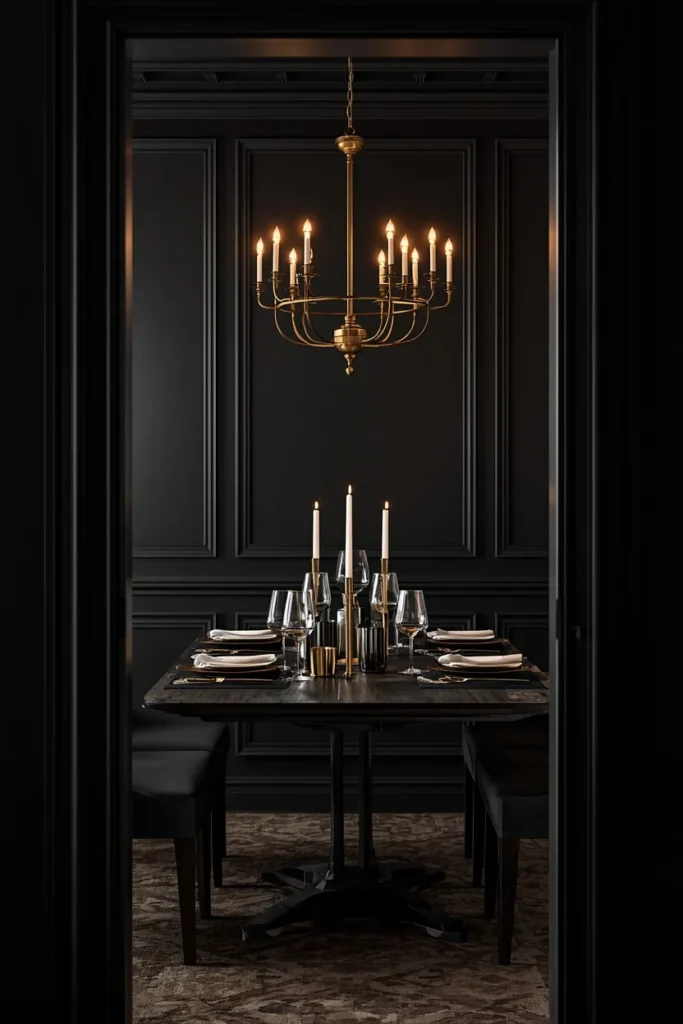
Black walls or black furniture paired with warm gold accents create a high-contrast, glamorous version of cosmic style that leans more evening-wear than night sky. This combination works especially well in a dining room or entryway, where a dose of drama makes more sense than in a room meant purely for rest. Balance the depth of black with plenty of warm lighting, since this palette can read as heavy or cold without enough golden light to soften it. Gold candlesticks, a brass chandelier, or gold-rimmed glassware all reinforce the theme without requiring major furniture changes. This is one of the boldest directions on this list, best suited for anyone who wants their cosmic style to feel unmistakably intentional rather than subtle.
7. Add a Velvet Midnight Blue Sofa or Accent Chair
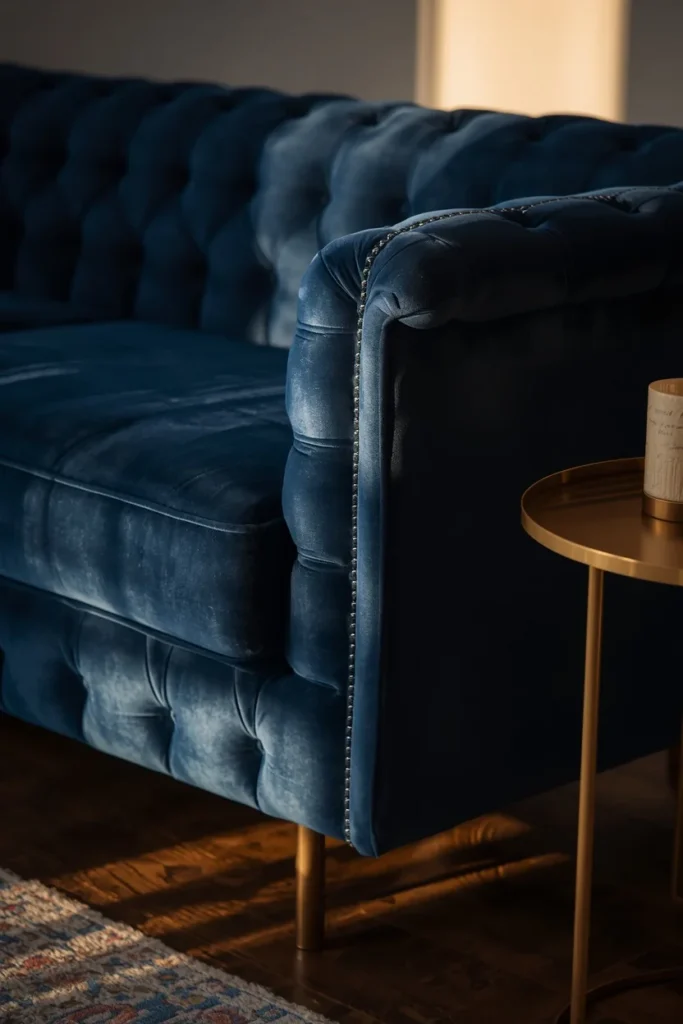
Velvet upholstery in deep midnight blue brings both color and texture into the room at once, since the fabric’s natural sheen catches light differently depending on the angle you’re viewing it from, much like the varying brightness of stars in a clear sky. Choose a channel-tufted or simple rolled-arm style depending on whether the rest of the room leans more modern or classic. This piece works as a powerful anchor even in a room with otherwise neutral walls, meaning you don’t need to commit to painted walls to bring in strong cosmic color. Pair it with brass legs or brass-accented side tables to reinforce the metallic detail found throughout this style. A single velvet piece like this does more to establish the mood of a room than almost any other furniture choice.
8. Install LED Fairy Lights for a Starfield Ceiling Effect
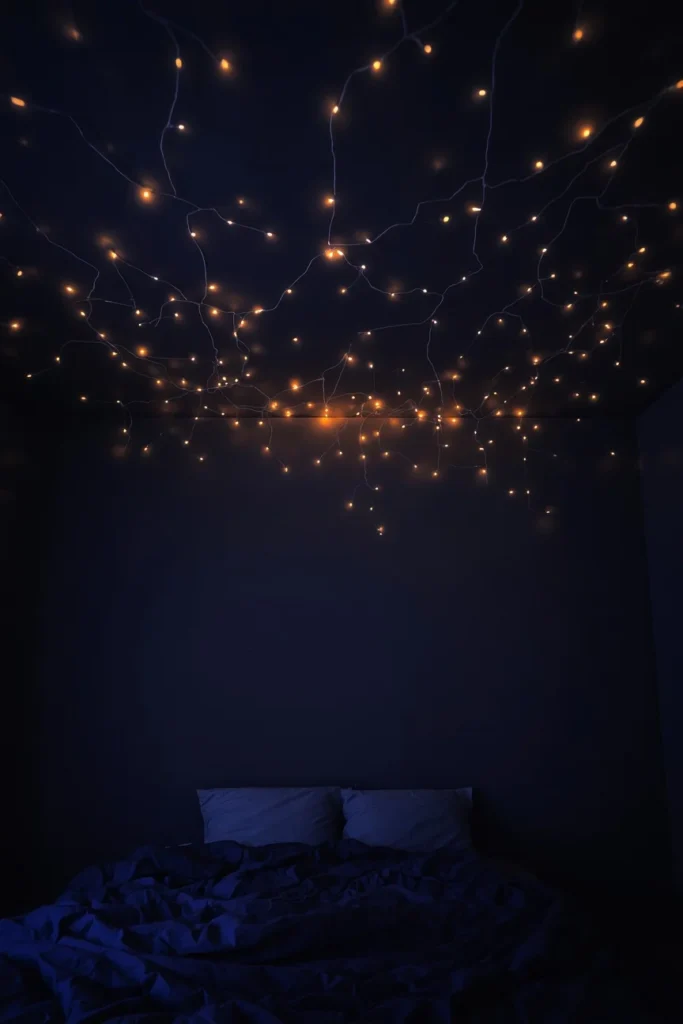
A string of small warm white LED fairy lights, mounted flat against a dark ceiling or tucked behind a sheer canopy, recreates a scattered starfield effect that feels far more subtle and elegant than a solid strip of colored LED lighting. Space the lights unevenly rather than in a uniform grid, since real stars don’t follow a pattern, and this irregularity is what makes the effect read as natural rather than obviously decorative. Choose warm white bulbs over cool white or multicolor, since warm tones integrate more naturally into a cozy, evening-focused room. This detail works especially well combined with a dark ceiling color, since the contrast makes each small point of light stand out clearly. It’s a budget-friendly way to add genuine cosmic atmosphere to a room without any major renovation.
9. Layer in Metallic Brass or Gold Accents
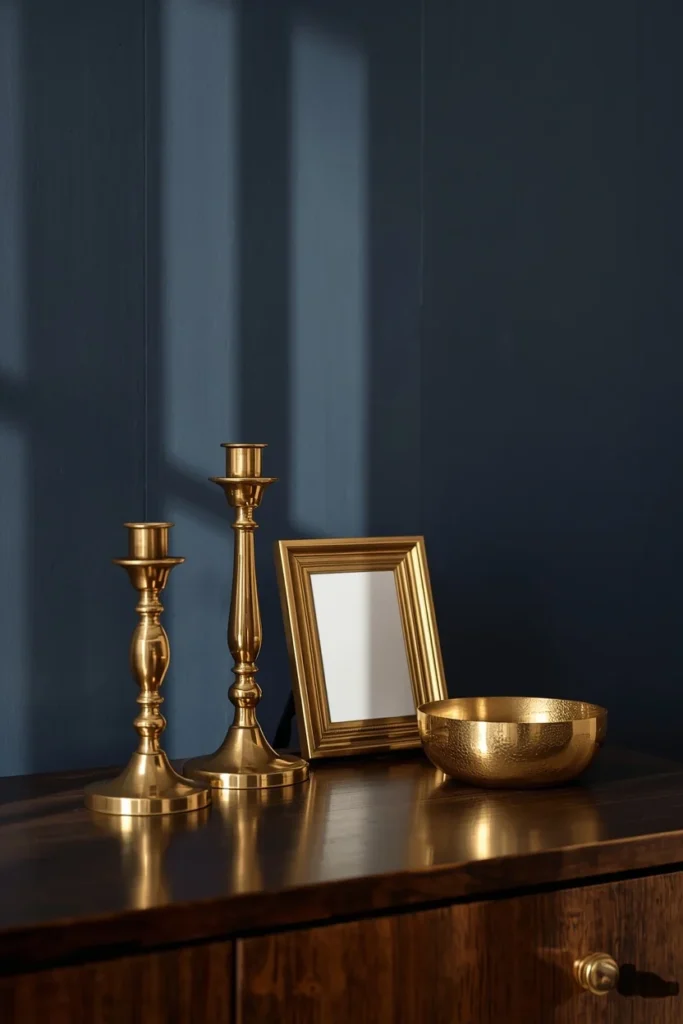
Small brass or gold objects, like candle holders, picture frames, drawer pulls, and lamp bases, do the quiet work of tying a cosmic room together once they’re repeated consistently across a space. Choose one metal finish and stick with it throughout the room rather than mixing brass, gold, and silver, since consistency here reads as intentional design rather than accumulated decor. These metallic touches catch and reflect ambient light in a way that echoes distant starlight, adding subtle shimmer even in rooms without deep, dramatic color. Use them in small doses on nightstands, shelves, and console tables rather than large furniture pieces, letting the metal act as punctuation rather than the main statement. This detail is easy to underestimate while shopping for bigger pieces, but its consistency is often what separates a cohesive cosmic room from a scattered one.
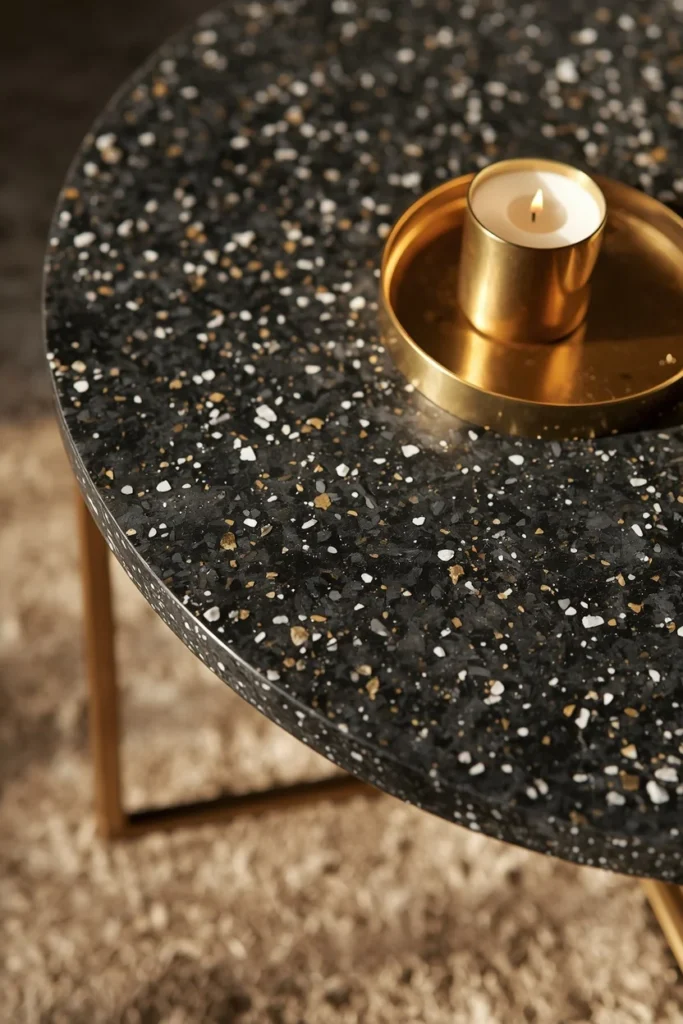
10. Add a Terrazzo or Speckled Stone Coffee Table
Terrazzo’s speckled surface, made from small chips of stone set into a solid base, visually echoes a scattered star field or a close-up photograph of deep space, making it one of the more literal material choices on this list without feeling like a costume. Choose a terrazzo piece with dark base color and light-colored stone chips, like white, gray, and gold flecks set into black or deep navy, so the connection to the cosmic theme feels obvious once you notice it. This material also has genuine practical durability, since terrazzo resists scratches and stains better than many other stone surfaces. Pair it with brass legs or a brass tray on top to reinforce the room’s metallic accents. A terrazzo coffee table works as a functional piece of furniture that also quietly reinforces your room’s entire design concept.
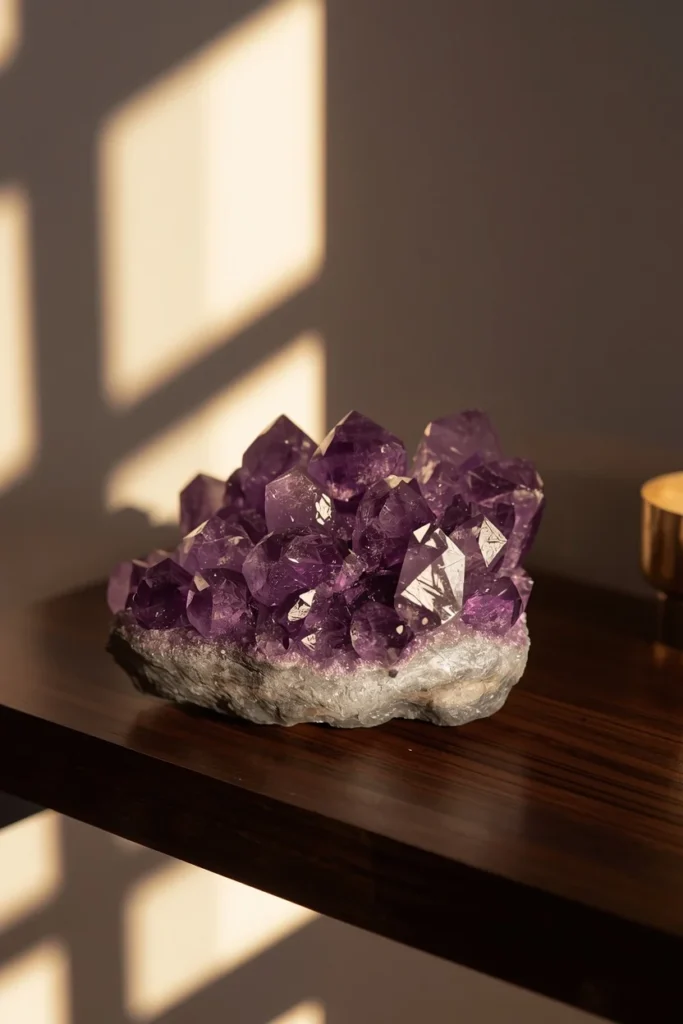
11. Bring in Amethyst or Crystal Cluster Decor
A raw amethyst geode or crystal cluster brings genuine mineral texture and color into the room, its deep purple tone landing naturally within the cosmic palette while its rough, faceted surface catches light in unpredictable, glittering ways. Place a medium-sized cluster on a shelf or coffee table where it gets some natural or lamp light throughout the day, since the crystal facets are what make this piece worth including. Choose a piece with visible natural variation rather than a uniform, polished sphere, since the raw, unfinished quality reads as more authentic and interesting up close. This decor choice also appeals to anyone drawn to the astrology and mysticism side of cosmic style, connecting the aesthetic to something beyond pure visual decoration. Even one well-placed piece adds a genuine focal point that’s difficult to replicate with manufactured decor.
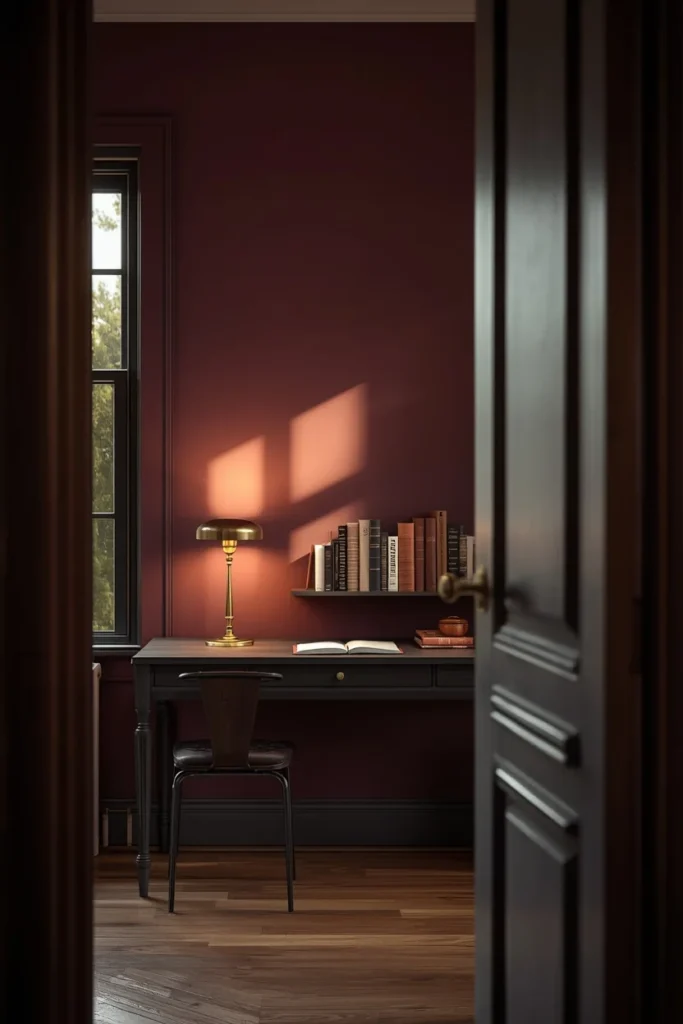
12. Use a Deep Purple or Aubergine Accent Wall
If pure midnight blue feels too cool for your space, a deep purple or aubergine wall offers a warmer alternative that still reads as unmistakably cosmic, echoing the colors found in nebula photography and twilight skies. This shade works particularly well in a room that gets warm afternoon light, since the light brings out subtle red undertones within the purple that keep the wall from feeling flat or overly dark. Pair it with brass accents and cream furniture for contrast, or lean fully into the moodiness with black and charcoal pieces if you want a more dramatic result. This color choice tends to feel slightly more approachable than pure black or navy for anyone new to darker wall colors, while still delivering the same emotional impact. It’s an especially strong choice for a home office or reading room meant to feel a little mysterious and focused.
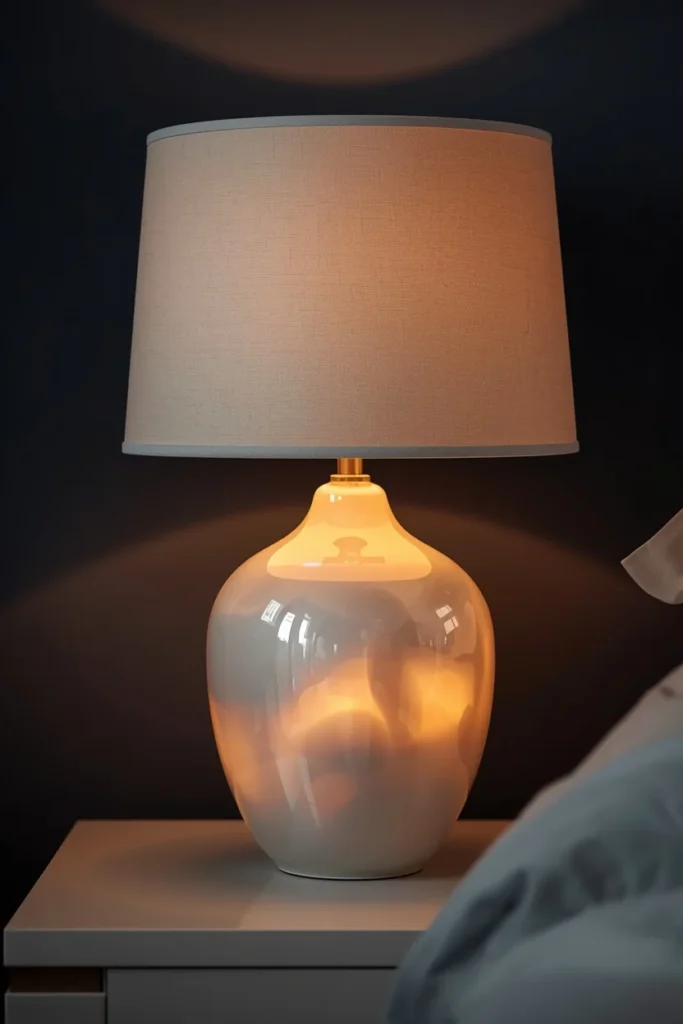
13. Add an Opalescent or Pearlescent Lamp
A lamp base with an opalescent or pearlescent glaze shifts color subtly as the light source inside it warms up, creating a soft, glowing quality that feels genuinely otherworldly once it’s switched on in a dim room. Choose a ceramic or glass base in pale iridescent tones, paired with a simple linen or cream shade so the base itself stays the visual focus. Place it on a nightstand or console where its glow is one of the more prominent light sources in the room during the evening, letting its subtle shimmer actually do some work rather than getting lost under brighter overhead lighting. This piece bridges function and decoration particularly well, since it’s genuinely useful as a light source while also reinforcing the room’s cosmic material palette. It’s a smaller investment that consistently earns compliments once people notice how the glaze catches light.
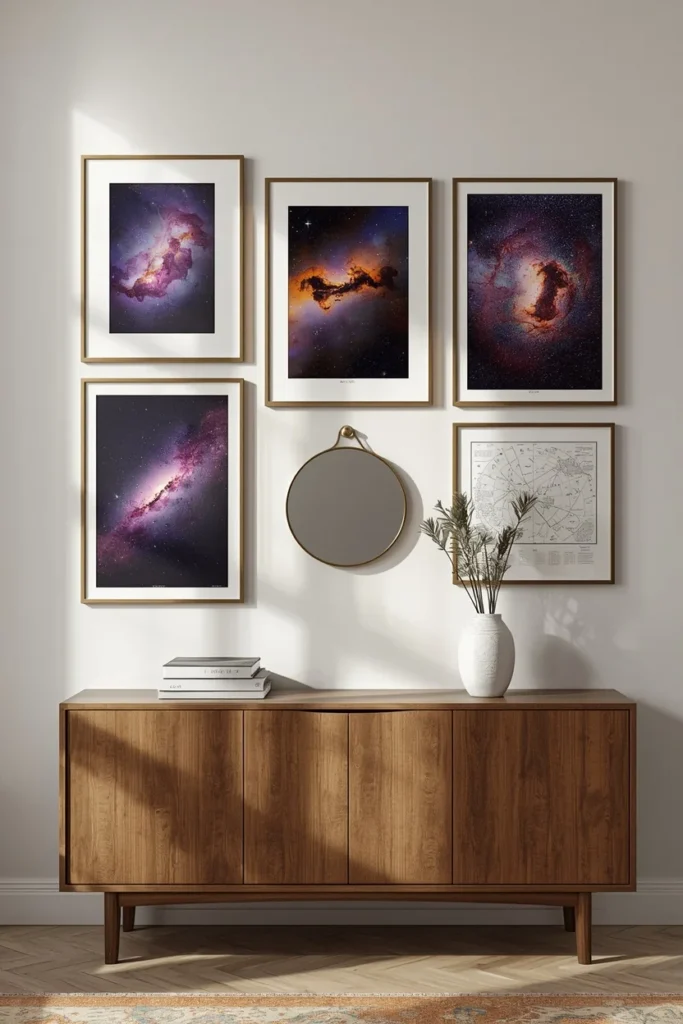
14. Style a Cosmic Gallery Wall With Space Photography
Real astronomical photography, like nebula images, deep field star clusters, or lunar surface close-ups, gives a gallery wall genuine scientific weight alongside its visual impact. Mix two or three space photographs with a constellation map and a small mirror, keeping frames consistent in either black or brass so the collection reads as curated rather than random. Choose images with rich color, like the deep purples and oranges found in many nebula photographs, since these tie naturally into the room’s broader palette. Arrange the pieces at varying heights around a central anchor image rather than in a strict grid, giving the wall some organic movement. This gallery wall becomes a genuine talking point, offering guests something specific and interesting to ask about rather than generic decorative art.
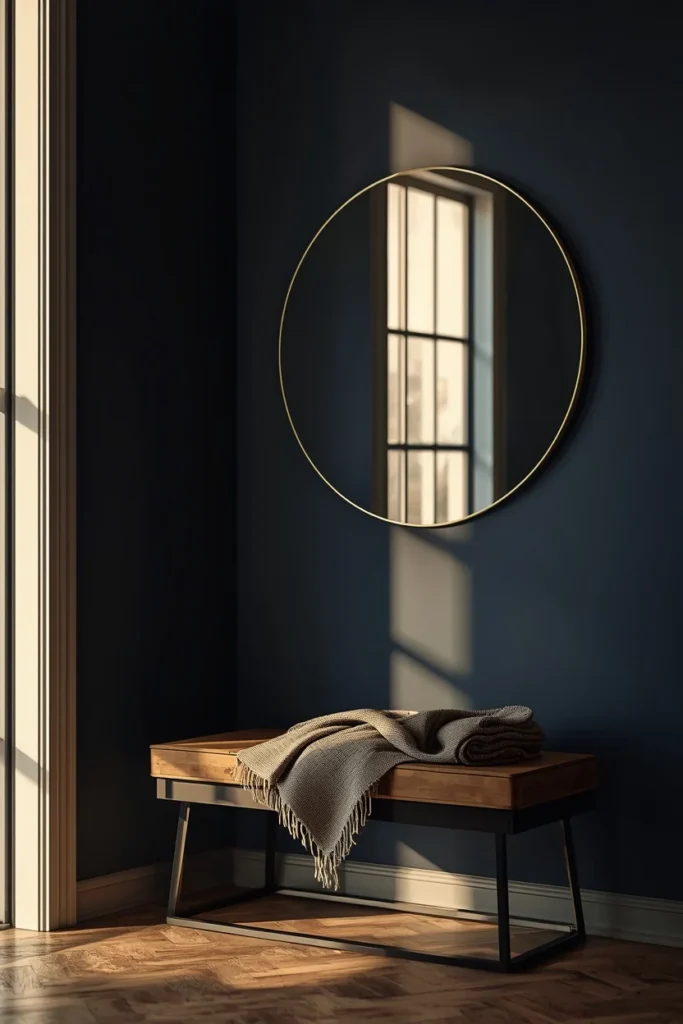
15. Add a Circular Mirror to Mimic a Planet or Moon
A large round mirror, hung alone on a wall or leaned against it near the floor, visually echoes the shape of a planet or full moon while also serving the practical function of bouncing light around the room. Choose a simple thin frame in brass or matte black so the circular shape itself stays the dominant visual element rather than an ornate border distracting from it. Position it opposite a window or lamp so it reflects and amplifies whatever light source is nearby, which matters especially in rooms with darker wall colors that can otherwise feel dim. This piece works in nearly any room in the house, from an entryway to a bedroom, making it one of the most flexible ideas on this entire list. Its simplicity also means it rarely goes out of style, unlike more literal space-themed decor.
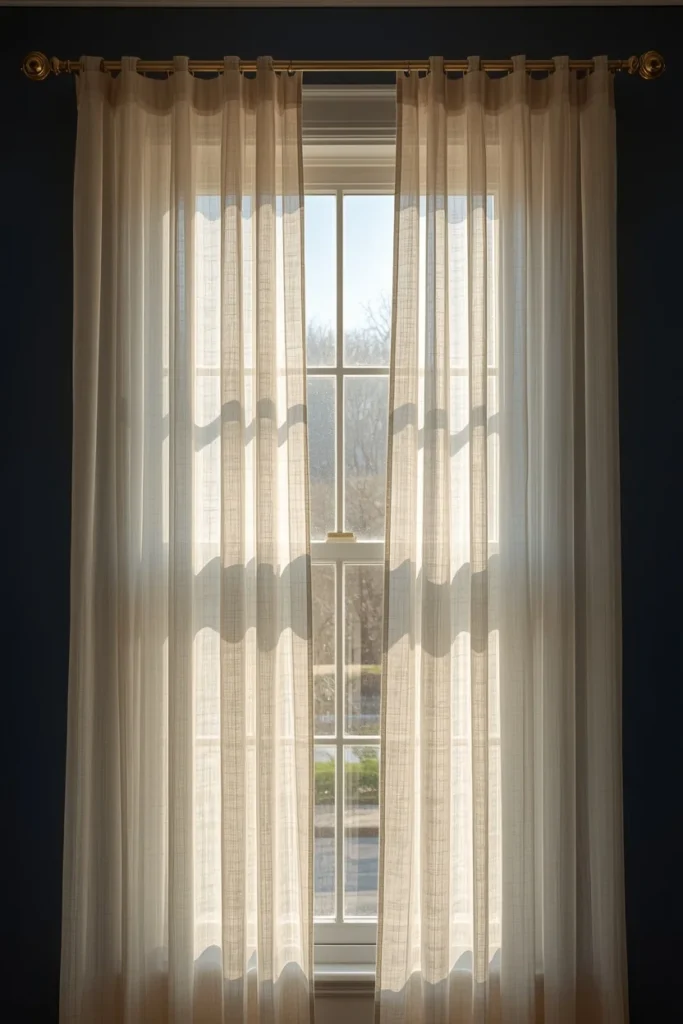
16. Bring in Sheer Iridescent Curtains
Sheer curtains with a subtle iridescent finish filter daylight into a soft, faintly shimmering glow, adding movement and shine to a room throughout the day as the fabric shifts with any passing breeze or draft. Choose a pale silver, lavender, or blue-toned sheer so the shimmer stays subtle rather than overpowering, layering it behind a heavier blackout curtain if the room needs more complete light control at night. Hang them from a brass or black rod mounted high above the window frame, letting the fabric pool slightly at the floor for a more dramatic, elegant line. This detail is especially effective in a room with strong afternoon sun, since the light catches the iridescent threads directly and creates small, moving glints across the fabric. It’s a subtle but memorable way to bring cosmic shimmer into a room during daylight hours, not just after dark.
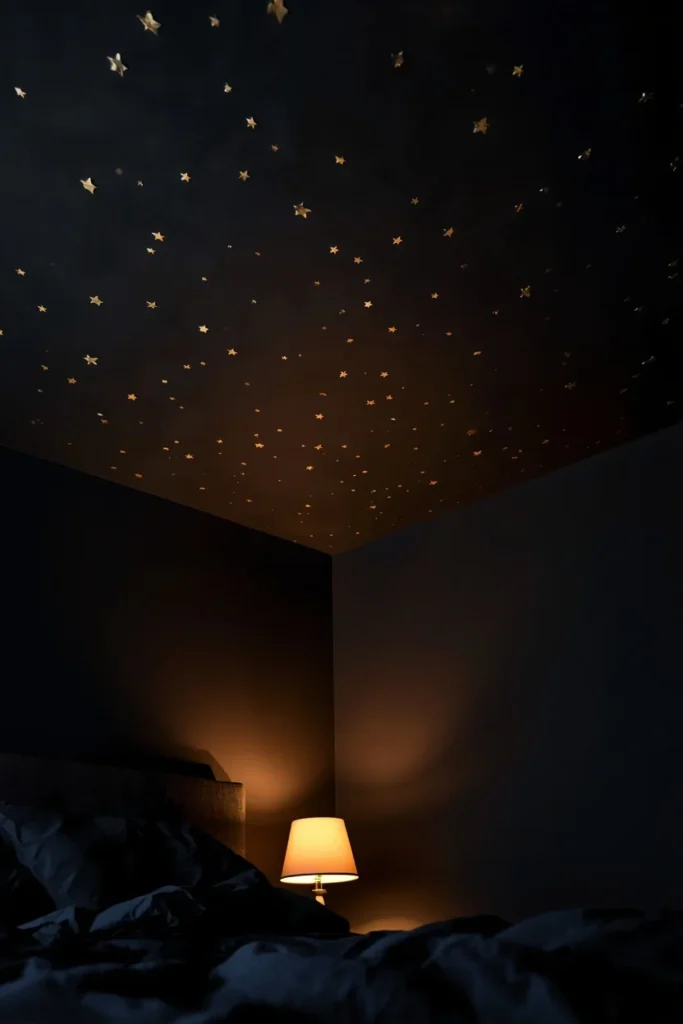
17. Use a Dark Ceiling With Metallic Star Stencils
Painting the ceiling a deep charcoal or navy and adding small, hand-stenciled metallic gold or silver stars creates a subtle starfield effect that reads as sophisticated rather than juvenile, especially when the stars are kept small and irregularly spaced. Use a fine stencil brush and vary the size and spacing of each star slightly, since a perfectly even pattern loses the organic, scattered quality of an actual night sky. Concentrate the density of stars toward one corner or above the bed, letting it thin out gradually across the rest of the ceiling rather than covering every inch evenly. This technique costs very little beyond paint and stencils, making it one of the most budget-friendly ways to achieve a genuinely custom cosmic detail. The effect is subtle during the day and becomes more noticeable as evening light dims and lamps take over.
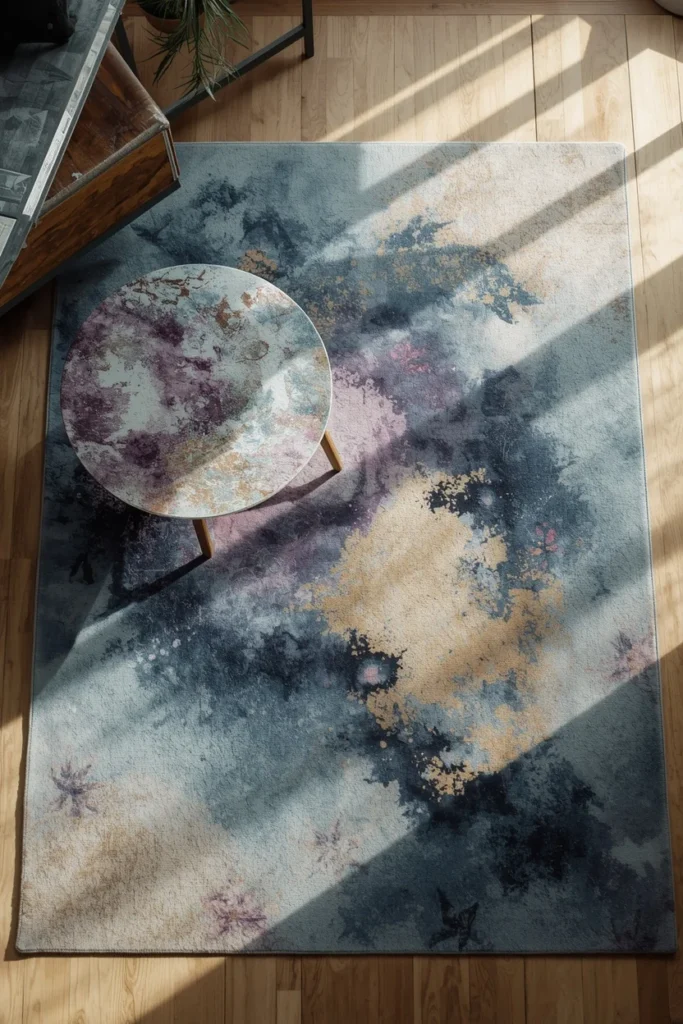
18. Add a Cosmic-Print Area Rug
A rug with a subtle abstract print in deep blues, purples, and flecks of gold or silver brings the cosmic palette down to floor level without requiring painted walls or major furniture changes. Choose a design with soft, blurred color transitions rather than sharp geometric shapes, since the blended, painterly quality reads more like a nebula photograph than a literal galaxy graphic. Size the rug generously so it extends beneath the front legs of your main seating, anchoring the room the way any well-chosen area rug should. This piece works particularly well as a starting point for anyone hesitant to commit to darker walls, since a rug is far easier and cheaper to change later than paint. It also adds genuine warmth and softness underfoot, balancing out the room’s cooler color palette.
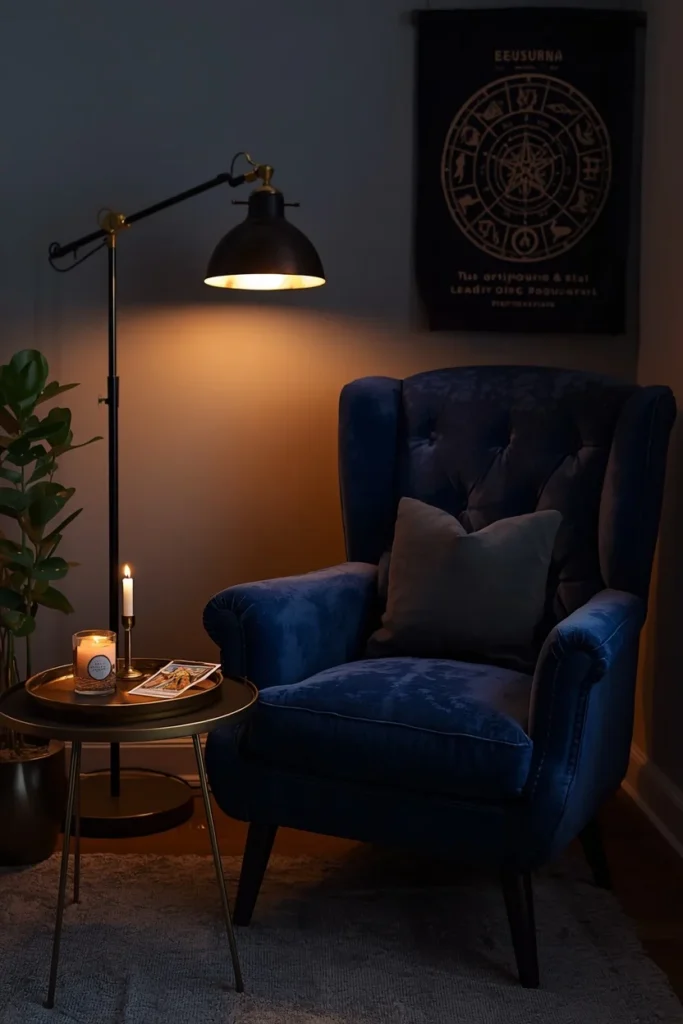
19. Style an Astrology-Inspired Reading Nook
A small reading corner built around astrology and mysticism, complete with a tarot deck displayed on a small tray, a zodiac wall print, and a low, comfortable armchair, gives cosmic design a personal, ritual quality beyond pure visual decoration. Choose a deep velvet accent chair in midnight blue or aubergine, paired with a small round side table for candles, books, or a tarot spread. Layer in a floor lamp with warm, dimmable light, since this nook works best as an evening retreat rather than a brightly lit corner. This idea appeals especially to anyone whose interest in cosmic style extends into astrology or spiritual practice, giving the aesthetic real function beyond decoration. It’s also one of the more personal, story-driven ideas on this list, since the objects displayed here tend to be meaningful rather than purely decorative.
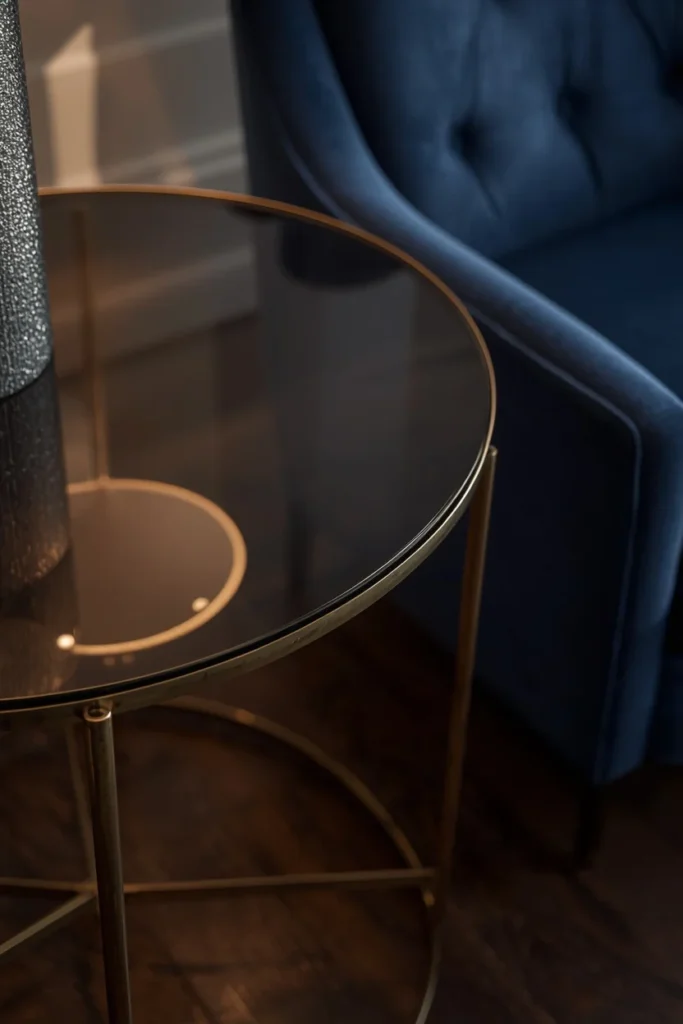
20. Add Smoked Glass or Mirrored Furniture
Smoked glass tabletops and mirrored furniture surfaces add a reflective, slightly hazy quality that echoes the way light behaves in deep space photography, appearing to glow from within rather than simply reflecting a room back at you. Choose a smoked glass side table or a mirrored console with a dark bronze or antique brass frame, since a raw silver mirror frame can feel more contemporary and less connected to the cosmic palette. Place these pieces where they catch ambient light from a nearby lamp or window, since their reflective surface depends on some light source to create the intended effect. Balance the coolness of glass and mirror with warmer materials nearby, like a wood floor or velvet upholstery, so the room doesn’t feel overly slick or cold. This furniture category adds a layer of quiet glamour that photographs beautifully in evening light.
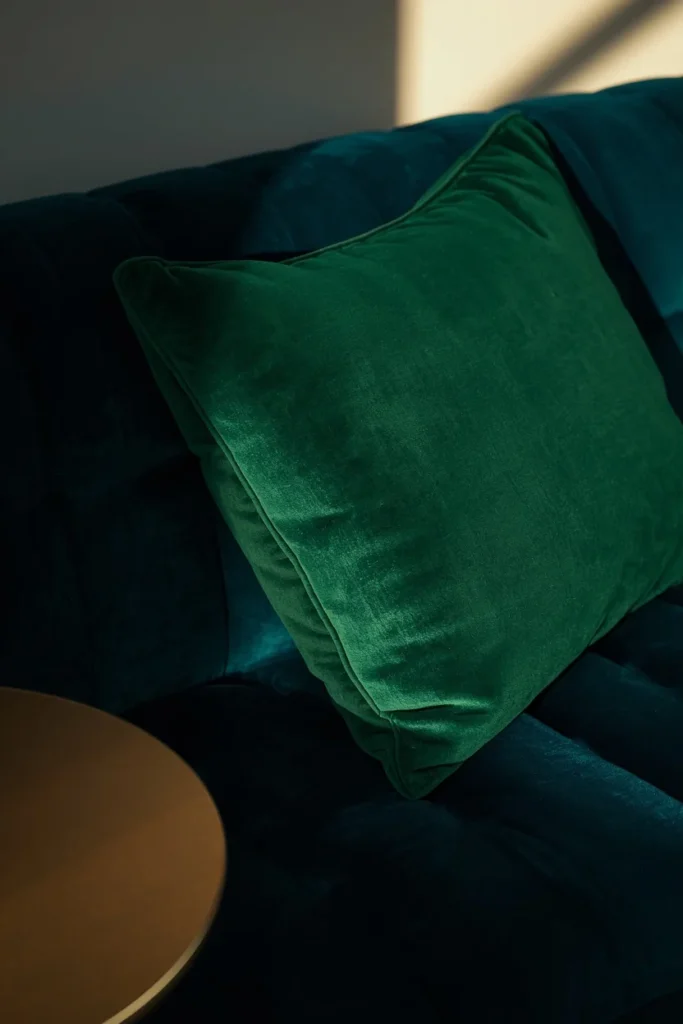
21. Bring in Deep Emerald or Cosmic Green Accents
A deep emerald green, used in smaller doses through a velvet pillow, a ceramic vase, or an accent chair, adds an unexpected but effective contrast color within an otherwise blue-and-purple cosmic palette, echoing the green tones sometimes visible in aurora photography and certain nebula images. Use this color sparingly, typically in just one or two pieces per room, since its saturation is strong enough to dominate if overused. Pair emerald with brass and midnight blue for a combination that feels rich and layered rather than random, since these three tones already share a similar depth and intensity. This accent color also works well for anyone who wants their cosmic room to feel a little more grounded and organic, softening what could otherwise be an entirely cool-toned, metallic palette. Even a single emerald velvet pillow adds a noticeable, sophisticated shift to the room’s overall color story.
22. Create a Celestial Bar Cart or Display Shelf
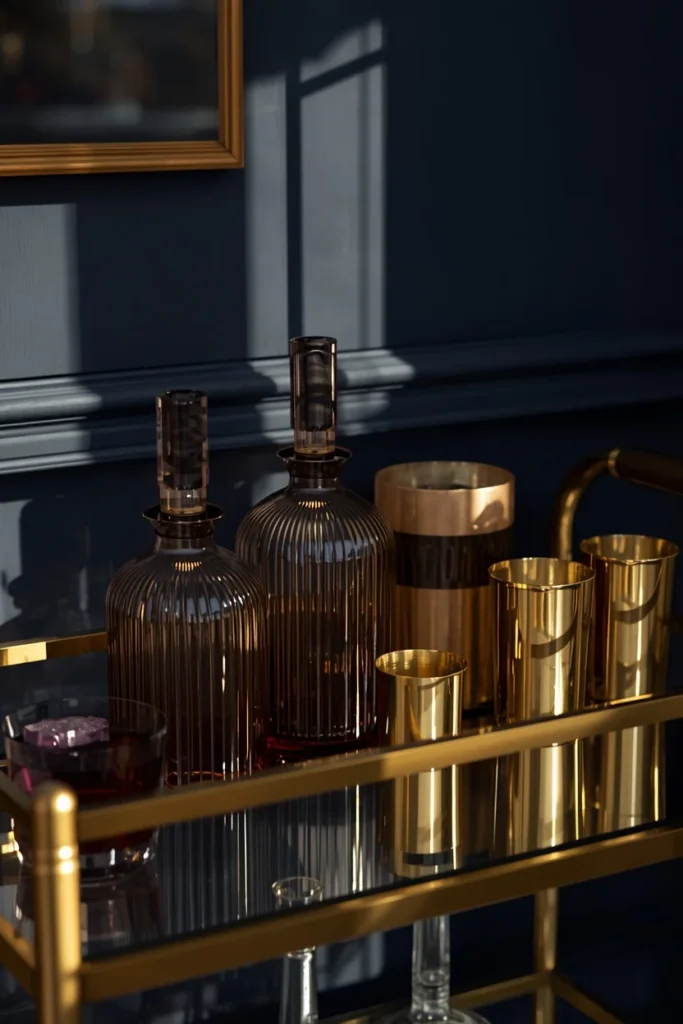
A small bar cart or open shelf styled with dark glass decanters, brass barware, and a scattering of small crystal pieces turns a functional corner of the room into another opportunity for cosmic detail. Choose a brass or matte black cart frame, then style the surfaces with items that echo the room’s broader palette, like a smoky glass decanter, a small amethyst point, and a brass tray for glassware. Keep the arrangement balanced rather than crowded, leaving some negative space between objects so each piece gets individual visual attention. This idea works especially well in a living room or dining area, giving guests something specific and styled to notice beyond the room’s larger furniture and wall choices. It’s also one of the more functional ideas on this list, combining genuine everyday use with consistent cosmic styling.
Styling Tips for Cosmic, Galaxy-Inspired Decor
Anchor the room in one deep color first. Choose midnight blue, aubergine, or black as your base before adding any celestial detail, so every other decision has a foundation to relate back to.
Let metallic finishes do the shimmer work. Brass, gold, and warm metal accents mimic starlight far more elegantly than literal glitter or neon graphics.
Use pattern and print sparingly. A single star map or nebula print carries more weight than a room covered in space-themed graphics. Restraint is what separates cosmic style from a novelty theme.
Prioritize warm lighting over cool. Dimmable, warm-toned lighting is essential for this aesthetic to feel atmospheric rather than harsh or clinical.
Practical Implementation Ideas
Start with your deepest, most permanent color choice, whether that’s a painted wall or a large velvet furniture piece, since this sets the tone for every smaller decision that follows. Add metallic accents and one key lighting feature next, like a floor lamp or star projector, before layering in smaller decorative objects like crystals or framed art. Live with the room through at least a few evenings before finalizing smaller styling details, since this aesthetic depends heavily on how it looks and feels after dark, not just in daylight photos. Take your time sourcing genuinely interesting pieces, like a real constellation map or a raw crystal cluster, rather than filling the room quickly with generic decor.
Common Mistakes to Avoid
Relying on literal, cartoonish space graphics. Printed rocket ships or bright neon planets read as a children’s theme rather than sophisticated cosmic design.
Skipping warm light sources entirely. Deep colors need warm lamp and candlelight to feel cozy rather than cold or cave-like.
Overusing shimmer and shine. Iridescent and metallic finishes work best in contained doses. Covering every surface in shine loses the subtlety that makes this style feel elevated.
Ignoring texture in favor of color alone. Velvet, terrazzo, and crystal all add dimension that flat paint color can’t achieve on its own.
Small-Space Alternatives
In a smaller room, choose one deep-colored accent wall rather than painting the entire space, since full saturation can make a compact room feel more closed in. A single velvet accent chair delivers the same texture and color impact as a full sofa without taking up as much floor space. Swap a large gallery wall for one framed constellation map or a single round mirror, and use a small tabletop crystal cluster instead of a larger floor-standing piece. A star projector is especially useful in small rooms, since it delivers a strong atmospheric effect without requiring any permanent structural change.
Budget-Friendly Alternatives
Paint remains the most affordable way to bring deep cosmic color into a room, and hand-stenciled metallic stars cost little beyond a small stencil kit and paint pen. Thrifted brass candle holders and secondhand mirrors often have more character than new pieces and cost significantly less. A set of warm white fairy lights delivers a strong starfield effect for a fraction of the cost of a dedicated star projector. Look for constellation prints or nebula photography prints from independent print shops, which tend to be far more affordable than framed fine art originals.
Pro Styling Recommendations
Test any deep paint color on a large sample board and view it at different times of day, since colors like midnight blue and aubergine shift noticeably between morning and evening light. Choose one metal finish for the entire room and apply it consistently across every visible fixture and accent, since mixed metals undercut the cohesive, intentional feeling this style depends on. When shopping for statement pieces like a star map or crystal cluster, prioritize authenticity and detail over cost, since these are the objects guests will actually stop to look at closely. Build the room slowly, since the most convincing cosmic interiors tend to feel collected and considered rather than assembled all at once from a single shopping trip.
FAQs
Conclusion
A cosmic room isn’t really about recreating outer space inside your house. It’s about borrowing its stillness, its depth, and that particular quiet you feel looking up at a clear night sky, then translating it into color, texture, and light you can actually live with every day. Start with one deep wall or one velvet chair, let it sit for a while, and build the rest of the room slowly around whatever still catches your eye after the initial excitement fades.