24 Cozy Bedroom Ideas That Make You Never Want to Leave Your Bed
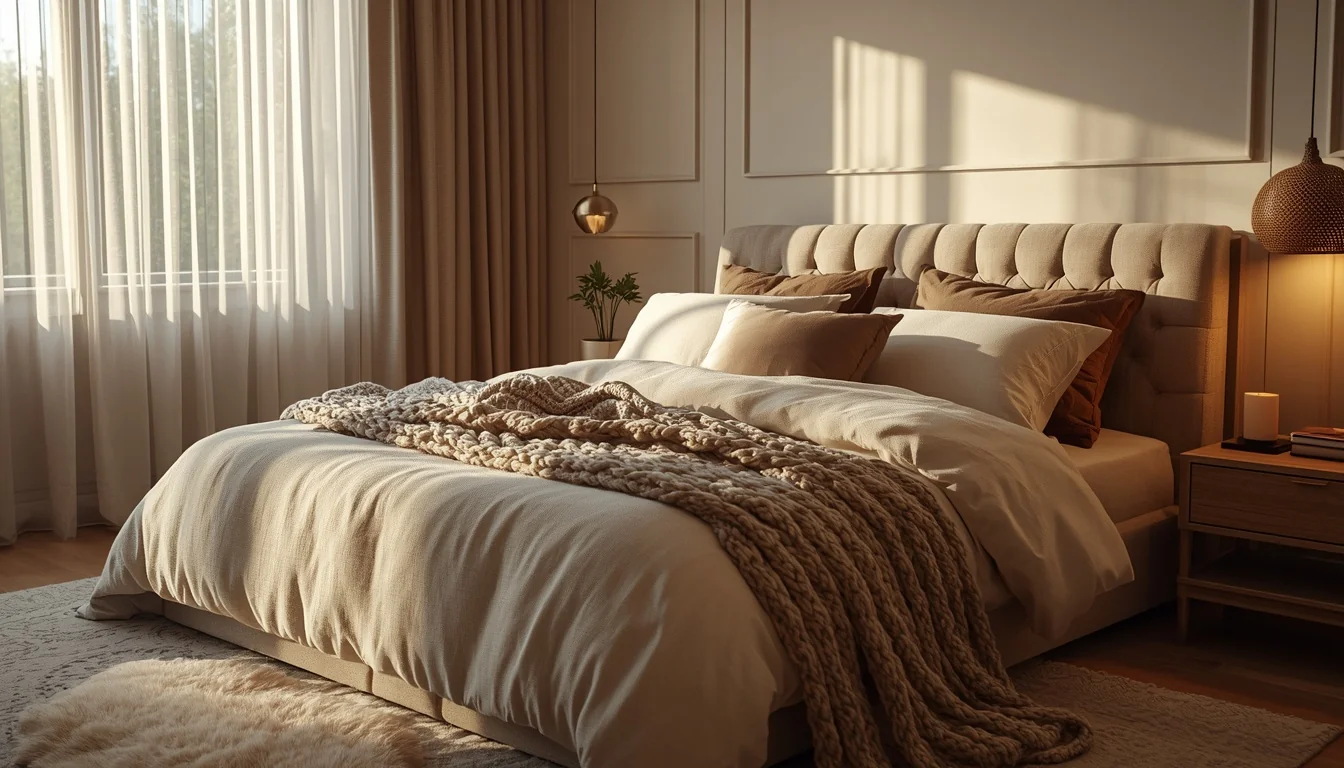
The bedrooms that make people want to stay in bed all morning aren’t the most expensive ones. They’re the ones layered with just enough texture, warmth, and soft light that getting up feels like leaving somewhere good.
The pattern behind almost every genuinely cozy bedroom is the same: warm, low lighting instead of a harsh overhead fixture, at least three layers of texture on the bed itself, and a color palette that leans warm rather than cool. From there, it’s mostly a matter of small, repeatable choices, a chunky throw, a warmer lamp, a softer rug, that compound into a room that actually feels like a retreat.
This list runs through 24 cozy bedroom ideas, from layered bedding and warm lighting to small-space tricks and color palette choices, so you can find the combination that turns your bedroom into the room you never want to leave.
Table of Contents
1. Layered Bedding in Mixed Fabrics
Build the bed with at least three layers, a fitted sheet, a duvet or quilt, and one or two throws, mixing fabrics like cotton, linen, and knit rather than sticking to one texture throughout. This layering is the single biggest factor separating a cozy bed from a plain one, since each fabric catches light and folds differently, giving the bed visual depth even before anyone touches it. Choose soft, calming tones across the layers, like oatmeal, taupe, or dusty sage, so the mix of textures reads as intentional rather than mismatched. Fold the top throw back loosely at an angle rather than smoothing it flat, which gives the bed a slightly undone, lived-in look that photographs better than a perfectly tucked corner. This idea works as the foundation for almost every other bedroom styling choice on this list, since a well-layered bed anchors the whole room.
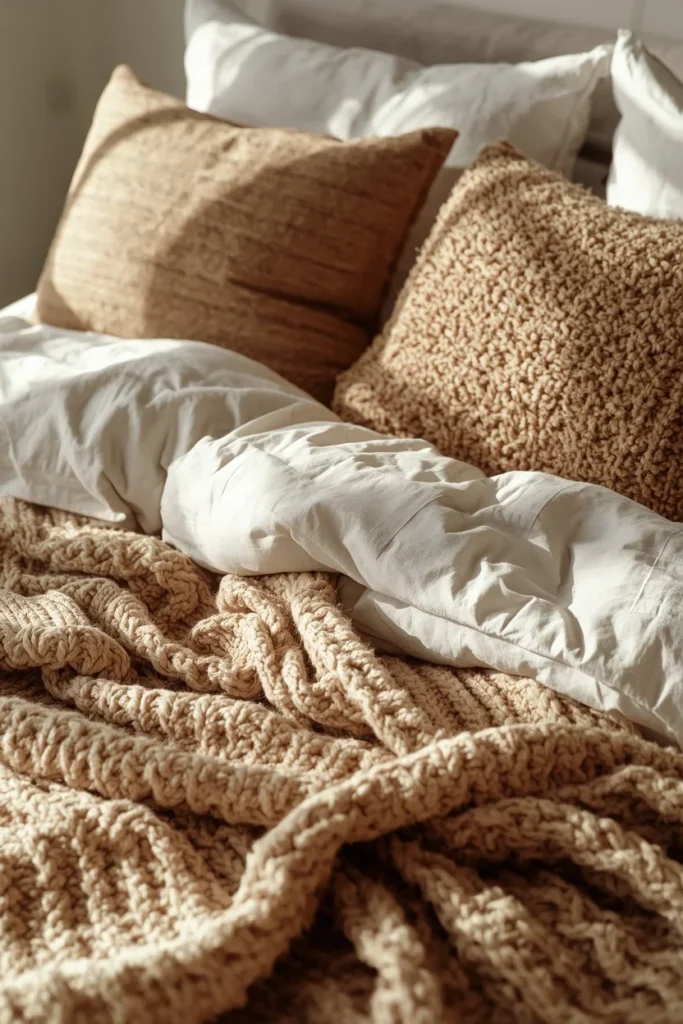
2. Chunky Knit Throw at the Foot of the Bed
Drape a chunky knit throw blanket across the foot of the bed, letting it fall slightly off one side rather than folding it into a perfectly even rectangle. This single addition brings warmth and texture to the bed almost instantly, without requiring a larger bedding overhaul, which makes it one of the easiest cozy upgrades on this list. Choose a neutral or warm-toned yarn, like cream, camel, or rust, so the throw stands out against the bedding beneath it without clashing. A slightly oversized throw works best here, since the extra length allows for a more relaxed, draped look than a throw sized to match the bed exactly. This idea also works well seasonally, since a chunky knit throw can be swapped for a lighter woven one in warmer months without changing anything else in the room.
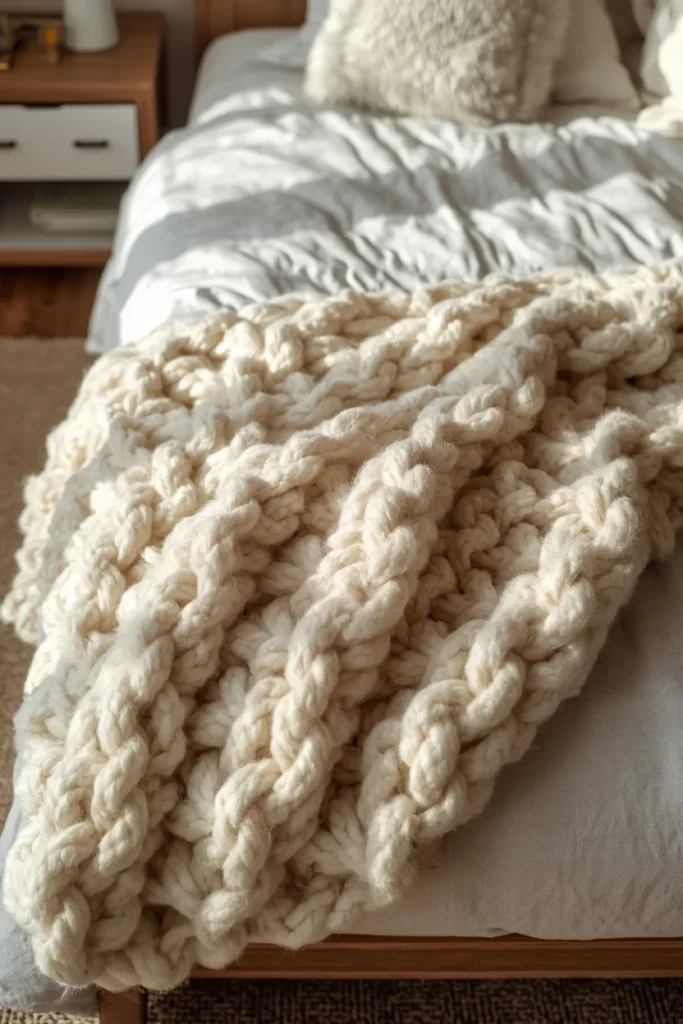
3. Oversized Mixed-Texture Pillow Pile
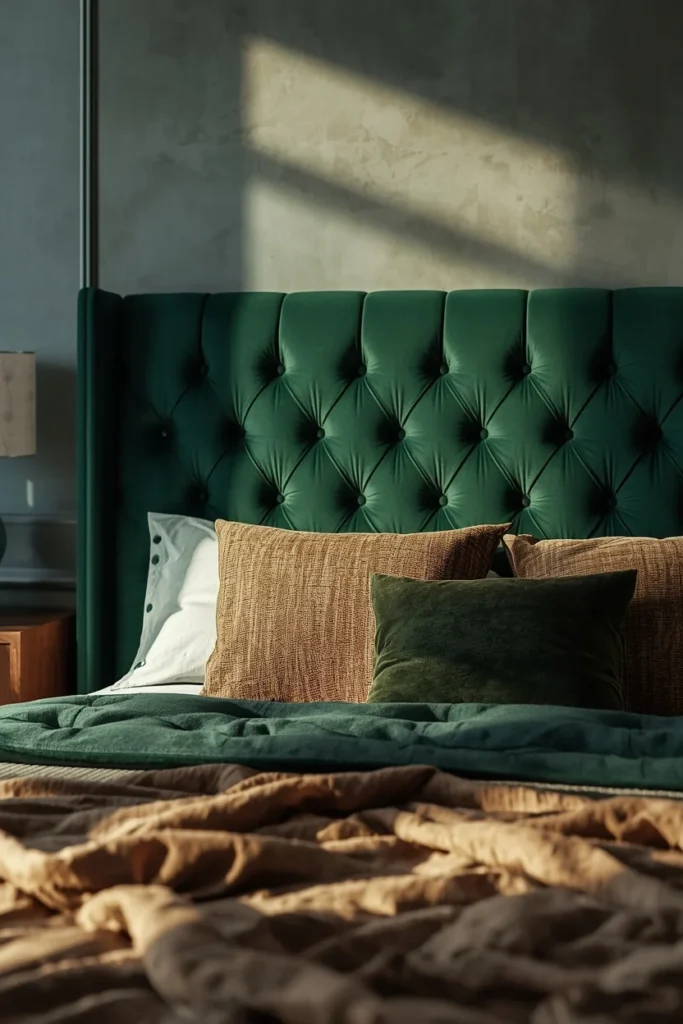
Stack five to seven pillows against the headboard in varied sizes and textures, mixing velvet, linen, and knit covers so the pile has visual depth rather than looking like one matched set. This idea works because a full, varied pillow arrangement is one of the fastest ways to make a bed look plush and inviting, even if the rest of the room stays simple. Place the largest euro pillows in back, standard pillows in the middle, and one or two smaller lumbar or accent pillows in front, building height gradually rather than in one flat row. Choose at least one pillow with a different pattern or texture, like a subtle stripe or a nubby bouclé, to keep the pile from feeling too uniform. This idea pairs particularly well with a tufted or upholstered headboard, since the pillows have a soft surface to lean against rather than a hard, flat wall.
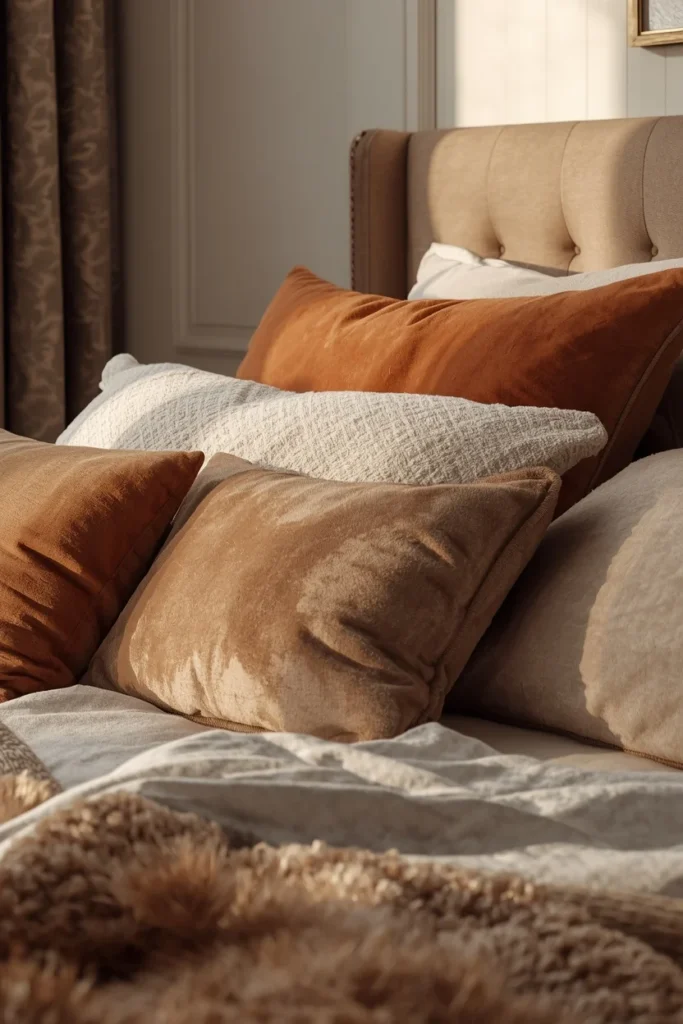
4. Velvet Tufted Headboard
Choose a velvet, tufted upholstered headboard as the anchor piece of the room, letting its soft texture and rounded button detailing set the tone for the rest of the bedroom’s coziness. A tufted headboard adds an immediate sense of comfort and sophistication to the bed, even before any bedding or pillows are added on top of it. Choose a deep, warm color, like a dusty rose, forest green, or warm charcoal, so the headboard reads as a cozy focal point rather than a stark, cold surface. Pair the headboard with warm wood nightstands on either side to balance the softness of the fabric with a more grounded, natural material. This idea works particularly well as a starting point for a full bedroom refresh, since the headboard color often sets the palette for everything else in the room.
5. Blackout Curtains With Sheer Layering
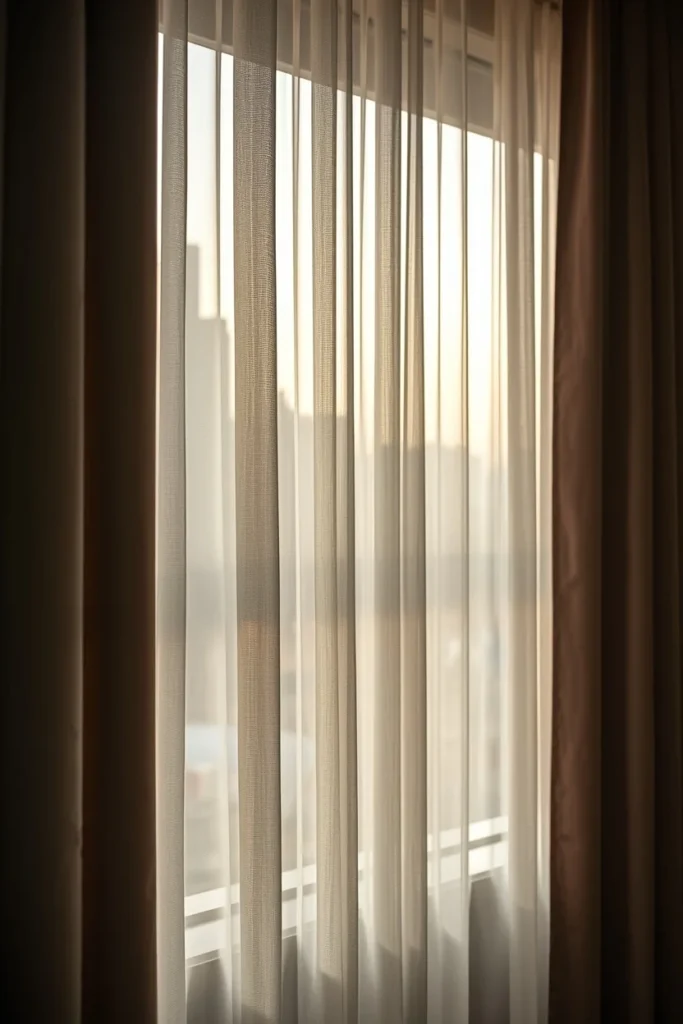
Layer sheer curtains beneath heavier blackout drapes at the window, using the sheers for daytime softness and the blackout layer for a fully dark, restful room at night. This combination brings a hotel-room quality to the bedroom, since most upscale hotel rooms rely on exactly this kind of layered window treatment for both privacy and light control. Choose blackout curtains in a color that matches or complements the room’s dominant palette, so they blend into the wall rather than standing out as a purely functional addition. Hang the curtain rod slightly wider and higher than the window frame itself, which makes the window appear larger and the ceiling feel taller once the curtains are open. This idea works especially well for anyone sensitive to early morning light or streetlight glow at night, since the blackout layer solves a practical problem while still contributing to the room’s cozy feel.
6. Warm Amber Lamp Lighting
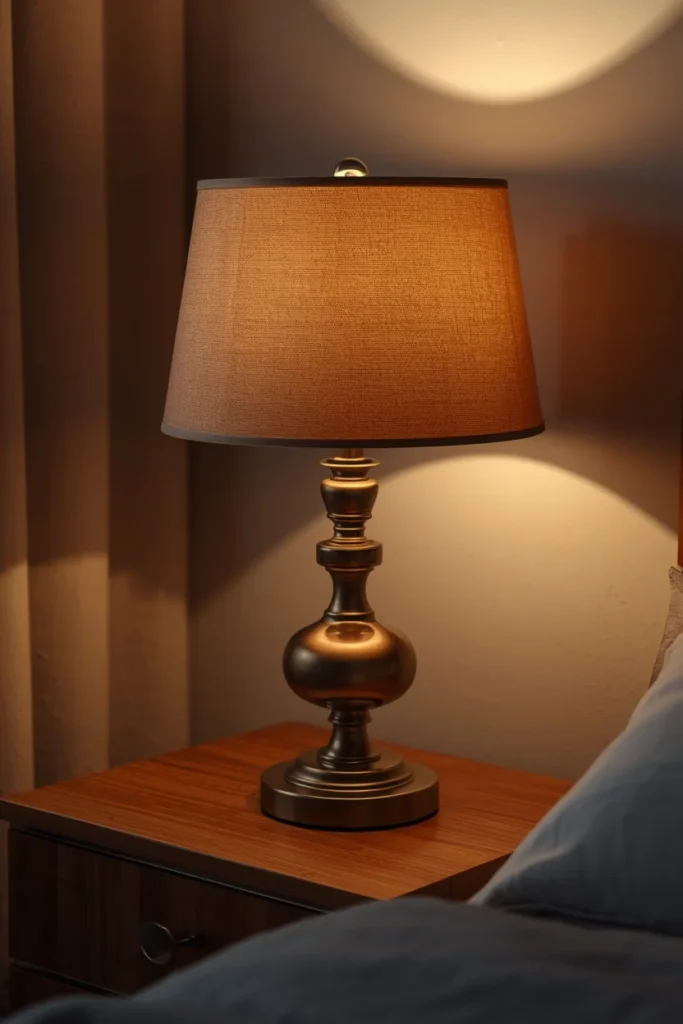
Replace harsh overhead lighting with a warm-toned lamp on each nightstand, choosing bulbs with a lower color temperature that mimics the soft glow of firelight rather than a bright, clinical white. Warm, low-level lighting has a real physiological effect, since it tends to feel more calming and restful than cool or overhead lighting, which can read as more functional than relaxing. Choose lamp shades in a warm material, like linen, rattan, or a soft fabric, so the light that filters through carries an amber cast even before the bulb color is factored in. Position the lamps at a height where the light falls softly across the bed rather than directly into anyone’s eyes while reading. This idea is one of the most impactful, low-cost changes on this list, since swapping lighting alone can shift the entire mood of a room without touching the furniture or bedding at all.
7. Fairy Lights Woven Behind the Headboard
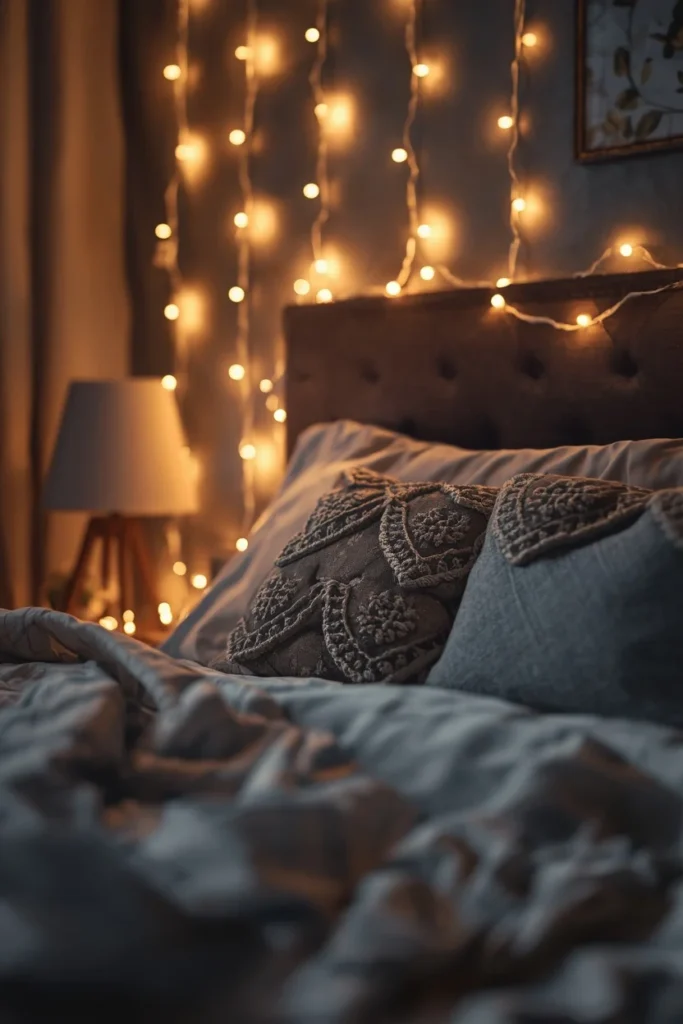
String warm white fairy lights along the wall behind the headboard, letting them peek out just above and around the edges of the bed frame for a soft, twinkling glow. This idea works especially well for renters or smaller bedrooms, since fairy lights require no major installation and can be removed easily without damaging the wall. Choose warm white lights over cool white, since cool-toned fairy lights can read as more decorative than cozy, working against the calming effect you’re going for. Drape the lights loosely rather than pulling them taut, letting a few gentle curves show for a more relaxed, natural look. This idea pairs particularly well with candles or a lamp nearby, layering multiple soft light sources at different heights around the bed.
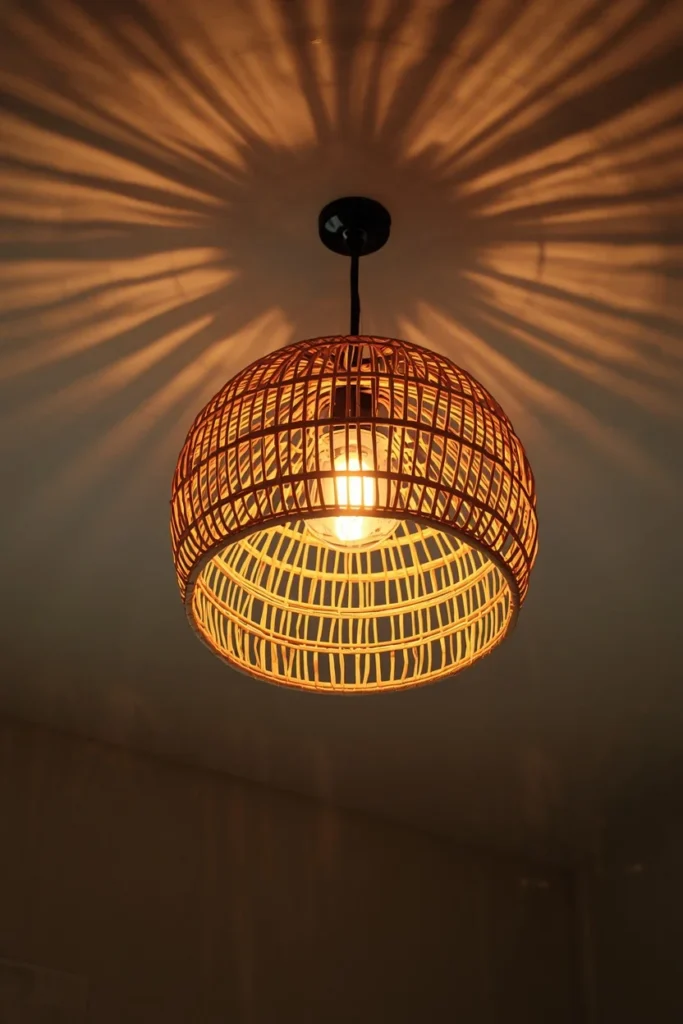
8. Woven Pendant Light Fixture
Swap a standard overhead fixture for a woven rattan or seagrass pendant light, which filters the light through its natural material for a softer, more textured glow than an exposed bulb or plain shade. This idea works well because the fixture itself becomes a decorative element even when the light is off, adding warmth and texture to the ceiling, which is often the most overlooked surface in a bedroom. Choose a pendant sized appropriately for the room, hanging low enough to feel intimate over a reading nook or seating area, but high enough to clear the bed comfortably if it’s centered above it. Pair the woven texture with a warm-toned bulb to reinforce the natural, organic feel of the fixture. This idea works particularly well in a bedroom with other natural materials already present, like a wood bed frame or a jute rug.
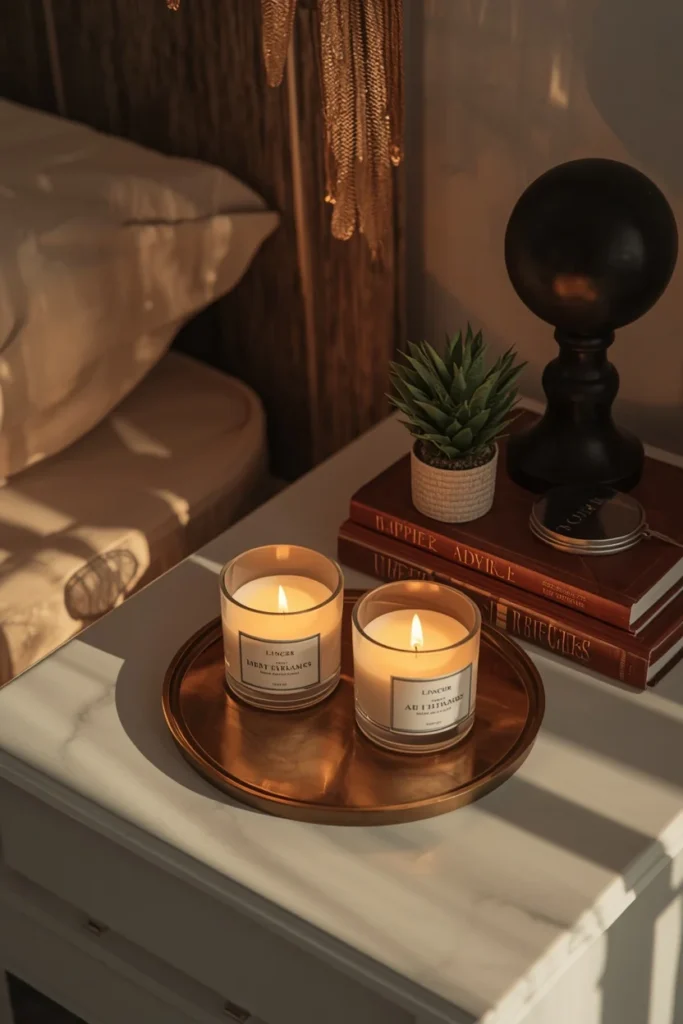
9. Candlelit Nightstand Styling
Add one or two candles to each nightstand, alongside a small tray or dish to catch drips and keep the surface tidy, for a warm, flickering light source to use in the evening. Candlelight carries a specific kind of coziness that lamps alone can’t replicate, since the movement of the flame adds a subtle, ever-changing quality to the light in the room. Choose unscented or lightly scented candles if you plan to burn them close to bedtime, since strong fragrances can be overstimulating in a room meant for winding down. Group the candles with a book or a small plant on the nightstand tray, so the vignette feels styled rather than like a single object sitting alone. This idea works especially well paired with warm lamp lighting (Idea 6), giving the room two different light sources to switch between depending on the mood.
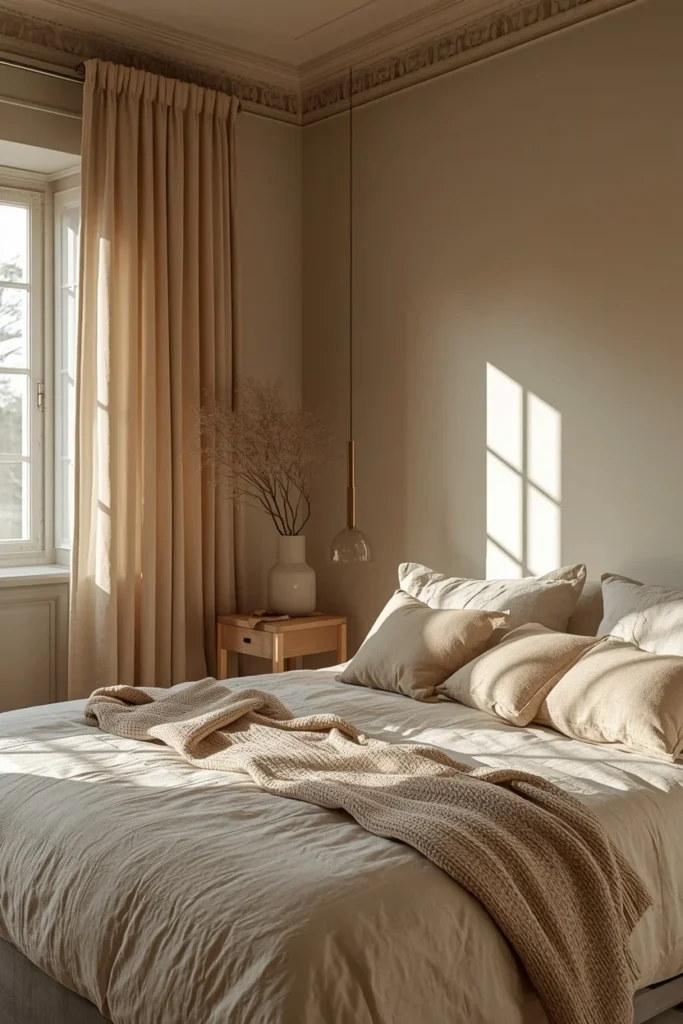
10. Warm Neutral Color-Drenched Bedroom
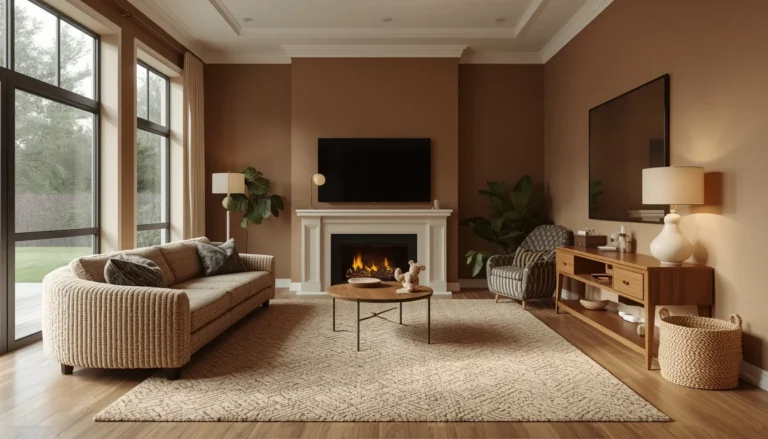
“Color drench” the room in a single warm neutral, like oatmeal or warm taupe, applying the same tone to the walls, bedding, and even the curtains for a cocooning, enveloping effect. This technique works because a single consistent color removes visual breaks in the room, which makes the space feel larger and more unified rather than segmented into separate zones. Choose a warm undertone rather than a cool one, since warm neutrals reflect light in a way that feels enveloping, while cooler grays and whites can read as sterile even in large quantities. Introduce texture rather than additional color to keep the room from feeling flat, using a nubby throw or a textured headboard against the same tonal palette. This idea works particularly well for a primary bedroom meant to feel like a true retreat, since the monochromatic approach reads as calm and considered rather than busy.
11. Terracotta and Hazelnut Warm Palette
Pair warm terracotta and hazelnut tones across the bedding, rug, and accent pieces for a bedroom palette that leans into rich, earthy warmth rather than pale neutrals. This combination works especially well for a bedroom with limited natural light, since the deeper, warmer tones can make a dim room feel intentionally moody and cozy rather than dark and uninviting. Choose one dominant tone, either terracotta or hazelnut, and let the second tone appear in smaller accents, like a throw pillow or a piece of ceramic decor, so the palette stays balanced. Add candles and fairy lights to reinforce the warmth of the color palette after dark, since this combination photographs and feels its coziest under low, golden lighting. This idea works particularly well alongside rustic or antique decor elements, since the earthy tones complement natural materials like wood, clay, and woven textiles.

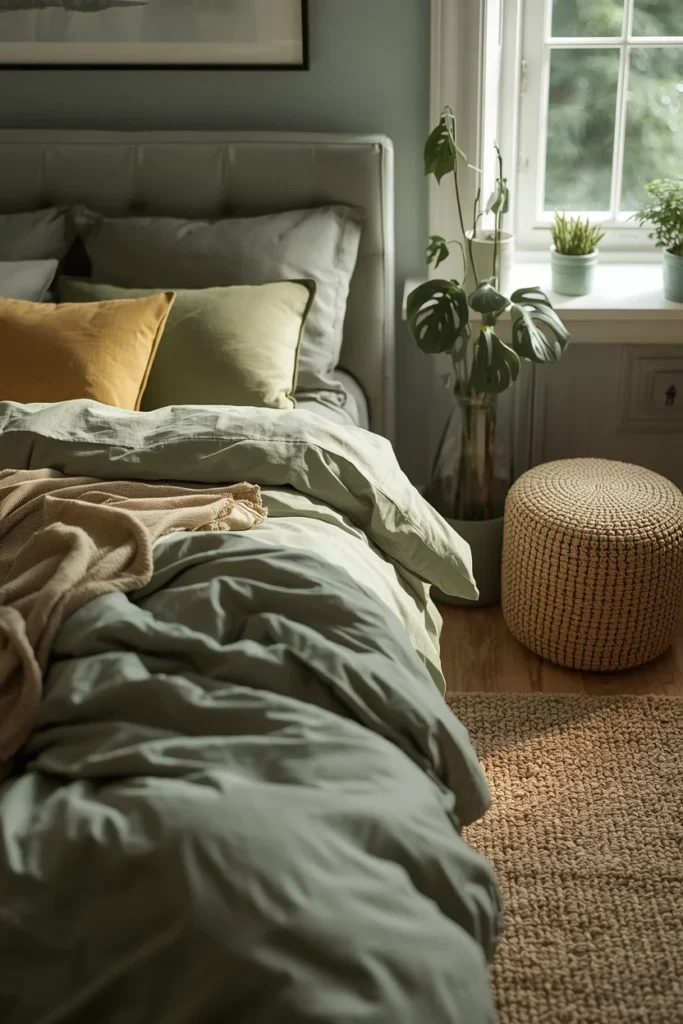
12. Sage and Olive Cool-Toned Cozy Bedroom
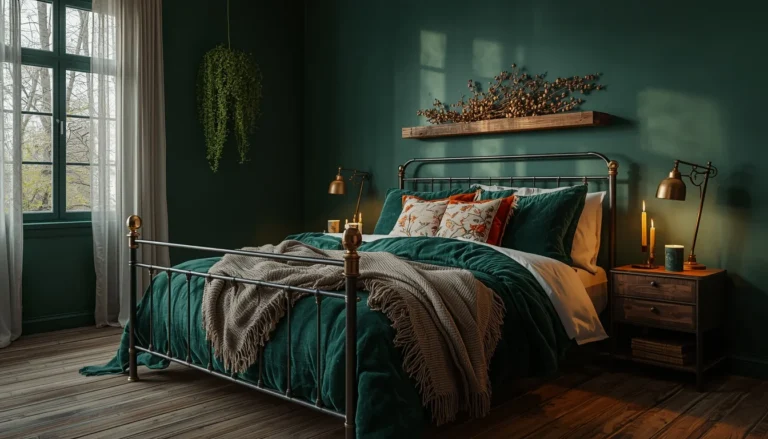
Build a cozy bedroom around sage and olive green tones instead of traditional warm neutrals, proving that cool colors can still feel enveloping when paired with the right lighting and texture. This palette works especially well alongside soft, ambient lighting and a few indoor plants, since the greens read as calm and grounding rather than cold when balanced with warmth elsewhere in the room. Choose a warm-toned sage rather than a blue-leaning one, since the undertone makes a real difference in how cozy versus sterile the color feels in a bedroom setting. Layer in a neutral-toned rug and a muslin or linen throw to keep the room from feeling too saturated in green, letting the color serve as an accent rather than every surface in the room. This idea works particularly well for anyone who wants a cozy bedroom without leaning on the typical cream-and-taupe palette most cozy bedroom guides default to.
13. Dusty Rose and Deep Timber Bedroom
Combine dusty rose and lavender tones with dark timber furniture and stained glass or colored window accents for a bedroom that feels like a warm, storybook retreat. This unexpected pairing works because the deep, dark wood grounds the softer pink and lavender tones, keeping the palette from reading as too delicate or overly sweet. Choose bedding in a muted dusty rose rather than a bright pink, since the muted tone is what gives this combination its cozy, lived-in feeling rather than a more playful, youthful one. Add warm lighting to bring out the richness of the timber furniture in the evening, since dark wood can look flat under cool or overly bright light. This idea works particularly well in an older home with existing dark wood trim or furniture already in place, since the palette works with those materials instead of fighting against them.
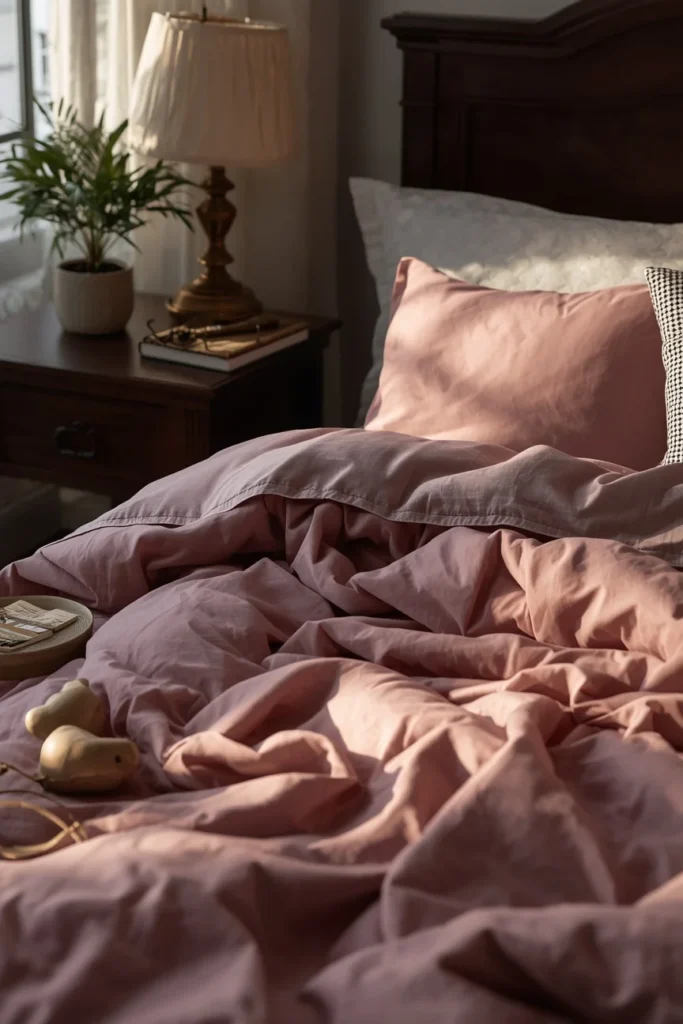
14. Faux Fur or Sheepskin Accent Rug
Add a faux fur or sheepskin rug at the foot of the bed or beside the nightstand, giving your feet something soft to land on the moment you get up. This idea works especially well as a sensory cue for coziness, since soft textures underfoot reinforce the same tactile comfort the rest of the room is working to create. Choose a neutral or warm-toned fur, like cream or camel, so it blends easily into most existing color palettes without needing to match exactly. Layer the faux fur rug over a larger flat-weave or wool rug rather than placing it directly on bare flooring, which adds another layer of texture underfoot. This idea works particularly well in colder climates or during winter months, when a soft, insulating rug makes a real difference in how the room feels first thing in the morning.
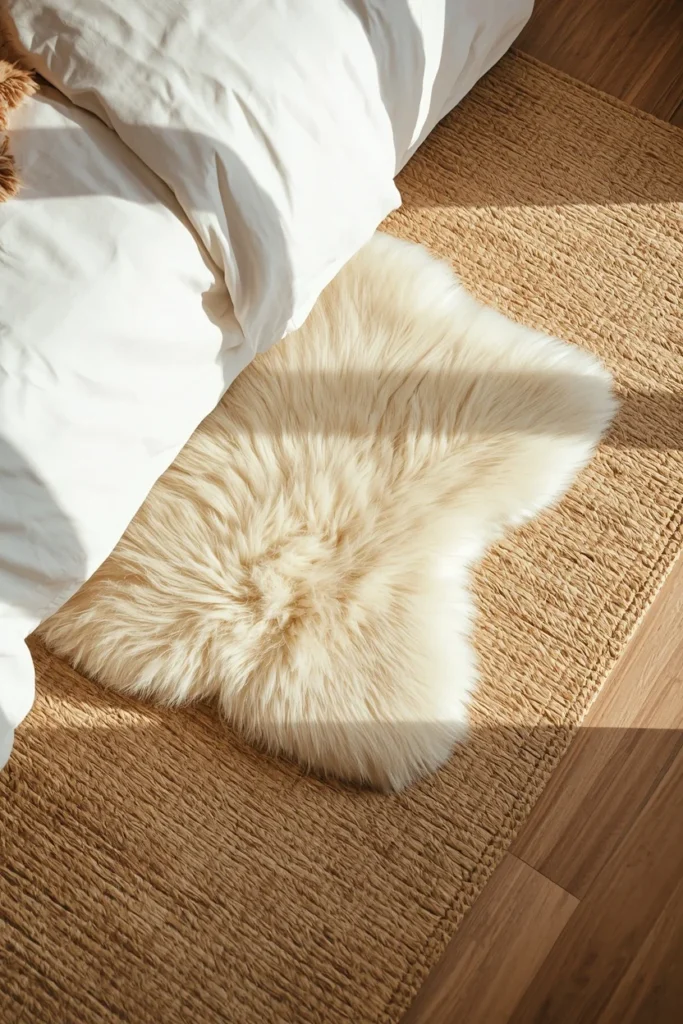
15. Rustic and Antique Decor Accents
Introduce a few rustic or antique pieces, like a ceramic vase, a gold-framed piece of art, or a weathered wood mirror, to bring character and a sense of history into the room. This idea works because these small details add layers of nostalgia and personality that new, matched furniture often lacks, giving the room a collected feeling rather than a showroom one. Choose pieces with visible texture or patina, since that history is exactly what makes them feel warmer and more lived-in than something brand new. Place antique or rustic pieces in small groupings, like a vase and a stack of books on a dresser, rather than scattering them individually around the room. This idea pairs particularly well with a warm, earthy color palette, since rustic materials tend to read best against terracotta, olive, or oatmeal tones rather than stark white or cool gray.
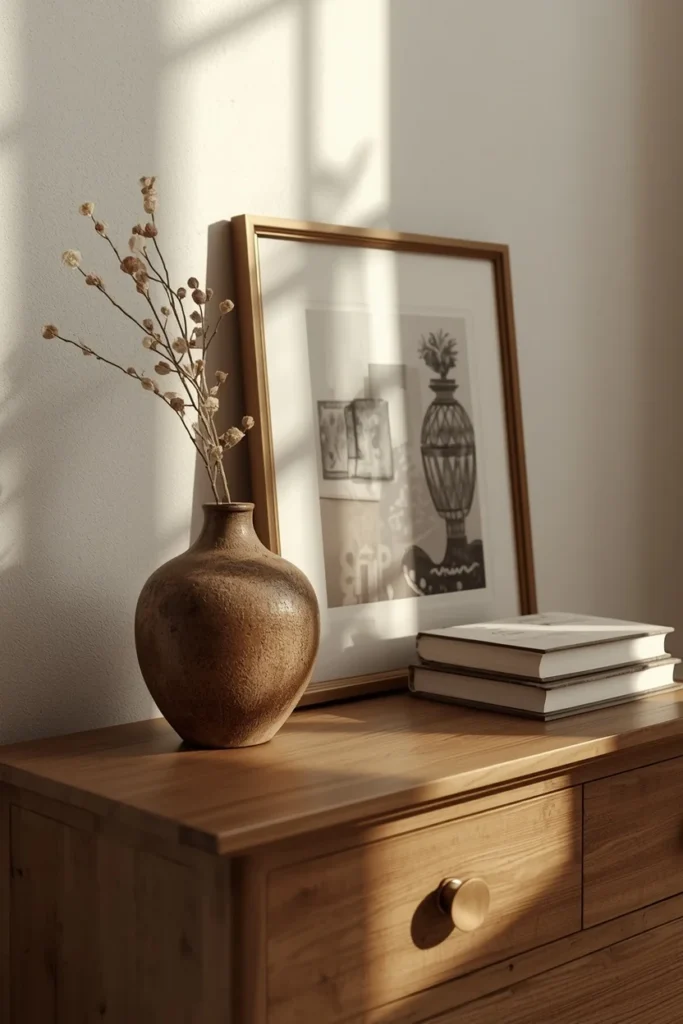
16. Wood Tone Nightstands and Natural Materials
Choose nightstands in a warm, natural wood tone, paired with other natural materials like rattan, linen, and stone, to ground the room in texture rather than relying on color alone for warmth. This idea works especially well because natural materials tend to age and wear in a way that adds character over time, rather than looking dated the way some trend-driven finishes can. Match the wood tone across the nightstands and any other visible wood furniture in the room, like a bed frame or dresser, so the natural materials feel cohesive rather than randomly placed. Add a woven basket or rattan tray on top of the nightstand for an additional layer of natural texture at a smaller scale. This idea works particularly well as a neutral foundation that can support almost any color palette layered on top of it, from warm terracotta to cool sage.
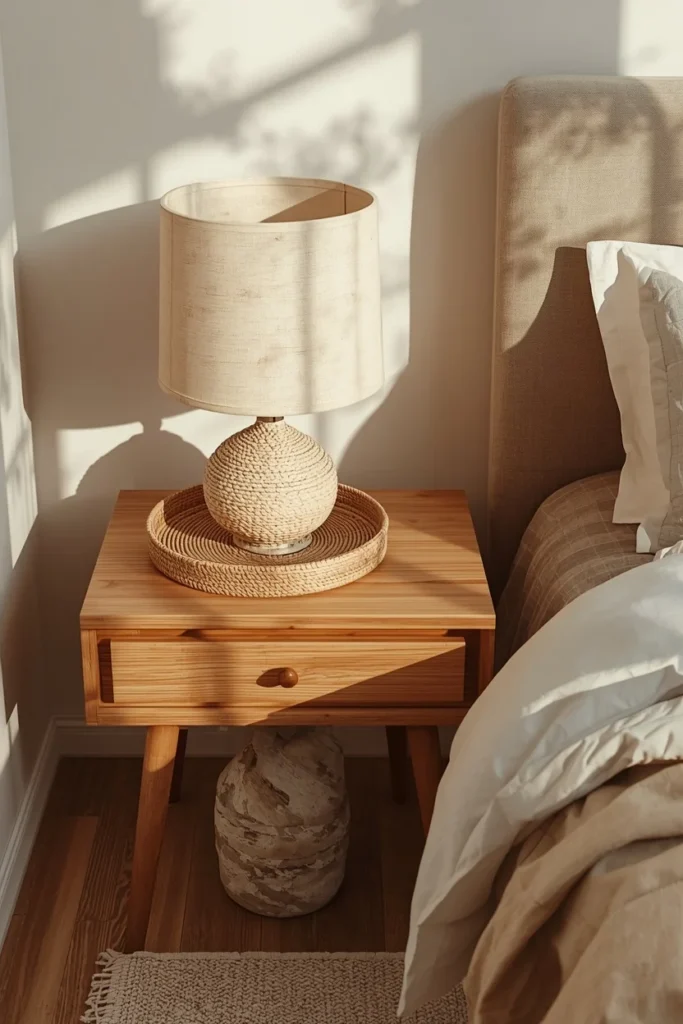
17. Boucle Accent Chair or Stool
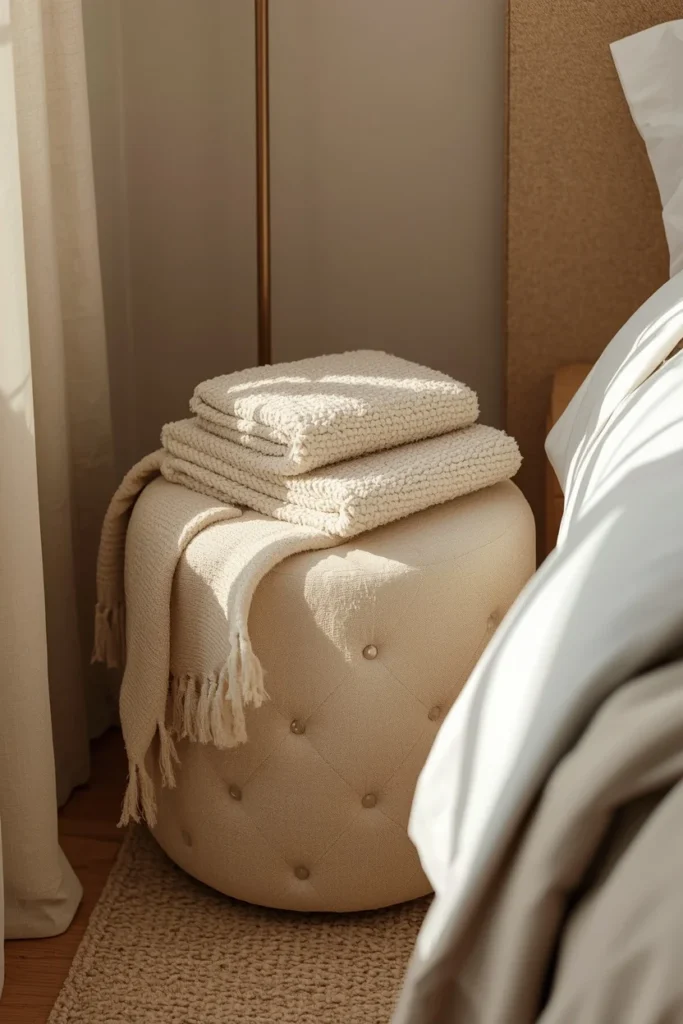
Place a small bouclé chair or stool beside the bed or in an empty corner, adding a soft, tactile seating option that also functions as a place to toss clothes or set down a book. This idea works especially well in a small bedroom, where a compact stool takes up far less visual and physical space than a full accent chair while still adding a cozy, chic touch. Choose a cream or warm neutral bouclé fabric, which pairs easily with almost any existing color palette in the room. Position the stool at an angle rather than squared off against the wall, which gives the room a more relaxed, lived-in feel. This idea works particularly well paired with a small side table, creating a mini reading nook even in a limited amount of floor space.
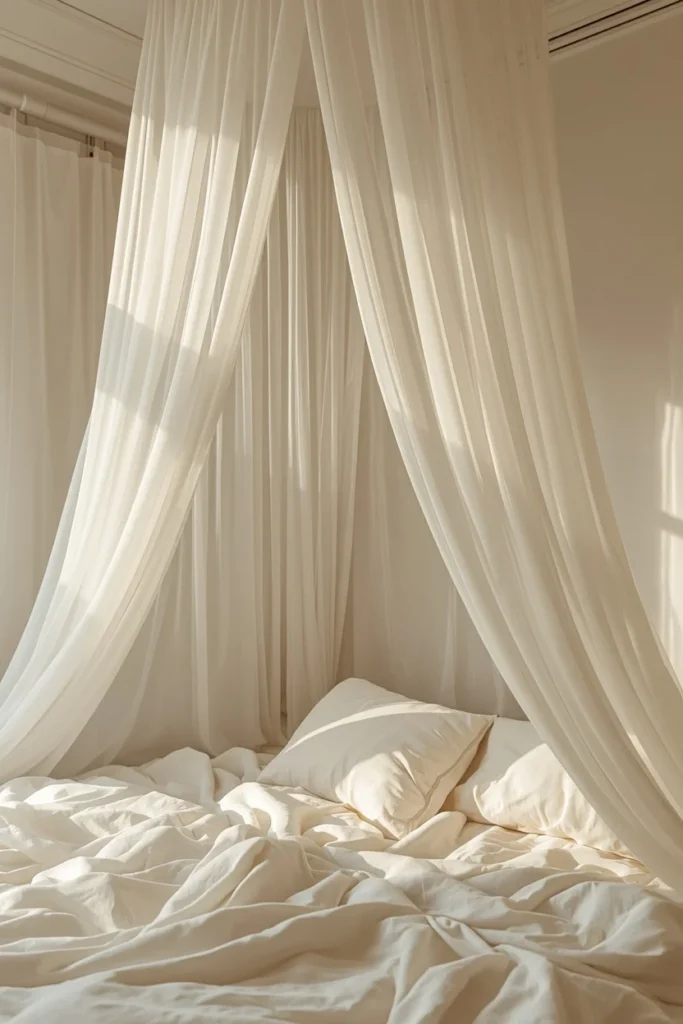
18. Draped Canopy or Fabric Overhead
Hang a length of sheer or lightweight fabric above the bed, draping it loosely from a ceiling-mounted hook or curtain rod for a soft, canopy-like effect without needing a full four-poster bed frame. This idea works especially well for renters or anyone who wants the softness of a canopy bed without the commitment of new furniture, since the fabric can be installed and removed with minimal effort. Choose a sheer, breathable fabric in a warm white or cream tone, letting it pool slightly on the floor or the bed itself rather than pulling it taut. This detail adds a sense of enclosure above the bed, which taps into the same “refuge” feeling that makes canopy beds and four-poster frames feel inherently cozy. This idea works particularly well in a room with higher ceilings, where the draped fabric adds softness to what might otherwise feel like a lot of empty vertical space.
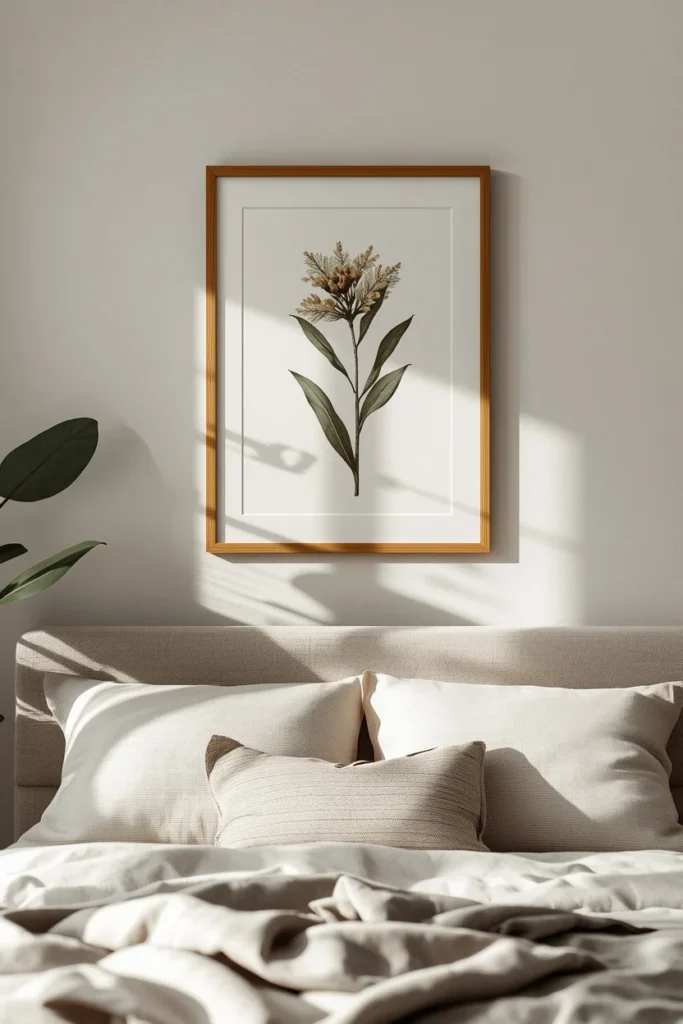
19. Nature-Inspired Wall Art
Hang one or two pieces of nature-inspired wall art, like a botanical print or a soft landscape, above the bed or on an adjacent wall to reinforce the room’s calm, tranquil mood. This idea works well because nature imagery has a documented calming effect, and even a single well-placed print can shift the emotional tone of a room without requiring a full gallery wall. Choose art in a muted, warm-toned color palette that complements the room’s existing colors rather than introducing a jarring contrast. A single oversized piece often reads as more intentional than several small prints scattered without a clear arrangement. This idea works particularly well above a headboard, where it becomes the natural focal point once someone is lying in bed looking up or across the room.
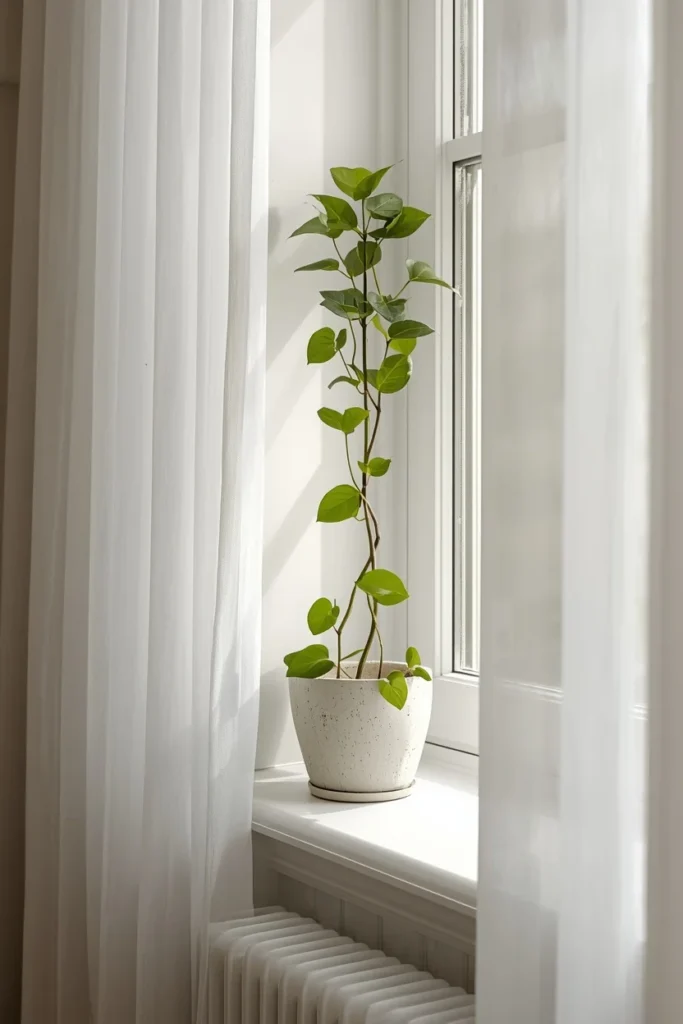
20. Indoor Plants for a Tranquil Oasis
Add one or two indoor plants to the bedroom, choosing low-maintenance varieties suited to the room’s available light, to bring a sense of life and softness that furniture and textiles alone can’t provide. This idea works especially well paired with a cooler color palette, like sage or olive, since the greenery reinforces the room’s calming tones rather than competing with them. Choose a plant with texture as well as color, like a trailing pothos or a fuller snake plant, so it adds visual interest even when it’s not in bloom. Place the plant somewhere it will actually get enough light to thrive, like a windowsill or a corner near natural light, rather than purely for symmetry. This idea works particularly well on a dresser or in a decorative planter beside a reading chair, giving the room a small, living focal point beyond the bed itself.
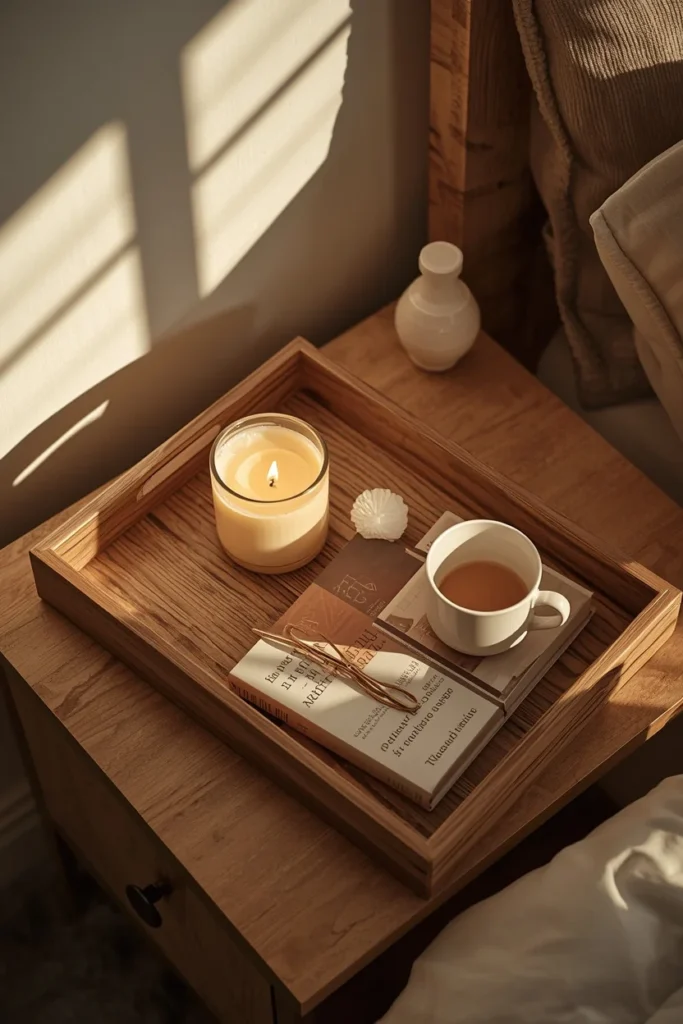
21. Styled Bedside Tray
Set a small tray on the nightstand or across the bed itself, styled with a candle, a stack of books, and a small cup or glass, for a curated vignette that photographs well and feels genuinely functional. This idea works because it gives loose bedside items, like a phone charger or a half-read book, a designated, styled spot rather than letting them clutter the nightstand surface. Choose a tray in a natural material, like wood or woven rattan, to add texture even before anything is placed on top of it. Keep the styling to three or four items maximum, since a tray overloaded with objects starts to look cluttered rather than curated. This idea works particularly well as a finishing touch after the larger elements of the room, bedding, lighting, and furniture, are already in place.
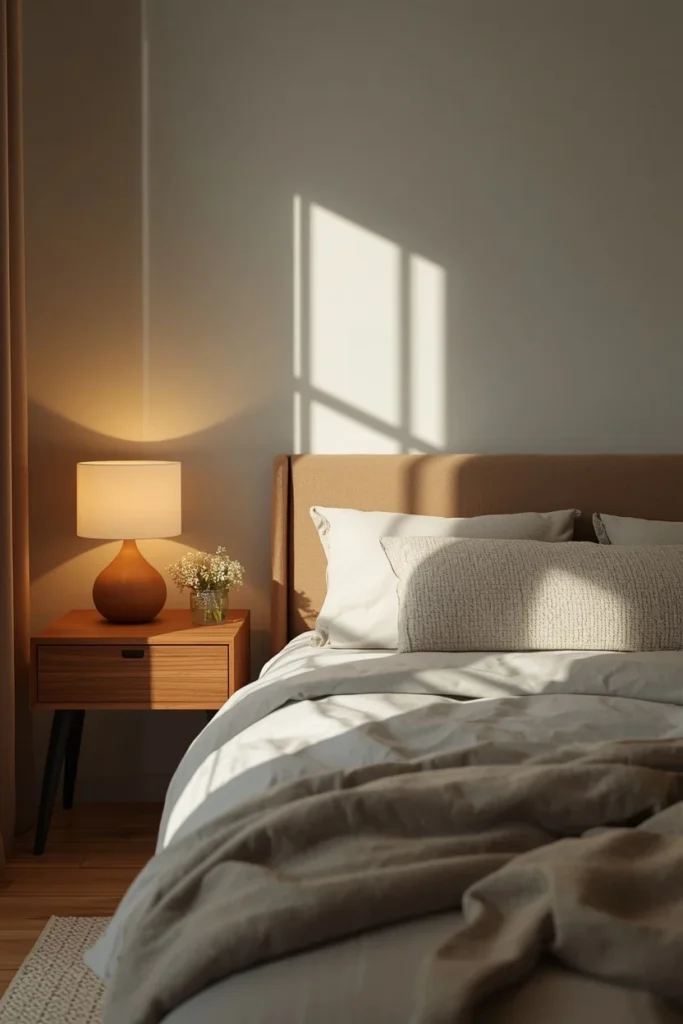
22. Matching Nightstands and Lamps for Small Rooms
In a small bedroom, choose matching nightstands and table lamps on either side of the bed to create symmetry, which tends to make a compact room feel more organized and intentional rather than cramped. This idea works especially well in tight spaces, since matching furniture reduces visual clutter and helps the eye move smoothly across the room instead of getting caught on mismatched shapes and sizes. Choose slim, low-profile nightstands if floor space is limited, prioritizing function without sacrificing the warm lighting that makes the room feel cozy. A slightly oversized lamp shade on a small table can also make the nightstand feel more substantial than its actual footprint. This idea works particularly well as a foundation for a small bedroom, since the symmetry gives the rest of the cozy styling, bedding, art, and textiles, a stable, uncluttered frame to work within.
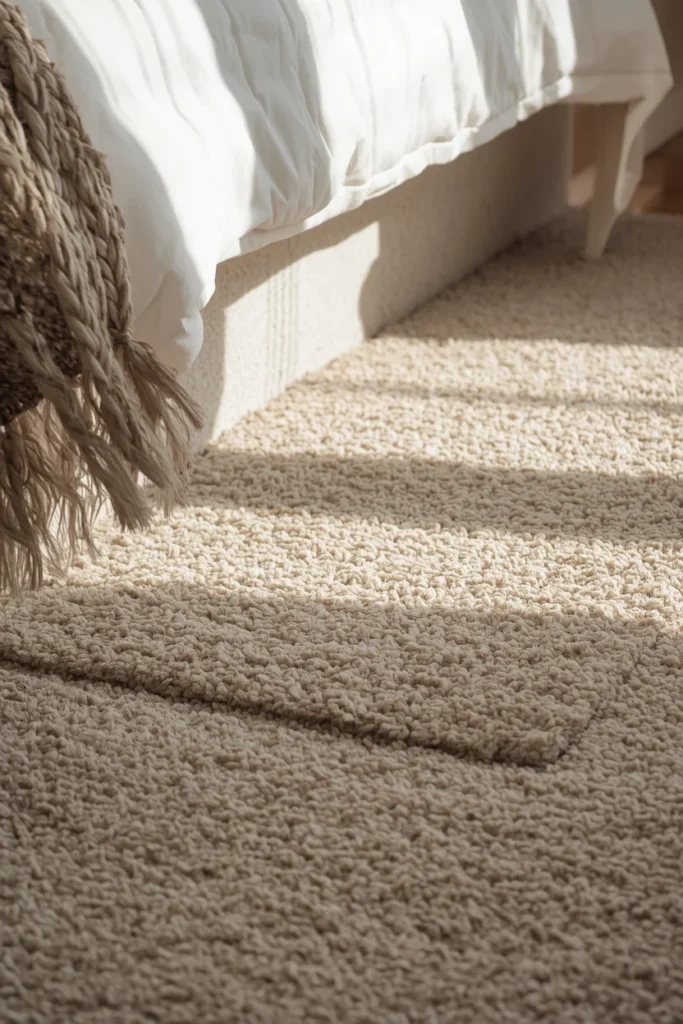
23. Soft Rug Layered Over Wall-to-Wall Carpet
Add a soft, neutral area rug on top of existing wall-to-wall carpet for an extra layer of texture underfoot, even in a room that already has carpeting installed. This idea works especially well as a renter-friendly or budget-conscious update, since a rug requires no installation and can be swapped or replaced far more easily than the carpet beneath it. Choose a rug with visible texture, like a chunky wool or a subtle pattern, so it reads as an intentional layer rather than disappearing into the carpet underneath it. Position the rug at the foot of the bed or beneath a reading chair, rather than centering it under the entire bed frame, so it adds a defined textural zone within the room. This idea works particularly well combined with plush bedding and an assortment of throw pillows, since the layered textures throughout the room reinforce each other for a fully cohesive cozy feel.
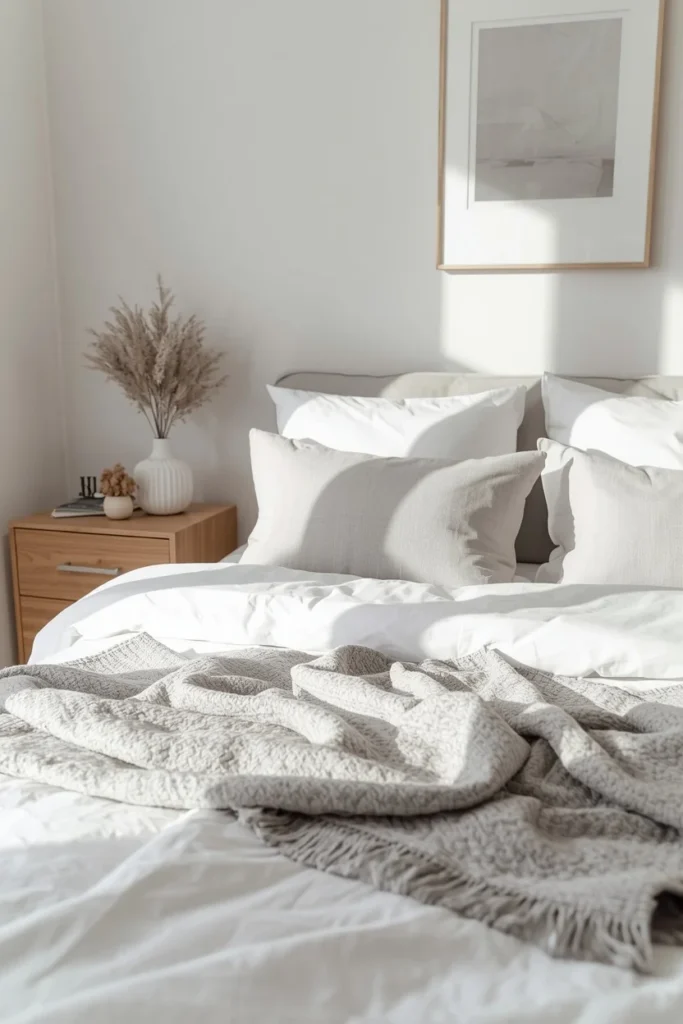
24. Minimal Styling for a Calm, Uncluttered Look
Choose just a few well-placed elements, a textured throw, two structured pillows, and one piece of art, rather than filling every surface, letting negative space do a share of the cozy work. This idea works especially well for anyone who finds a heavily layered, maximalist bedroom overwhelming rather than restful, since a calmer, more minimal room can feel just as cozy through quality over quantity. Choose a crisp, simple base, like white bedding with a soft gray throw, and resist the urge to add more once the room already feels balanced. A couple of mid-tone wood accents, like a nightstand or bed frame, keep the minimal palette from feeling cold or sterile. This idea works particularly well for anyone who wants their bedroom to feel like a mental reset the moment they walk in, since the lack of visual clutter genuinely does contribute to a calmer state of mind.
Styling Tips
- Layer at least three textures on the bed itself, sheets, a duvet, and a throw, since texture variation is what makes a bed read as cozy rather than just made.
- Choose warm-toned lighting over cool or bright white, since warm light mimics firelight and has a genuine calming effect on the nervous system.
- Pick one dominant color palette, whether warm neutral, earthy terracotta, or cool sage, and let smaller accents introduce variation rather than mixing several unrelated palettes.
- Add texture at floor level with a rug, even a small one, since soft flooring reinforces the same tactile comfort the bedding is already working to create.
- Leave a little negative space rather than filling every surface, since a slightly restrained approach often feels calmer and cozier than a fully maximalist one.
Practical Implementation Ideas
- Start with lighting first, since swapping a harsh overhead bulb for warm lamp light is one of the fastest, lowest-cost changes with the biggest visual impact.
- Layer the bed in stages, adding one texture at a time, and step back to assess before adding the next layer so the bed doesn’t end up overly bulky.
- Test fabric swatches or paint samples under your room’s actual evening lighting before committing to a full palette, since warm and cool tones shift noticeably under lamp light versus daylight.
- Rearrange existing furniture, like a stool or chair, into an underused corner before buying anything new, to see if a small reading nook is possible with what you already own.
- Style the nightstand tray last, once the bedding, lighting, and larger furniture pieces are already in place, so you can judge what small details the room actually still needs.
Common Mistakes to Avoid
- Relying on a single harsh overhead light as the room’s only light source, which tends to feel clinical rather than cozy no matter how good the bedding looks.
- Choosing cool-toned neutrals, like a blue-gray, when going for a warm, enveloping feel, since undertone matters more than the general color category.
- Overcrowding the bed with too many pillows, leaving no clear, comfortable space to actually lie down and relax.
- Skipping texture at floor level, which can leave an otherwise well-styled room feeling unfinished from the knees down.
- Adding too many small decorative objects without an anchor piece, which can make the room feel cluttered rather than gathered.
Small-Space Alternatives
For a small bedroom, choose matching, low-profile nightstands and lamps (Idea 22) to keep the room feeling organized rather than cramped, and layer a rug over existing carpet (Idea 23) instead of adding bulky floor furniture. A small bouclé stool (Idea 17) works well in place of a full accent chair, giving the room a cozy seating option without sacrificing much floor space. Fairy lights (Idea 7) and a draped canopy (Idea 18) are both effective ways to add softness and warmth vertically, which is especially useful when floor space for furniture is limited.
Budget-Friendly Alternatives
Swapping to warm-toned lamp lighting (Idea 6) and adding a chunky knit throw (Idea 2) are two of the lowest-cost, highest-impact changes on this list, both achievable for well under the cost of new furniture. A layered rug over existing carpet (Idea 23) and rustic or antique decor pieces sourced secondhand (Idea 15) both add texture and character without a large budget. Fairy lights (Idea 7) and a styled bedside tray using items already in the house (Idea 21) round out a cozy refresh that requires very little new spending at all.
Pro Styling Recommendations
Start with warmth, in both lighting and color palette, before adding any additional decor, since a cool, harshly lit room will feel unfinished no matter how much texture gets layered on top of it. Build the bed in visible layers rather than hiding everything under one flat duvet cover, since the layers themselves are what create the plush, inviting look most cozy bedroom photos are going for. Choose one or two anchor pieces, like a tufted headboard or a piece of nature-inspired art, and let smaller details support that anchor rather than competing with it for attention. Finally, walk into the room at the time of day you’ll actually use it most, whether that’s early morning or late evening, and adjust lighting and styling based on how the room actually feels in that light.
FAQs
Conclusion
A cozy bedroom comes down to the same short list of choices no matter which style you lean toward: warm light instead of harsh overhead light, at least a few layers of texture, and a color palette that feels enveloping rather than sterile. Pick a handful of these 24 ideas that fit your space and your budget, start with lighting since it makes the biggest difference for the least effort, and build the rest of the room in layers from there. It doesn’t need every idea on this list. It just needs enough warmth and texture that leaving the bed each morning feels like the harder choice.