15 Curved Accent Wall Ideas to Soften a Boxy Room
Some rooms feel tense before you can even say why. Four flat walls, ninety-degree corners, straight lines running floor to ceiling — it’s not wrong exactly, just a little rigid. A curved accent wall is one of the fastest ways to take the edge off.
Curves read as calm. Designers keep pointing to the same idea: sharp corners signal structure, while curves signal ease, the kind of shape your body registers as safe before your brain even names it. That’s why arched niches, rounded plaster walls, and curved wood paneling keep showing up in trend forecasts right now, not as a nostalgic throwback to 1980s arches, but as a genuinely fresh architectural move.
Below are 15 specific ways to bring a curve into a boxy room, whether you’re working with a full renovation budget or just a weekend and a can of plaster.
Table of Contents
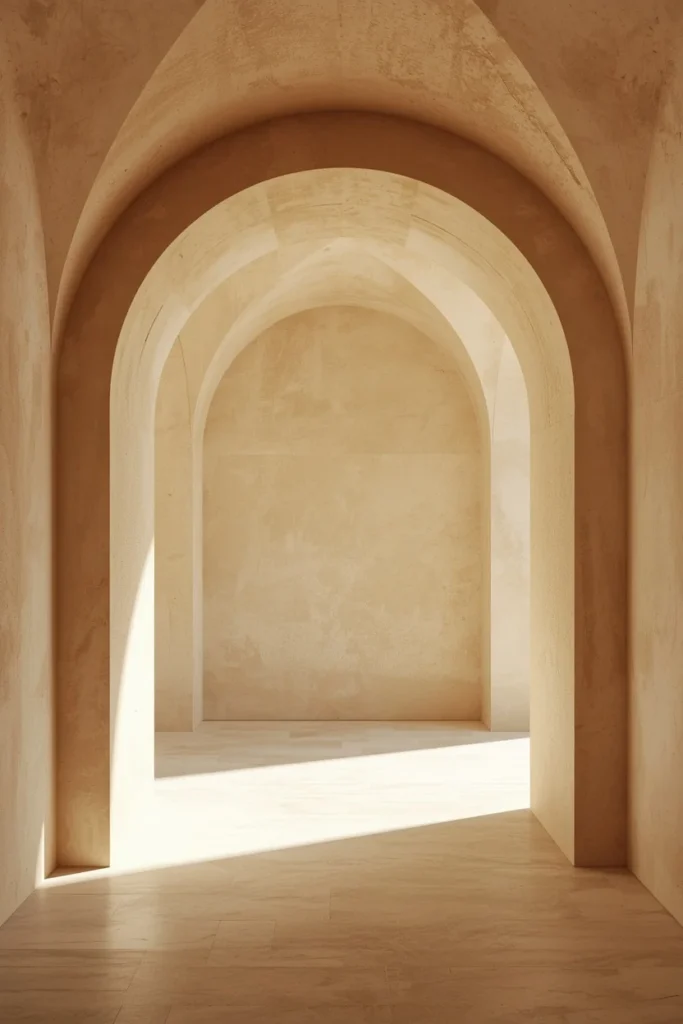
1. Wide-Radius Plastered Archway
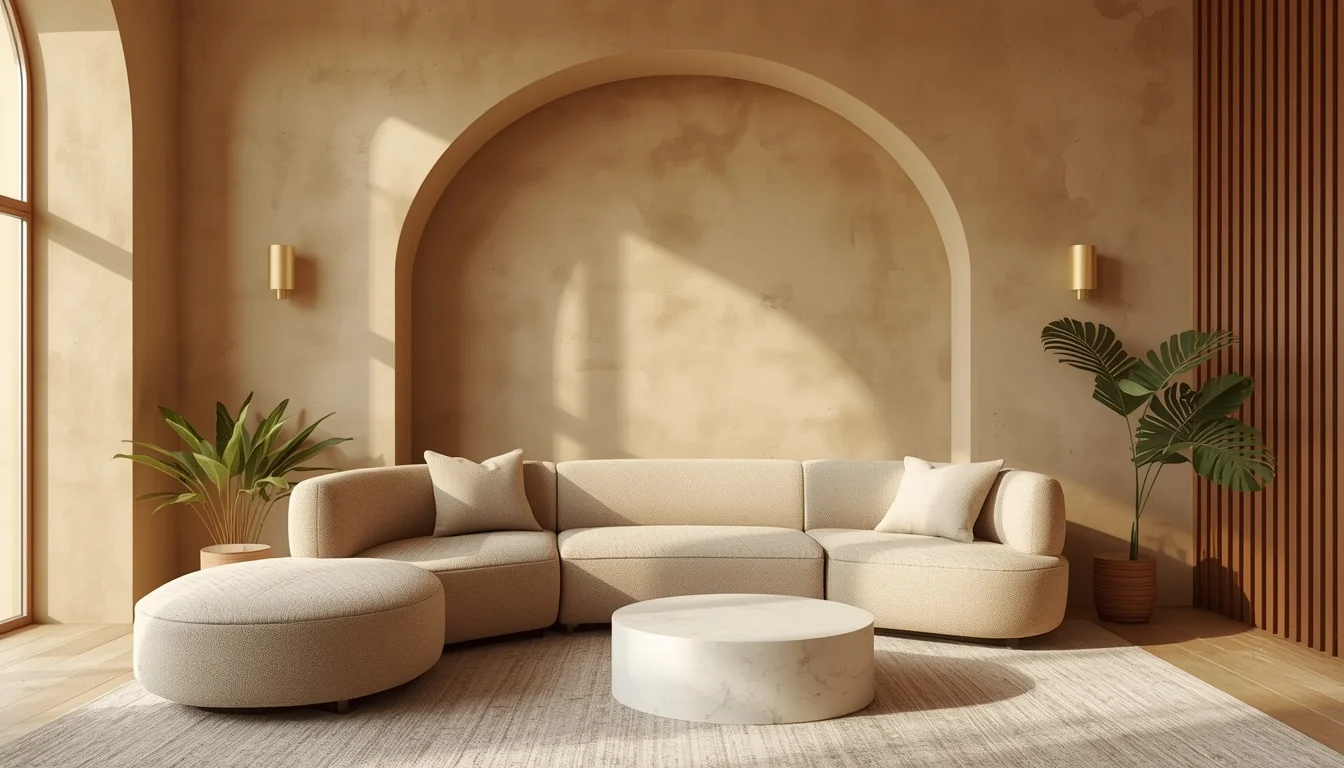
A wide, gently curved archway built into a doorway or open wall opening softens the transition between two rooms far more than a standard rectangular cutout. Choosing a wide radius, rather than a tight, steep curve, keeps the opening feeling generous and architectural instead of decorative or twee. A smooth plaster finish in a warm oat or bone tone lets the shape itself do the work, without needing paint contrast to draw attention to it. This kind of curve reads as structural rather than applied, which is part of why it feels so different from the arched mirrors and doorways of past decades.
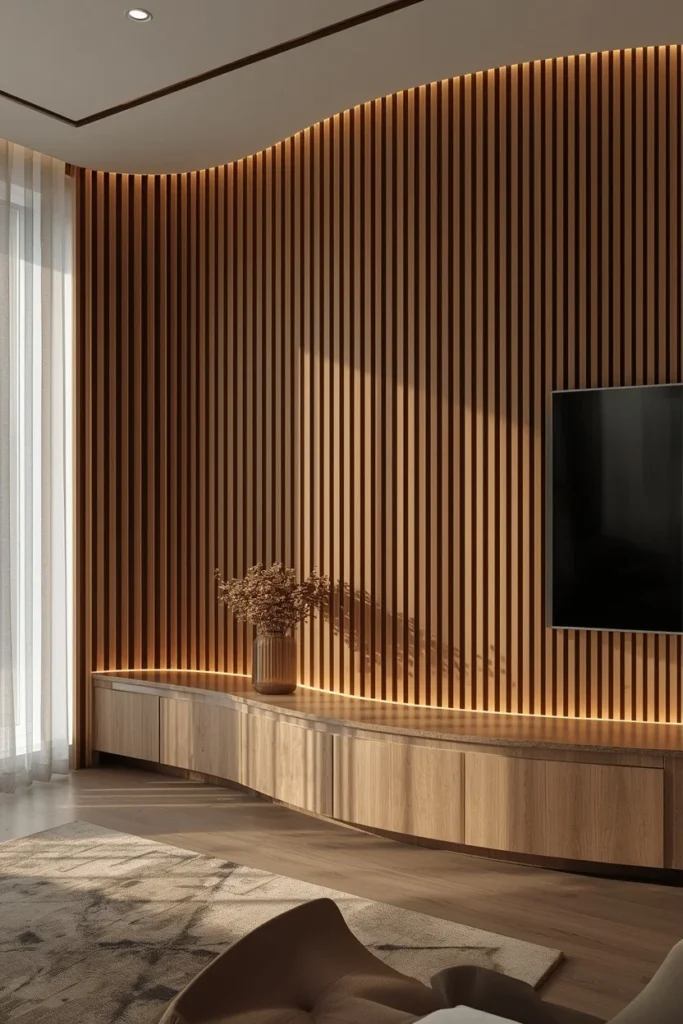
2. Curved Wood Slat Accent Wall
Vertical wood slats bent or installed along a gentle curve add warmth and texture while softening a flat wall’s hard edges. This works especially well wrapping a corner or framing a media console, since the curve visually pulls the eye around the bend instead of stopping at a sharp ninety-degree line. Choosing a warm walnut or oak tone keeps the wall feeling grounded and natural, rather than stark or overly modern. Backlighting the slats with a subtle LED strip adds depth in the evening, letting the curve’s shadow play become part of the room’s ambient lighting.
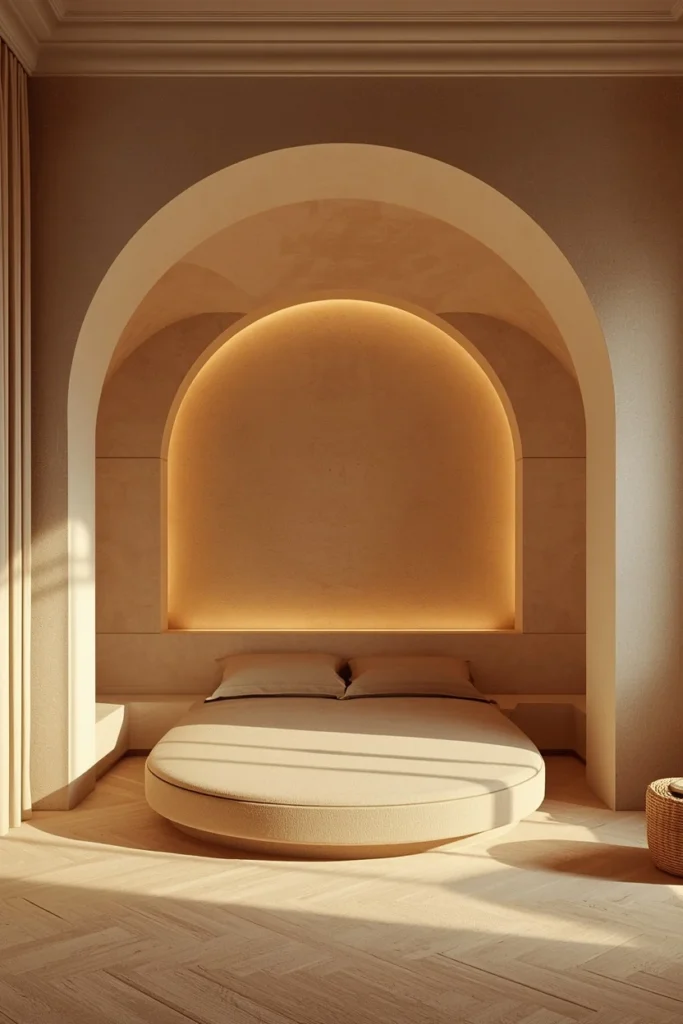
3. Rounded Plaster Alcove Nook
A curved alcove carved into a wall, whether behind a bed, sofa, or reading chair, creates a soft architectural frame around whatever sits inside it. Smooth, hand-applied plaster in a warm neutral tone gives the alcove a sculpted, almost carved-from-stone quality that a flat painted wall can’t replicate. This nook works especially well as a headboard wall, since the curve wraps gently around the top of the bed and adds a sense of enclosure without needing an actual headboard. Lighting the inside edge of the alcove with a thin recessed strip highlights the curve’s shadow and depth after dark.
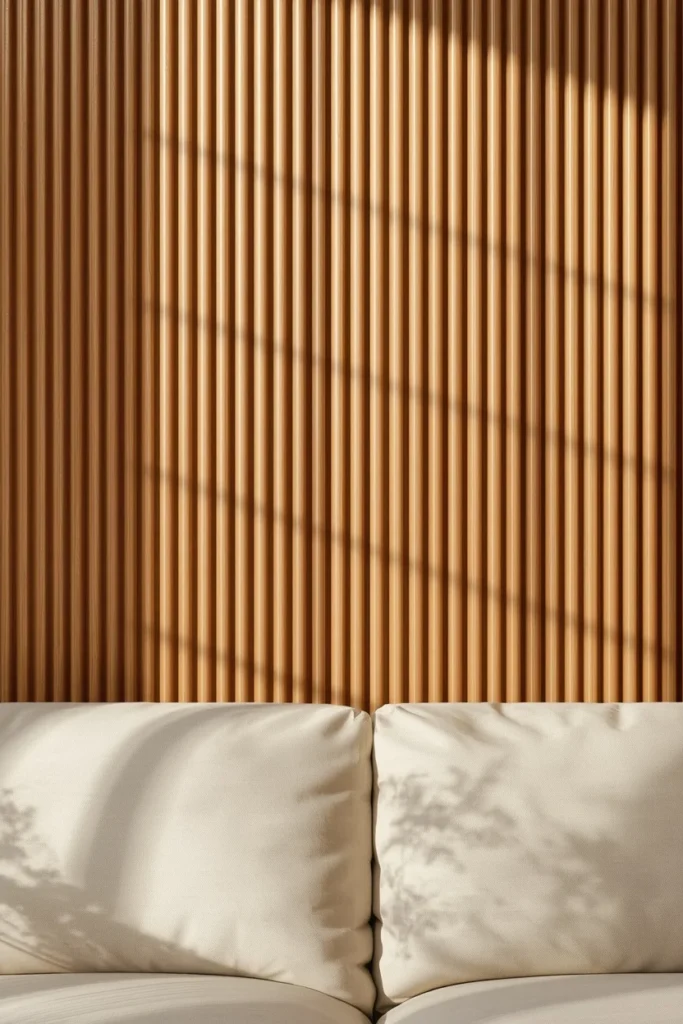
4. Scalloped or Fluted Wall Paneling
Fluted paneling, with its repeated vertical grooves, or scalloped paneling, with its rounded, shell-like edges, brings a soft rhythm to a wall without a full architectural curve. This works well as a lower wainscoting-style treatment or as a full accent wall behind a sofa or bed. Choosing a warm wood or painted plaster finish, rather than a glossy laminate, keeps the texture feeling tactile and current rather than dated. The repeated curves in fluting or scalloping catch light differently throughout the day, giving the wall a subtle, shifting texture that a flat surface never achieves.
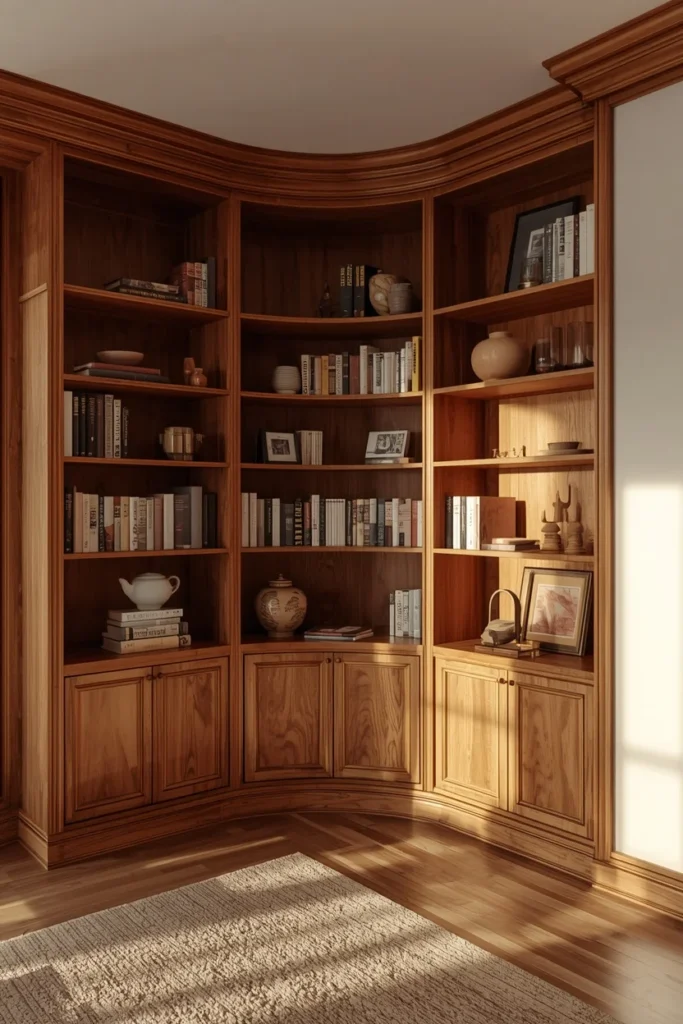
5. Curved Built-In Bookshelf Wall
A built-in shelving unit with a gently curved silhouette, rather than sharp rectangular compartments, turns a functional storage wall into a sculptural feature. Rounding the outer edge of the shelving, or curving the entire unit around a corner, softens what is often one of the most rigid, boxy elements in a living room. Styling the shelves with a mix of books, pottery, and a little negative space keeps the curve visible rather than lost behind clutter. This idea works particularly well in rooms that need storage but don’t have space for a curve anywhere else, since the shelving does double duty as both function and softening architecture.
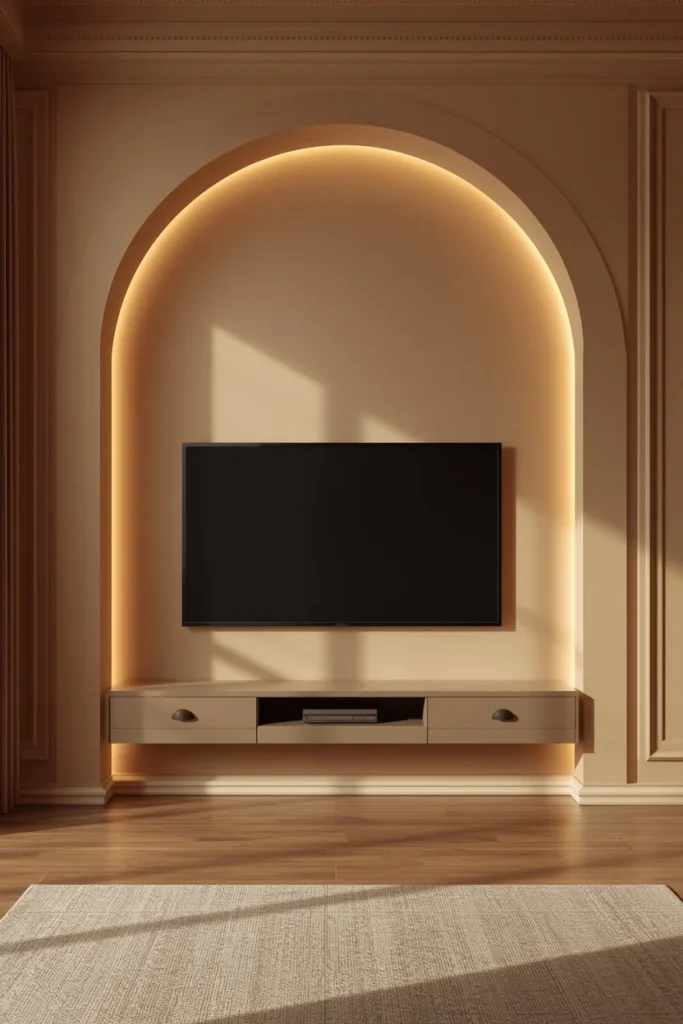
6. Arched TV Media Wall
Framing a wall-mounted television inside a wide plastered arch, rather than mounting it directly on a flat wall, softens what is usually one of the most visually rigid focal points in a living room. The curve draws the eye around the screen rather than letting it sit as a hard black rectangle against a flat surface. Choosing a warm plaster or wood finish inside the arch, with the TV recessed slightly, helps the screen read as part of the architecture rather than an obvious appliance. This is one of the more renovation-intensive ideas on the list, but it solves a design problem — the flat black TV rectangle — that almost every living room shares.
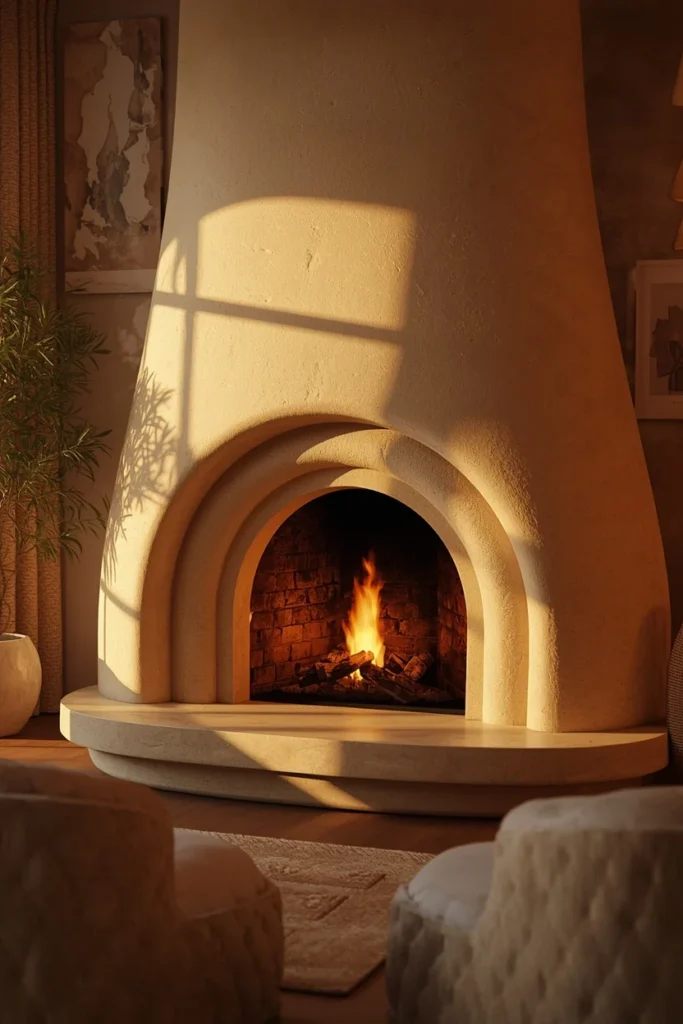
7. Rounded Fireplace Surround
A fireplace surround built with soft, rounded edges instead of a sharp rectangular mantel turns the room’s natural focal point into its softest architectural moment. Plaster, limewash, or smooth stucco finishes in warm neutral tones let the curved shape read clearly without competing with a busy pattern or material. Extending the curve slightly up and around the chimney breast, rather than stopping at a small mantel ledge, makes the softening effect felt across more of the wall. This idea pairs naturally with curved seating nearby, like a round ottoman or a gently curved sofa, so the room’s soft shapes echo each other.
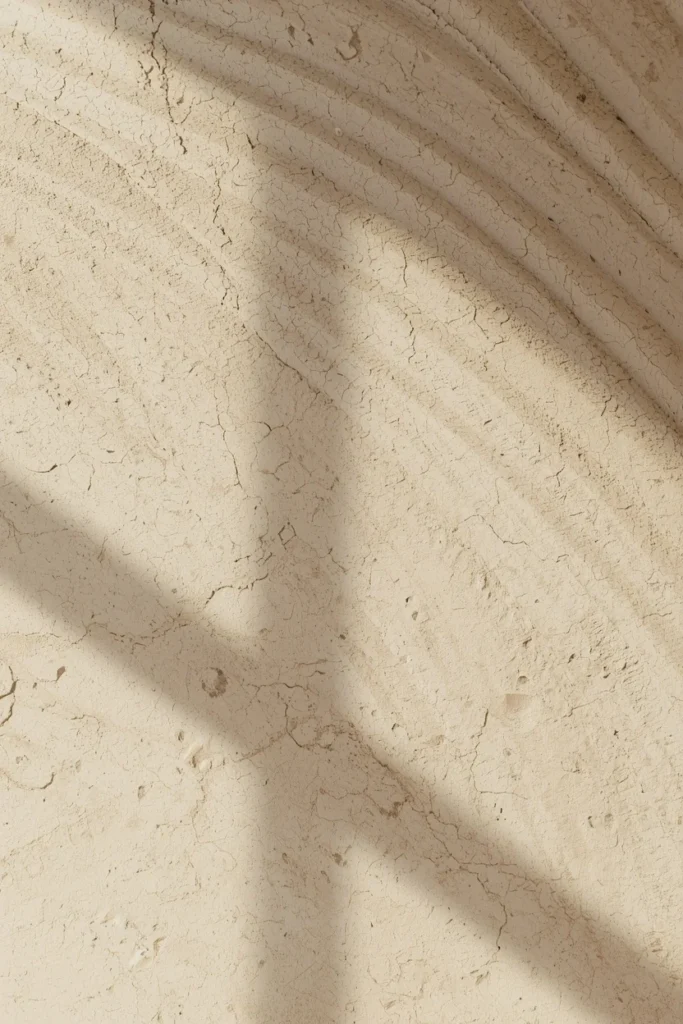
8. Venetian Plaster Wave-Textured Wall
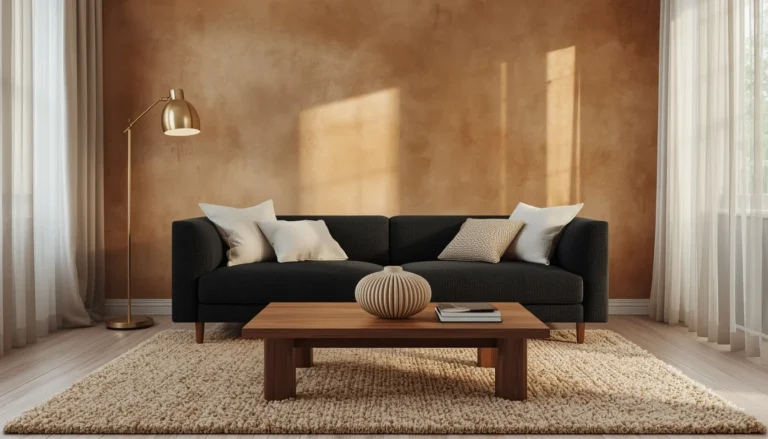
A hand-applied Venetian or limewash plaster finish, worked into soft, wave-like ripples across the wall’s surface, adds a subtle curve even on a wall that’s structurally flat. This technique brings movement and organic texture to the room without requiring any construction, since the effect comes entirely from the plaster application itself. Choosing a warm, muted tone lets the texture catch shifting light throughout the day, so the wall never looks quite the same at different hours. This is one of the more accessible ways to bring a sense of curved softness into a rental or a room where structural changes aren’t possible.
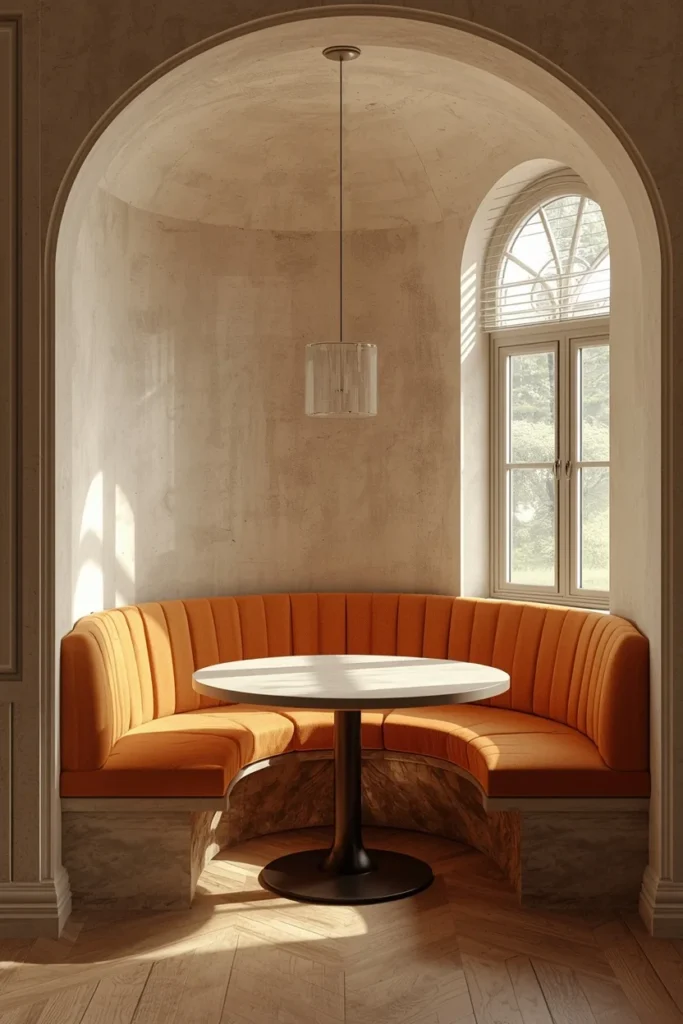
9. Curved Banquette Seating Nook
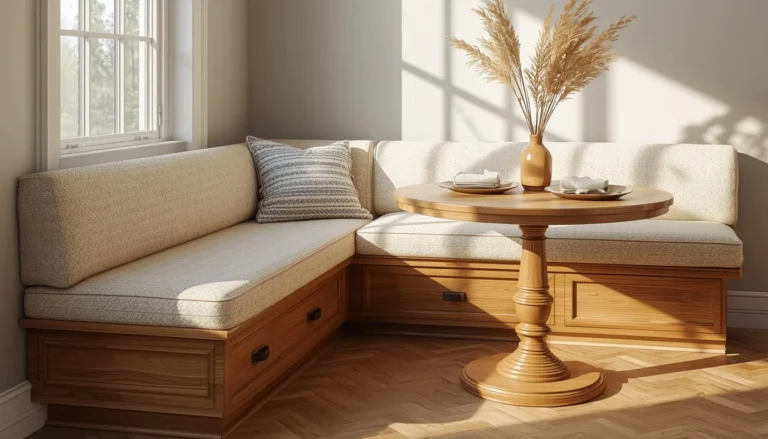
Building a curved bench seat into a corner, backed by a matching curved wall, turns an awkward boxy corner into one of the coziest spots in the room. The wall curve and the bench curve work together, so the seating nook feels enclosed and intentional rather than like furniture pushed against a flat wall. Upholstering the bench in a warm boucle or velvet, and adding a curved bolster cushion along the back, reinforces the soft, rounded feeling from floor to wall. This idea works especially well in a dining nook or a reading corner where a full sofa wouldn’t fit.
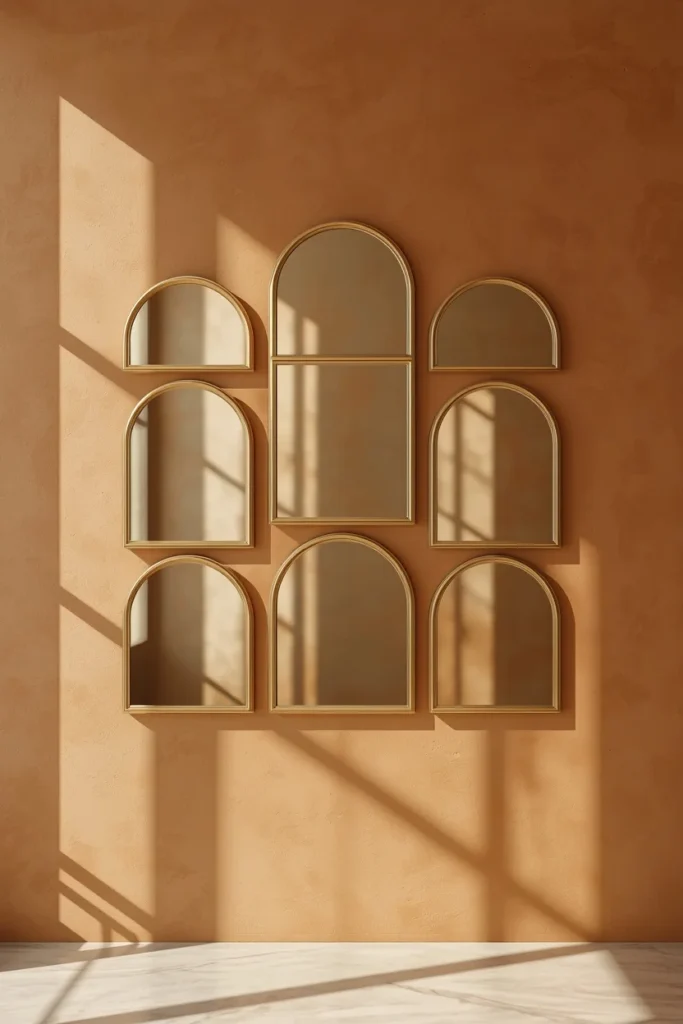
10. Arched Mirror Cluster on a Curved Wall
A cluster of arched mirrors, grouped asymmetrically on a wall, reinforces a curved theme even on a wall that isn’t structurally rounded itself. The repeated arch shape across several mirrors creates a rhythm that reads as intentional rather than random, especially when mixed with slightly different sizes. Choosing frames in warm brass or natural wood keeps the cluster feeling cohesive with the rest of a warm, softened room. Positioning the cluster to reflect a window or a curved architectural feature elsewhere doubles the sense of softness by bouncing that shape back into the room.
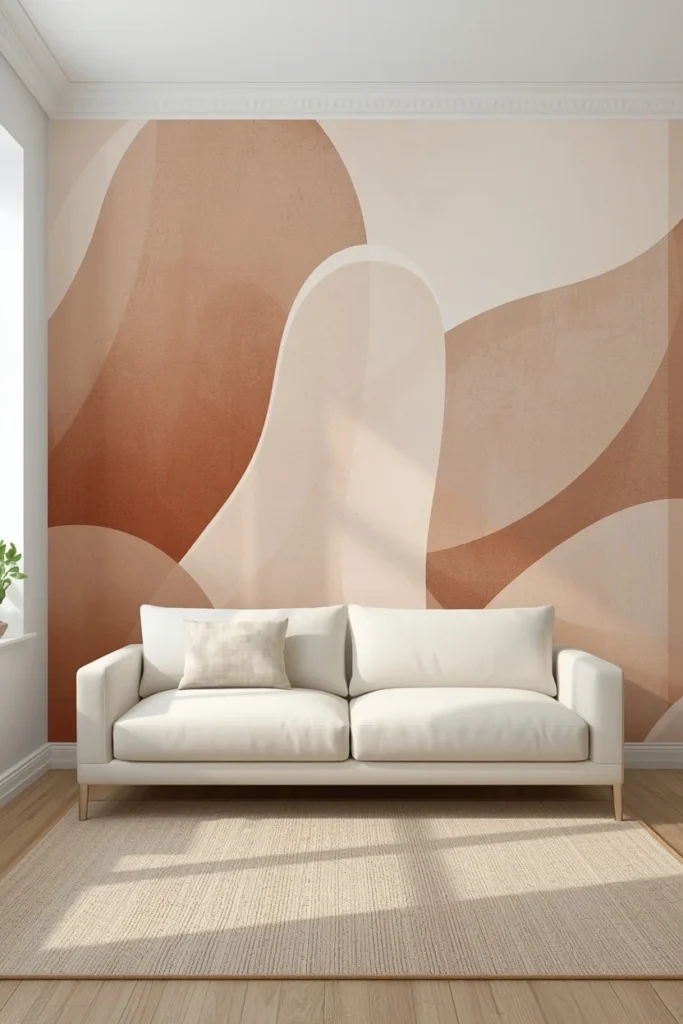
11. Curved Wallpaper Mural
A large-scale mural or wallpaper panel featuring soft, organic curved shapes, like rolling hills, abstract arches, or flowing lines, brings a visual curve into the room even when the wall itself stays flat. This is one of the most accessible ideas on the list for renters, since removable wallpaper achieves the effect without any construction or plaster work. Choosing a mural in muted, warm tones keeps the curved pattern feeling architectural rather than like a bold graphic statement. Positioning furniture with straight lines in front of a curved mural creates a nice visual tension, letting the wall do all the softening work.
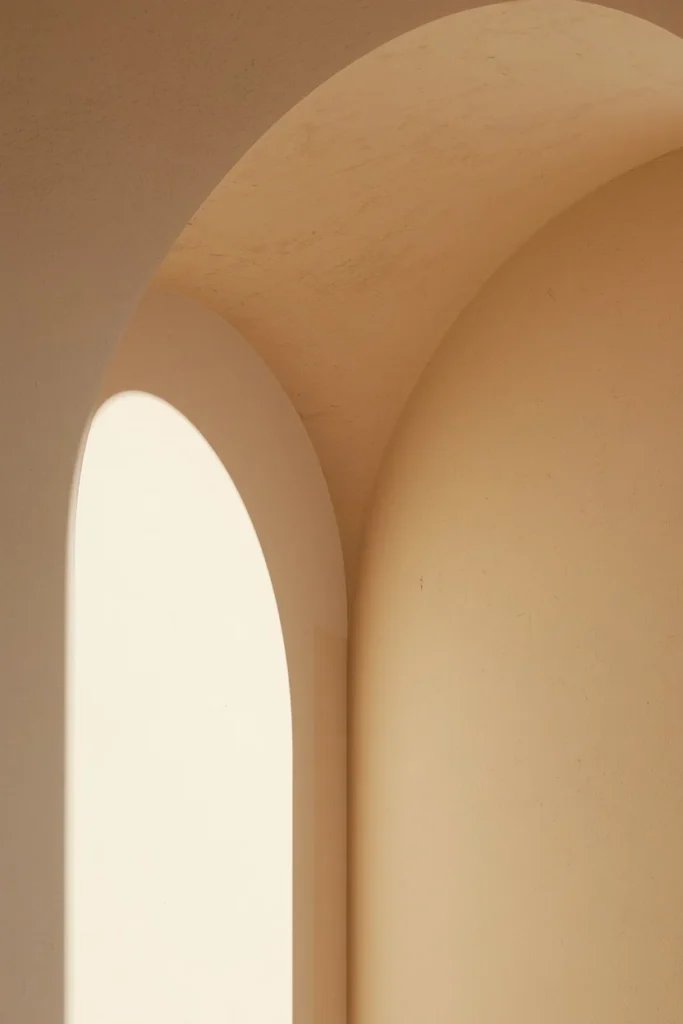
12. Domed Ceiling Cove Transition
Softening the hard line where a wall meets the ceiling with a curved plaster cove, rather than a sharp ninety-degree corner, changes the entire feeling of a room’s proportions. This detail is subtle from across the room but registers immediately at a subconscious level, since it removes one of the most common hard edges in any boxy interior. It works especially well in rooms with lower ceilings, where the curve can help the space feel slightly taller and less confined. This is a more involved architectural change, so it’s best planned alongside a renovation rather than added to an already-finished room.
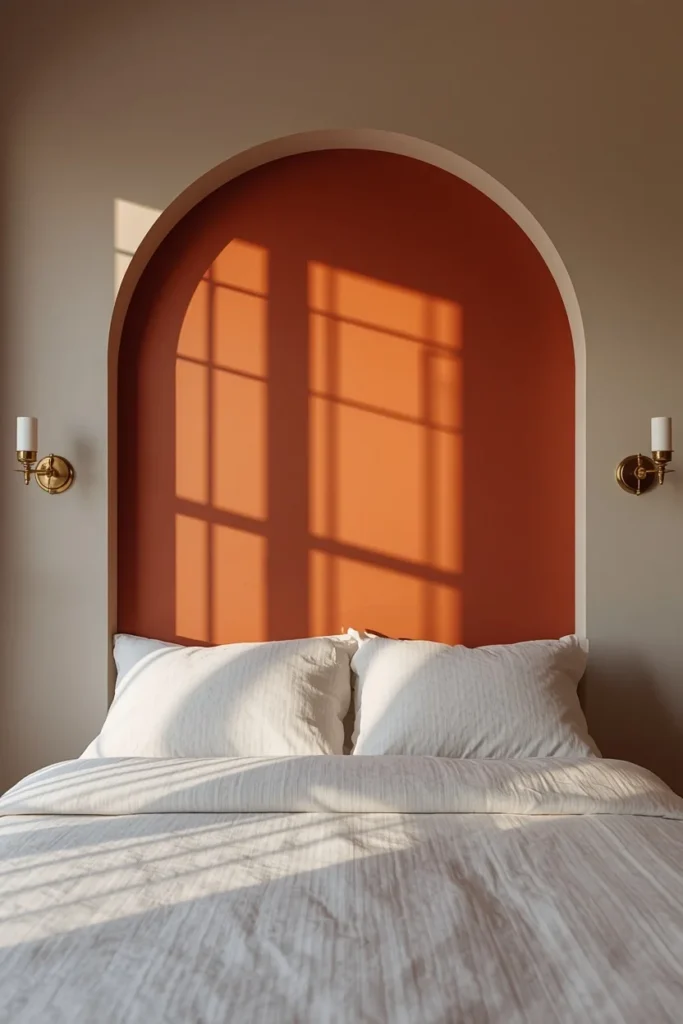
13. Arched Headboard Wall Nook
Beyond a full alcove, a simpler arched shape painted or plastered directly onto the wall behind the bed creates the visual effect of a curved headboard without any structural building. Choosing a color or plaster texture a shade or two deeper than the surrounding wall lets the arch read clearly as its own shape. This idea is especially useful for renters or anyone who wants the curved wall trend without committing to construction, since it can be painted over or replaced later. Adding sconces along the inside edge of the painted arch adds a soft, symmetrical glow that reinforces the shape after dark.
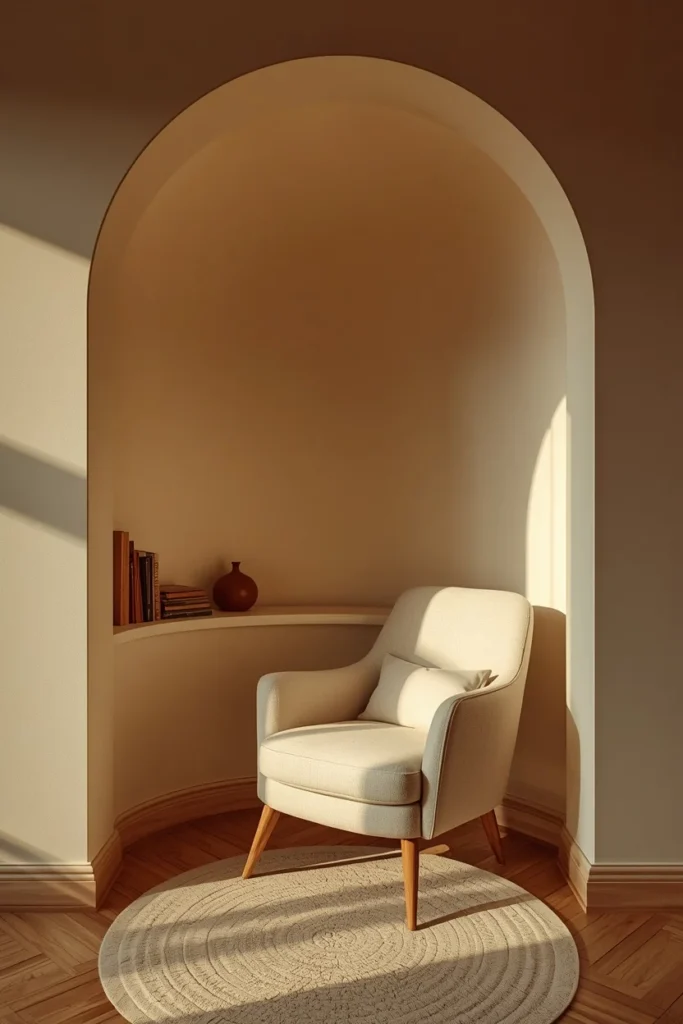
14. Curved Corner Reading Nook Wall
Rounding off a single interior corner, rather than the whole room, turns one small, often-wasted space into a soft, intentional reading nook. A curved wall section here can be as simple as a plaster-wrapped corner with a built-in shelf ledge, paired with a chair angled to follow the curve. This is one of the more surgical ways to bring the trend into a room, since it only requires softening a single corner rather than an entire wall. Adding a curved wall sconce or a rounded floor lamp nearby continues the soft shape language into the lighting itself.
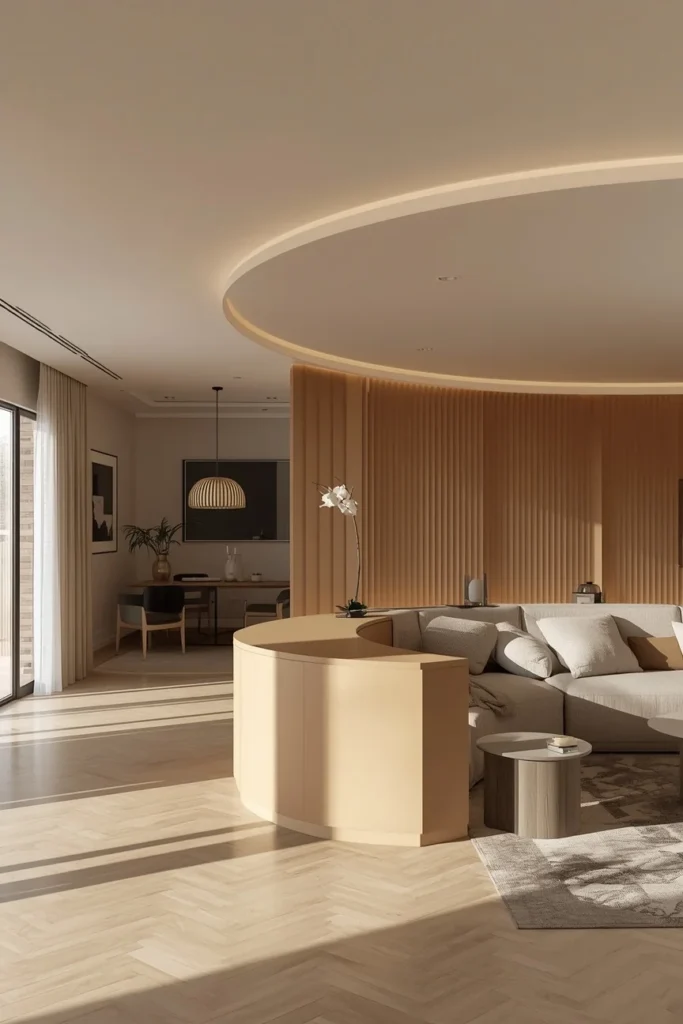
15. Rounded Room Divider Half-Wall
A freestanding or semi-attached curved half-wall used to divide an open-plan space softens the transition between two zones far more gracefully than a straight partition. Building the divider with a rounded edge, rather than a squared-off end, avoids introducing a new hard corner while still creating separation. This works particularly well between a living and dining area, where the curve can wrap around one side to partially frame the dining table. Adding a shelf ledge along the top of the curve gives the divider a functional second purpose, offering display space on both sides.
Styling Tips
Let the curve be the statement and keep everything else around it relatively simple, since a busy, pattern-heavy room can compete with the architectural shape instead of highlighting it. Repeat the curve in at least one other element in the room — a round coffee table, an arched mirror, curved furniture legs — so the shape feels intentional rather than like a single isolated gesture. Warm, matte finishes like plaster, limewash, and unlacquered brass tend to suit curved walls better than glossy or reflective materials, since the softness of the finish echoes the softness of the shape.
Practical Implementation Ideas
Start by identifying the single hardest, most boxy corner or wall in the room, since that’s usually the highest-impact place to introduce a curve. If structural changes aren’t possible, begin with a painted or wallpapered arch shape before considering plaster or built-in construction. Once the primary curved feature is in place, add one or two smaller curved echoes — a mirror, a lamp, a piece of furniture — to tie the room together without overdoing the shape everywhere at once.
Common Mistakes to Avoid
Adding a tight, steep curve rather than a wide, gentle radius can make the feature look decorative and dated rather than architectural and current. Pairing a soft curved wall with only sharp, angular furniture throughout the rest of the room creates visual tension instead of the calm the curve is meant to introduce. Overusing the curve motif on every surface in the room, from the wall to the rug to the light fixtures, can tip the space from softened into busy.
Small-Space Alternatives
In a smaller room, a single painted or plastered arch behind the bed or sofa delivers most of the softening effect without the cost or complexity of an alcove or built-in. A curved corner shelf or a rounded half-wall divider can solve both a storage and a softening problem in a compact layout. Removable curved wallpaper murals are especially useful in small rentals, since they achieve the visual effect instantly without any construction.
Budget-Friendly Alternatives
A painted arch shape, using nothing more than tape and a contrasting paint color, is the least expensive way to introduce a curve into any room. Curved-edge, ready-made furniture, like a round coffee table or an arched mirror, brings the shape language into the room without touching the walls at all. Removable wallpaper with a curved or arched print pattern offers a middle ground between a simple paint job and a full plaster installation.
Pro Styling Recommendations
Choose one dominant curved feature per room rather than scattering several small curved gestures throughout the space, so the eye has a clear focal point to rest on. Light the curve deliberately, whether with recessed strips, sconces, or a floor lamp positioned nearby, since shadow is what makes a curved surface feel three-dimensional rather than flat. Pair the curve with at least one warm natural material, like wood, plaster, or brass, since a curved shape in a cold or reflective finish can lose some of the calming effect it’s meant to create.
FAQs
Conclusion
A boxy room isn’t a design failure. It’s just waiting for one soft gesture to change how the whole space feels. Whether that’s a full plastered archway or a single painted curve behind the bed, the effect is the same: hard corners give way to something the room, and the people in it, can actually relax into. Start with the one wall that feels the most rigid, bring in a curve there, and let the rest of the room follow its lead.