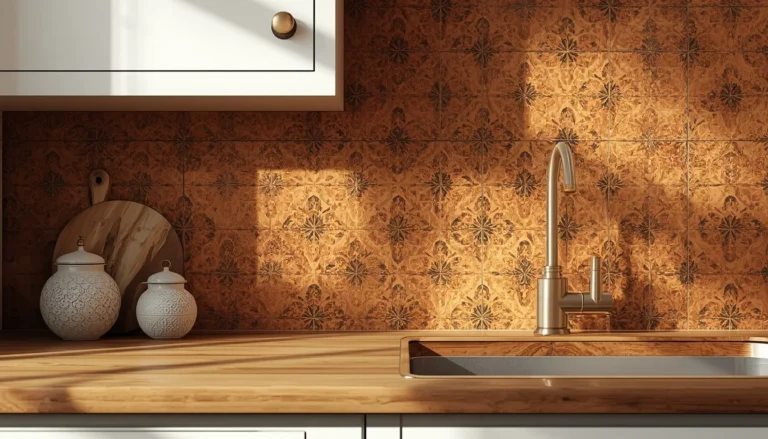
20 Small Bedroom Ideas That Feel Bigger, Better & Beautifully Styled
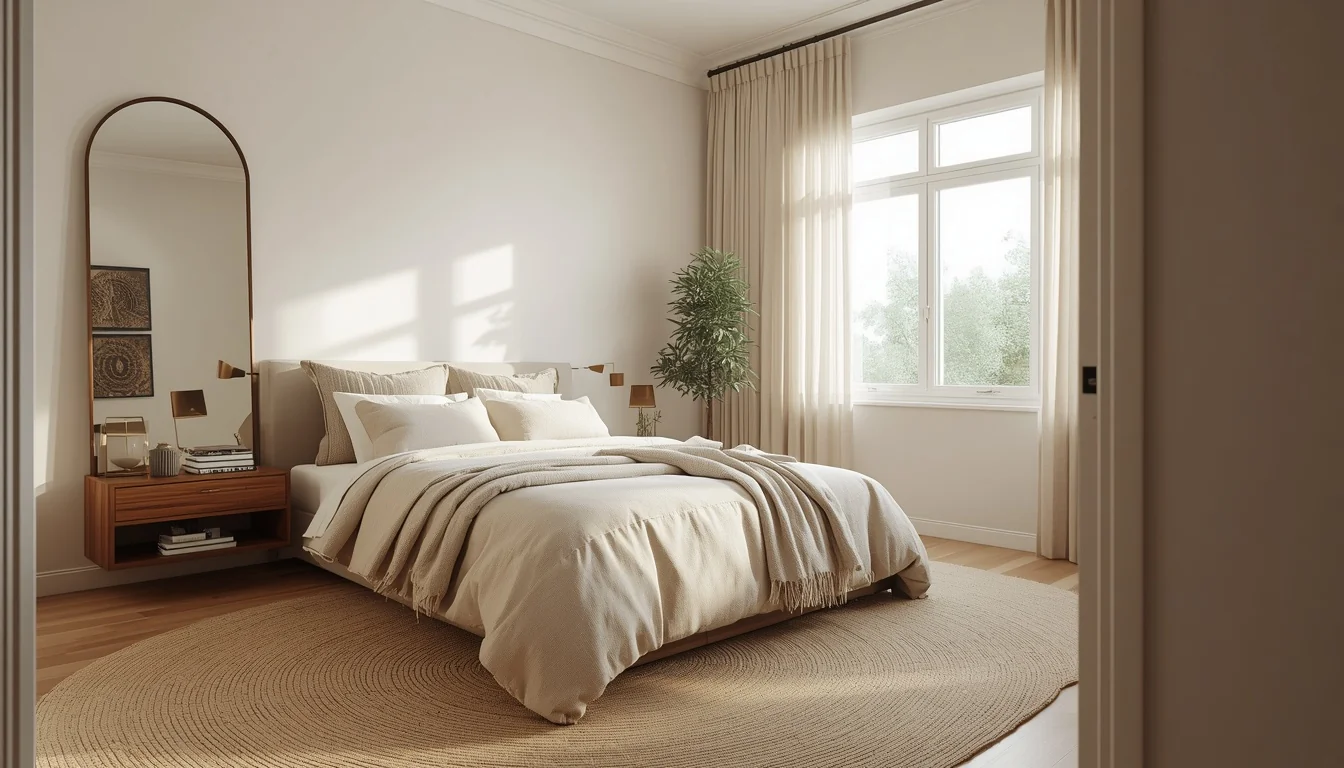
There’s a specific kind of dread that comes with standing in a small bedroom holding a paint chip, wondering if the whole room is about to feel even smaller. Most advice says go light, go plain, go safe — and somehow the room still feels tight anyway.
Here’s what actually changes a small bedroom: it’s rarely the square footage that makes a room feel cramped. It’s the furniture blocking the floor, the low ceiling light nobody looks up at, the small rug that draws the eye inward instead of out. Fix those, and the same four walls suddenly breathe.
These 20 small bedroom ideas aren’t about pretending the room is bigger than it is. They’re about using color, scale, light, and layout the way designers actually do — so a tiny bedroom reads as intentional, cozy, and beautifully put together instead of squeezed.
Table of Contents
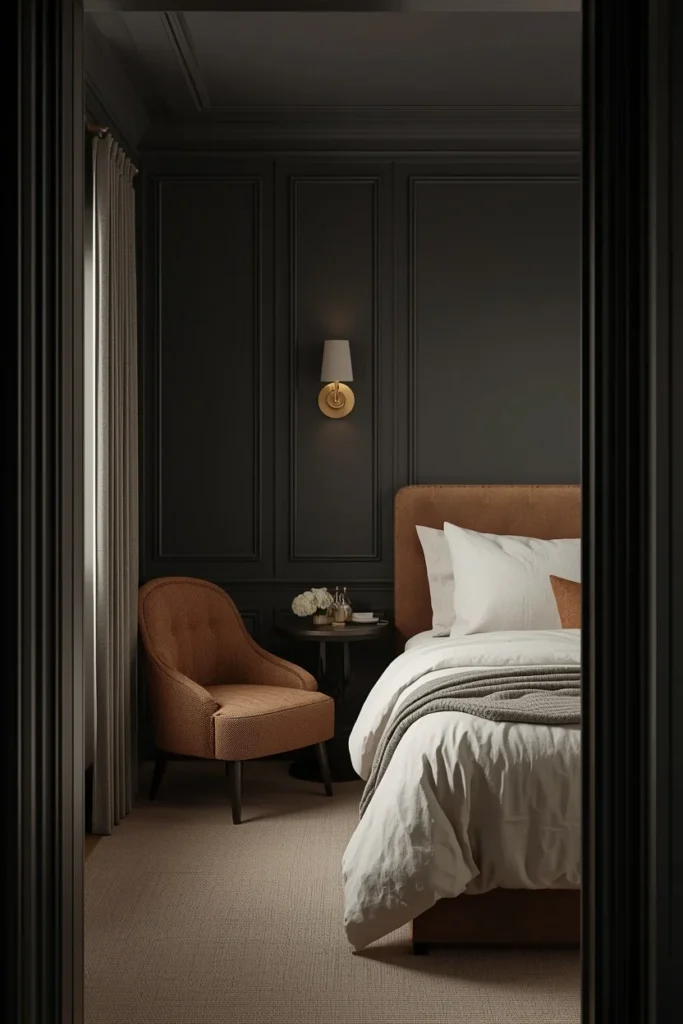
1. Color-Drenched Moody Walls
Painting the walls, trim, and ceiling one continuous deep tone, like charcoal, slate, or a rich terracotta, removes the visual breaks that usually make a small room feel chopped up and busy. Designers have been pushing back on the old rule that small rooms need to stay pale, since a flat white or beige can actually read cold and featureless rather than spacious. A darker, moody color makes the walls visually recede instead of pressing in, especially in a room with limited natural light where a bright white tends to look gray and flat anyway. Layering in different textures, like a boucle chair or linen bedding, against the single wall color keeps the room from feeling monotone or heavy. The result is a small bedroom that feels intentionally cocooning rather than cramped, which is exactly the look currently trending.
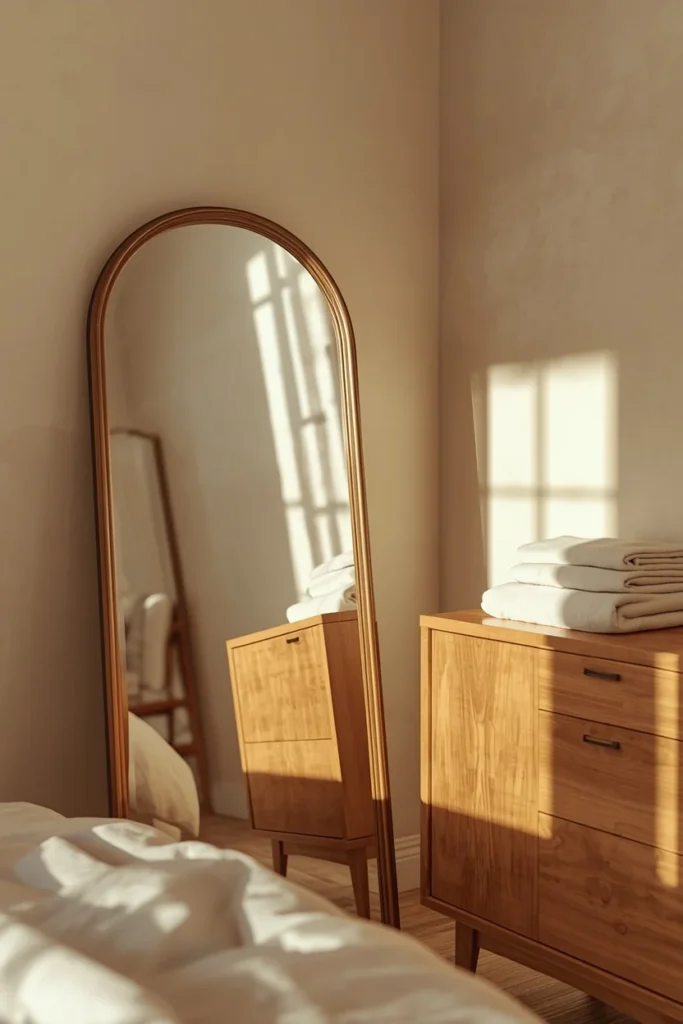
2. Oversized Leaner Mirror
A large, floor-leaning mirror is one of the most reliable small bedroom tricks because it doubles the visual depth of the room, reflecting both light and whatever is on the opposite wall. Positioning it to catch window light during the day amplifies natural brightness far more than a small mirror ever could. An arched or curved-top mirror softens the room’s straight lines and adds a bit of shape without taking up any actual floor space beyond its own footprint. Leaning it against the wall rather than mounting it also keeps the look relaxed and collected rather than formal. This is one of the lowest-effort, highest-impact small bedroom ideas on this list, since it requires no construction and can move with you to a new space later.
3. Vertical Stripe Bedding or Wallpaper
Vertical stripes, whether on bedding, wallpaper, or a headboard, pull the eye upward, which visually stretches a low ceiling and makes the whole room feel taller than it actually is. Choosing two closely related tones, rather than high-contrast stripes, keeps the effect subtle and sophisticated instead of loud or dizzying. This trick works especially well paired with a tall headboard, since the stripes and the headboard’s height reinforce the same upward pull together. Striped wallpaper on just the headboard wall, rather than the whole room, is an easy way to test the look without a bigger commitment. It’s a small, specific detail, but it’s one of the most consistently recommended small bedroom ideas for making a room feel taller rather than wider.
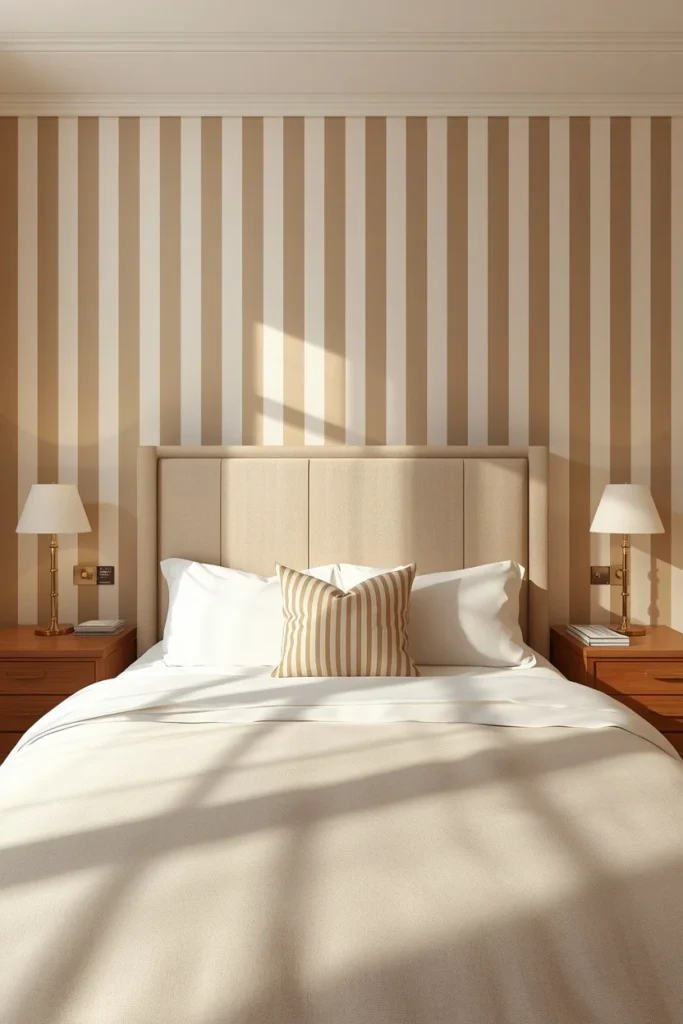
4. Wall-to-Wall Built-In Shelving
Built-in shelving that stretches from floor to ceiling and wall to wall integrates storage, display space, and sometimes even a wardrobe into a single seamless surface, rather than scattering separate furniture pieces around the room. Because everything lives on one continuous plane, the floor stays clearer, which is one of the most effective ways to make a small room feel more open. Painting the shelving the same color as the walls lets it recede visually, so it reads as architecture rather than an obvious storage unit. Leaving some shelves intentionally empty, rather than filling every inch, keeps the whole wall from feeling cluttered or busy. This is one of the more investment-level small bedroom ideas on the list, but it tends to deliver the most functional square footage gained per square foot of room.
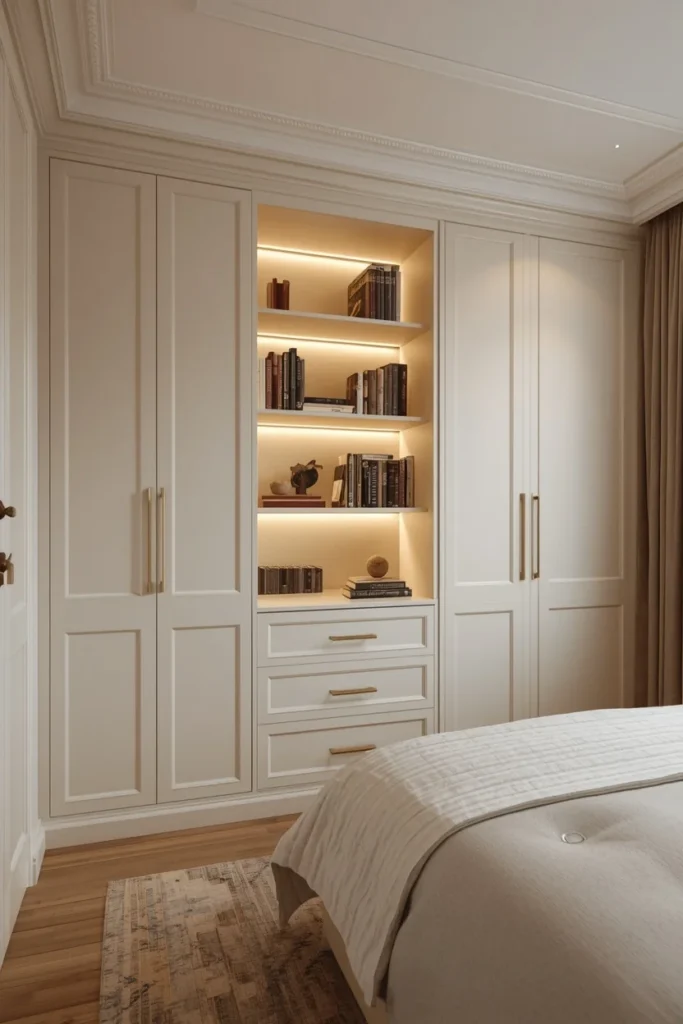
5. Floating Nightstands
Wall-mounted floating nightstands free up visible floor space on either side of the bed, which matters more in a small room than almost any other single furniture choice. Because the floor stays open beneath them, the eye reads more of the room’s actual square footage instead of stopping at bulky table legs. A slim floating shelf also works well paired with a wall sconce instead of a table lamp, clearing even more surface space for a book or a glass of water. This combination is a favorite among small-space designers specifically because it solves both a visual and a functional problem at once. It’s an easy weekend upgrade that doesn’t require touching the layout of the rest of the room.
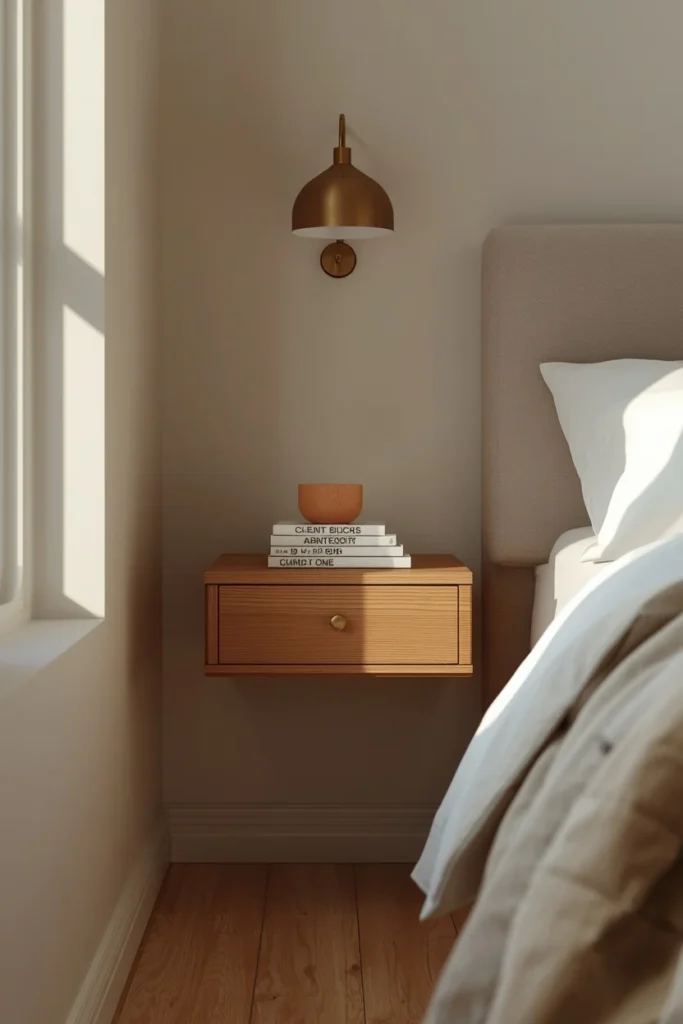
6. Oversized Rug Under the Bed
A rug that extends well past the edges of the bed, ideally reaching under the nightstands or dresser, draws the eye outward across the whole room rather than inward toward a small island of rug beside the bed. A too-small rug is one of the most common small bedroom mistakes, since it visually shrinks the floor instead of expanding it. Choosing a rug in a soft, low-contrast tone close to the flooring keeps the floor reading as one continuous surface rather than broken into sections. If a full oversized rug isn’t in the budget, a rug that at least reaches under the foot of the bed still creates more visual continuity than a small accent rug placed just beside it. This is a simple, swap-only small bedroom idea that doesn’t require touching a single wall.
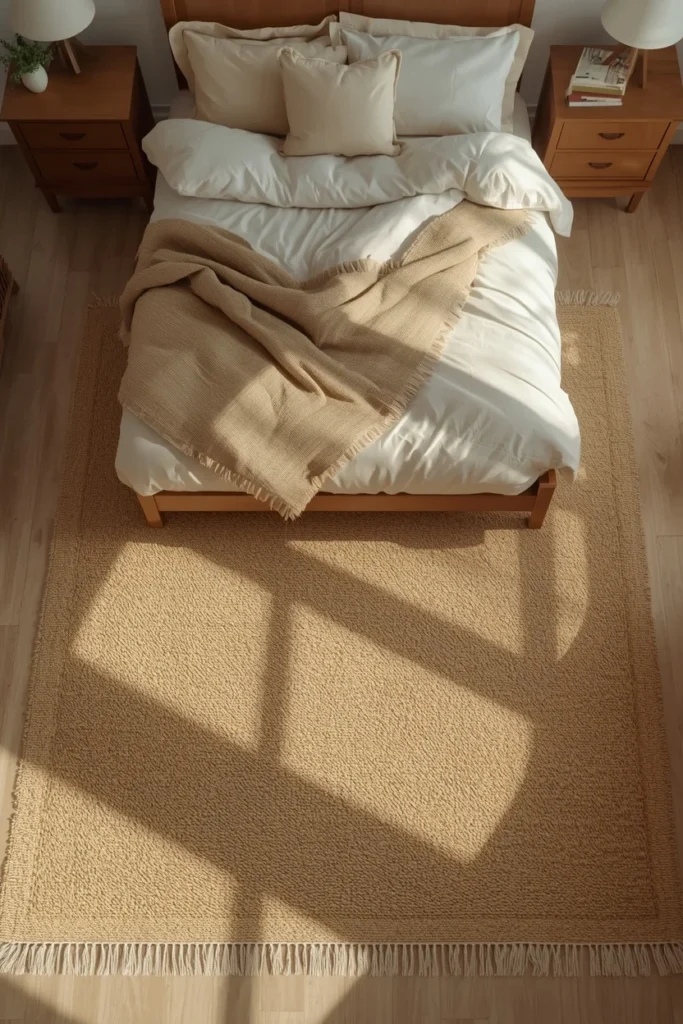
7. Statement Ceiling Light
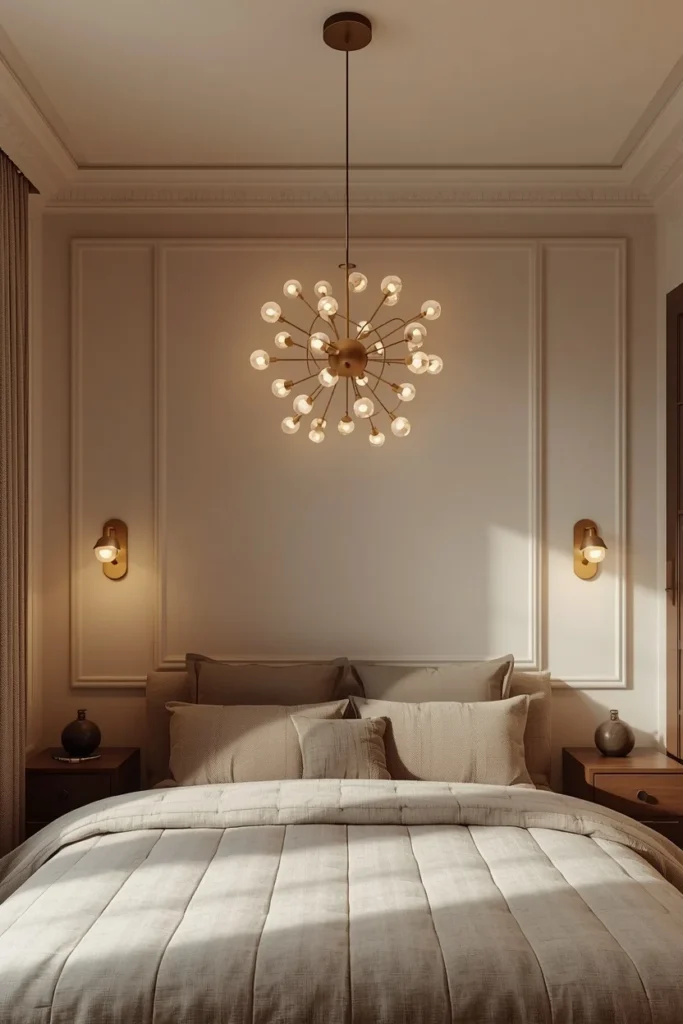
A small bedroom’s ceiling is often the one completely empty surface in the room, which makes it the perfect place for a fixture with real presence rather than a plain, undersized flush mount. A sculptural pendant, a small chandelier, or a multi-arm orb light draws the eye upward and reinforces the sense of height the same way a tall headboard or vertical stripe does. Swapping bedside table lamps for wall sconces or pendant lights also frees up nightstand surface space, doubling the small-space benefit of one lighting change. Because a statement fixture is a focal point on its own, it reduces the need for extra wall decor competing for attention elsewhere in the room. This is one of the more surprising small bedroom ideas, since most people default to the smallest possible light for a small room instead of the boldest one.
8. Large-Scale Art Above the Bed
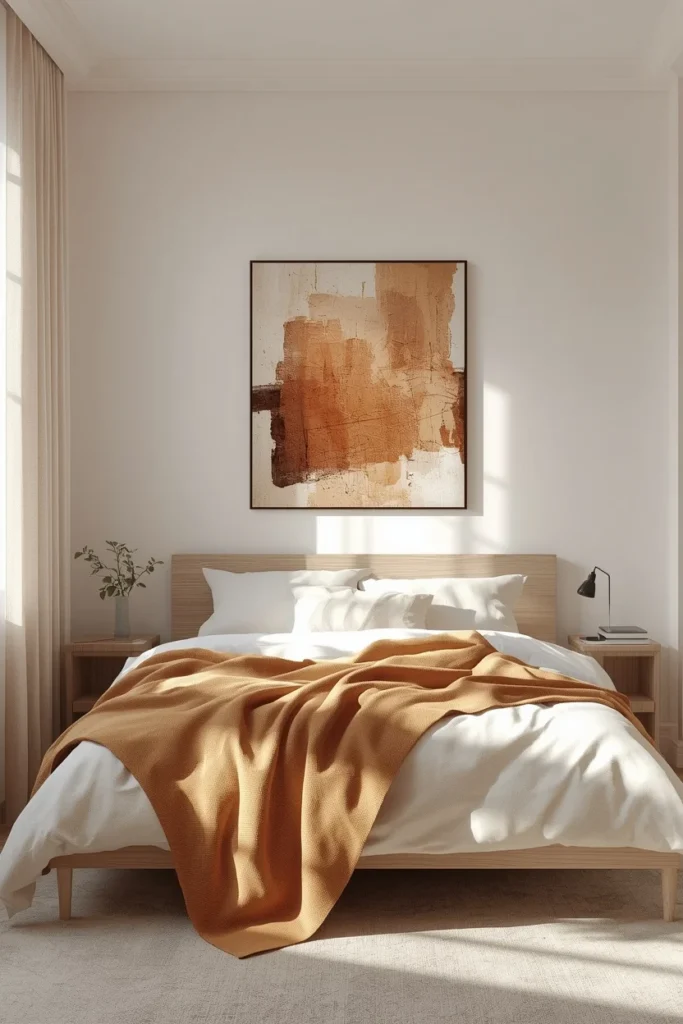
One oversized piece of art above the bed almost always reads better in a small room than several small framed pieces scattered across the wall, since a single large statement avoids the visual clutter of multiple frames and gaps. The art visually links the top of the bed to the ceiling, drawing the eye upward the same way a tall headboard does, which reinforces a sense of height in the room. Choosing a piece that echoes a color already in the bedding or curtains ties the whole scheme together instead of adding a competing accent. This trick works especially well in a monochromatic or color-drenched room, since it adds depth and texture without introducing an unrelated new color. It’s a small, single-purchase change that consistently shows up across small bedroom design roundups for exactly this reason.
9. Wrap-Around Cocoon Headboard
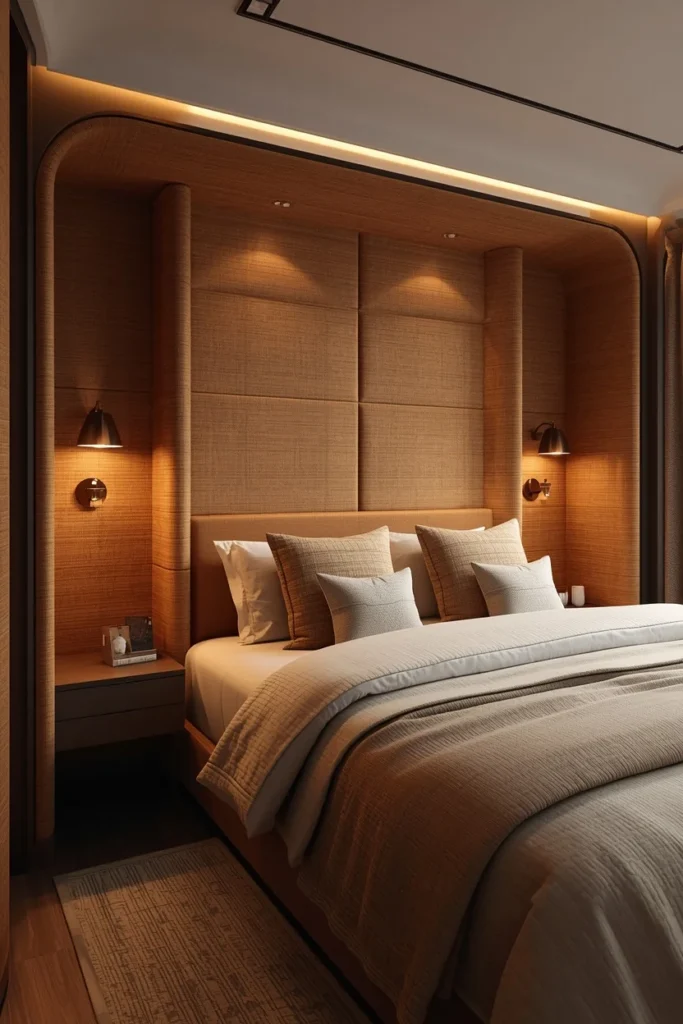
A wrap-around headboard that curves around the sides of the bed and encloses part of the nightstand area creates a sense of privacy and intimacy that a small bedroom can lean into rather than fight. Because the headboard itself becomes architecture, it visually separates the sleeping area from the rest of the room even without an actual wall or partition. This shape is also an easy opportunity to introduce pattern, color, or a tactile fabric like bouclé or velvet, since the headboard functions almost like an upholstered nook. Placing a slim reading light within the wrap-around curve keeps the nightstand surface clear while still providing task lighting. This idea has been showing up in bedroom trend coverage as a way to make small rooms feel more luxurious and cocooning rather than compromised.
10. Curved Furniture Moments
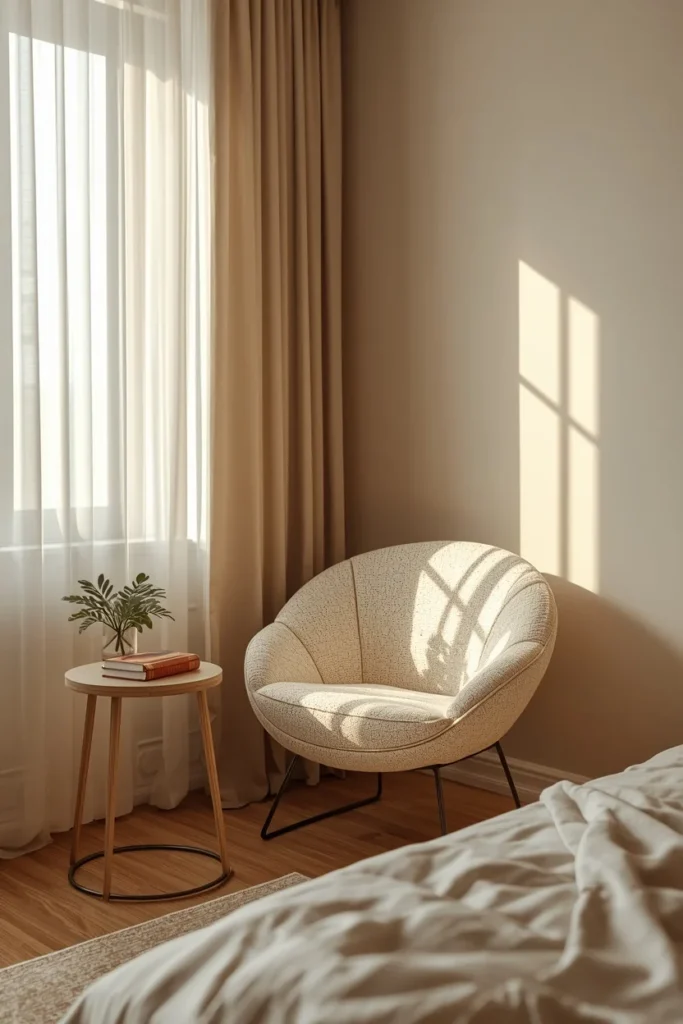
A single curved piece, like a bubble chair, a rounded nightstand, or a kidney-shaped bench, breaks up the straight lines that dominate most bedrooms and softens the overall feel of a small, boxy room. Curved furniture also tends to have a smaller visual footprint than angular pieces of the same size, since rounded edges don’t read as sharply against the walls and corners. Placing a curved chair near a window creates an instant reading or coffee nook, giving a small bedroom a secondary purpose without needing extra square footage. Because curves are inherently a design statement, one well-chosen piece is usually enough; a room full of rounded furniture can start to feel busy rather than considered. This is one of the more of-the-moment small bedroom ideas, as designers increasingly use scale and shape rather than size to make small changes feel significant.
11. Under-Bed Storage Drawers
Choosing a bed frame with built-in drawers underneath solves one of the biggest challenges in a small bedroom, which is finding a home for off-season clothing, extra bedding, and other bulky items without adding a separate dresser. Because the storage lives beneath the bed rather than beside it, the floor plan stays open and the room avoids the cramped feeling that comes from squeezing in extra furniture. This works especially well when paired with a low platform frame, since the drawers stay easily accessible without needing to lift or shift the mattress. Keeping the drawer fronts simple and matched to the bed frame’s finish keeps the piece from reading as obvious storage furniture. It’s a practical, dual-purpose small bedroom idea that solves function and floor space at the same time.
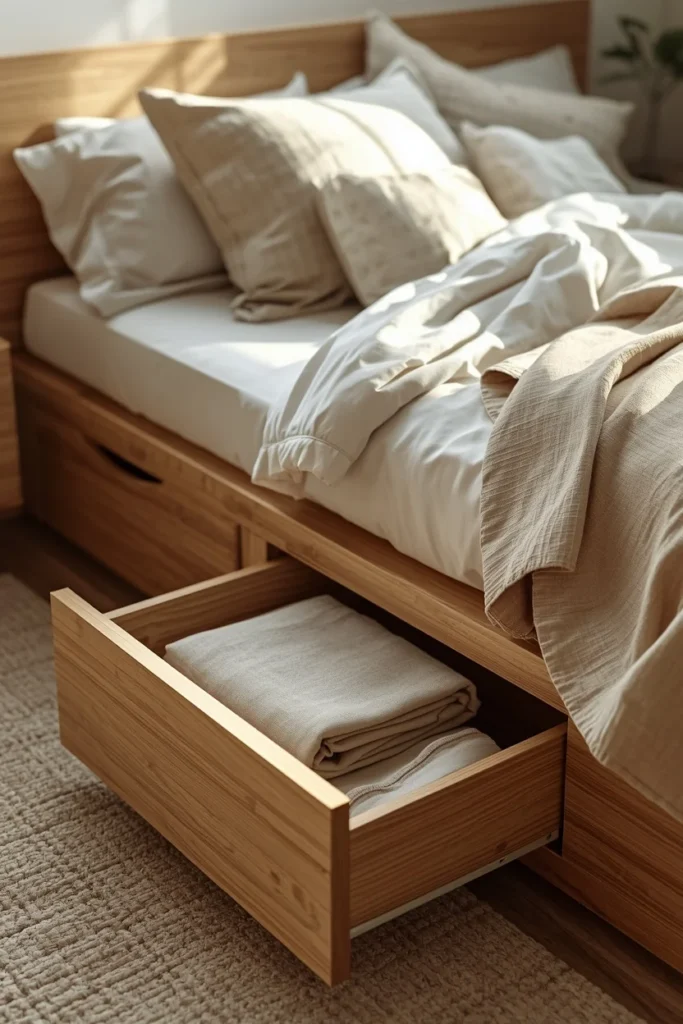
12. Low Platform Bed
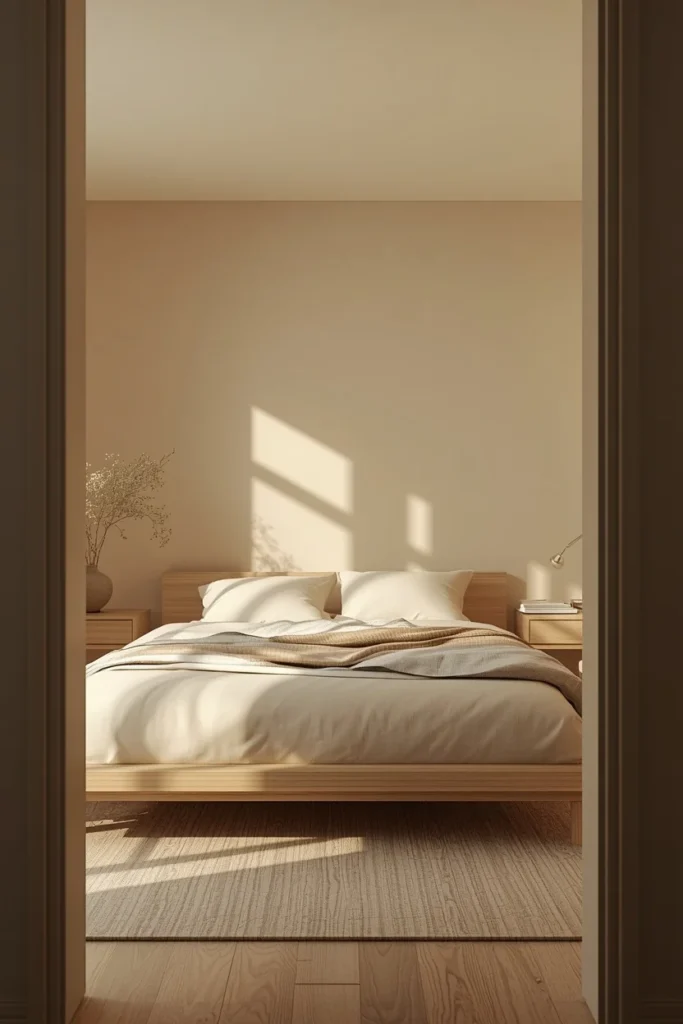
A low-profile platform bed without a box spring visually lowers the furniture line in the room, which makes the ceiling feel proportionally higher and the whole space feel more open. This works particularly well in bedrooms with shorter ceilings, where a tall, bulky bed frame can make the room feel squat and closed in. Pairing the low bed with a horizontal, rather than vertical, dresser reinforces the same grounded, spacious feeling throughout the rest of the furniture layout. A slim metal or wood frame in a light finish keeps the bed itself from reading as a heavy visual anchor in the room. This is a foundational small bedroom idea, since the bed is almost always the largest single piece of furniture and sets the tone for how spacious the whole room feels.
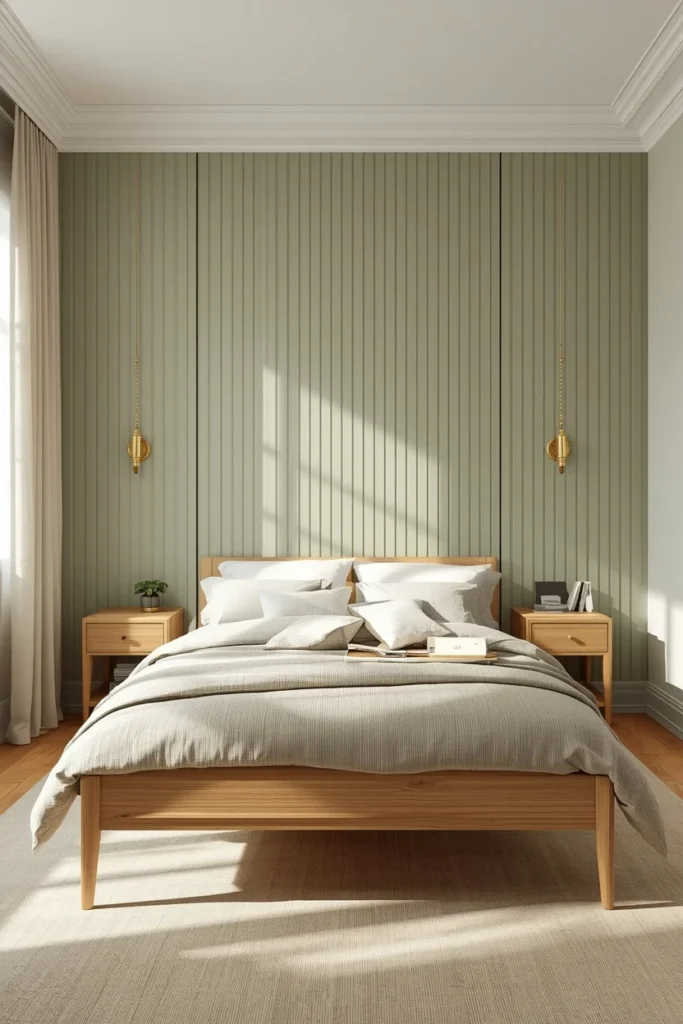
13. Vertical Paneling or Shiplap Walls
Vertical wood paneling or shiplap installed floor to ceiling draws the eye upward the same way a striped wall or tall headboard does, making a small bedroom feel taller and more finished at the same time. Painting the paneling a single soft tone, rather than leaving natural wood exposed, keeps the texture subtle and sophisticated instead of rustic or busy. This treatment works particularly well on just one accent wall, usually behind the headboard, so the vertical lines have a clear focal point rather than competing across every surface. Because the paneling adds architectural texture without needing any extra decor, it’s a strong choice for anyone who wants a finished, considered look without a lot of accessories. This is one of the more design-forward small bedroom ideas, since it treats the wall itself as the statement rather than anything placed on top of it.
14. Tall Potted Plant or Tree
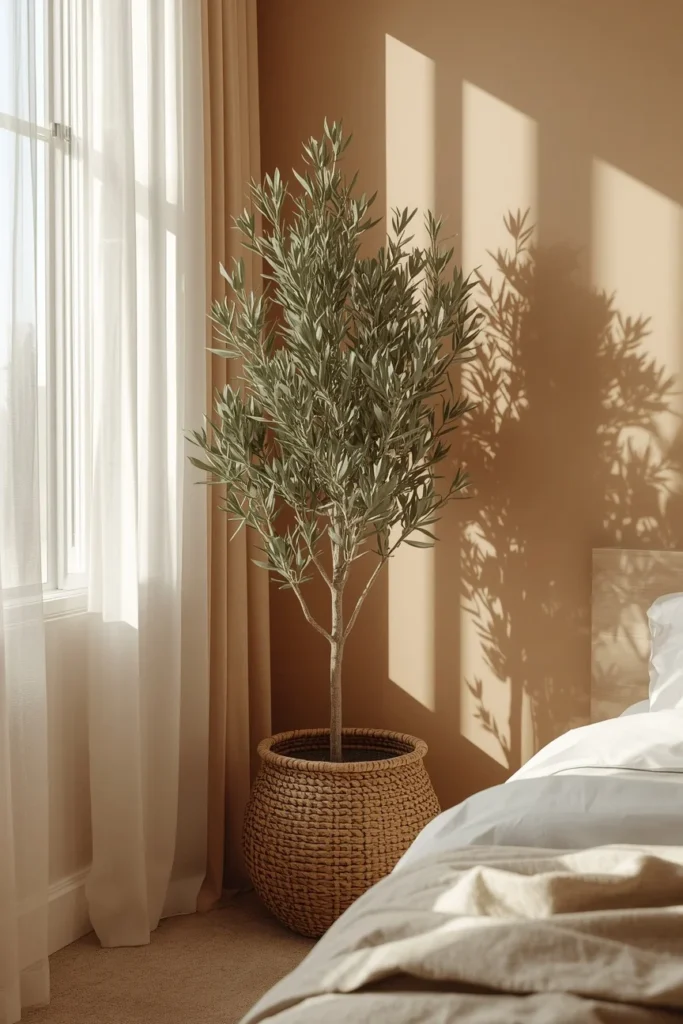
A tall plant, like a fiddle leaf fig or an olive tree, in the corner of a small bedroom draws the eye upward and adds a natural sense of height that a smaller tabletop plant simply can’t achieve. Because the plant’s visual mass sits higher up rather than low on the floor, it reinforces the same upward pull created by tall headboards, vertical stripes, and statement lighting. A tall plant also adds texture and a living, changing element to the room, which keeps a small, simply furnished bedroom from feeling static or sparse. Placing it near a window, where it gets both light and a natural silhouette against the glass, doubles its visual impact during the day. This is one of the lowest-cost, most flexible small bedroom ideas, since a plant can move to a new spot or a new home entirely as the room evolves.
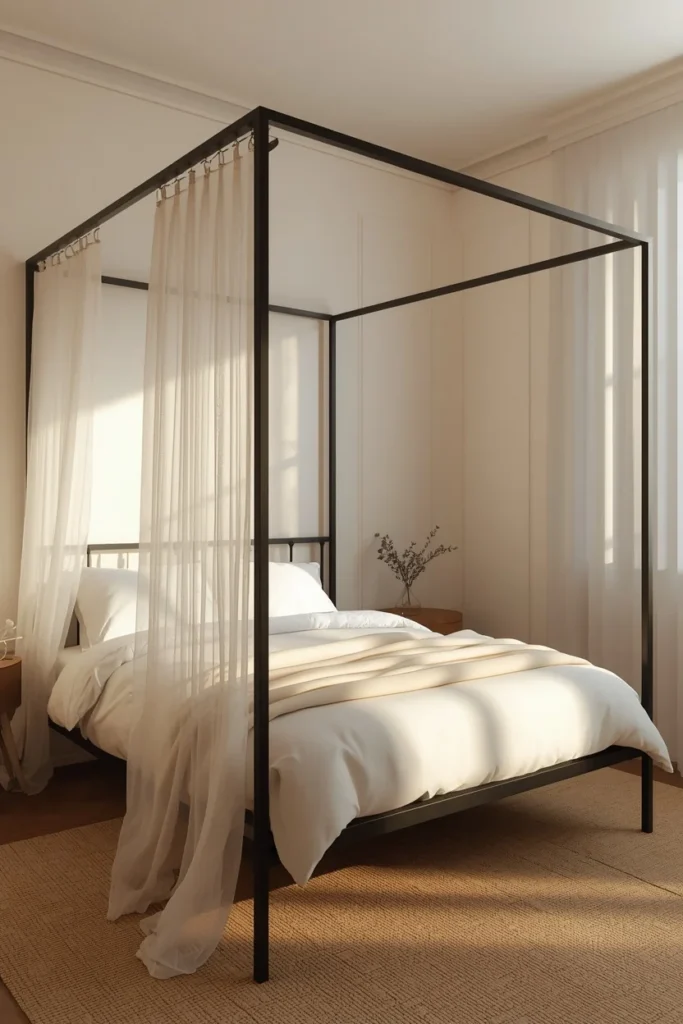
15. Canopy or Four-Poster Bed
A canopy or four-poster bed frame might seem like an unusual choice for a small room, but the vertical posts draw the eye upward and add real visual interest without requiring any additional floor space beyond the bed’s own footprint. A slim metal frame, rather than a heavy carved wood one, keeps the piece from feeling overly ornate or bulky in a compact room. Leaving the canopy bare, or draping just a single sheer panel rather than full curtains, keeps the look airy instead of heavy and enclosed. This idea works particularly well in a room that otherwise stays quite simple, since the bed frame itself becomes the main design statement. It’s a slightly bolder pick among small bedroom ideas, but it consistently shows up in roundups as proof that a small footprint doesn’t have to mean a plain one.
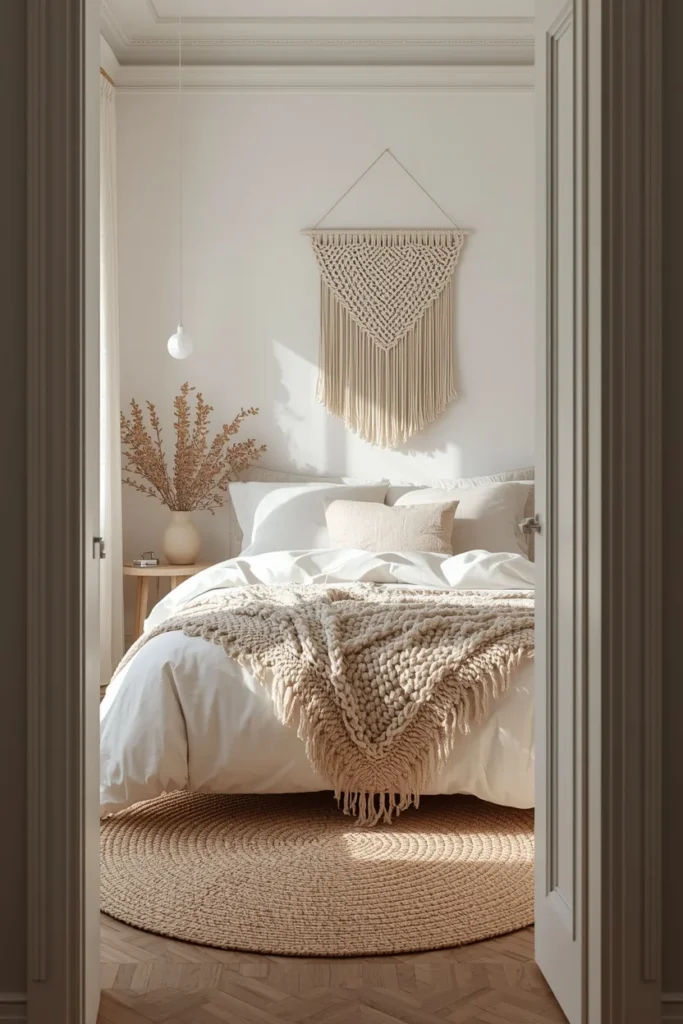
16. Layered Neutral Textures
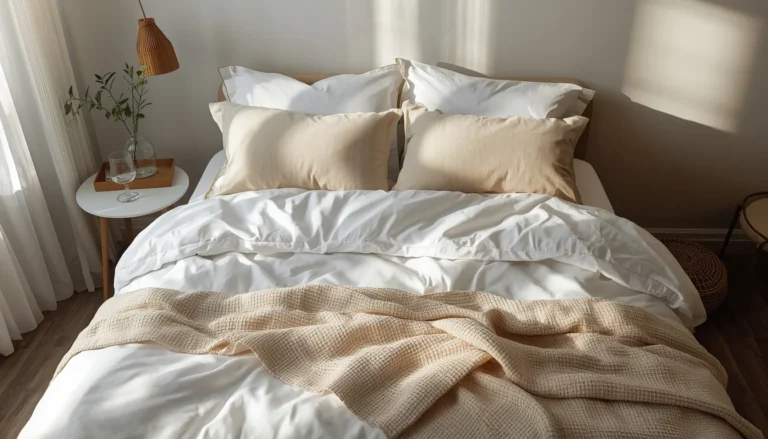
Keeping the color palette tight and neutral while layering in different textures, like linen bedding, a boucle throw, a woven rug, and a knotted macrame accent, gives a small bedroom real depth without introducing visual clutter. Because everything sits in the same tonal family, the eye moves easily across the room instead of stopping at competing colors or patterns. This approach relies on materials and tactile contrast to create interest, which tends to feel calmer and more grown-up than adding several small decorative objects. A single textural moment, like an oversized knotted throw at the foot of the bed, is often enough to keep the layered palette from feeling flat. This is one of the more universally flattering small bedroom ideas, since a tonal, textured room rarely feels dated the way a trend-driven color choice might.
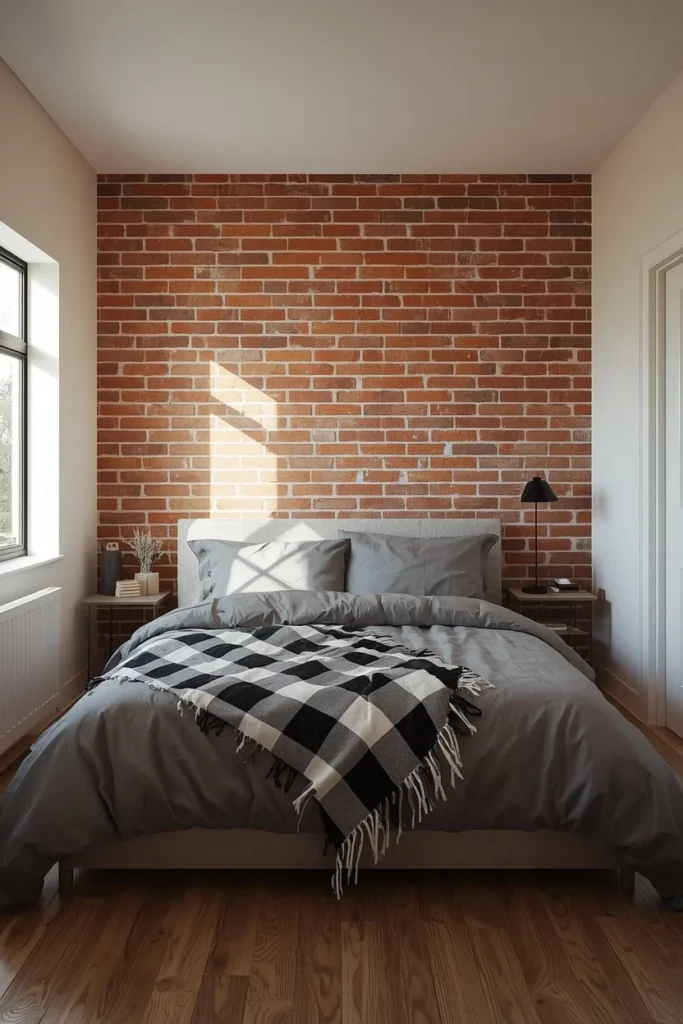
17. One Bold Accent Feature
Rather than avoiding color and pattern altogether, choosing one bold accent, like a graphic checkered throw against a raw brick wall, or a single vividly patterned pillow, gives a small bedroom personality without overwhelming the space. Keeping everything else in the room quiet and neutral lets that one bold piece stand out clearly instead of getting lost among competing patterns. This approach also makes it easy to update the room’s mood later, since swapping one throw or pillow is far simpler than repainting or replacing furniture. Designers specifically point to this kind of single strong feature as a way to distract the eye from a room’s size rather than drawing attention to it. It’s one of the more flexible, low-commitment small bedroom ideas, since the bold moment can change with the seasons or your mood.
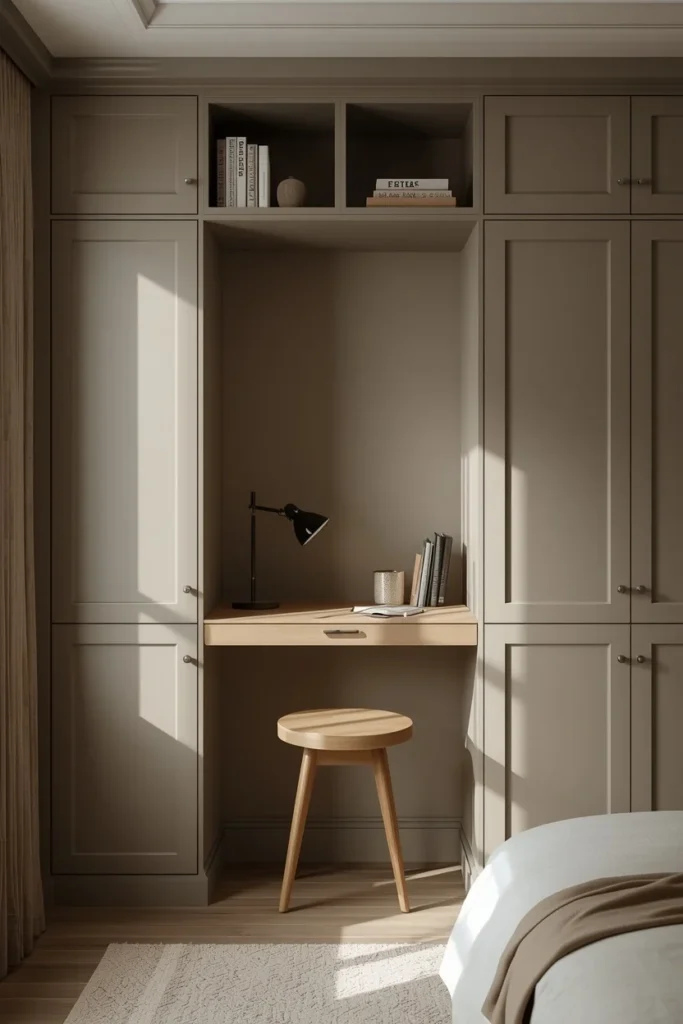
18. Built-In Desk or Vanity Nook
Tucking a slim desk or vanity into a built-in shelving unit gives a small bedroom a second function, like a workspace or beauty corner, without requiring a separate piece of standalone furniture. Because the surface is integrated into existing shelving or an alcove, it avoids adding another bulky item that eats into the room’s already limited floor space. Keeping the styling simple and symmetrical, with matching baskets or trays, makes the whole nook feel intentional rather than like an overflow catch-all surface. A slim stool that tucks fully under the desk when not in use keeps the floor clear the rest of the time. This is one of the more functional small bedroom ideas, since it solves the common problem of needing a workspace in a room that has no space to spare.
19. Sheer, Wall-Matched Curtains
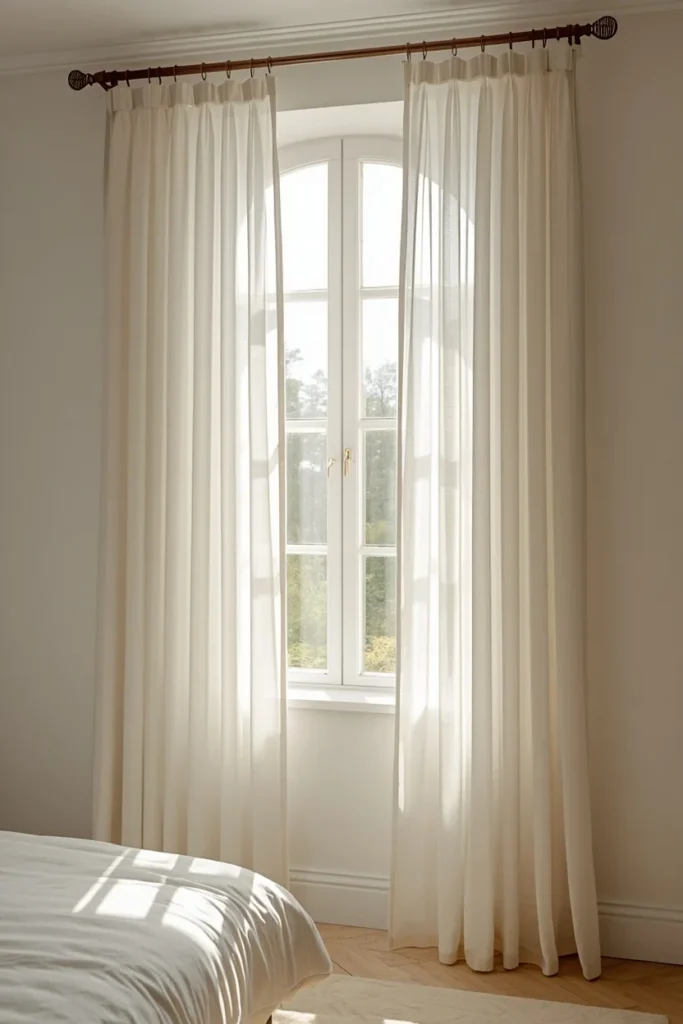
Painting the window trim and choosing curtains in the same tone as the walls removes another visual break in the room, letting the eye travel smoothly across the space instead of stopping at a contrasting window frame. Sheer, lightweight fabric lets in more natural light than a heavy drape, which matters even more in a small room where every bit of daylight helps the space feel open. Hanging the curtain rod slightly wider and higher than the window frame itself, rather than fitted tightly to it, makes the window appear larger than its actual dimensions. This combination is a quiet, easy-to-miss trick, but it consistently appears across small bedroom advice because it removes visual clutter rather than adding a new decorative element. It’s a especially useful small bedroom idea for rentals, since curtains and paint are both easy to update later.
20. Picture-Frame Wall Molding
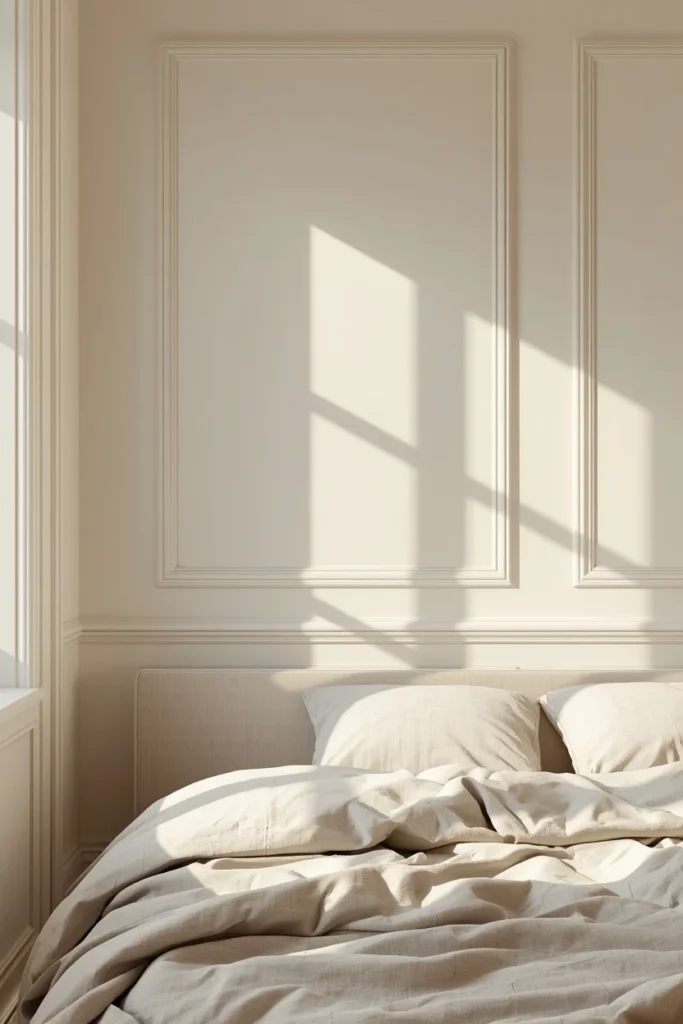
Adding picture-frame style wall molding brings an elegant, architectural detail into a small bedroom without requiring any additional furniture or floor space at all. The raised panel lines create subtle shadow and dimension on an otherwise flat wall, giving the room a custom, finished look that reads as considerably more expensive than the material cost usually suggests. Painting the molding the same color as the wall keeps the detail subtle and sophisticated, while a contrasting paint color makes the geometric pattern more of a deliberate statement. This treatment pairs especially well with a simple, uncluttered room, since the molding itself becomes the main source of visual interest. It’s one of the more overlooked small bedroom ideas, but it’s a favorite among designers specifically because it adds polish without taking up a single inch of usable space.
Styling Tips
- Pick one or two “upward” tricks (tall headboard, vertical stripes, statement lighting, tall plant) rather than all of them at once, so the room feels intentional instead of overstuffed with tricks.
- Keep the color palette tight, whether you go pale and tonal or deep and moody; contrast between too many colors is what tends to make a small room feel busy.
- Let one piece do double duty (storage bed, built-in desk, floating nightstand) before adding a new separate piece of furniture.
- Match trims, curtains, and moldings to the wall color when you want the room to feel bigger, and save contrast for a single bold accent instead.
Practical Implementation Ideas
- Start with furniture placement and scale before repainting; oversized or poorly placed furniture is often the actual root cause of a small room feeling cramped.
- Measure before buying a rug, and size up rather than down; a too-small rug is one of the most common small bedroom mistakes.
- Test a moody paint color on the actual wall in both daytime and evening light before committing to a full room.
- Prioritize one “investment” change (built-ins, a low platform bed) and pair it with several low-cost swaps (curtains, nightstand style, rug) rather than trying to change everything at once.
Common Mistakes to Avoid
- Choosing furniture sized for a larger room. Oversized dressers, chairs, and beds are one of the most common reasons a small bedroom feels cramped rather than cozy.
- Defaulting to a too-small rug that sits only beside the bed, which draws the eye inward and emphasizes the room’s small footprint.
- Skipping ceiling-level design entirely. An empty ceiling with only a small flush-mount light wastes one of the room’s biggest opportunities to add height and drama.
- Letting the bed overdominate the layout without leaving room to move around it comfortably; balance matters more than simply fitting the largest bed possible.
Small-Space Alternatives
- If built-in shelving isn’t possible, use tall, narrow freestanding shelving units instead and paint them to match the wall.
- Swap a four-poster or canopy bed for a simple tall headboard if floor space is extremely tight, since the upward visual trick still applies.
- Use a large leaning mirror instead of several small framed pieces if wall space is limited elsewhere in the room.
- Choose a slim floating desk shelf instead of a full built-in nook for a lighter-footprint workspace solution.
Budget-Friendly Alternatives
- Paint is one of the least expensive ways to test a color-drenched or wall-matched curtain look before committing to new furniture.
- Peel-and-stick vertical paneling or picture-frame molding kits deliver the architectural look at a fraction of custom carpentry cost.
- A single oversized art print is often more affordable than several smaller framed pieces, and delivers more visual impact per dollar.
- Secondhand curved or vintage furniture pieces, like a bubble chair or four-poster frame, can be sourced affordably and repainted or reupholstered to fit the room’s palette.
Pro Styling Recommendations
- Use dimmable, warm-toned lighting (2700–3000K) throughout, including any statement ceiling fixture, to keep a small room feeling cozy rather than harshly lit.
- Keep bedding lightweight and tonal rather than heavy and pattern-heavy, saving bold pattern for one single accent piece instead.
- Position furniture with visible legs, rather than pieces that sit flush to the floor, to keep sightlines open across the room.
- Balance any bold, dark, or color-drenched wall choice with warm metal accents (brass, aged bronze) and natural textures so the room still feels warm and lived-in.
FAQs
Conclusion
A small bedroom was never really the problem — it’s usually just been furnished like a bigger one. Once the furniture is scaled down, the ceiling gets some attention, and one bold or moody choice gets to lead instead of hide, the same four walls start to feel like a room you designed on purpose. Pick one or two ideas from this list that match your space and your comfort level, and let those do the work the rest of the room doesn’t have to.