23 Afrobohemian Bedroom Ideas for Warm, Earthy, Soul-Filled Nights
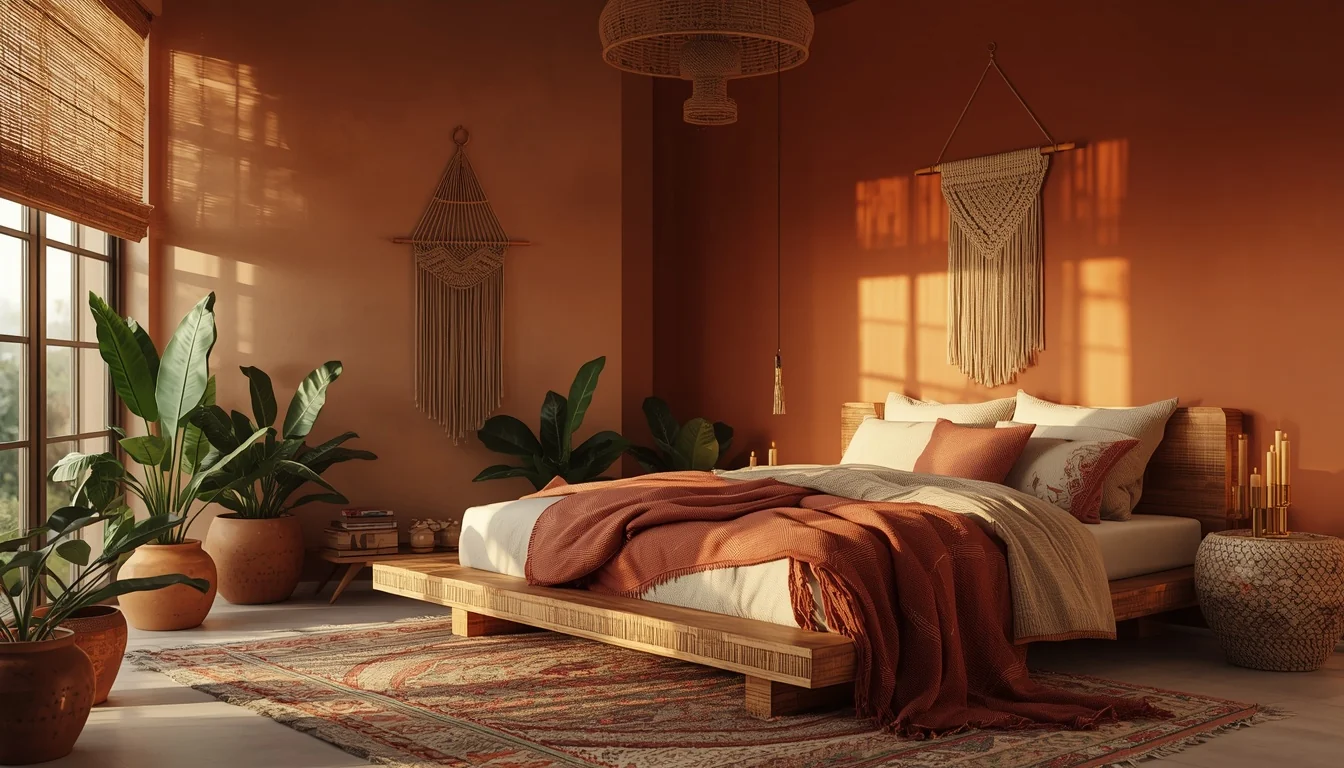
Some bedrooms just make you exhale the second you walk in. That’s what afrobohemian style does — it takes the deep terracottas and bold geometry of African textile traditions and pairs them with the relaxed, layered comfort of bohemian decor. The result isn’t matchy or staged. It’s warm. Lived-in. A little imperfect in the best way.
If your bedroom currently feels flat, too neutral, or like it’s missing a story, this is the fix. These 23 afrobohemian bedroom ideas cover everything from mudcloth headboards to woven lighting to the exact plants that finish the look, so you can build a room that feels like a soulful retreat instead of a showroom.
Table of Contents
What Makes a Bedroom Afrobohemian?
Afrobohemian design blends two design languages instead of one. African influence shows up through mudcloth and Kuba cloth patterns, hand-carved wood, woven baskets, and a color palette pulled from the landscape — terracotta, ochre, rust, and deep brown. Bohemian influence adds the relaxed, rules-free layering: indoor plants, natural fiber rugs, macrame, and a room that looks collected over time rather than bought in one trip. Together, they create a bedroom that feels grounded, textured, and personal.
1. Terracotta & Ochre Wall Palette
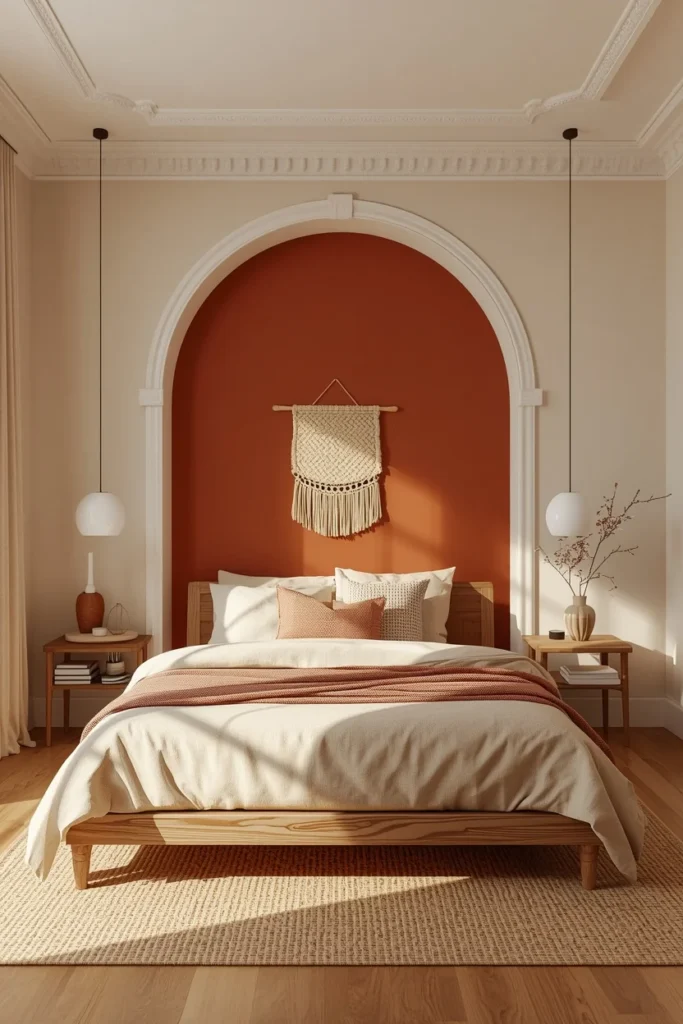
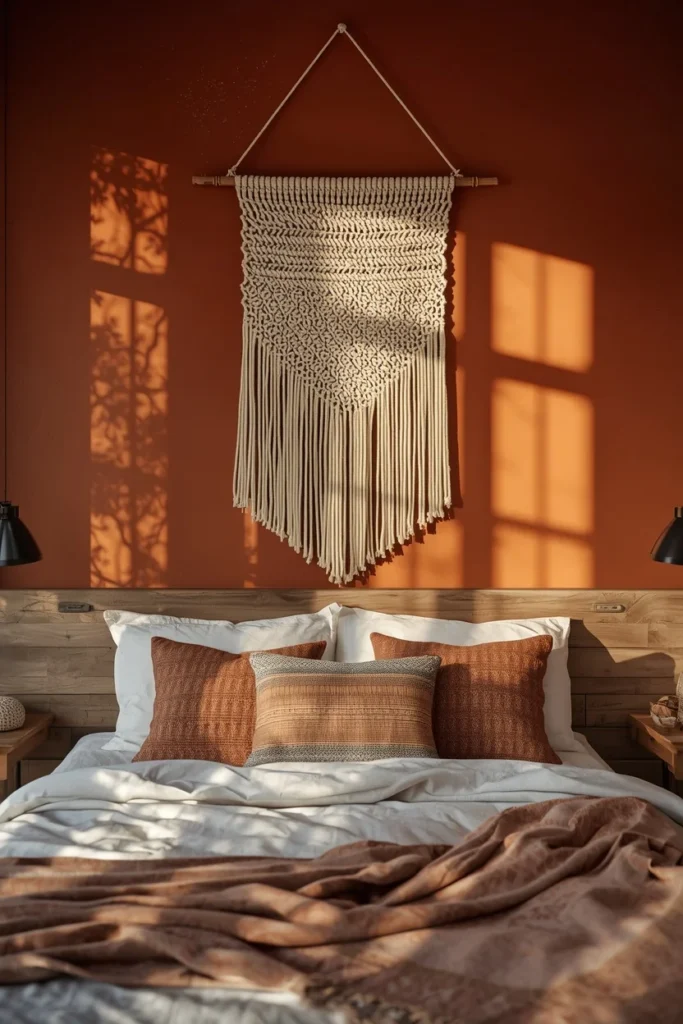
Start with the walls, because color sets the emotional tone of the whole room before a single piece of furniture goes in. Deep terracotta, burnt ochre, or a warm rust on one accent wall reads as grounded rather than heavy, especially when the remaining walls stay in a soft off-white or warm beige. This palette works because it mimics the earth tones found in traditional African textiles, so everything you layer in afterward — mudcloth, rattan, wood — reads as intentional instead of random. If a full accent wall feels risky, a terracotta-washed headboard nook or a painted ceiling gives the same warmth on a smaller scale. Matte finishes keep the color soft under lamplight instead of glossy and cold.
2. Authentic Mudcloth (Bogolanfini) Headboard
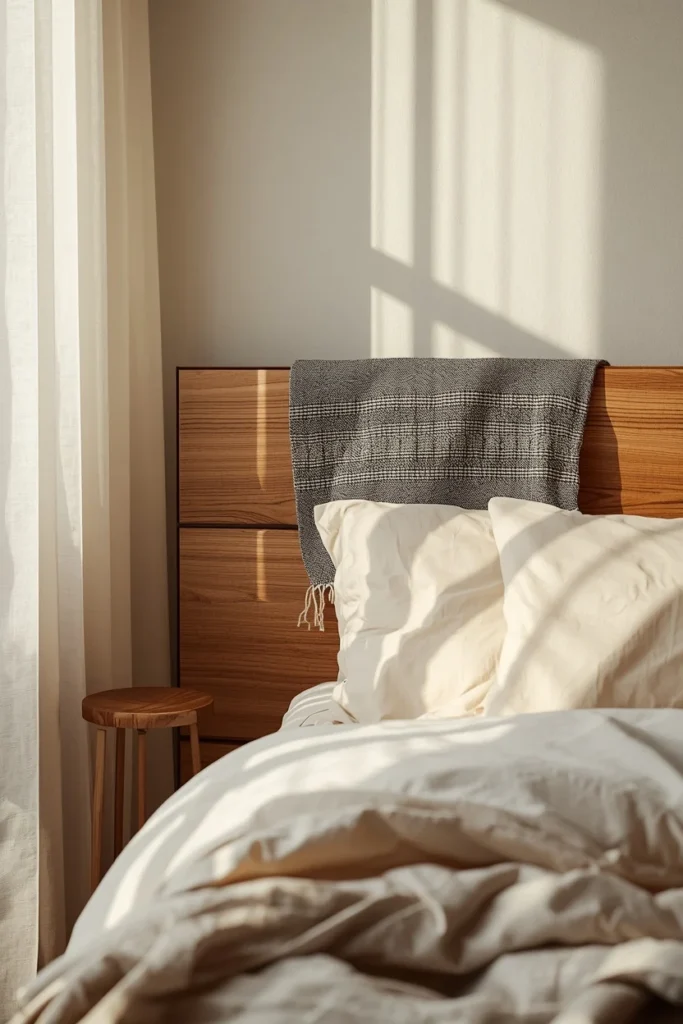
Mudcloth, or bogolanfini, is a handwoven Malian cotton textile dyed with fermented mud into bold black-and-white or earth-toned geometric patterns, and it works as one of the strongest focal points in an afrobohemian bedroom. Draping an authentic or mudcloth-print panel over a simple upholstered or wood headboard gives the bed instant visual weight without needing a busy room around it. The pattern is graphic enough to stand alone, so the rest of the bedding can stay in solid neutrals like cream, camel, or clay to let the textile do the talking. This single-piece approach is also budget-conscious, since one well-chosen textile does more design work than a dozen small accessories. Hanging a second, smaller mudcloth panel as framed wall art nearby ties the look together without repeating the exact same print.
3. Kuba Cloth Statement Wall Art
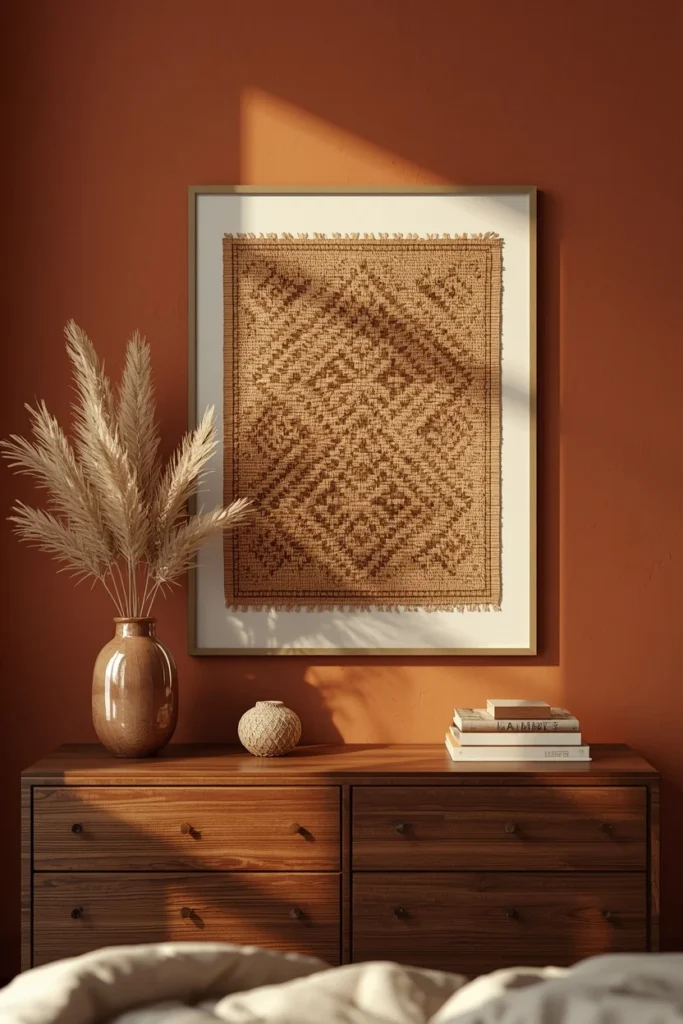
Kuba cloth comes from the Kuba Kingdom in the Democratic Republic of Congo and is known for its intricate, almost maze-like geometric embroidery in raffia fiber, which makes it a striking choice for framed wall art above a dresser or reading chair. Because the pattern is dense and busy on its own, one framed panel usually reads better than a full wall of them, giving your eye a clear place to land. Pairing it with a plain wood or black frame keeps the focus on the texture of the weave rather than competing with a decorative frame. Kuba cloth also photographs beautifully in natural light, which matters if this bedroom is going to end up on your Pinterest board, since the raised texture catches shadow and highlight in a way flat prints can’t. Keep the wall around it relatively empty so the piece gets room to breathe.
4. Kente Cloth Throw Layered on the Bed
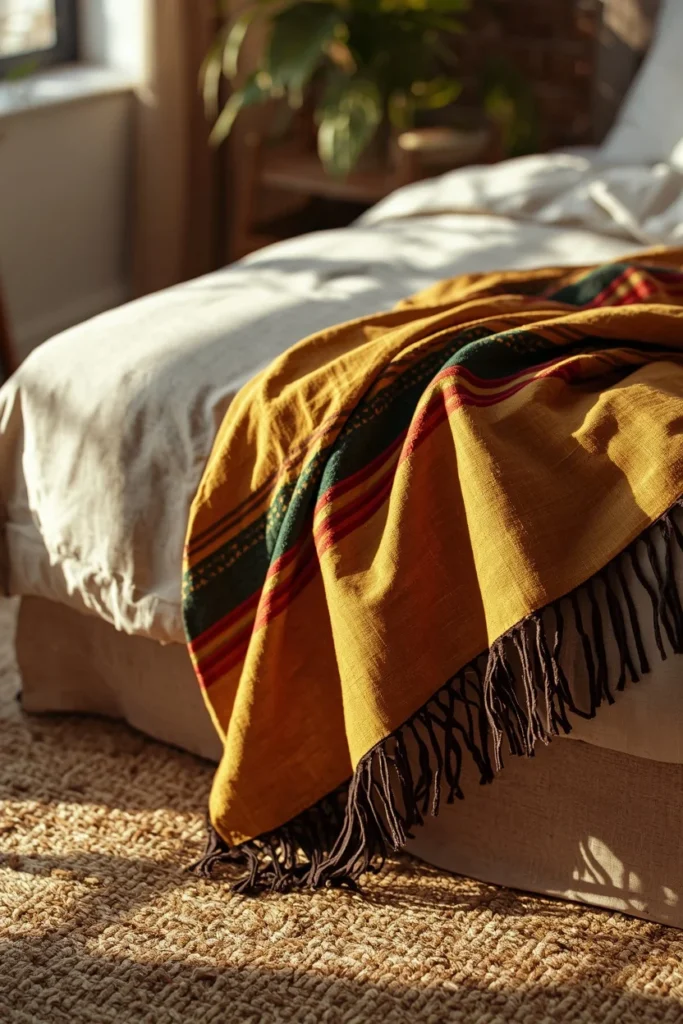
Kente cloth, originating from the Akan people of Ghana, brings saturated color into a room through its signature woven stripes of gold, green, red, and blue, and a folded throw at the foot of the bed is the easiest way to introduce it without overwhelming a calmer color scheme. Because kente is visually loud, it works best as one focused moment rather than spread across multiple pieces in the same room. Folding it in thirds across a neutral duvet lets the pattern show as a band of color instead of a full-coverage print, which keeps the bed looking styled rather than cluttered. This idea is especially good for renters or anyone testing the afrobohemian look before committing to paint or furniture changes, since a throw can be swapped seasonally. Pair it with one solid-color pillow in a shade pulled from the kente stripe to tie the palette together.
5. Ankara Print Accent Pillows
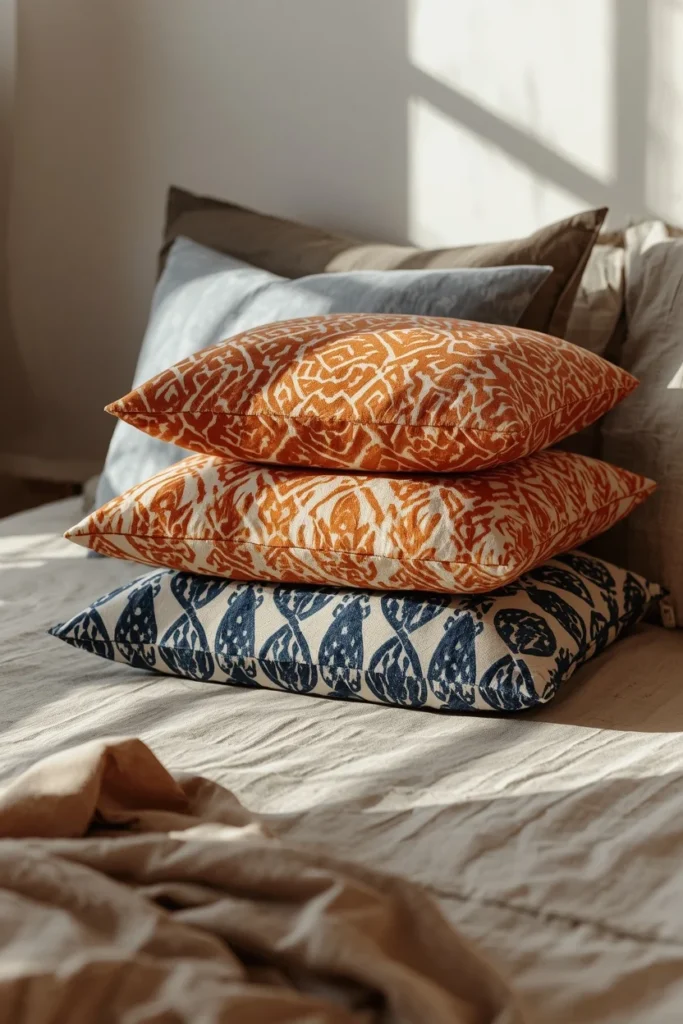
Ankara fabric, known for its wax-print technique and vivid, often floral or geometric patterns, is one of the most flexible ways to add pattern to a bedroom without a major commitment. A cluster of two or three Ankara pillows in coordinating but not identical prints creates visual movement across the bed without needing matching sets. Because the wax-print process gives the fabric a slightly stiff, structured hand-feel, the pillows tend to hold their shape well and stay looking crisp rather than flattening out over time. Mixing an Ankara print with one solid linen or velvet pillow in a complementary earth tone keeps the arrangement from feeling too busy. This is also one of the more affordable entry points into the style, since fabric remnants or ready-made covers are widely available and easy to rotate by season.
6. Macrame Wall Hanging Above the Bed
A large macrame wall hanging above the headboard fills vertical space that would otherwise stay empty, and its knotted, textured surface adds softness that balances out the more graphic African textiles elsewhere in the room. Off-white or natural cotton cord keeps the piece feeling airy rather than heavy, letting it read as texture rather than color, which is useful when the walls and bedding are already carrying warm tones. Hanging it slightly wider than the bed frame, rather than centered and narrow, makes the whole headboard wall feel intentional instead of like an afterthought. Because macrame is handmade and slightly irregular by nature, it reinforces the artisanal, storytelling feel that defines afrobohemian spaces. A small brass or wood curtain rod works better as a hanging mechanism than a nail, since it lets the piece sit flush against the wall.
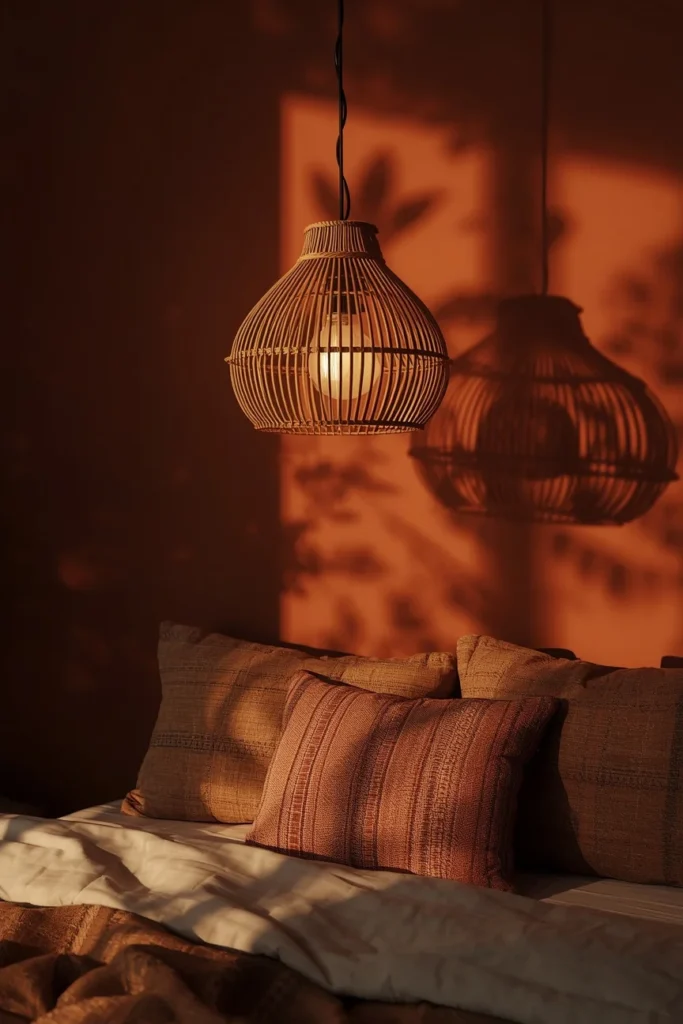
7. Rattan Pendant Lighting
Swapping a standard overhead fixture for a woven rattan pendant light changes the entire mood of a bedroom, casting dappled, warm shadows across the ceiling and walls instead of flat, even light. The natural material also acts as a textural bridge between the wood furniture and woven baskets elsewhere in the room, so the lighting doesn’t feel like a separate design decision. A dome or lantern-shaped rattan shade works particularly well over a reading nook or beside the bed, where the shadow pattern becomes part of the evening atmosphere rather than just a light source. Pairing the rattan pendant with a warm-toned, low-wattage bulb (around 2700K) keeps the glow amber instead of clinical white. This one swap is often the single highest-impact change in an afrobohemian bedroom because lighting affects how every other material in the room reads after dark.
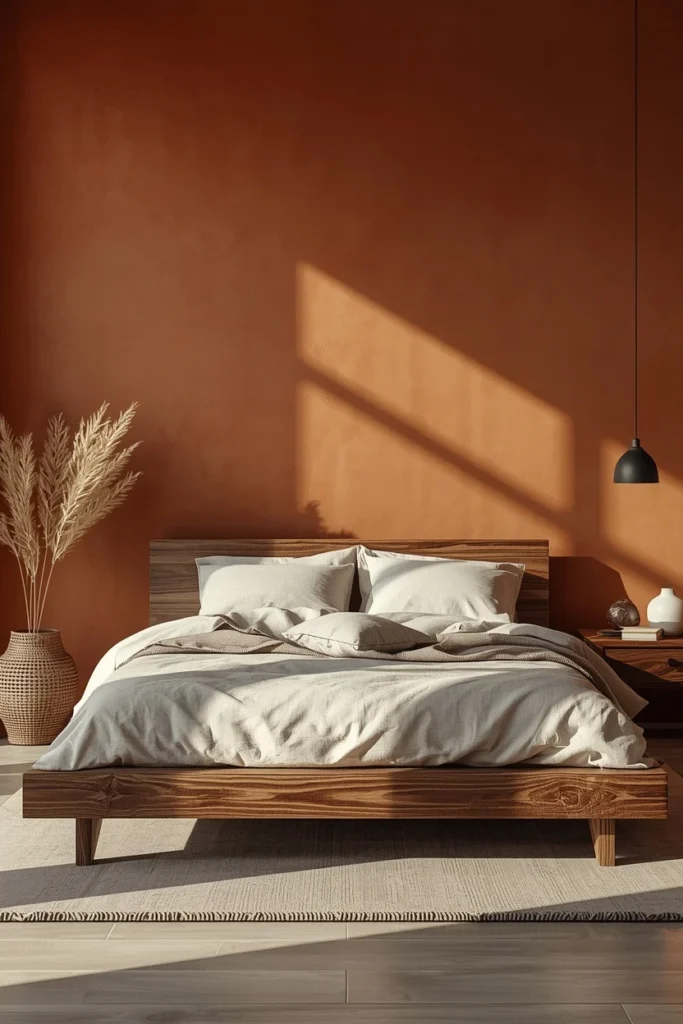
8. Low Platform Carved Wood Bed Frame
A low platform bed with a hand-carved or textured wood frame is one of the most grounding furniture choices you can make in this style, both visually and literally, since it keeps the sightline low and the room feeling more spacious. Carved details along the footboard or headboard reference traditional African woodworking without needing to be an exact replica of any single cultural piece, so look for joinery and grain texture rather than mass-produced smooth finishes. A darker wood tone like walnut or ebony-stained oak contrasts nicely against terracotta or ochre walls, while a lighter reclaimed wood works better against deeper wall colors. Skipping a tall headboard in favor of the low frame also opens up wall space for a macrame hanging or Kuba cloth panel above it. This furniture choice works particularly well in small bedrooms, since lower furniture visually raises the ceiling.
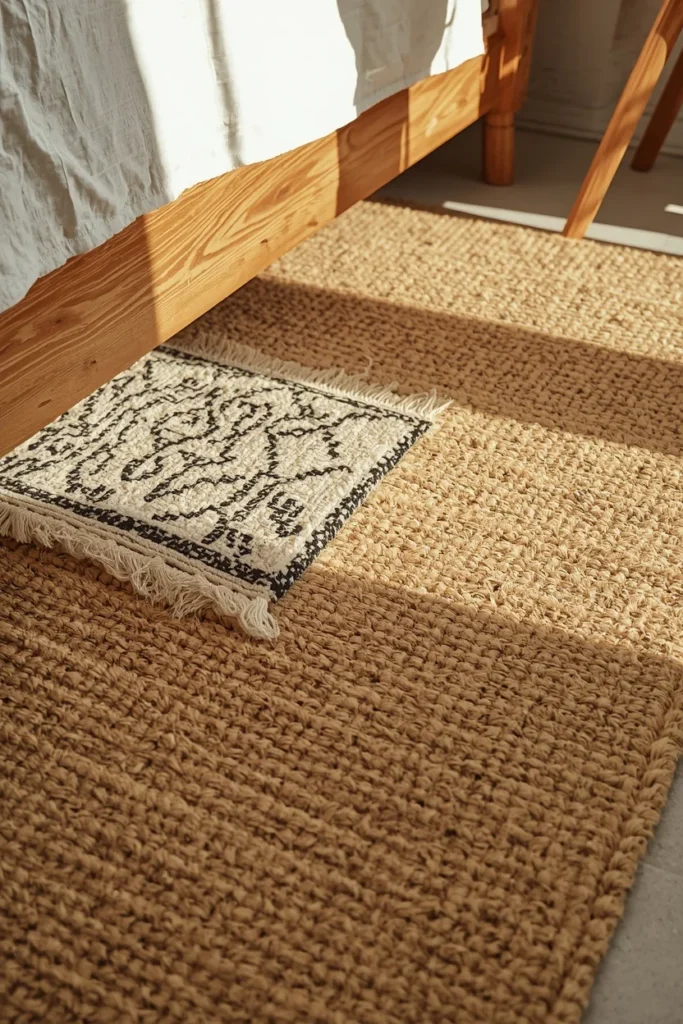
9. Layered Jute and Moroccan Rug Combo
Layering a natural jute or sisal rug underneath a smaller patterned Moroccan or Beni Ourain-style rug adds depth to the floor the same way you’d layer textiles on a bed. The jute base brings texture and a neutral, woven foundation, while the patterned rug on top introduces color and pattern at a scale that feels intentional rather than accidental. This combination also solves a practical problem: natural fiber rugs alone can feel a little rough underfoot, so the softer patterned layer on top adds comfort exactly where bare feet land, like beside the bed. Keep the top rug positioned slightly off-center or angled under one corner of the bed rather than perfectly centered, which reads as more collected-over-time than showroom-styled. This layering trick is also one of the most affordable ways to add visual richness to a room without touching walls or furniture.
10. Woven Basket Wall Gallery
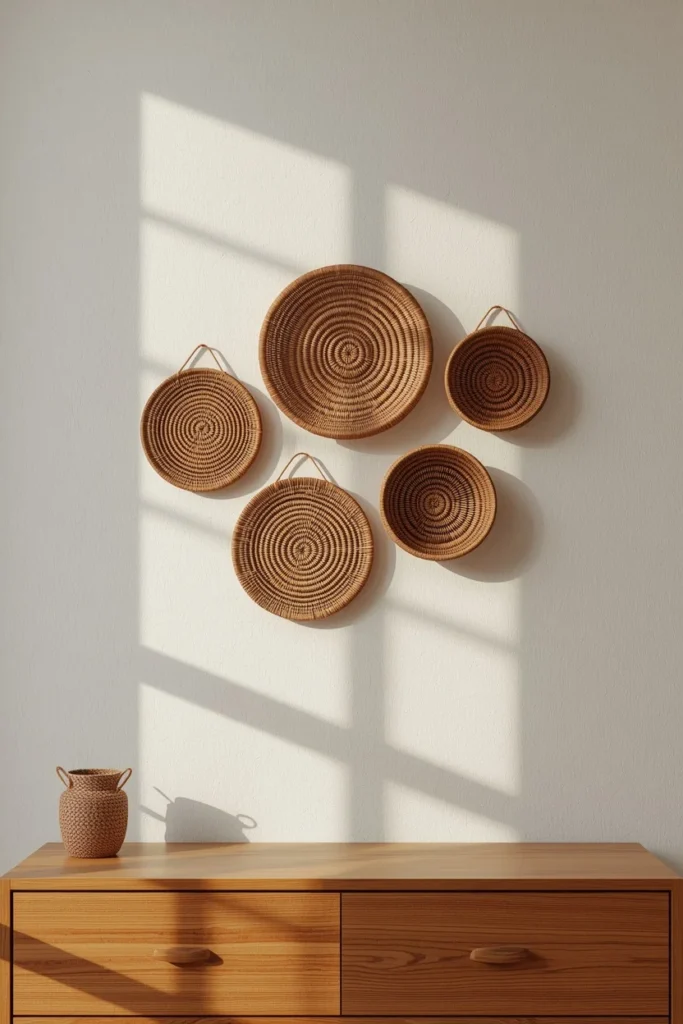
Hanging a cluster of woven baskets in varying sizes on the wall above a dresser or bed turns functional African craft objects into sculptural wall art, and it’s a technique that works in almost any size room. Choosing baskets with slightly different weave patterns and diameters, then arranging them in a loose, asymmetric cluster rather than a rigid grid, keeps the display feeling organic instead of overly planned. This idea also does double duty in smaller homes, since a few of the baskets can still function as actual storage for scarves or jewelry when taken down from the wall. Sticking to a tonal palette of warm browns and tans, rather than mixing in bright dyed baskets, keeps the gallery cohesive against a busier bedroom below it. Small brass hooks or nails work best for hanging, since they’re sturdy enough to hold the woven material’s weight without stretching it.
11. Indigo Accent Wall with Geometric Patterns
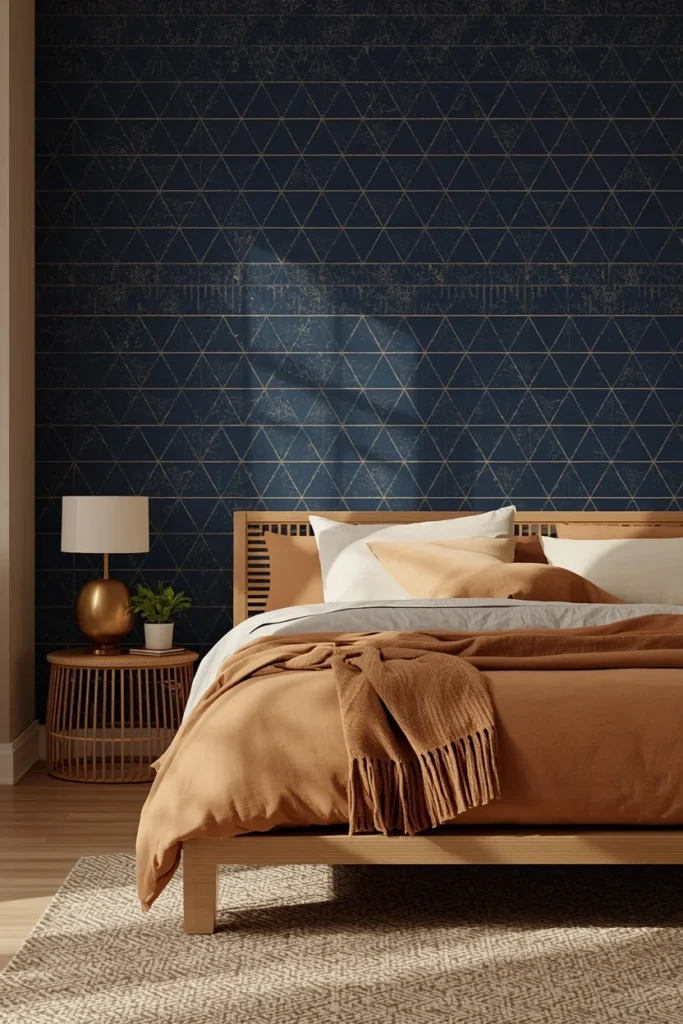
Indigo is one of the oldest and most significant dyes in African textile tradition, and bringing it into the bedroom through a stenciled or wallpapered geometric accent wall gives the room a cooler counterpoint to all the warm terracotta and ochre elsewhere. Because indigo reads as both bold and calming at once, it works particularly well on the wall behind the headboard, where it becomes a backdrop rather than a competing focal point. A hand-blocked or adire-inspired repeating pattern feels more authentic to the style than a solid painted wall, since pattern and imperfection are part of what makes the look feel handmade. Keeping the rest of the room’s palette in warm neutrals and woods lets the indigo wall act as a grounding anchor instead of adding to visual noise. This is a higher-commitment idea, so testing the pattern on a large sample board first is worth the extra step before wallpapering an entire wall.
12. Brass and Gold Accent Details
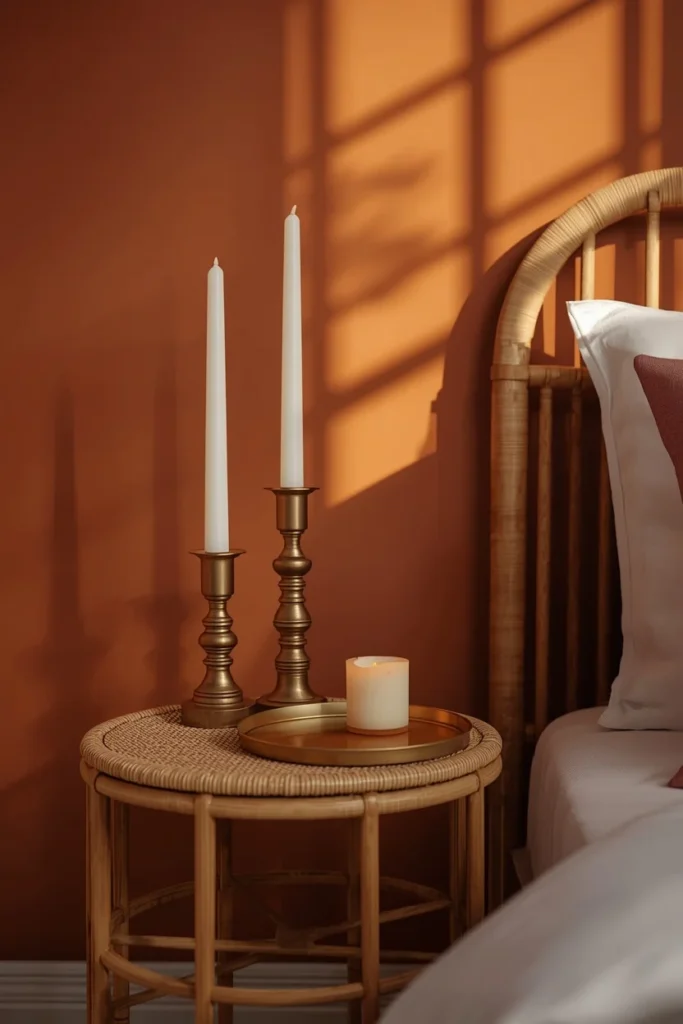
Small brass details — a lamp base, a set of candle holders, drawer pulls, or a slim mirror frame — add a quiet glow to an otherwise matte, textured room, and they’re one of the easiest upgrades to make without touching furniture or paint. Brass reads as warm rather than flashy when it’s paired with earthy tones and natural materials, which is different from how it reads in a cooler, more modern space. Spacing the metallic touches out across the room, rather than clustering them in one spot, helps the eye travel and keeps the space from feeling like every surface is competing for attention. Aged or unlacquered brass tends to suit this style better than a bright polished finish, since a slightly worn patina matches the handmade, collected feeling of the rest of the decor. Even one small brass tray on the nightstand for jewelry or candles can shift the whole room from flat to finished.
13. Pampas Grass in a Ceramic Vessel
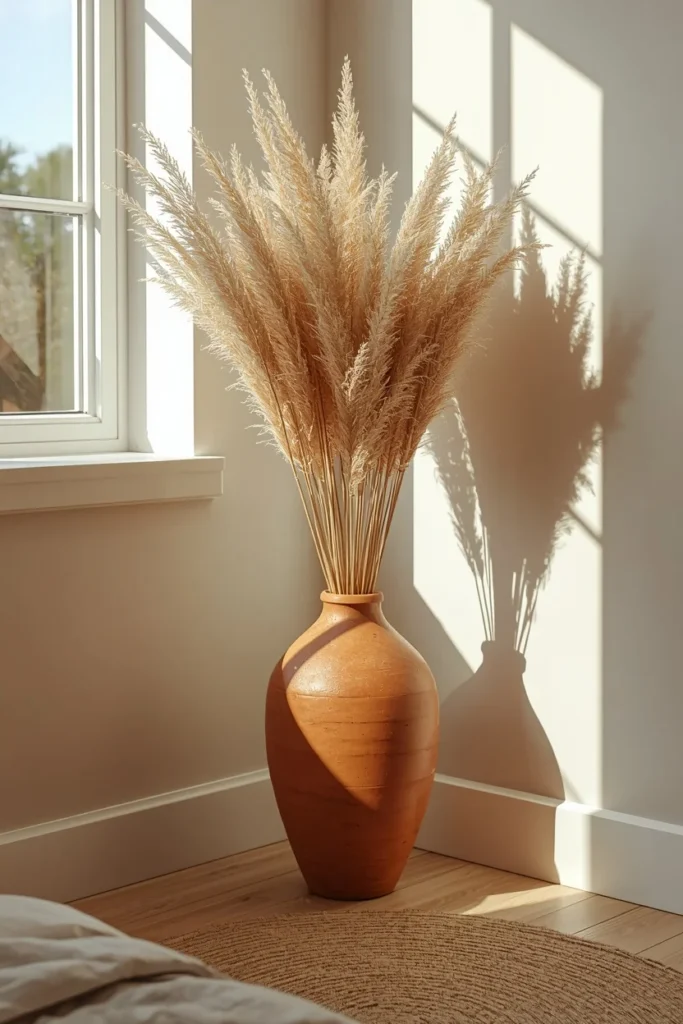
A tall bundle of pampas grass in a rounded terracotta or unglazed ceramic vessel adds height and softness to a corner of the room without requiring any maintenance, which makes it a practical choice for anyone who doesn’t want to keep a living plant alive. The neutral, sandy tone of dried pampas grass fits naturally into the earthy afrobohemian palette, and its movement and texture read as organic rather than staged. Placing the arrangement in an empty corner near a window balances out a room that might otherwise feel heavy on hard furniture lines. Trimming the stems to slightly different heights within the same bundle creates a more natural, less uniform silhouette than a perfectly even trim. This is also one of the lowest-cost styling additions on this list, since a single bundle can fill a surprising amount of visual space.
14. Snake Plant and Monstera Corner Greenery
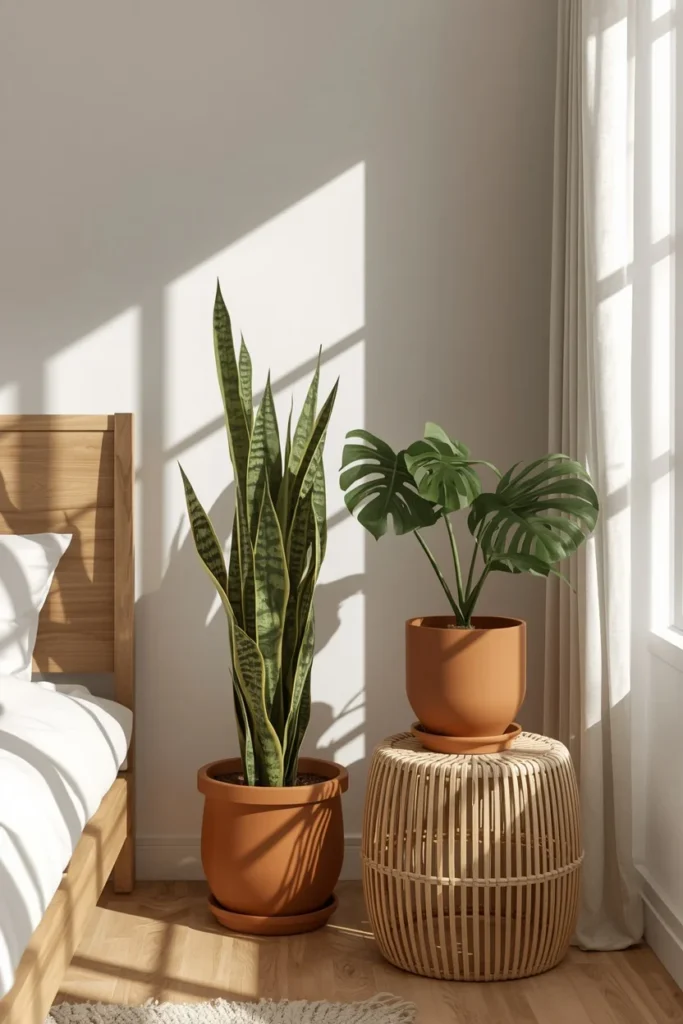
Grouping a snake plant and a monstera in terracotta or woven planters in one corner brings the bohemian half of the style into the room through living texture rather than pattern. The snake plant’s tall, structured leaves contrast nicely with the monstera’s broad, split leaves, giving the grouping visual variety even with just two plants. Both are relatively low-maintenance and tolerate indirect light well, which matters in a bedroom that may not get direct sun all day. Elevating one of the two plants on a small wood or rattan stool, rather than placing both directly on the floor, adds height variation that makes the corner feel more like an intentional vignette than an afterthought. This greenery grouping also softens the hard edges of wood furniture and brings a sense of life and air quality benefit into the space.
15. Maasai Beaded Mirror Frame
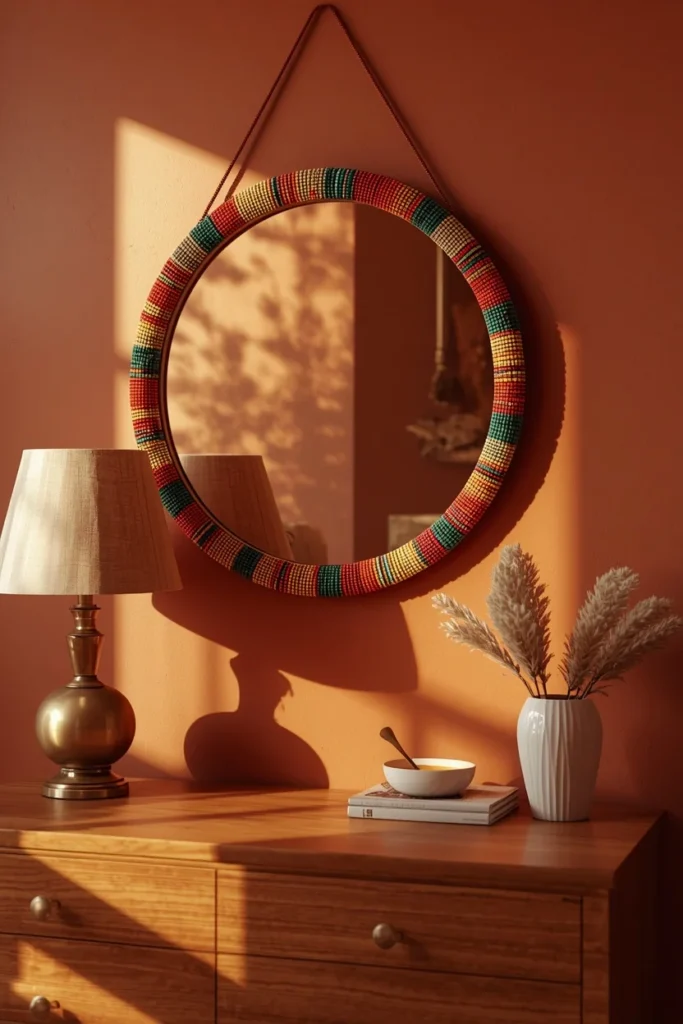
A mirror framed in colorful Maasai-inspired beadwork turns a functional object into a piece of wall art, and hanging it at an angle above a dresser catches both light and color in a way a plain frame never could. The beadwork’s saturated reds, blues, and whites give a small, controlled pop of bright color in a room otherwise dominated by earth tones, which keeps the palette from feeling one-note. Because the piece is compact, it works even in bedrooms too small for a full gallery wall or oversized textile. Positioning it to reflect a window or lamp doubles its visual impact by bouncing warm light back into the room in the evening. Sourcing the piece from artisans or fair-trade retailers who work directly with Maasai craftspeople keeps the styling choice respectful of where the technique comes from.
16. African Mask Gallery Wall
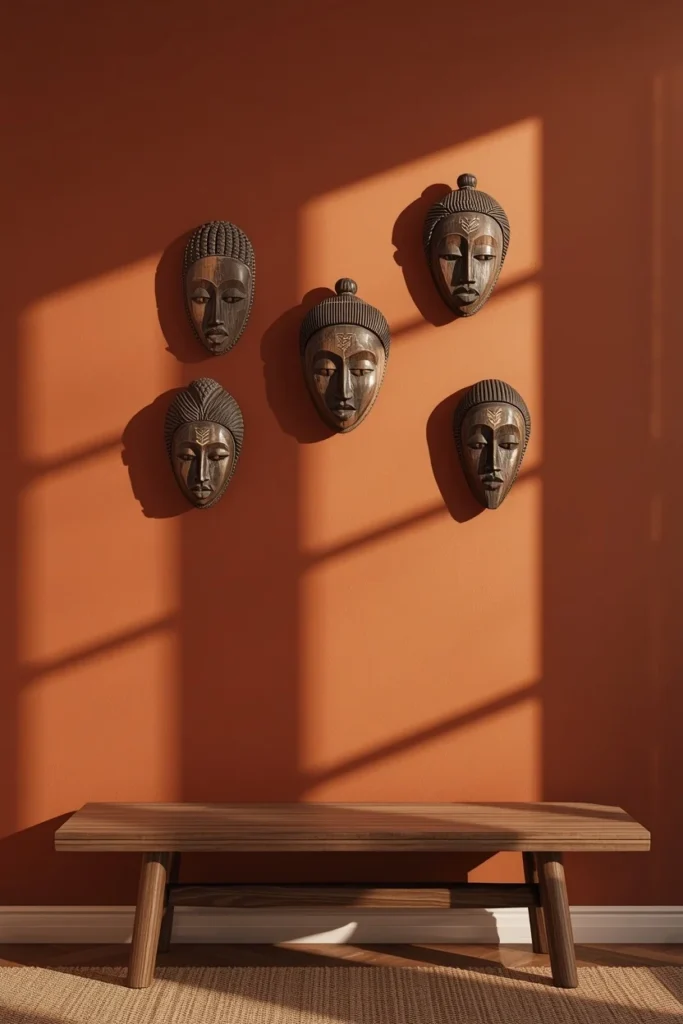
A curated grouping of carved wood masks arranged on a wall above a bench or dresser creates one of the most striking focal points available in this style, using shape and shadow rather than color to make an impact. Varying the sizes and carving styles across three to five pieces, then arranging them at slightly different heights, keeps the display from reading as a matched set. Because the masks already carry strong texture and dimension, they photograph well under directional light, casting shadows on the wall behind them that add another visual layer. This idea works best as a single dedicated wall moment rather than combined with too many other busy elements nearby, since the masks need visual room to be appreciated individually. As with any culturally significant object, sourcing pieces through artisans, cultural retailers, or fair-trade sellers rather than mass-produced replicas keeps the styling choice grounded in respect for the craft.
17. Batik Canopy Drape Over the Bed
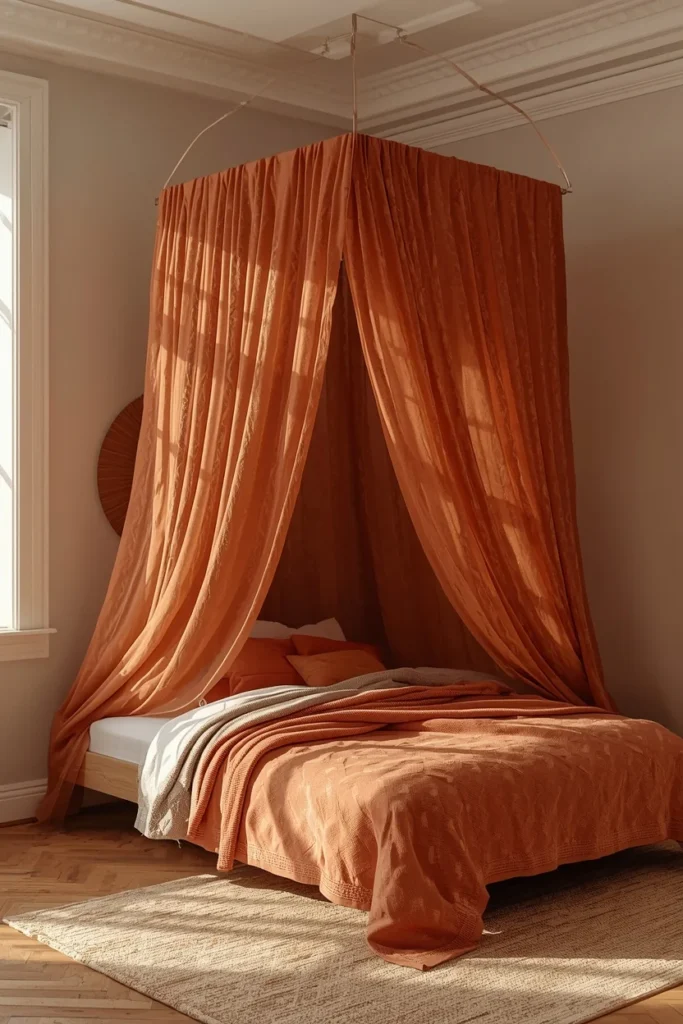
A length of hand-dyed batik fabric draped from a ceiling mount or curtain rod above the bed creates a soft canopy effect that adds drama without requiring a full four-poster frame. Batik’s wax-resist dyeing process produces organic, slightly imperfect patterns in indigo, rust, or ochre that move gently with air flow, giving the room a sense of softness overhead. Mounting the fabric on a simple curved rod, rather than a full box frame, keeps the installation lightweight and renter-friendly, since it can be removed without any wall damage beyond a couple of small hooks. This idea works especially well over a bed positioned away from the wall or under a sloped ceiling, where the canopy visually fills otherwise empty vertical space. Pairing the canopy fabric’s tone with one other textile in the room, like a throw or pillow, keeps the look cohesive rather than like two separate patterns competing.
18. Vintage Brass Mirror Vignette
An oversized vintage-style brass mirror leaned against the wall, rather than hung, adds a relaxed, collected-over-time feel that fits naturally into bohemian styling logic. Leaning it in a corner near a woven chair or stack of books creates a small vignette that feels curated without being overly staged. The warm metal frame catches window light throughout the day, bouncing it back into the room and making the space feel brighter even without additional lighting. Choosing an arched or slightly irregular frame shape over a perfectly rectangular one adds softness that echoes the organic lines found elsewhere in the room’s textiles and plants. This is also a practical addition, since a full-length mirror serves a daily function while doubling as one of the room’s most photogenic corners.
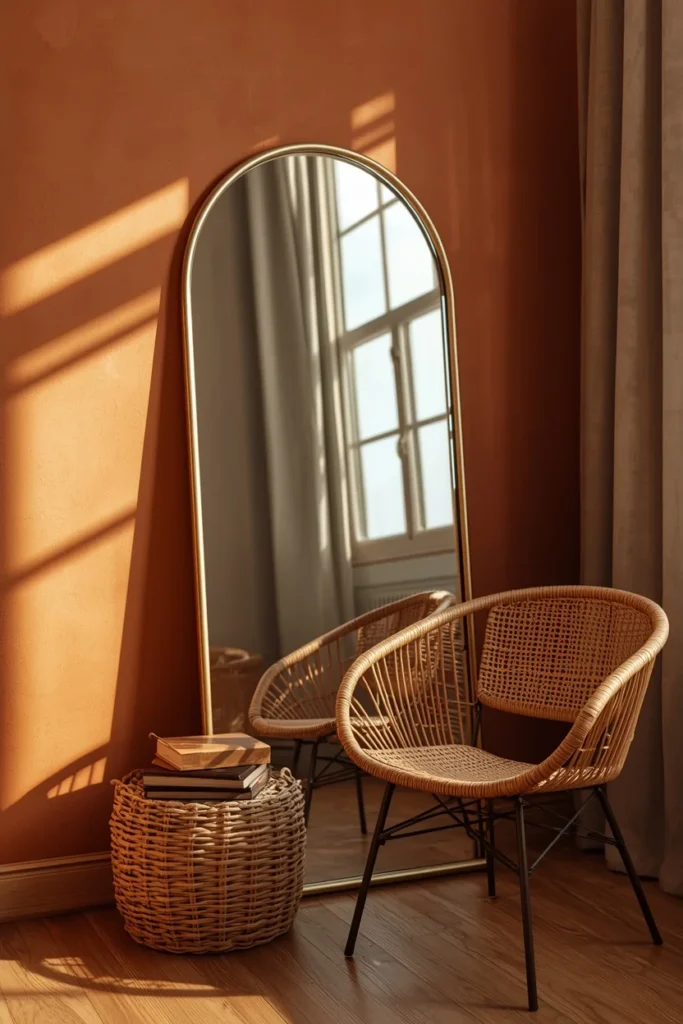
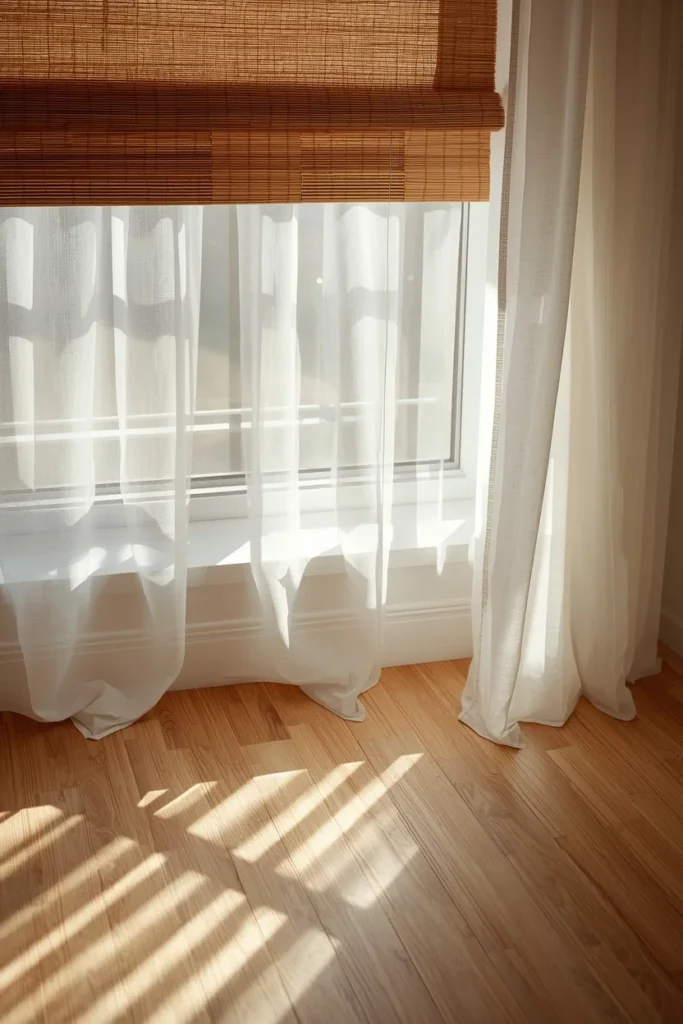
19. Woven Bamboo Roman Shades
Swapping heavy curtains or plain blinds for woven bamboo Roman shades changes how light enters the room entirely, filtering sunlight into soft, textured stripes across the floor and walls instead of flat, even brightness. The natural material continues the room’s textural story from the rattan lighting and woven baskets, so the window treatment feels like part of the same design language rather than a separate decision. Bamboo shades also tend to be more breathable in warmer climates, letting airflow through even when partially closed, which fits the relaxed, natural-living feel bohemian style is built around. Layering a thin linen curtain panel behind the bamboo shade softens the light further for sleeping while keeping the woven texture visible during the day. This window treatment also tends to be more budget-friendly than custom drapery, especially for standard window sizes.
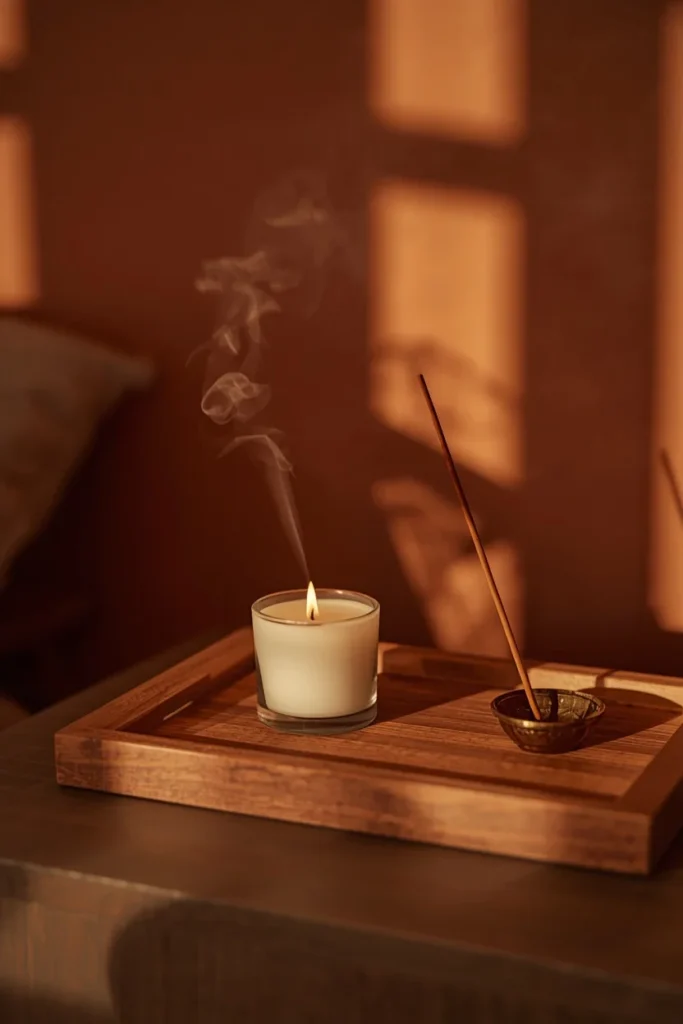
20. Sandalwood and Frankincense Scent Corner
A small styled tray with a sandalwood candle, a stick of frankincense incense, and a dish for ash turns one corner of the nightstand into a sensory ritual rather than just a surface for clutter. Scent is often the missing layer in a photographed bedroom, since it’s the one design element a picture can’t capture, but it’s what actually makes a room feel finished when you’re lying in it at night. Warm, woody, and resinous scents like sandalwood, myrrh, and frankincense pair naturally with the earthy visual palette already in the room, reinforcing the grounded mood rather than clashing with it. Keeping the tray itself in a natural material like wood, brass, or terracotta ties it visually into the rest of the styling instead of looking like an add-on. This is one of the lowest-cost ideas on the list and one of the most impactful for how the room actually feels to live in, not just look at.
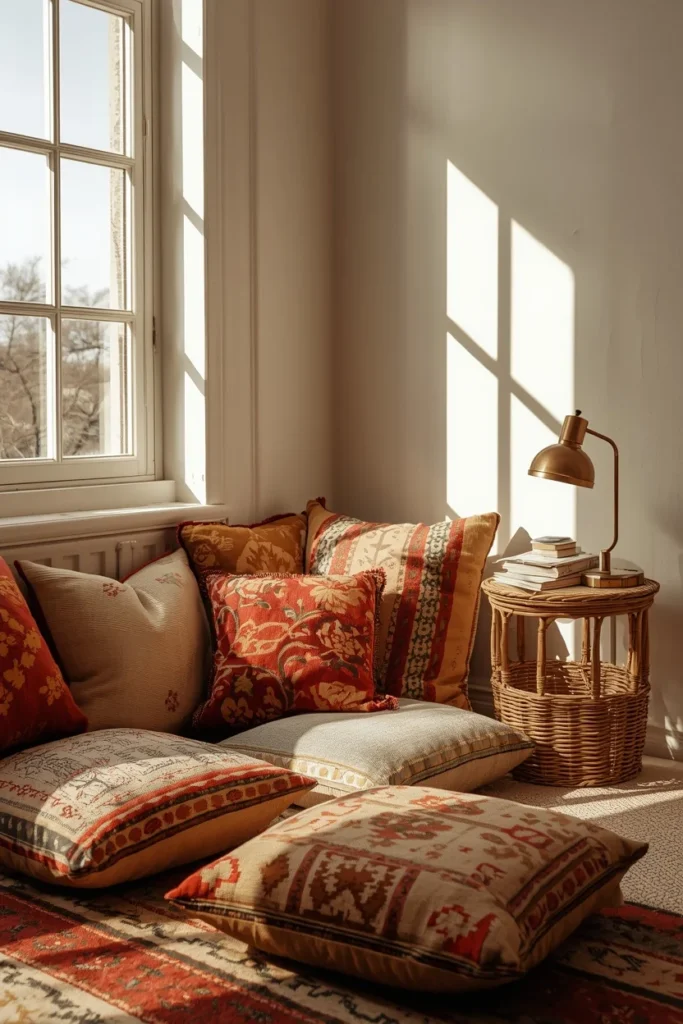
21. Floor Cushion Reading Nook
A low cluster of floor cushions in mudcloth or Ankara covers, arranged near a window with a small side table and a reading lamp, creates a second gathering spot in the bedroom beyond the bed itself. This idea borrows from the bohemian tradition of floor-level lounging, which naturally lowers the visual weight of the room and makes it feel more expansive even in a smaller footprint. Mixing two or three different patterned cushions with one solid neutral cushion keeps the nook from feeling flat or overly matched. A small woven pouf can double as a footrest or extra seat when the space is shared, adding flexibility without adding bulky furniture. Positioning the nook near natural light also makes it one of the most-used corners of the room, since good light is what actually gets people to sit and read rather than just look at the space.
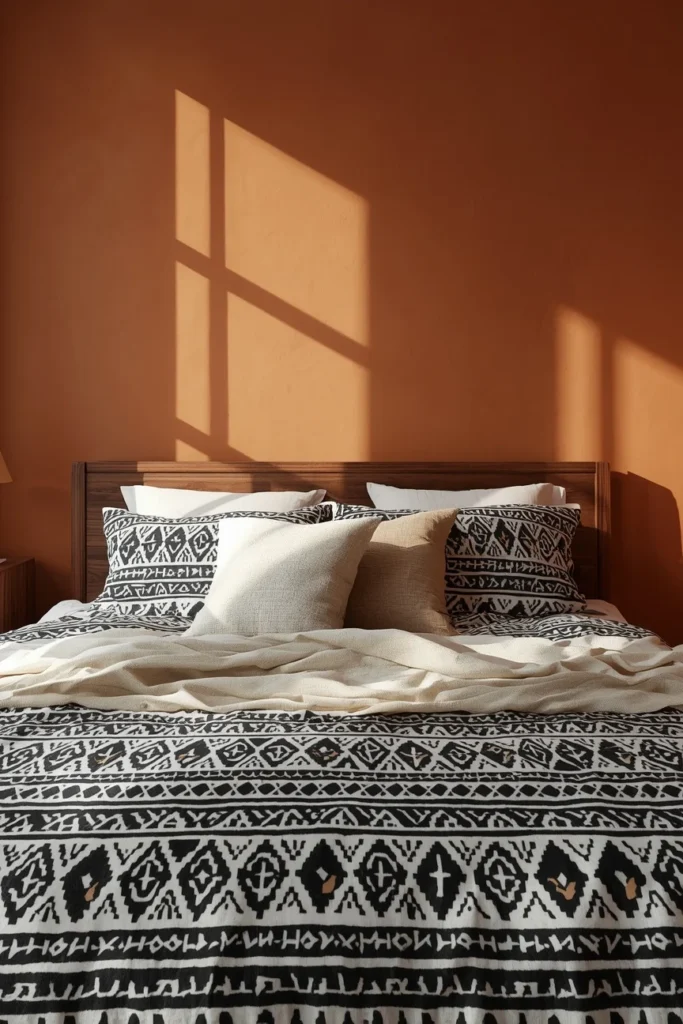
22. Tribal Print Bedding Set
For a bolder, faster transformation, a full bedding set in a high-contrast tribal-inspired geometric print does most of the styling work in one purchase, without requiring any wall or furniture changes. Because bedding covers the largest surface area in the room, choosing one strong pattern here has more visual impact than scattering several smaller patterned accessories around. Black-and-white or indigo-and-cream color combinations tend to read as more sophisticated than multicolor prints, keeping the look bold without tipping into busy. Balancing the graphic bedding with solid, textured throw pillows in linen or velvet prevents the bed from becoming visually overwhelming on its own. This is one of the fastest and most rentable-friendly ways to test the afrobohemian aesthetic before committing to paint or furniture.
23. Layered Textile Bench at the Foot of the Bed
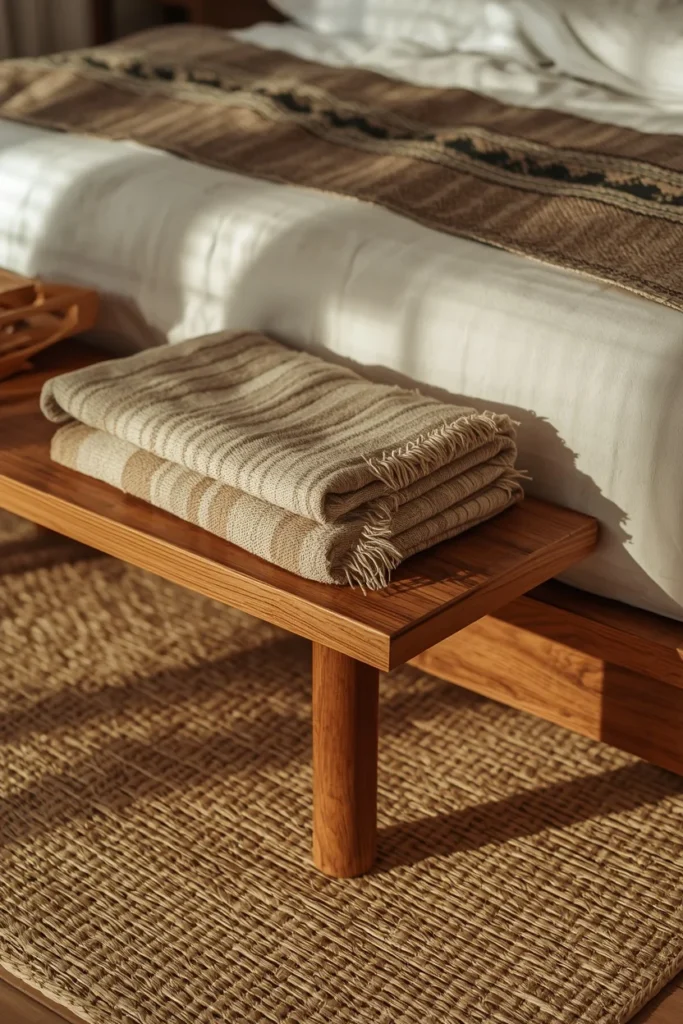
A simple wood or rattan bench at the foot of the bed, draped with two or three layered textiles like a kente strip, a woven throw, and a folded mudcloth panel, adds both function and visual richness to a part of the room that often gets overlooked. The bench itself gives you a practical spot to sit while getting dressed or to stack extra pillows overnight, so the styling choice earns its space rather than existing purely for decoration. Layering the textiles loosely, rather than folding them into perfectly even stacks, keeps the look relaxed and collected instead of overly staged. This is also a smart way to rotate seasonal textiles into the room without redoing the whole space, since the bench becomes a changeable styling moment. Choosing a bench with visible wood grain or woven caning continues the natural material story running through the rest of the room.
Styling Tips
- Anchor the room with one dominant textile (mudcloth, Kuba cloth, or kente) and let everything else support it in a complementary, not competing, pattern scale.
- Keep wall colors matte and warm so patterns and wood tones stand out instead of fighting a glossy backdrop.
- Group decor in odd numbers (three baskets, five masks) since asymmetric groupings photograph and feel more natural than even pairs.
- Save one bold color, like indigo, kente gold, or Maasai red, for a single focal moment rather than spreading it across the whole room.
- Let natural light do the work — this style depends on shadow and texture, which flat, overhead lighting flattens out.
Practical Implementation Ideas
- Start with textiles before furniture. A mudcloth throw, kente strip, or set of Ankara pillow covers is the cheapest way to test the palette before committing to paint or new furniture.
- Repaint one wall in terracotta or ochre as a weekend project rather than repainting the whole room, which limits cost and commitment.
- Source woven baskets, mirrors, and masks from fair-trade retailers, African-owned marketplaces, or Etsy shops that work directly with artisans.
- Swap your overhead light fixture for a rattan pendant as a single afternoon project that changes the whole evening mood of the room.
- Build the greenery corner last, once you can see how much visual weight the textiles and furniture already carry.
Common Mistakes to Avoid
- Mixing too many bold patterns at the same visual scale, which makes the room feel chaotic instead of layered.
- Choosing glossy or cool-toned metals like chrome, which clash with the warm, matte materials this style depends on.
- Skipping texture in favor of only color, which leaves the room looking flat in photos even when the palette is right.
- Overcrowding wall space with too many gallery elements at once instead of letting a few strong pieces breathe.
- Using stark white bedding as the only textile, which resets the room’s warmth instead of supporting it.
Small-Space Alternatives
- Choose a low platform bed instead of a tall frame to keep sightlines open and the ceiling feeling higher.
- Use one statement textile (a mudcloth headboard drape or Kuba cloth panel) instead of multiple wall pieces competing for limited space.
- Hang woven baskets on the wall instead of using floor baskets, which frees up square footage while still adding texture.
- Pick a single tall plant, like a snake plant, over a full plant grouping to add greenery without crowding a small footprint.
- Use a slim vintage mirror leaned in a corner to visually double the room’s light and depth.
Budget-Friendly Alternatives
- Buy mudcloth, kente, or Ankara fabric by the yard and DIY pillow covers instead of purchasing pre-made ones.
- Thrift a plain wood bench or dresser and update it with new hardware in aged brass for a fraction of the cost of new furniture.
- Use a bundle of dried pampas grass instead of a full plant collection for an instant styling upgrade with zero upkeep.
- Paint one accent wall in terracotta or ochre instead of wallpapering, which costs far less and is easier to change later.
- Look for secondhand woven baskets and carved wood decor at estate sales or local markets before buying new.
Pro Styling Recommendations
- Layer at least three textures in every corner of the room (wood, woven fiber, and textile) so no single surface reads as flat.
- Keep your metal finishes consistent throughout the room; mixing brass with chrome undercuts the warm, cohesive feel.
- Photograph or evaluate the room at golden hour before finalizing placement, since this style depends heavily on how natural light interacts with texture.
- Rotate one or two textiles seasonally (heavier kente and mudcloth in cooler months, lighter batik in warmer months) to keep the room feeling current without a full redesign.
- Source at least one piece directly from African or Afro-diasporic artisans rather than filling the entire room with mass-produced replicas, which keeps the styling authentic rather than purely aesthetic.
FAQs
Conclusion
An afrobohemian bedroom isn’t built in one shopping trip. It comes together through texture, color, and a few pieces that actually mean something to you, layered in slowly the way this style was always meant to grow. Start with one textile, one wall, or one light fixture from this list, and let the rest of the room build around it. The goal was never a showroom. It was a space that feels like somewhere you actually want to fall asleep.