22 Kitchen Island Decor Ideas That Are Stylish & Seriously Functional
Your kitchen island probably does more work than any other surface in your house. It’s where dinner gets prepped, where mail piles up, where the kids do homework, and where guests somehow always end up standing during a party. So why does it so often end up either completely bare or cluttered with things that don’t belong there?
The best kitchen islands manage to be both a design centerpiece and a genuine workhorse — and the difference usually comes down to a few smart choices, not a full renovation. These 22 ideas cover everything from structural upgrades like seating and storage to simple styling moves like a well-placed tray or a rotating seasonal bowl. Some of these will change how your kitchen island looks. Others will change how it actually functions every single day. Either way, your island is about to work a lot harder for you.
Table of Contents
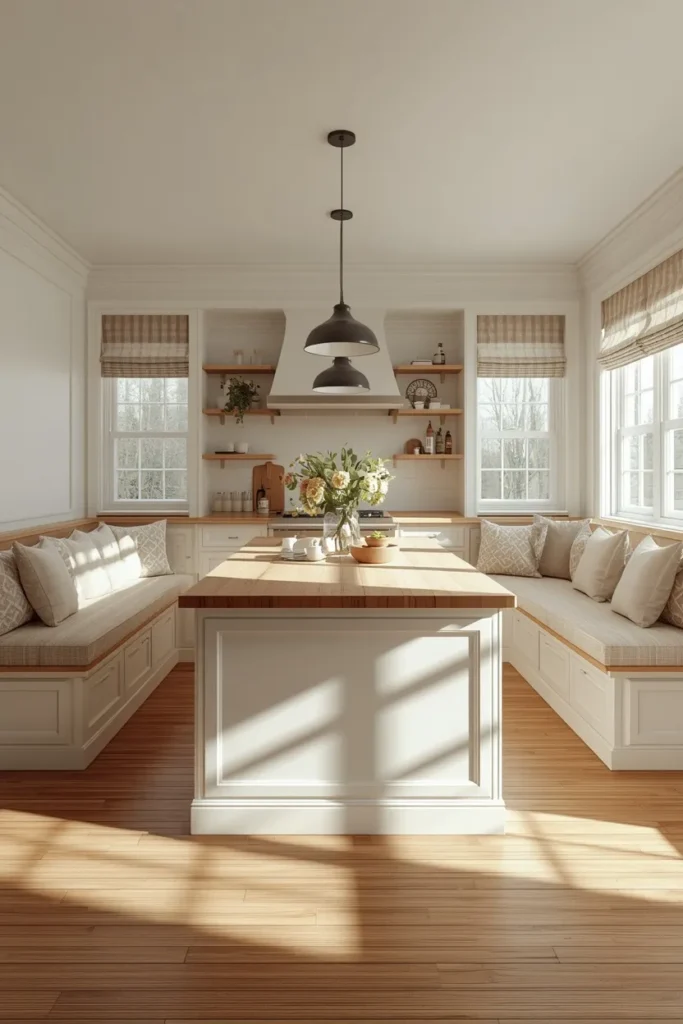
1. Wraparound Bench Seating for Real Gathering Space
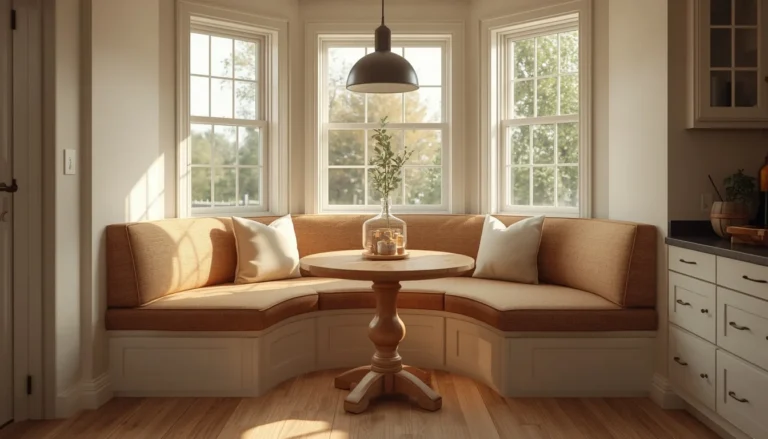
Instead of lining stools along one straight edge, wraparound bench seating turns the island into an actual gathering spot rather than a quick-perch counter. Built-in benches feel more like architecture than furniture, which gives the whole kitchen a more intentional, custom look. This setup works especially well for households with kids, since a bench seat is easier to hop in and out of than a bar stool, and it can comfortably seat more people in the same footprint. Adding cushions in a durable, washable fabric keeps the look soft without sacrificing practicality. The wraparound shape also naturally softens the hard edges of a kitchen, making it feel more like a living space than a workstation.
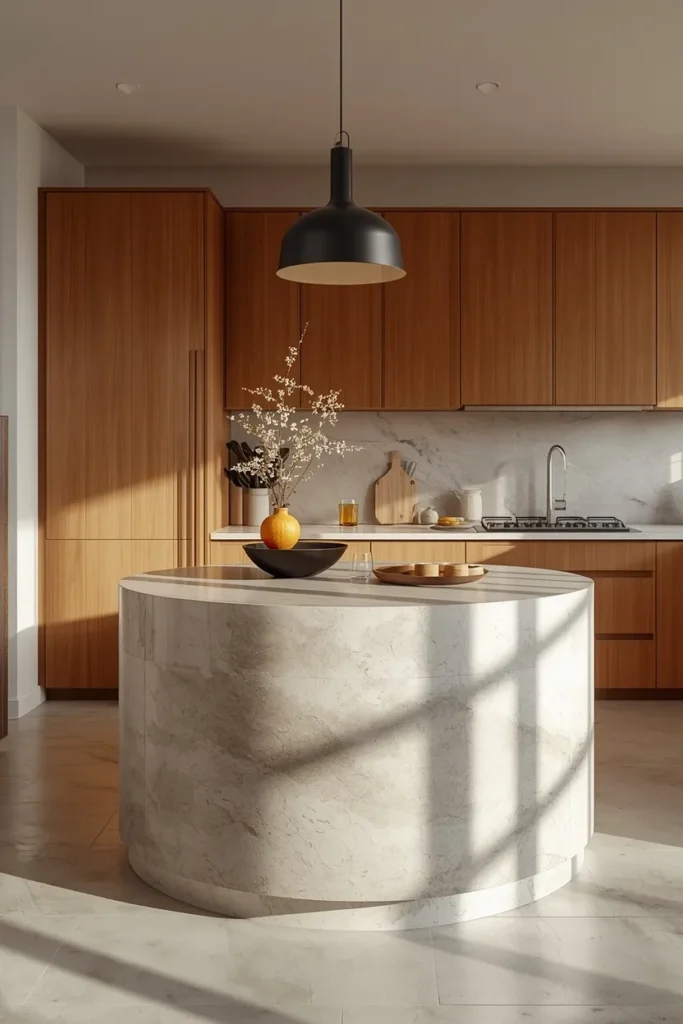
2. Soft Curved Edges Instead of Sharp Corners
A rounded or curved island edge changes how people actually move through a kitchen. Instead of stopping traffic at a hard right angle, a curved corner guides foot traffic around the island, which matters most in open-concept layouts where the kitchen connects directly to a living or dining space. Curves also make the seating area feel more approachable, since there’s no sharp corner digging into anyone’s side while they eat. This shape works particularly well paired with a waterfall countertop, since the stone can wrap smoothly around the curve instead of meeting at a mitered edge. It’s a small structural change that makes a big difference in how comfortable a kitchen feels to actually live in.
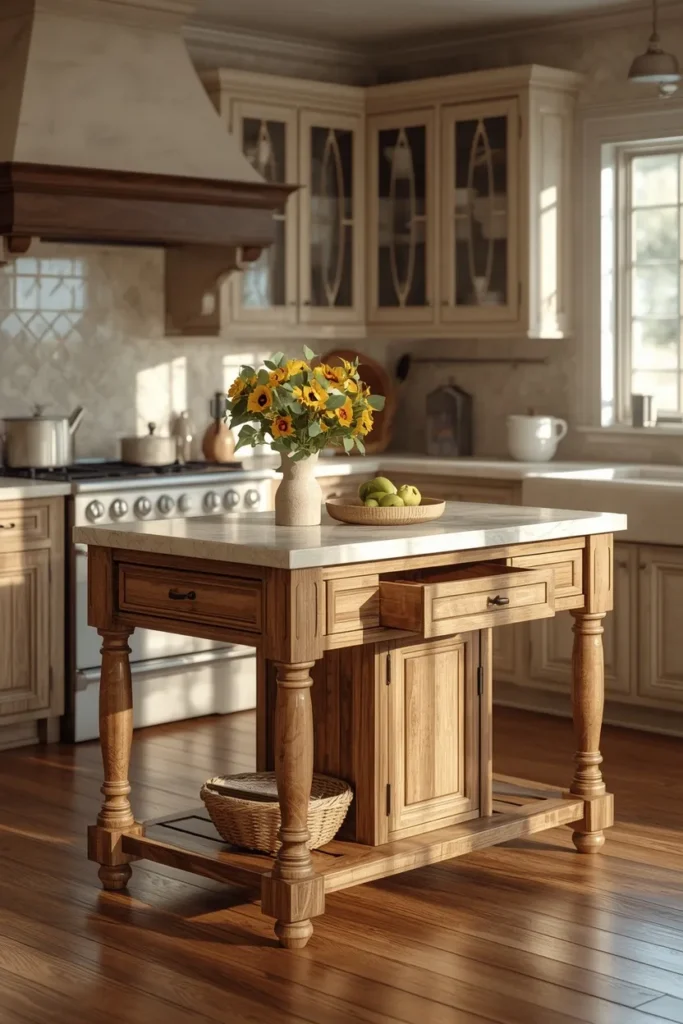
3. A Furniture-Style “Dairy Table” Island
For a kitchen that feels collected rather than built-in, a freestanding island styled like an antique dairy table brings a lighter, more relaxed presence to the room. Unlike a fully fitted island, a dairy table reads more like a beautiful piece of furniture that happens to live in the kitchen, often with turned wood legs, open sides, and drawer storage below a worktop. This style suits kitchens going for a traditional, collected-over-time look, and it visually connects the kitchen to the rest of the home instead of looking like a separate architectural block. Pair it with a honed marble or wood top for food prep, and leave the sides open so the piece keeps its furniture-like silhouette. It’s an especially good fit for period homes or anyone who wants their kitchen to feel less “showroom” and more “heirloom.”
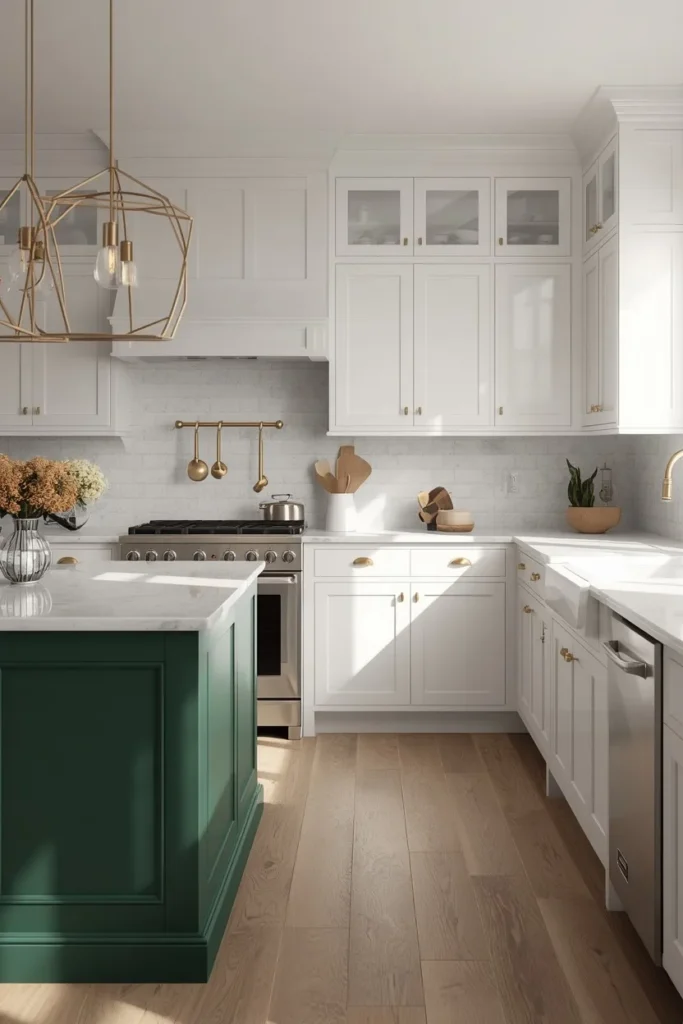
4. A Contrasting Two-Tone Island Base
Painting the island a different color from the surrounding cabinetry is one of the simplest ways to give a kitchen depth without redesigning the whole room. A deep forest green, navy, or matte black island against lighter perimeter cabinets creates an obvious focal point and makes the space feel layered rather than flat. This approach is lower-commitment than painting every cabinet in the kitchen, and it’s easy to update again later if your taste changes. Keep the countertop consistent across both the island and the perimeter so the contrast reads as intentional rather than mismatched. This is one of the easiest updates on this list to actually execute in a weekend with the island alone.
5. Built-In Wine Fridge with Open Wine Rack
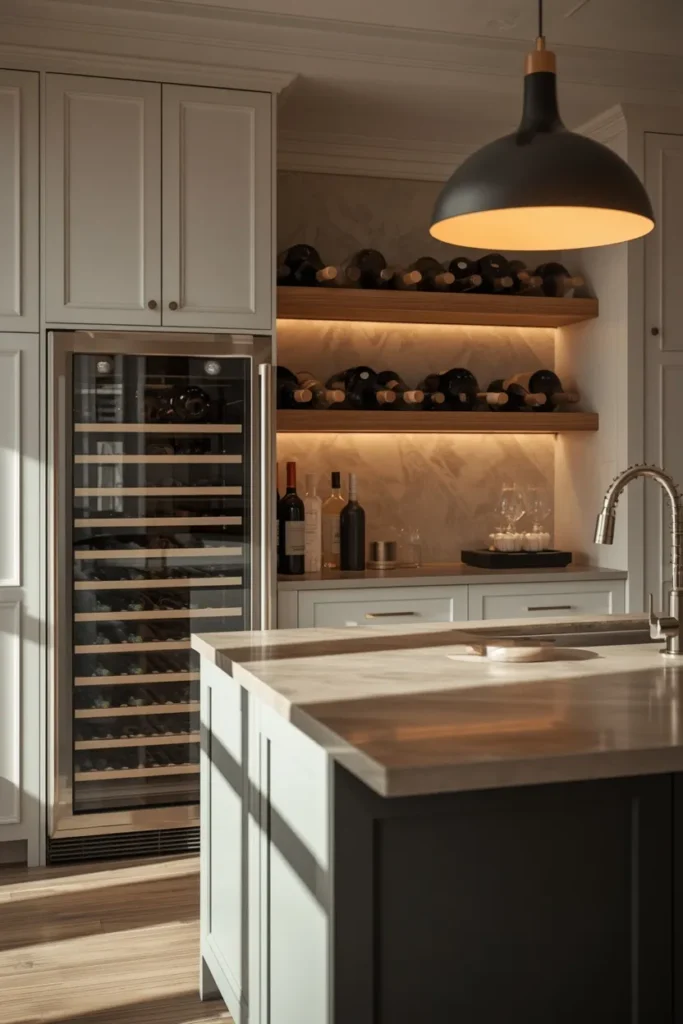
A built-in beverage fridge tucked into one end of the island turns it into an entertaining hub without adding a single extra cabinet elsewhere in the kitchen. Pairing the fridge with an open horizontal wine rack just above or beside it keeps bottles visible and easy to grab, and it adds a nice bit of texture to what would otherwise be a flat panel of cabinetry. This setup works particularly well for anyone who hosts often, since guests can help themselves without walking across the kitchen. Choose a fridge with a glass front if you want the bottles themselves to be part of the display, or a solid panel front if you’d rather keep it discreet. Either way, it’s function and style solved in one built-in feature.
6. A Hidden Charging Drawer for Devices
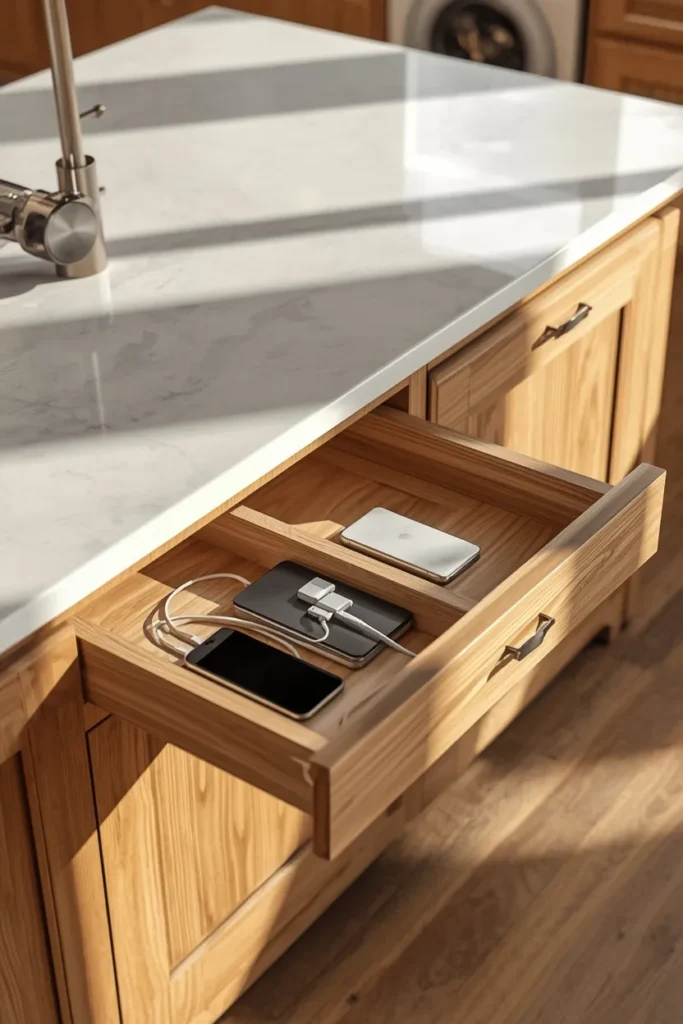
One of the most useful upgrades you’ll never see in a finished photo is a dedicated charging drawer built into the island. A shallow drawer fitted with an outlet and cable pass-through lets phones, tablets, and small devices charge out of sight instead of cluttering the countertop with cords. This is especially handy in kitchens that double as a homework or work-from-home spot, where devices tend to pile up during the day. It keeps the visible surface of the island clean and photo-ready while still solving a real everyday annoyance. A small felt-lined drawer insert keeps devices from sliding around while they charge.
7. Waterfall Countertop with an Integrated Cooktop
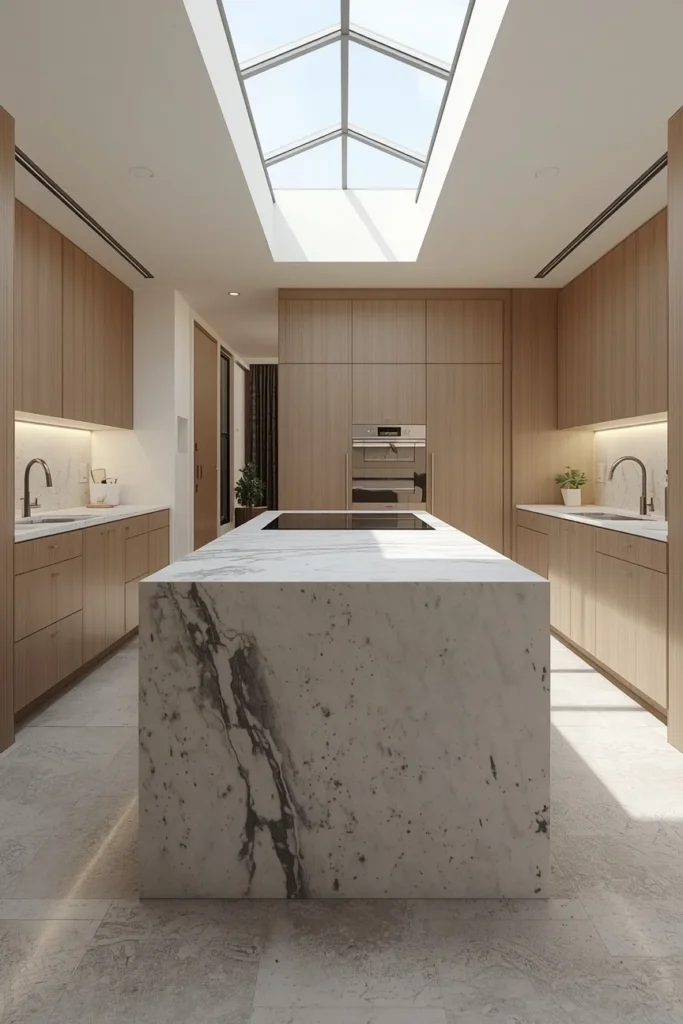
A waterfall edge, where the countertop material wraps down both sides of the island to the floor, gives a kitchen an architectural, almost sculptural presence. Combining this with an integrated cooktop directly in the slab creates a clean, uninterrupted surface with no visible seams or transitions between cooking and prep space. This works best with a durable engineered stone or natural quartzite, since the material needs to handle both heat near the cooktop and daily wear along the waterfall edges. A single-level design keeps the whole surface usable for prep, cooking, and casual seating on the opposite side. It’s a striking look, but it also genuinely maximizes how much you can do on one continuous plane.
8. Open-End Shelving for Everyday Display
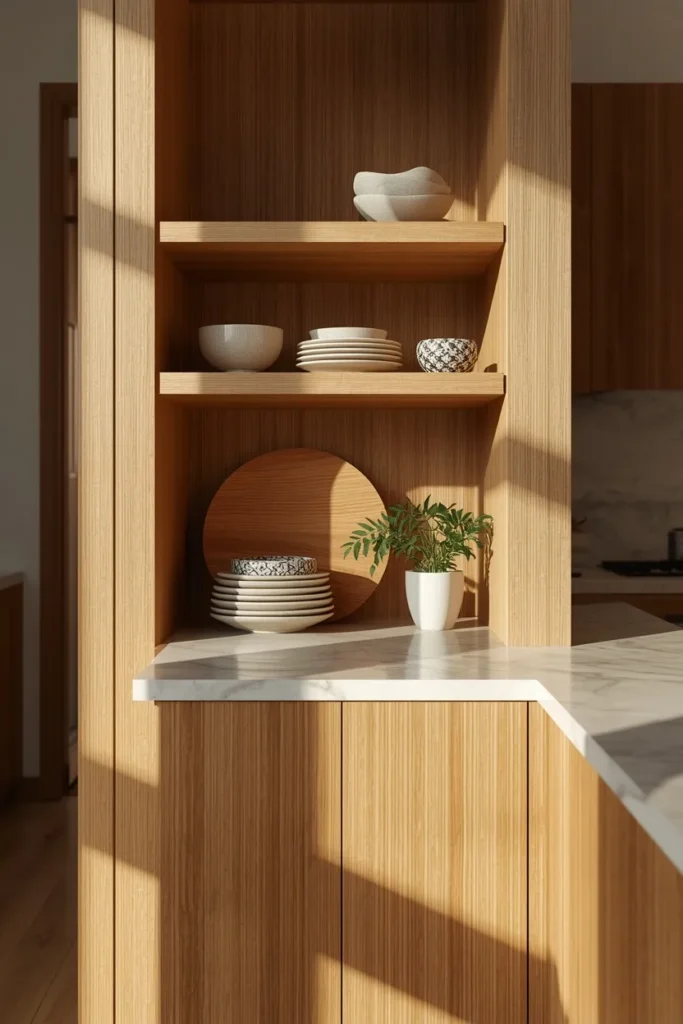
Instead of closing off both ends of the island with cabinetry, leave one end open with a few floating shelves. This gives you a spot to display cookbooks, everyday dishware, or a small plant without needing to open a cabinet door, and it breaks up what can otherwise be a solid, heavy-looking block of storage. Open shelving on an island end also makes items genuinely more accessible during cooking, since you can grab a bowl or a cutting board without bending down to a lower cabinet. Style the shelves with a mix of heights — a stack of bowls, a cutting board propped on its side, a small plant — so it reads as curated rather than just storage. This is one of the easiest ways to add personality to an island without touching the countertop at all.
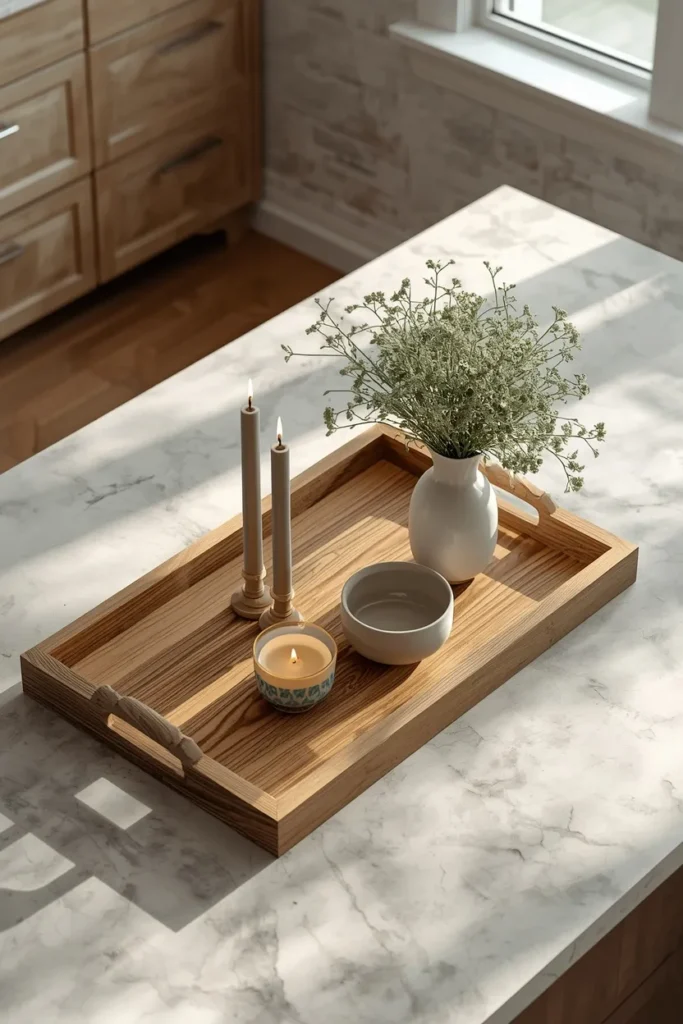
9. A Curated Wood Tray Centerpiece
A single wood tray is one of the simplest ways to make an island look styled instead of scattered. Group two or three items inside the tray boundary — a candle, a small vase with greenery, a decorative bowl — and everything reads as one intentional display rather than random clutter. The tray also acts as a visual boundary, so the rest of the countertop stays clear and usable for actual prep work. Wood grounds the look and pairs naturally with stone countertops or stainless appliances, warming up materials that can otherwise feel a little cold. Because the whole thing lives inside one tray, it’s also easy to lift and move out of the way in seconds when you actually need the counter space.
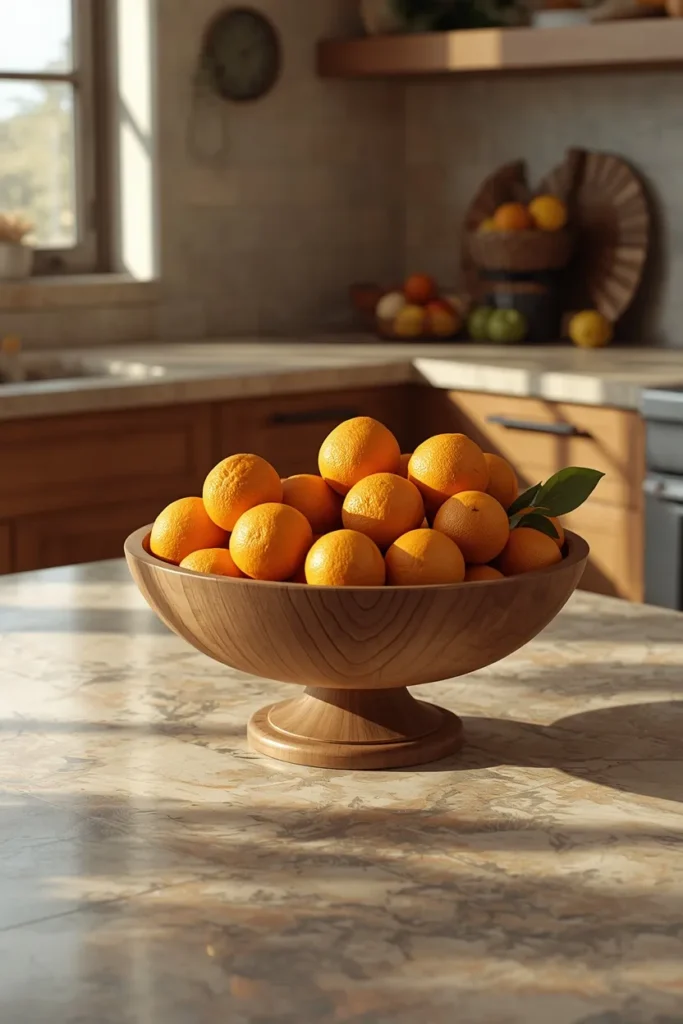
10. A Rotating Seasonal Fruit Bowl
A simple bowl of fruit is the most classic island centerpiece for a reason: it’s decorative, it’s useful, and it changes naturally with the seasons without any extra effort. Citrus in the winter, stone fruit in summer, apples and pears in fall — the bowl itself stays the same, but the color and mood shift throughout the year automatically. Choose a bowl material, like turned wood, ceramic, or hammered metal, that complements your countertop so it doesn’t compete with the surface underneath. This idea earns its spot on the island because it never feels purely decorative; it gets used, refilled, and genuinely encourages grabbing a piece of fruit instead of a packaged snack. It’s low effort, low cost, and always appropriate.
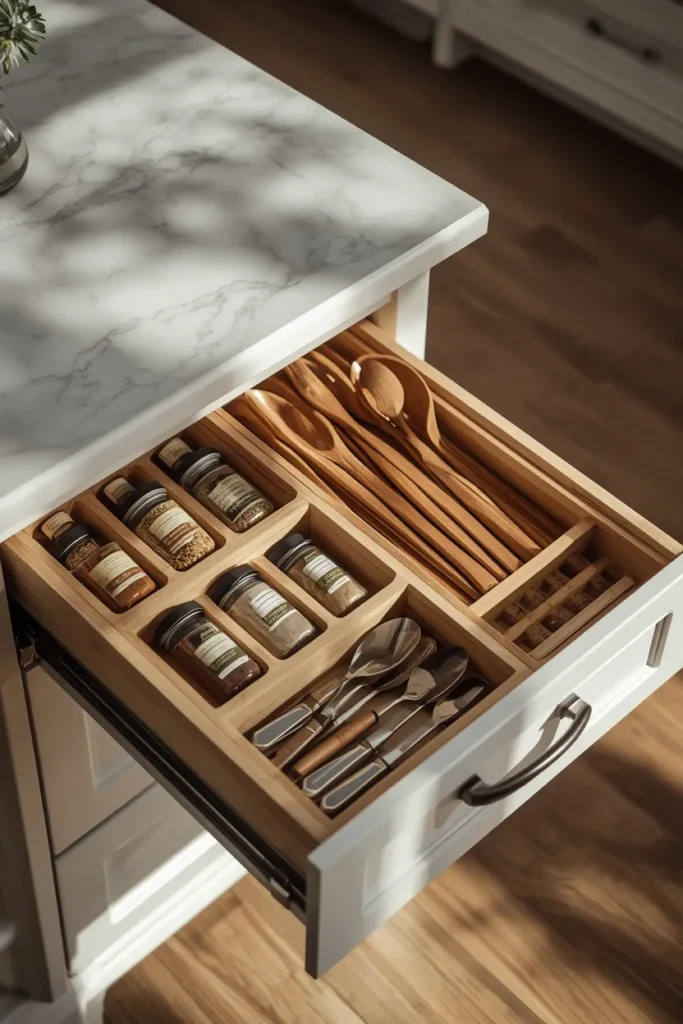
11. Deep Pull-Out Drawers for Utensils and Spices
Swapping standard cabinet doors for deep pull-out drawers on the island base changes how efficiently the whole space functions. Drawers let you see everything at once instead of digging through a dark cabinet, which matters most for frequently used items like spices, utensils, and cutting boards. A dedicated spice drawer with angled inserts keeps small jars visible and upright, while a wider utensil drawer with divider inserts keeps tools from turning into a tangled mess. This upgrade doesn’t change how the island looks from the outside at all, which makes it one of the best value-for-effort improvements on this entire list. It’s the kind of feature you don’t notice in photos but notice every single day you cook.
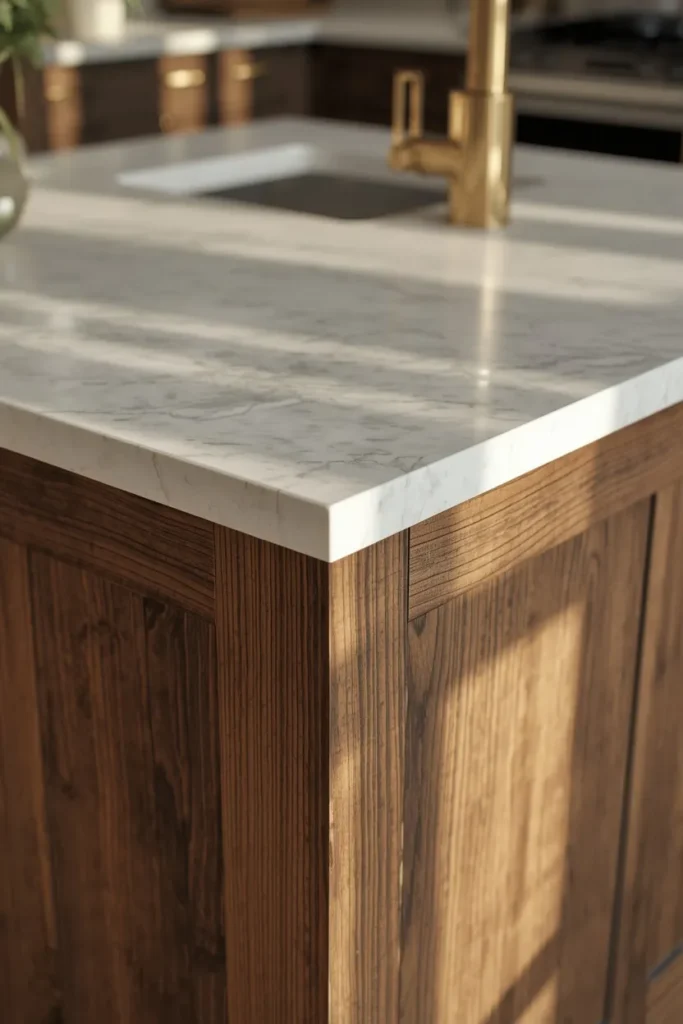
12. Mixed Materials: Stone Top, Reclaimed Wood Base
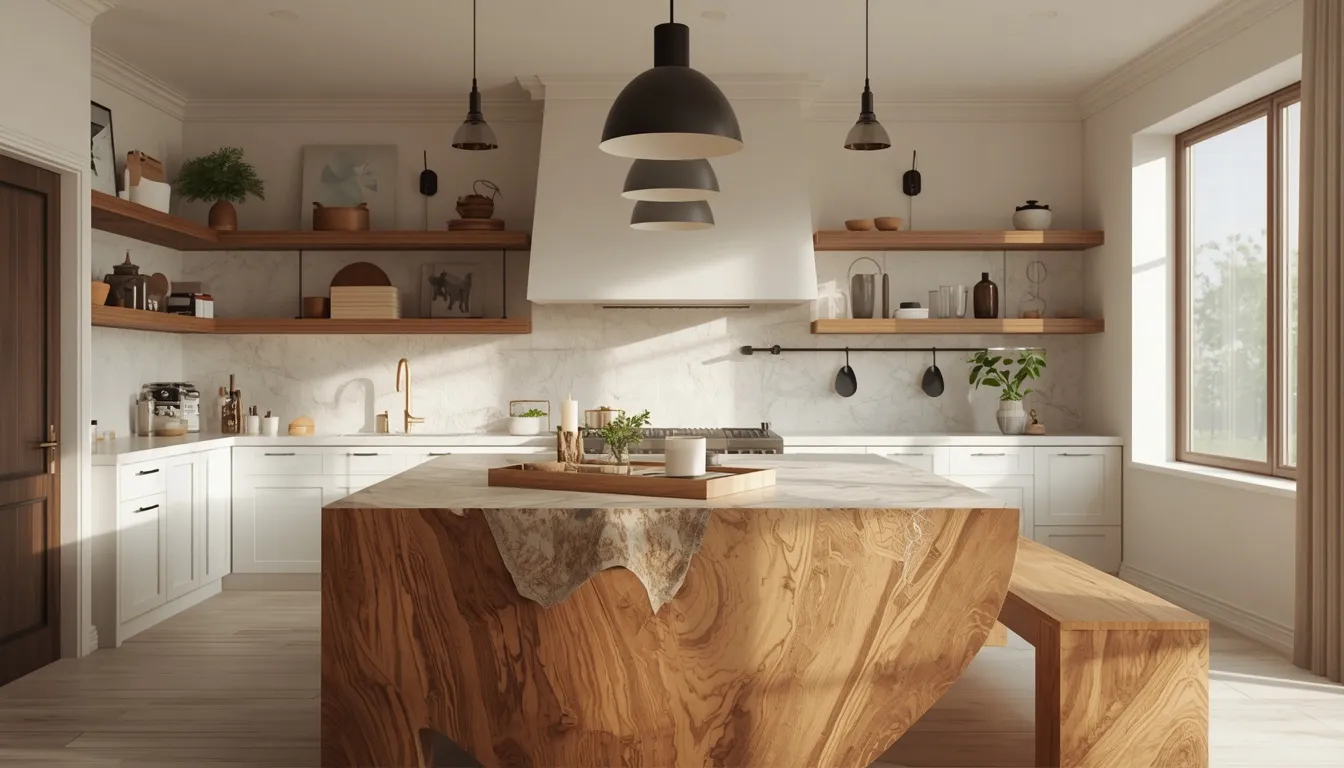
Pairing a polished stone countertop with a reclaimed or textured wood base gives an island depth without needing any bold color at all. The contrast between smooth, cool stone and warm, imperfect wood grain creates visual interest through texture rather than paint, which suits homeowners who want personality without commitment to a statement hue. This combination also grounds a kitchen that might otherwise feel too sleek or too rustic on its own, striking a middle point between modern and farmhouse styles. Choose a wood with visible grain and character, like reclaimed oak or weathered pine, so the texture actually reads from across the room. It’s a quiet way to make an island feel custom-built rather than off-the-shelf.
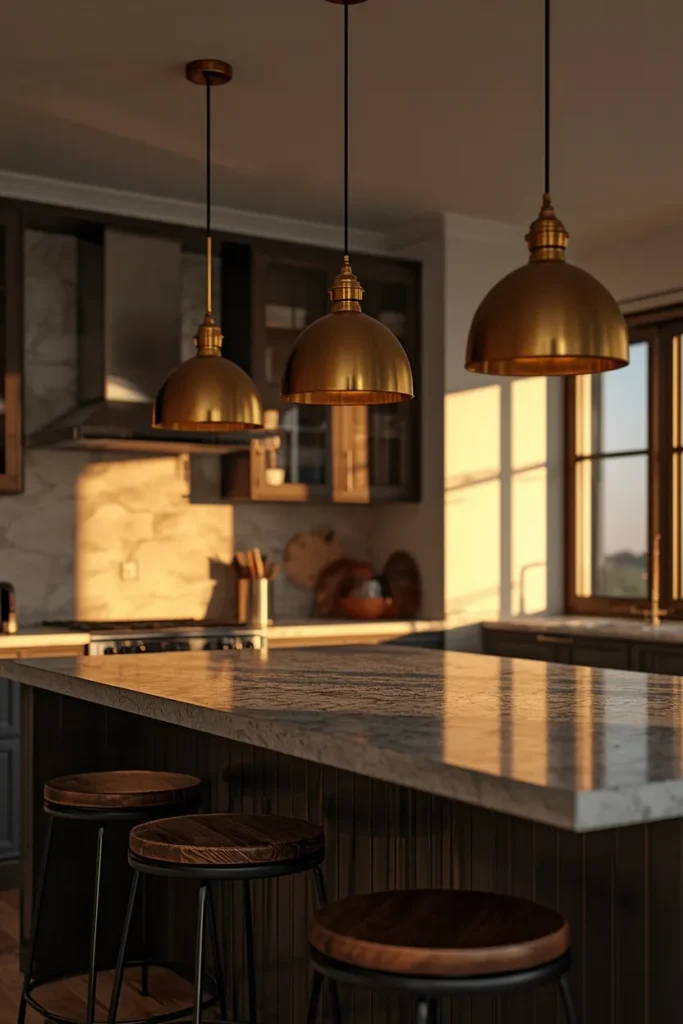
13. A Trio of Statement Pendant Lights
Lighting does as much design work as any material choice, and a trio of matching statement pendants hung in a row above the island instantly makes it feel like the anchor of the room. Aligning the pendants with the seating area below reinforces the island as a social gathering spot rather than just a prep surface. Choose a fixture with a warm metal finish, like brass or aged bronze, to add a soft glow in the evening, or a glass or ceramic shade for a lighter, more casual daytime look. Spacing matters here: three evenly spaced pendants over a long island read as considered, while uneven spacing can make the whole setup look accidental. This is a relatively simple electrical update that changes the entire mood of the kitchen at night.
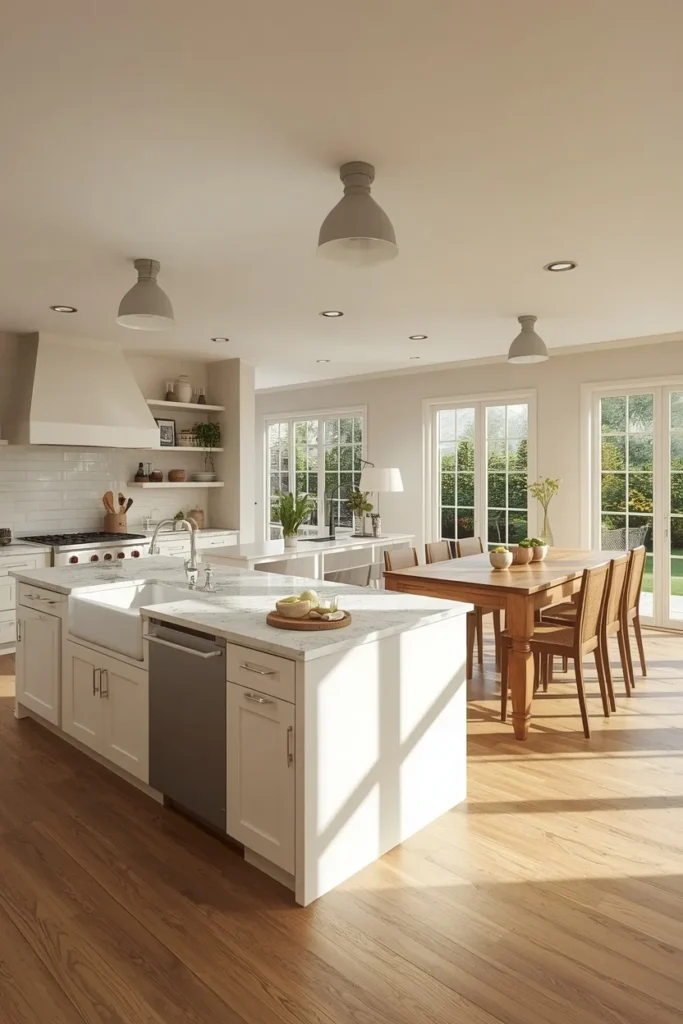
14. Double Islands for Larger Kitchens
In bigger kitchens, splitting one long island into two smaller ones creates a clear division of labor: one island handles cooking and cleanup near the sink and range, while the other becomes a dedicated seating and dining zone. This layout keeps cooks out of the way of guests during meal prep and gives everyone their own defined space instead of crowding a single surface. Double islands also allow for different materials or heights on each piece — a taller prep island paired with a lower, more casual dining-height island, for example. This setup only makes sense in kitchens with generous square footage, since narrowing walkways to fit two islands defeats the purpose entirely. When there’s room for it, though, it’s one of the most genuinely functional layout changes a kitchen can make.
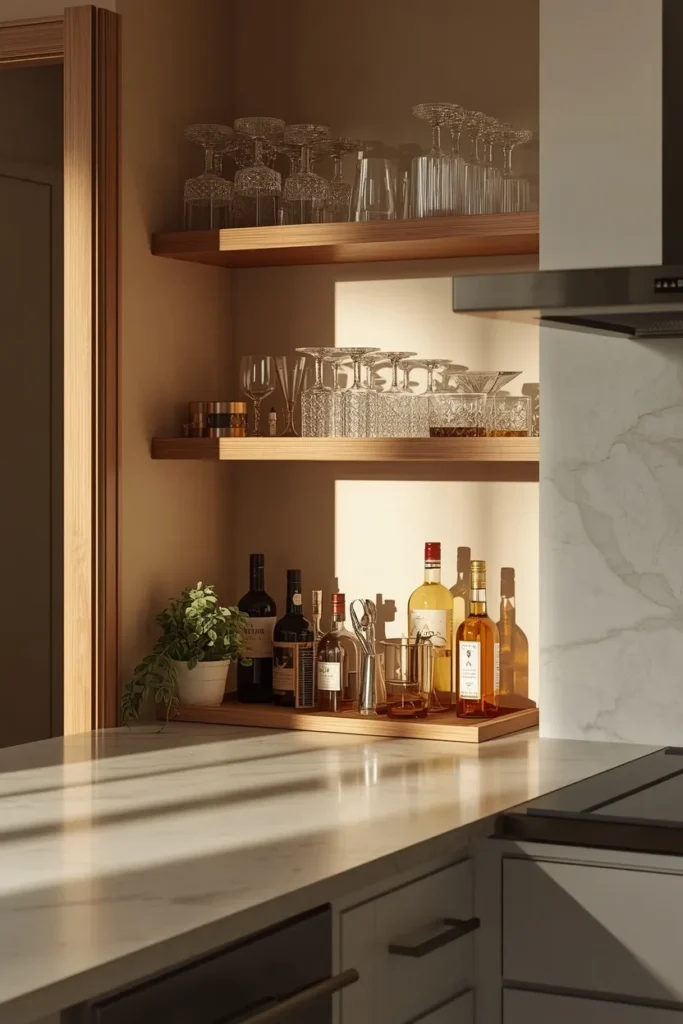
15. An Open Shelf Bar Nook with Glassware
Dedicating a small open shelf section of the island to glassware and bar essentials turns it into a self-serve drink station during gatherings. Stack glasses by type, keep a few bottles of spirits or mixers within reach, and add a small tray for coasters or bar tools so everything stays contained. This works particularly well on an island end that already faces into the living or dining area, since guests can grab a drink without crossing into the working part of the kitchen. A short row of hooks underneath the shelf can hold mugs or stemware for even more usable storage in a small footprint. It’s a small dedicated zone that pays off every time you host.
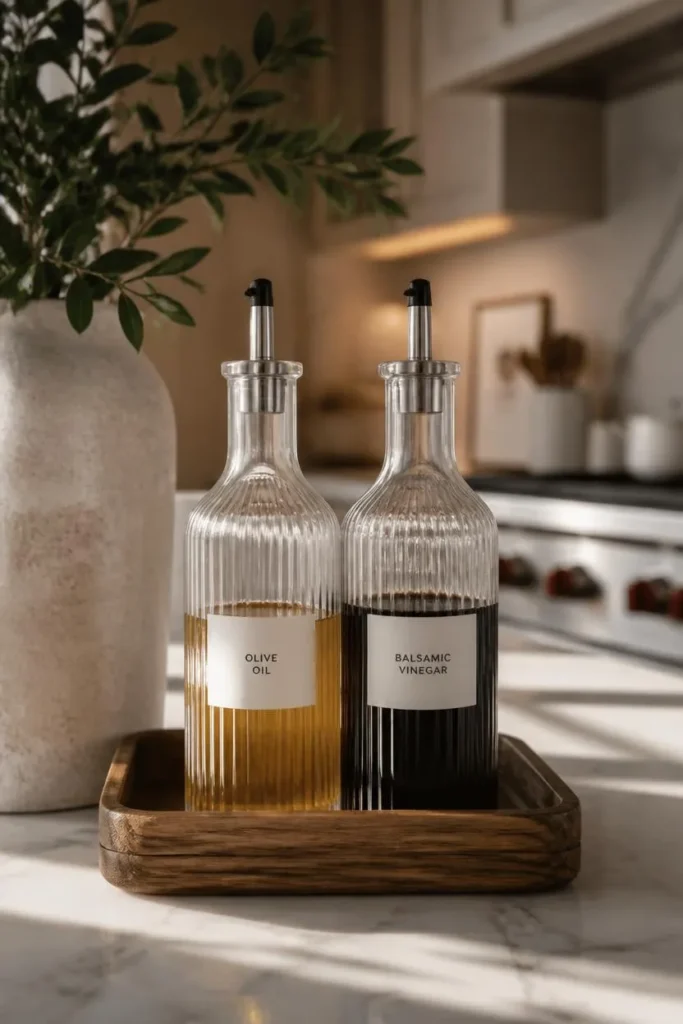
16. Decanted Pantry Staples on a Uniform Tray
Loose bottles of oil, vinegar, and other everyday cooking staples can make an island look cluttered fast, mostly because of mismatched labels and bottle shapes. Decanting these into a set of matching glass or ceramic containers and grouping them on a small tray solves the clutter problem while keeping the items just as accessible as before. This idea works especially well near a stove-adjacent island, where oils and seasonings get used constantly during cooking. Choose containers with pour spouts so the swap doesn’t add any extra friction to actually cooking. It’s a small styling change that makes a well-used island look considered instead of chaotic.
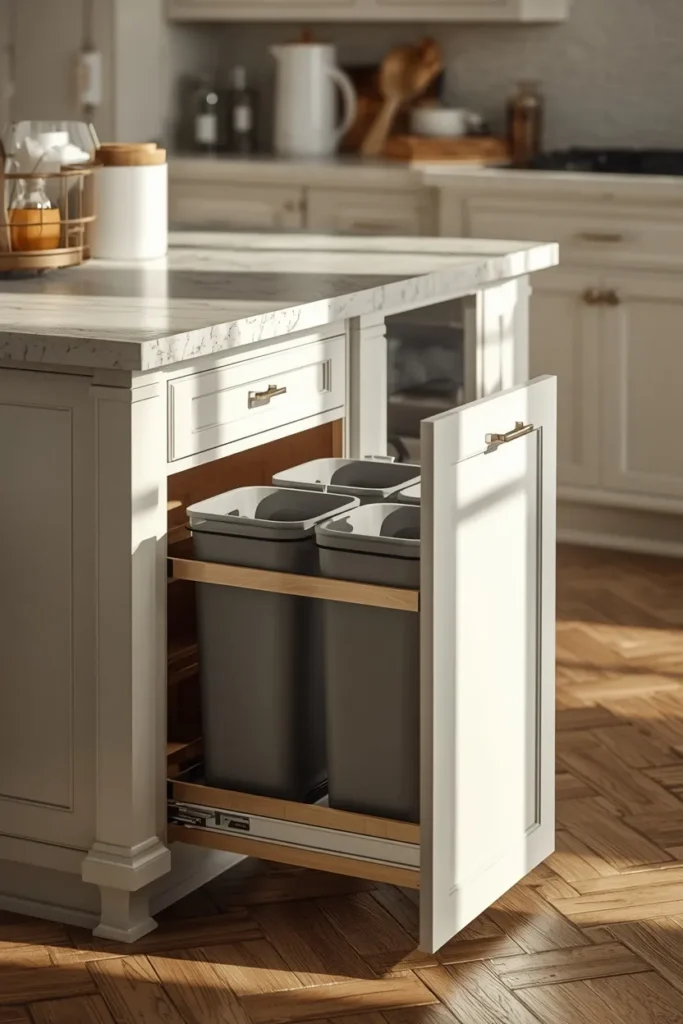
17. A Built-In Trash and Recycling Pull-Out
Hiding trash and recycling bins inside a pull-out cabinet on the island base is one of the least glamorous upgrades on this list and also one of the most genuinely useful. Positioning it near the prep zone means scraps go straight into the bin without a walk across the kitchen, and closing it up between uses keeps both the smell and the sight of it out of the room entirely. Choose a pull-out with separate compartments for trash, recycling, and compost if your routine calls for it, since sorting becomes automatic rather than an extra step. This feature never shows up in a finished photo, but it’s often the single most-used mechanism in the entire kitchen. Function this quiet is exactly what makes an island feel truly livable.
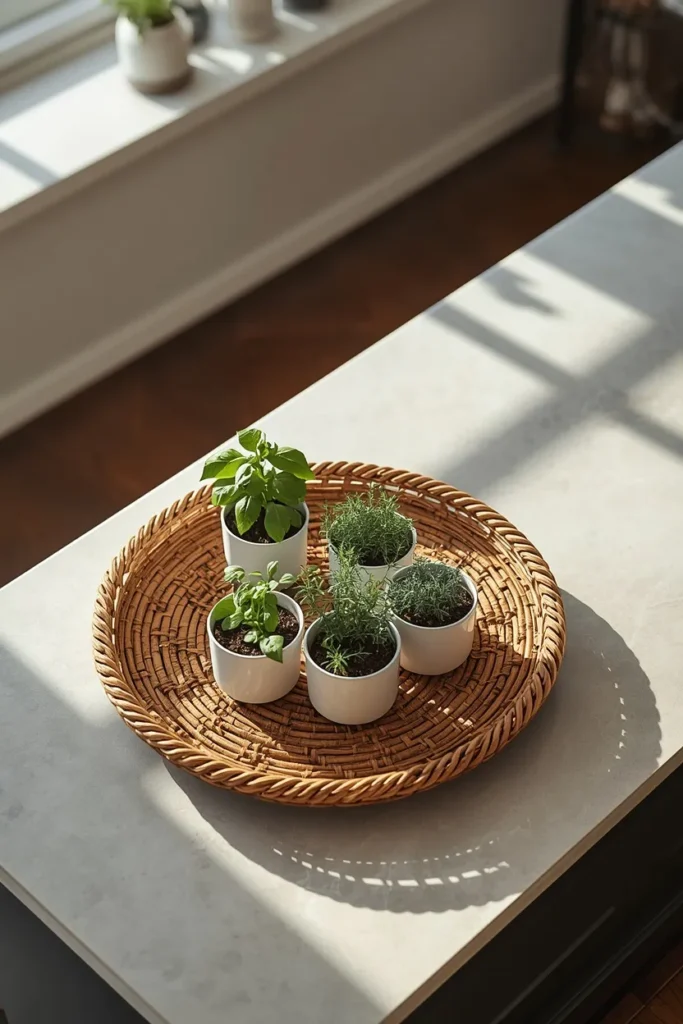
18. A Woven Tray with Potted Herbs
A woven rattan or water hyacinth tray holding a few small pots of basil, thyme, or rosemary turns the island into a mini herb garden that’s actually useful while cooking. The natural texture of the tray softens whatever countertop material sits beneath it, and the herbs bring in fresh scent and color without any artificial decor. Keep the pots small enough that they don’t shade each other out, and place the tray near a window if the island gets any direct light during the day. This idea works especially well for anyone who cooks often and wants fresh herbs within arm’s reach instead of buried in the fridge. It’s functional decor in the truest sense: pretty to look at, and genuinely useful at dinner time.
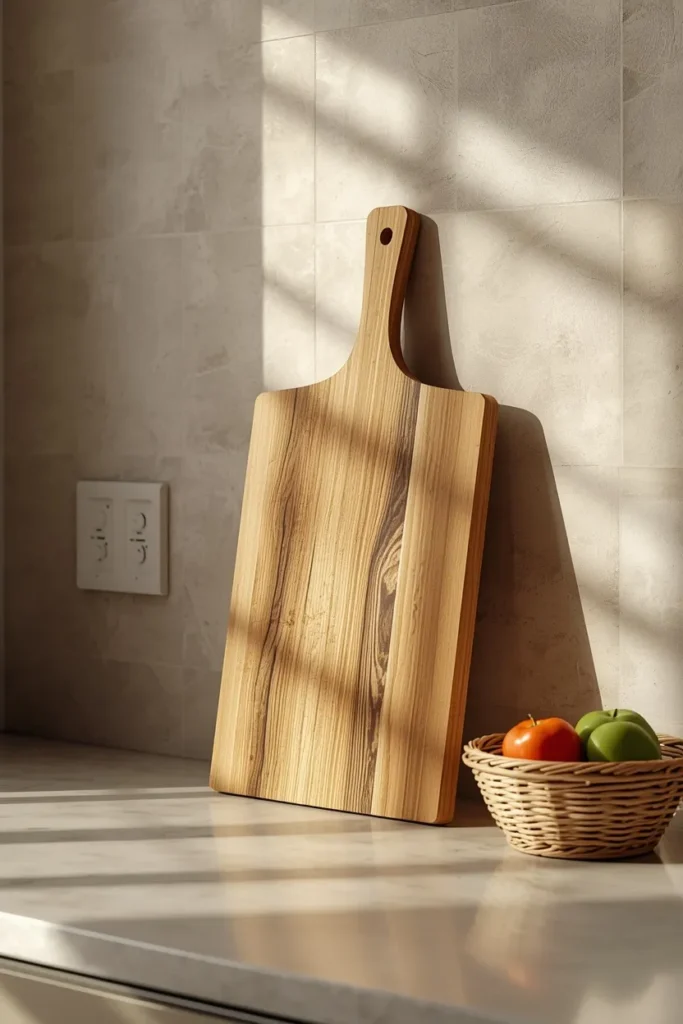
19. A Leaning Cutting Board Display
Instead of stashing cutting boards flat in a drawer, prop one or two attractive wood boards against the backsplash or a nearby wall on the island. This keeps them within immediate reach for quick prep or serving, and a good-looking board with visible grain doubles as a piece of decor when it’s not in active use. A personalized or engraved board adds a custom touch that feels a little more special than a plain one. When guests are over, the same board can be pulled forward and used as a charcuterie or serving surface without any extra setup. It’s a two-in-one piece: storage solution and styling detail at the same time.
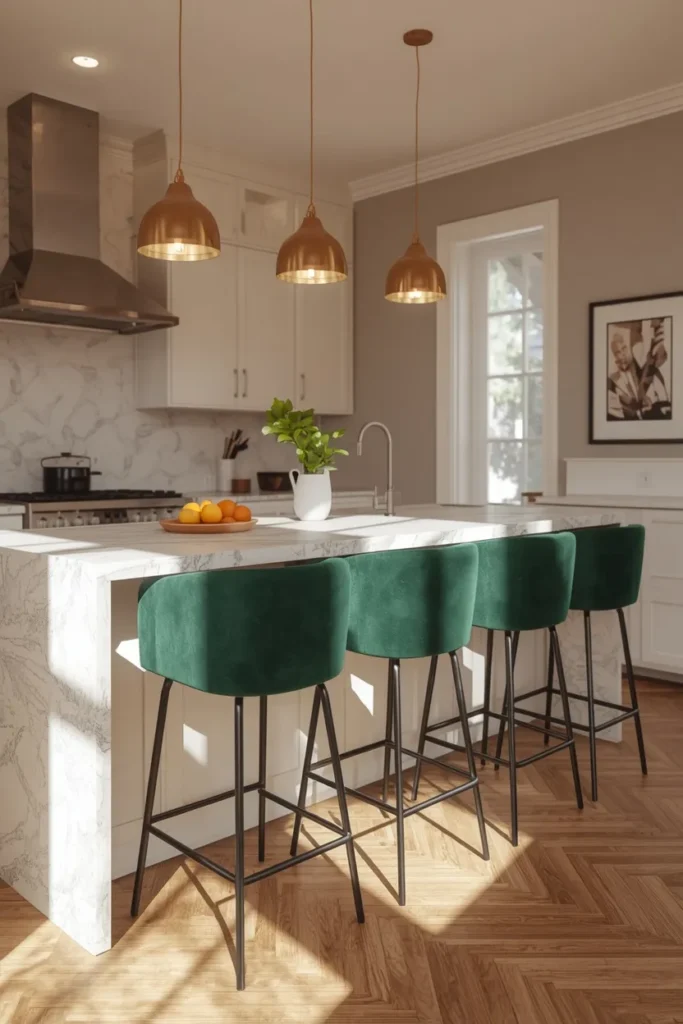
20. Colorful Stools Against a Neutral Island
If the island itself stays a safe, neutral color, the bar stools become the perfect low-commitment place to introduce personality. A row of stools in a rich color — deep green, mustard, or terracotta — adds warmth and character without requiring any painting or renovation at all. This approach also makes future changes easy, since swapping out stools is far simpler than repainting cabinetry if your taste shifts. Choose a consistent stool style across the row so the color reads as one cohesive statement rather than mismatched furniture. It’s one of the fastest, least expensive ways to make a plain island feel considered and current.
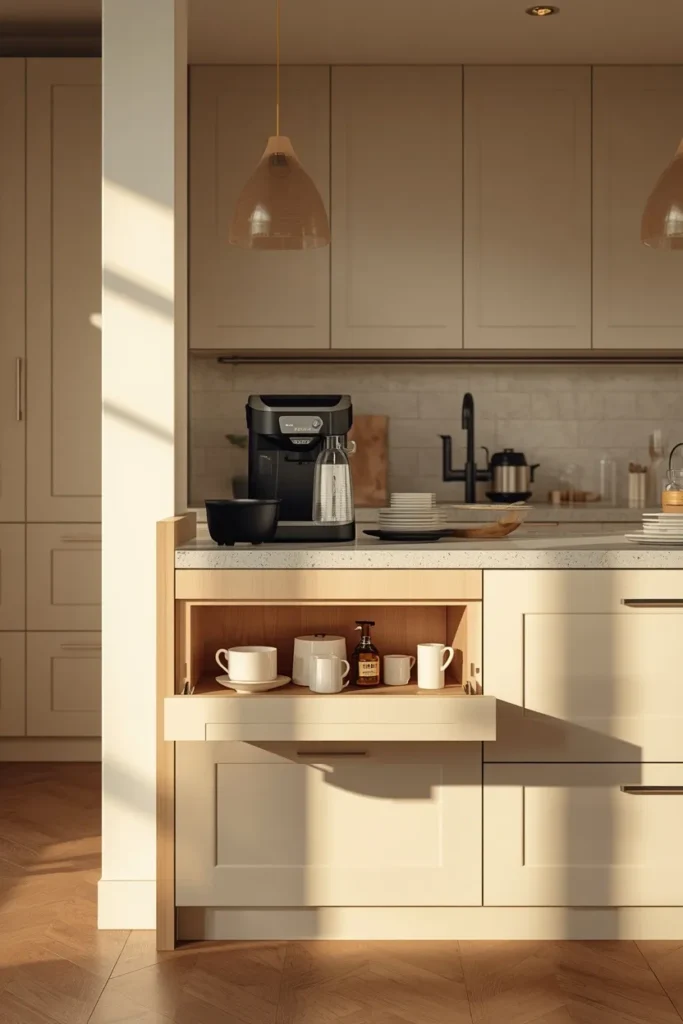
21. An Appliance Garage on the Island End
Small appliances like a coffee maker, toaster, or stand mixer take up valuable counter space and rarely look great sitting out permanently. Building an appliance garage into one end of the island, with a retractable or lift-up door, keeps these tools plugged in and ready to use while hiding them completely when not needed. This works especially well for a coffee station, since the appliance, mugs, and supplies can all live in the same enclosed nook instead of scattered across the counter. It’s a feature that photographs as a clean, uninterrupted surface while still solving one of the most common everyday clutter problems in any kitchen. The garage door can match the surrounding cabinetry exactly, so it blends in until the moment it’s needed.
22. A Seasonal Vase Rotation System
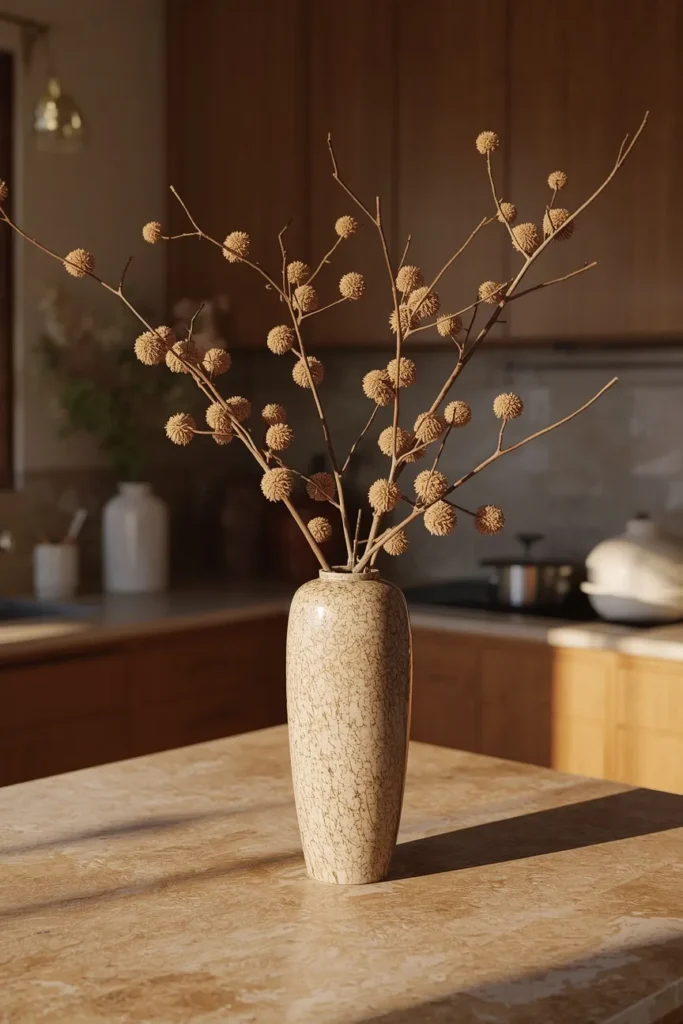
Keeping two or three simple vases in different heights on hand makes it easy to refresh the island’s look throughout the year without buying new decor every season. A tall vase with bare branches in winter, a shorter one with tulips in spring, a demijohn with dried grasses in fall — the vessels stay the same, only what’s inside changes. This approach costs almost nothing after the initial vase purchase and takes just a few minutes to swap out. Taller vases work well with sparse, dramatic stems, while shorter ones suit fuller, rounder arrangements, so having a couple of different heights on rotation covers most seasonal looks. It’s a simple system that keeps the island feeling current without any real effort or expense.
Styling Tips
Stick to two or three items per vignette instead of filling every inch of open counter space, since an island still needs to function as a workspace day to day. Keep one consistent metal finish across hardware, lighting, and any decorative trays so the whole space feels tied together rather than assembled piece by piece. If your island already has a strong pendant light or a bold countertop pattern, let the centerpiece stay simple so nothing competes for attention.
Practical Implementation Ideas
Before committing to any structural change, like seating or a pull-out drawer system, measure your walkway clearance on all sides of the island to make sure it still allows comfortable movement. Test decor groupings on a tray first so you can rearrange freely before deciding on a final look. If you’re decorating around a sink or cooktop built into the island, shift any centerpiece decor to the opposite end so it never interferes with actual use.
Common Mistakes to Avoid
Overloading the island with too many decorative objects is the fastest way to make a functional surface feel unusable, since there’s no clear space left for prep or serving. Choosing decor that’s too short to be seen over appliances or a raised sink can also get lost visually. Mismatched bottle shapes and cluttered everyday items sitting out in the open are one of the most common things that make an otherwise well-designed island look messy in photos.
Small-Space Alternatives
In compact kitchens, choose one tall, simple item, like a single vase or sculptural object, instead of a full tray arrangement that eats up needed counter space. A narrow floating shelf on one end can replace a full storage upgrade while still adding function and personality. Stick to a single color story so a small island reads as intentional rather than crowded.
Budget-Friendly Alternatives
A simple wood or metal tray costs very little and instantly organizes everyday clutter into one cohesive display. Decanting existing pantry staples into a few matching containers you already own is a free or nearly free way to clean up a busy island. Swapping just the bar stools for a more colorful or textured option is far less expensive than any structural renovation and still makes a noticeable difference.
Pro Styling Recommendations
Anchor every island vignette with one item taller than the rest so the eye has a clear focal point instead of a flat, even arrangement. Rotate centerpieces seasonally rather than buying entirely new decor, since swapping what’s inside a vase or bowl is enough to keep the look current. When adding function, like drawers or an appliance garage, match the cabinetry finish exactly so the upgrade disappears until it’s actually needed.
FAQs
Conclusion
The best kitchen islands aren’t the ones that look the most staged — they’re the ones that quietly solve problems you didn’t realize you had, while still looking pulled together every day. Pick a couple of ideas from this list that match how you actually use your kitchen, whether that’s a hidden charging drawer for a busy household or a simple tray centerpiece you can restyle by the season. Small changes add up, and an island that works this hard deserves decor that keeps up with it.