23 Classic Christmas Tree Ideas That Never Go Out of Style
Trends come and go — tinsel trees, upside-down trees, one particular shade of blush pink that had a moment a few years back. But some Christmas trees just work, year after year, no matter what’s currently trending on your feed. Those are the trees this list is about.
Below are 23 classic Christmas tree ideas that have stayed beautiful for decades, organized by style so you can find the one that actually fits your home — traditional red and gold, vintage-inspired, elegant white and silver, cozy natural, and a few timeless regional and cultural variations that deserve more attention than they usually get. Each idea comes with the specific styling logic behind it, not just a photo to admire, because the difference between a tree that looks professionally done and one that looks slightly off almost always comes down to technique, not budget.
Whether you’re starting from scratch this year or want to give your usual tree a more polished, intentional feel, there’s a classic look here worth stealing.
Table of Contents
23 Classic Christmas Tree Ideas
Traditional Red, Green & Gold
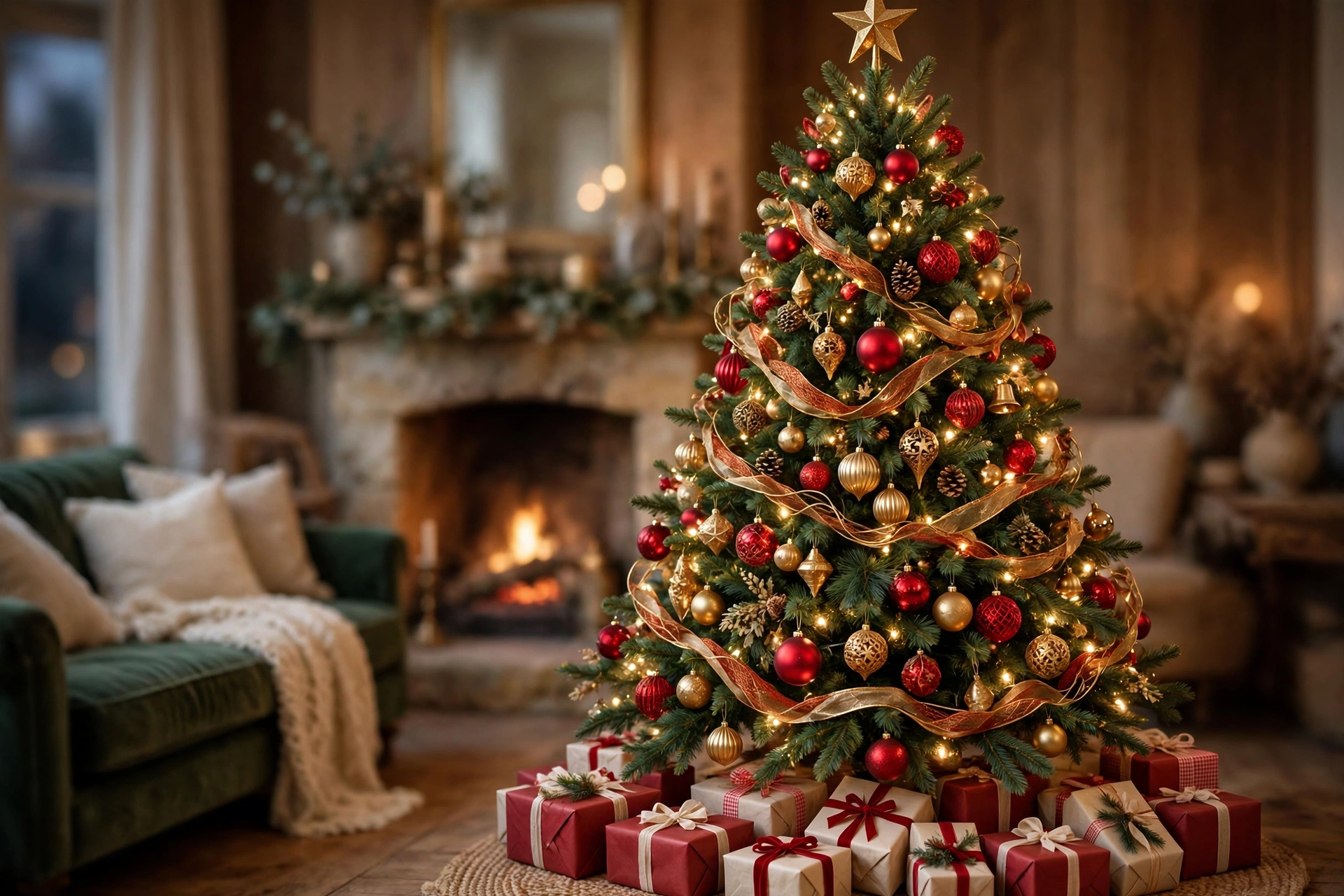
1. The Classic Red & Gold Tree
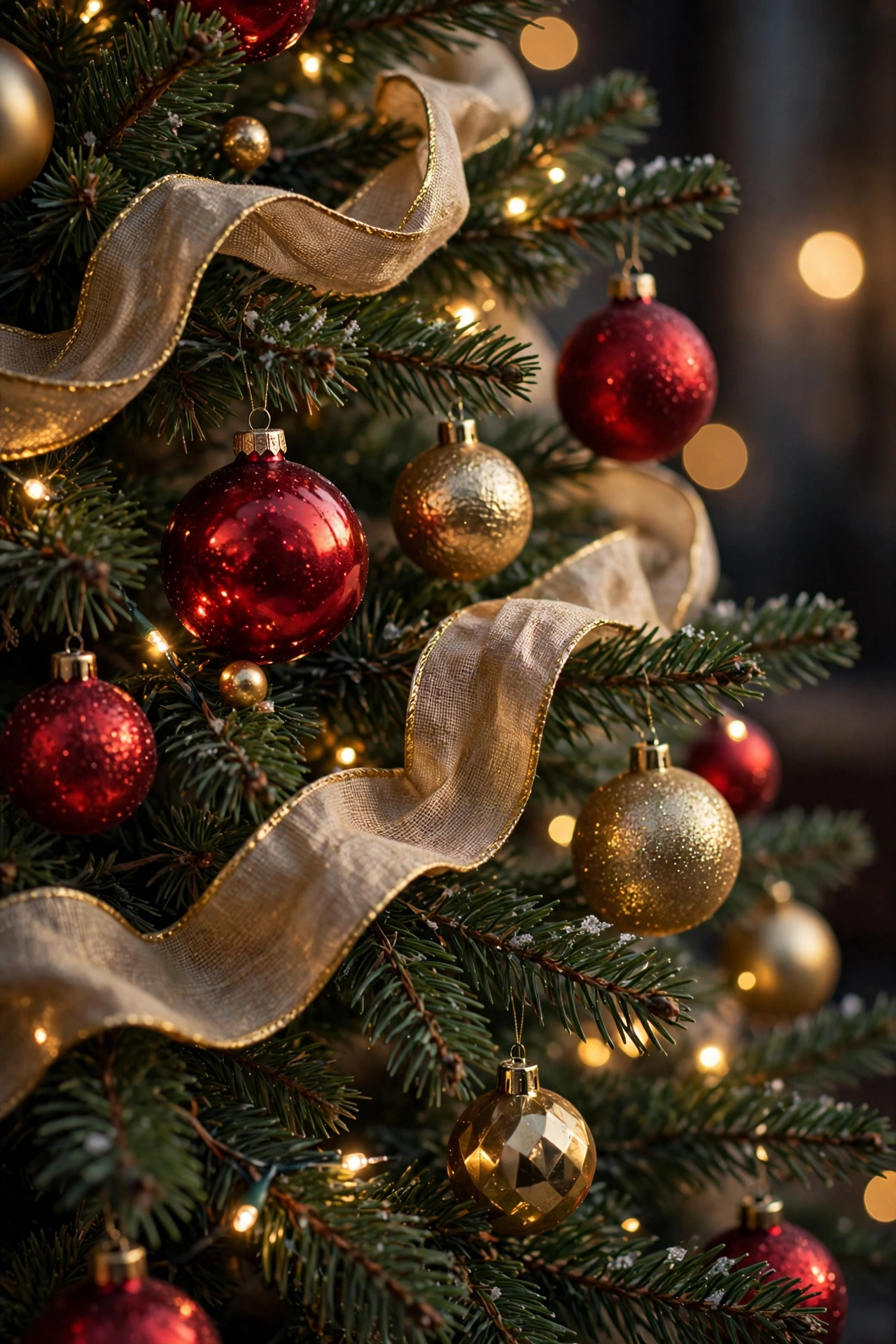
This is the tree most people picture when they think “Christmas” — deep red ornaments mixed with gold accents against rich green branches, warm white lights woven throughout, and a gold star or bow topper. What keeps this look from feeling generic is variety in ornament shape and finish: mix matte and glossy baubles, add a few textured pieces like fabric or glitter-dusted ornaments, and avoid using all one size. Swag a wide wired ribbon loosely through the branches rather than wrapping it tightly around the tree, since a looser drape reads as more elegant and less like a craft project. This combination has genuinely never gone out of style because it’s rooted in the colors of the season itself, not a passing aesthetic.
2. The Vintage Santa & Toy Tree
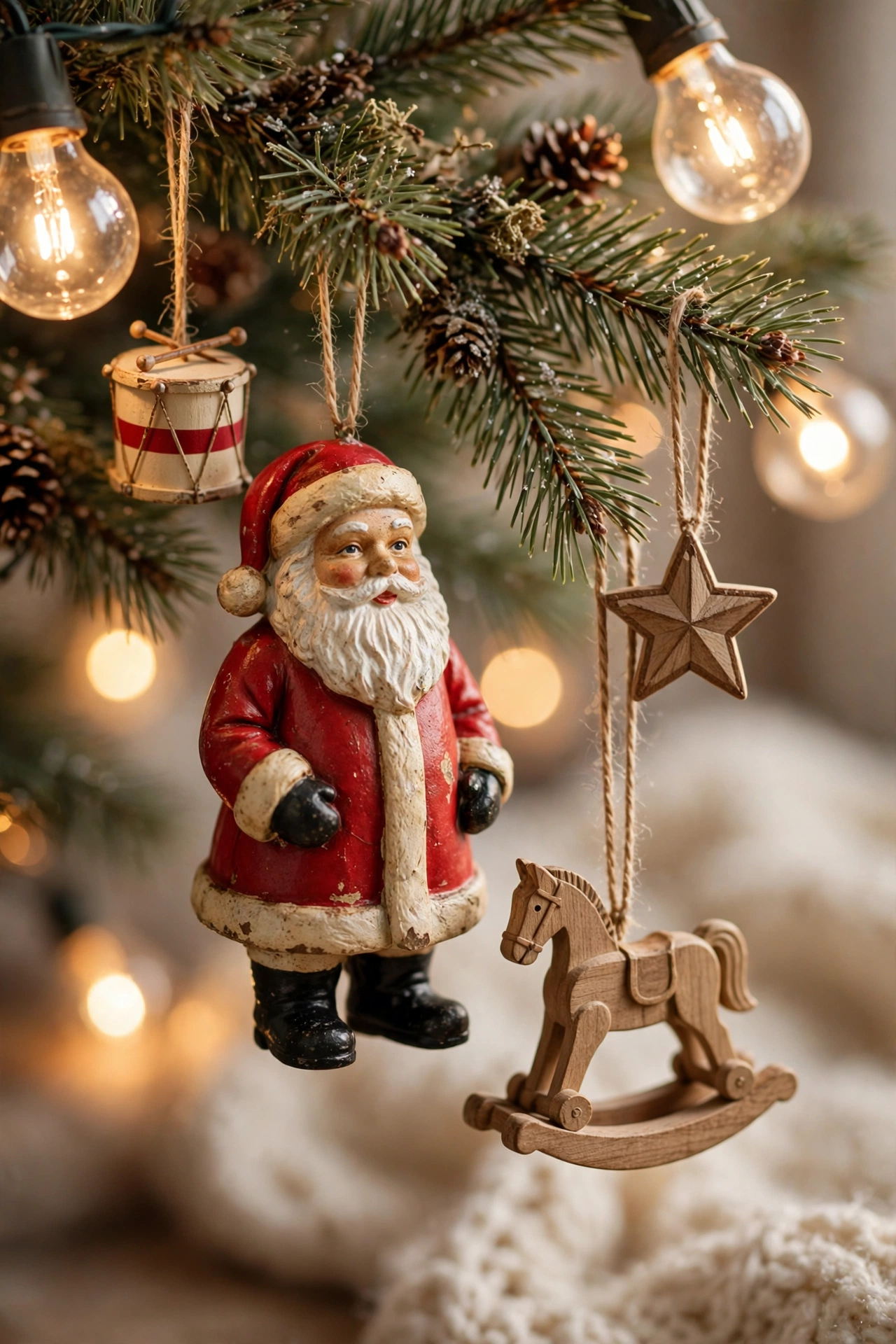
Built around nostalgic figural ornaments — vintage-style Santas, small wooden toys, spinning tops, and old-fashioned tin soldiers — this tree leans hard into childhood memory and old-world charm. The key to making this look feel intentional rather than cluttered is restraint with color: keep the palette to red, cream, and natural wood tones so the varied ornament shapes don’t compete visually. Add a strand of large, old-fashioned C7 bulb lights instead of tiny modern LEDs, since the bigger, warmer glow matches the vintage tone of the ornaments themselves. This tree tends to be a favorite for families who’ve collected ornaments over many years, since each piece can carry its own story.
3. The Fully Layered Traditional Tree
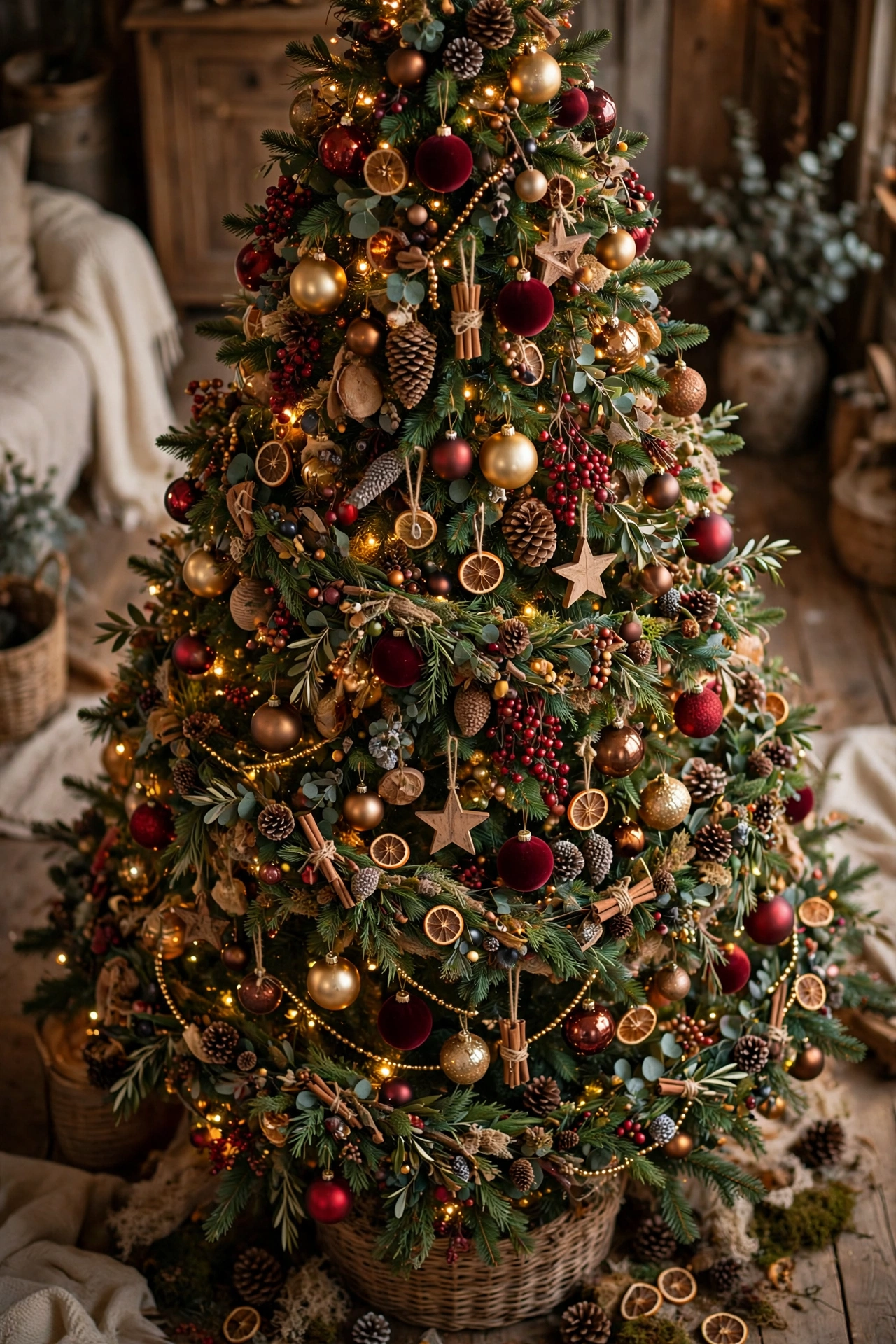
This is the most ornament-dense look on the list, built by layering large ornaments deep near the trunk, medium ornaments through the middle branches, and small, delicate pieces near the tips. The layering is what creates the “collected over many years” look that reads as expensive and considered, rather than a tree decorated in one afternoon from a single box of matching ornaments. Add a swagged garland underneath the ornament layer, before the ornaments go on, so the garland doesn’t sit flat against the branches but instead has real dimension beneath everything else. This style works especially well on a large, full tree with plenty of branch space to hold the volume of pieces.
4. The Candy Cane & Peppermint Tree
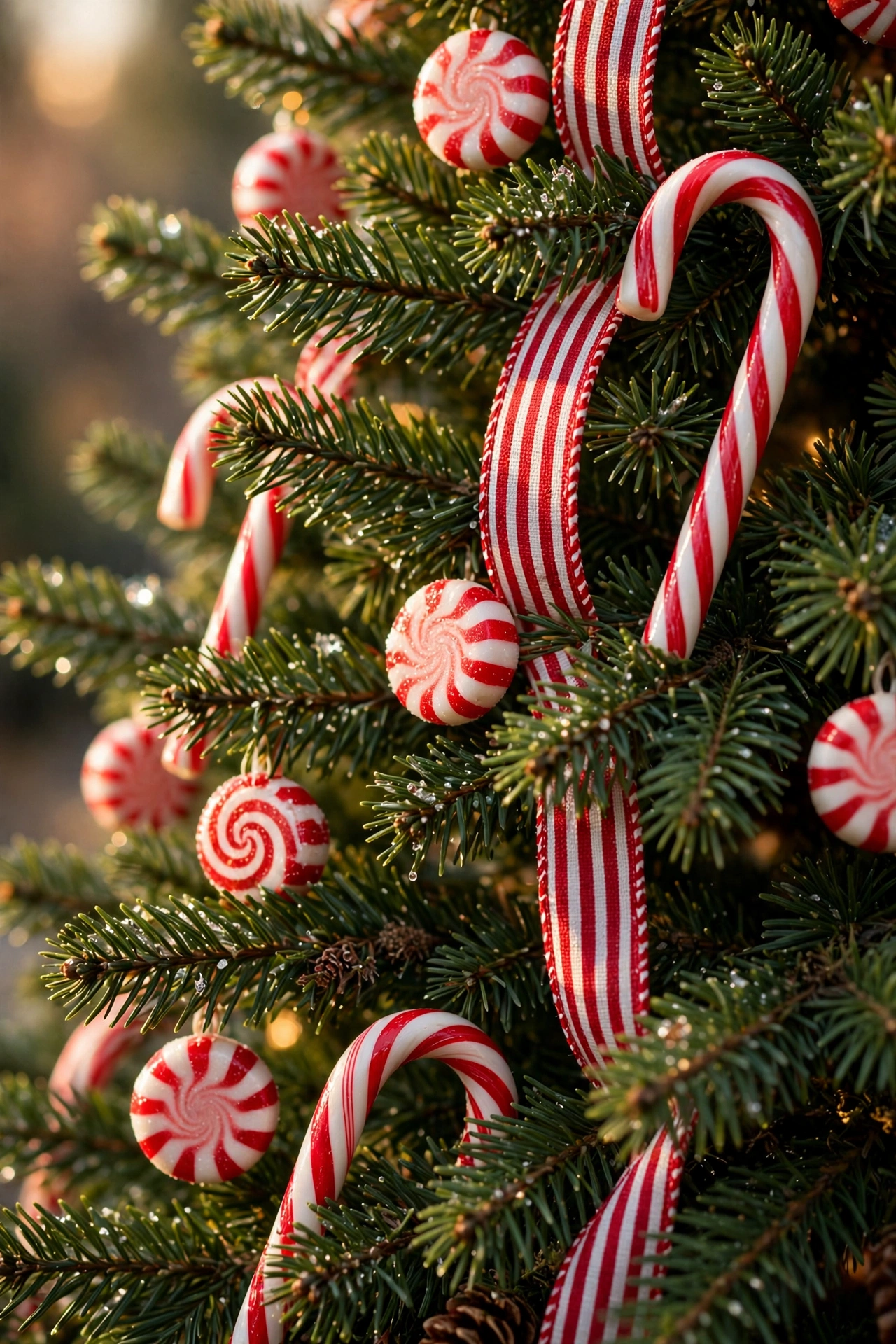
A cheerful, family-friendly classic built around red and white stripes, peppermint-shaped ornaments, and real or faux candy canes tucked into the branches. This look works because the palette is genuinely limited to just two colors, which keeps a tree full of playful shapes from feeling chaotic. Add a red-and-white striped ribbon woven vertically rather than horizontally through the tree for a candy-cane-swirl effect that ties the whole theme together. This is a strong choice for a tree in a family or kids’ space, since the theme is easy for children to help decorate without needing to match a complicated color scheme.
Related: 15 DIY Gingerbread Christmas Tree Ideas to Try This Year
Vintage & Nostalgic
5. The Mercury Glass Tree
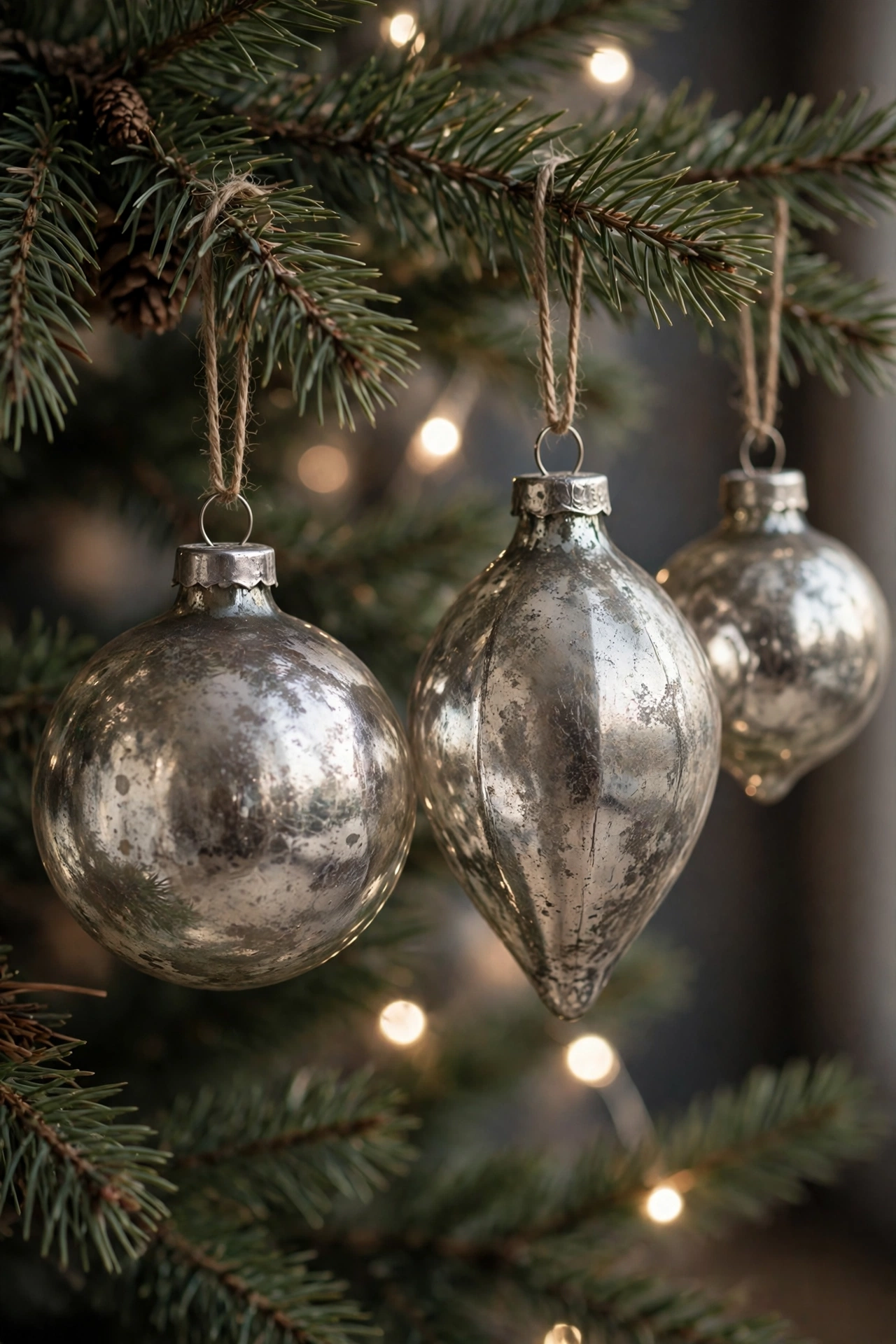
Mercury glass ornaments — with their slightly imperfect, antiqued silver finish — bring an old-world elegance that modern glossy ornaments simply can’t replicate. Pair them with warm white lights rather than cool white, since warm light brings out the soft glow of the glass in a way cool light flattens. Keep the rest of the tree simple, with minimal ribbon or garland, so the ornaments themselves stay the clear focal point against the green branches. This look works beautifully on its own or layered into a broader vintage theme with other antique-style pieces.
6. The Beaded Garland Tree
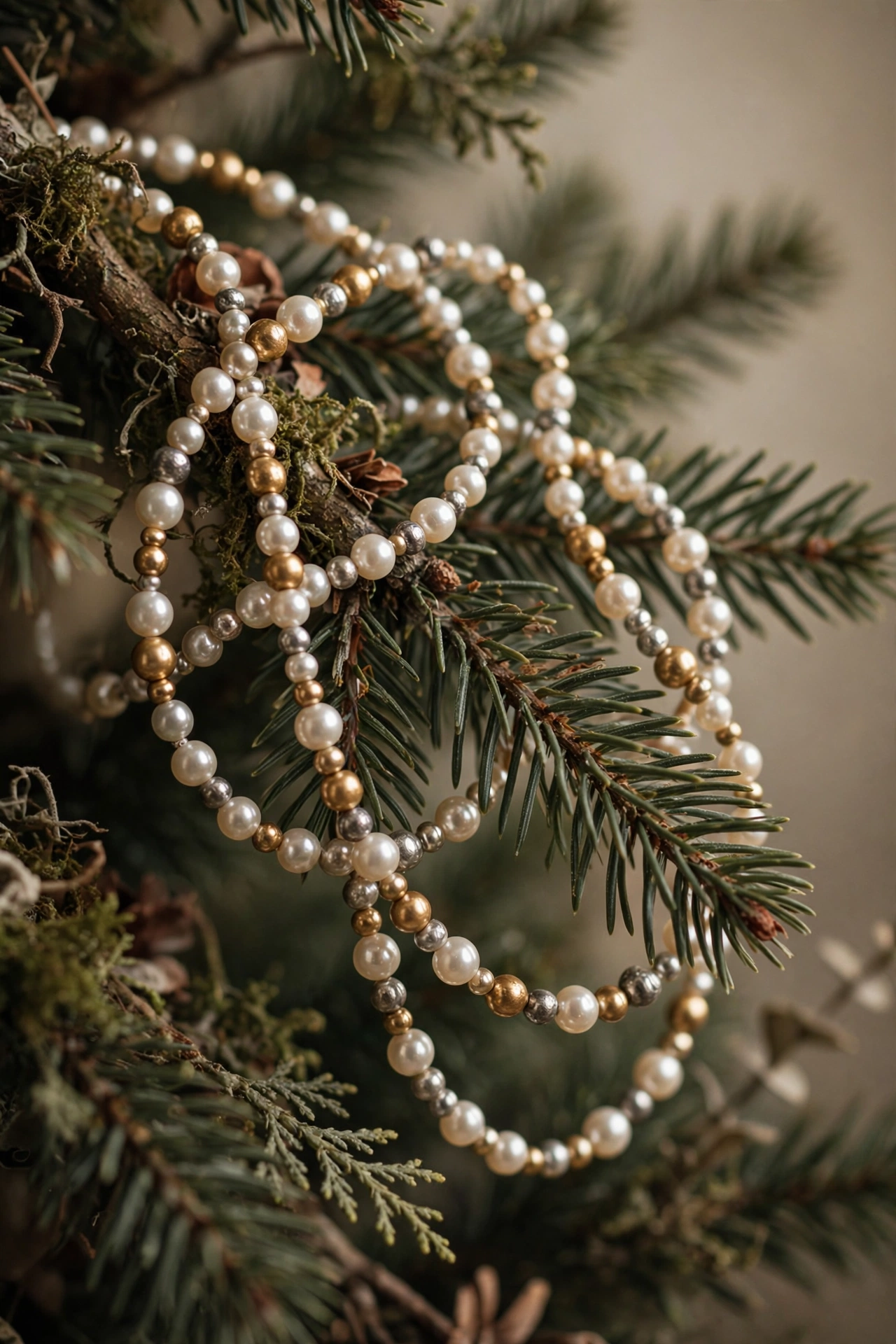
Long strands of glass or faux pearl beaded garland, draped in soft loops rather than pulled tight, add a delicate, old-fashioned texture that most modern trees skip entirely. Choose silver or gold beading to coordinate with your ornament finishes, and let the loops vary slightly in depth as you drape them, since perfectly even loops can look stiff rather than natural. This detail alone can transform a plain ornament scheme into something that feels noticeably more finished and intentional. It’s also one of the easiest additions on this list, requiring no new ornaments — just the garland itself.
7. The Heirloom Ornament Tree
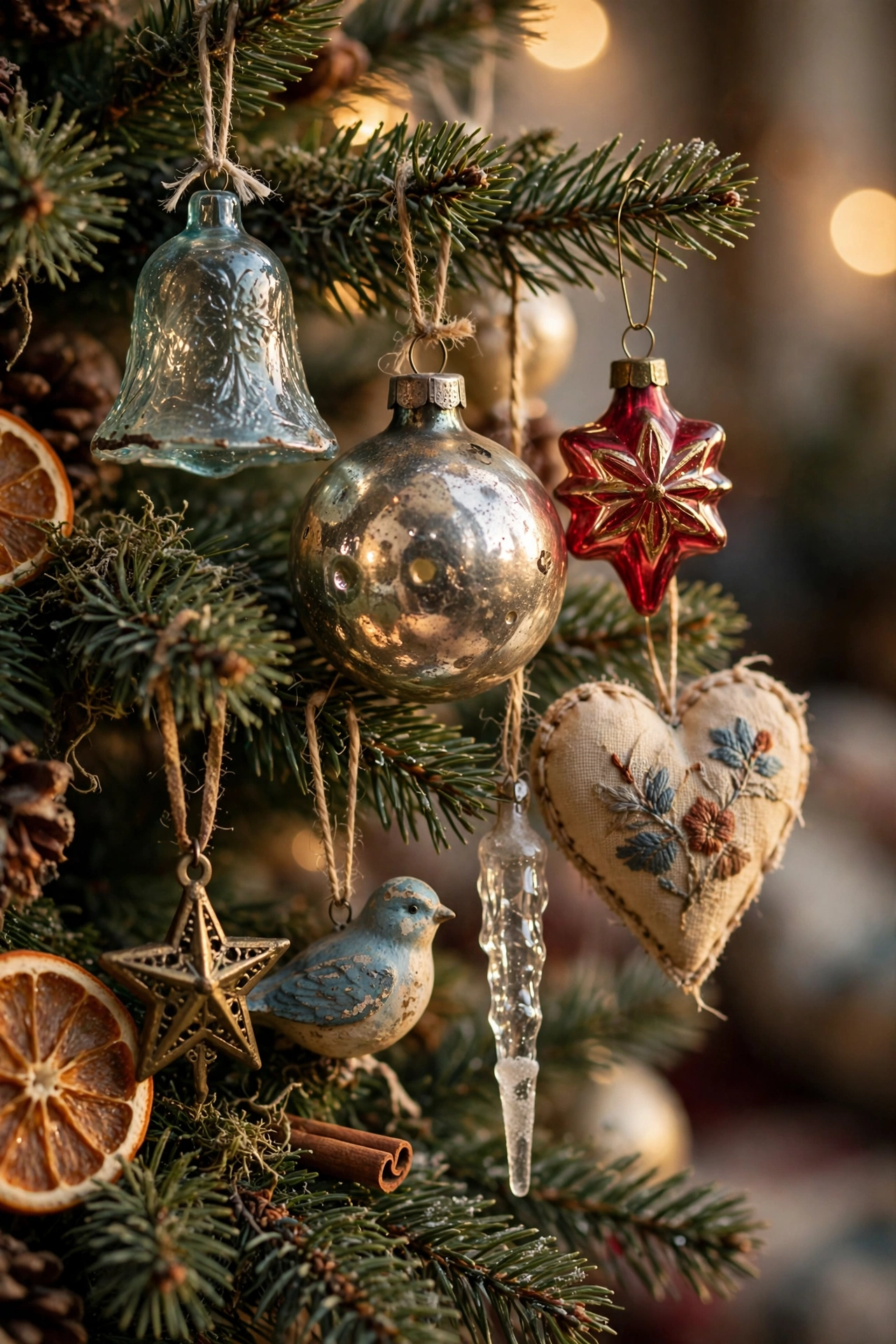
This tree is built entirely around inherited or long-collected ornaments — pieces passed down from parents or grandparents, hand-me-down glass baubles, and sentimental keepsakes collected over decades. Rather than trying to force a cohesive color scheme, let the tree feel intentionally eclectic, since the story behind each piece is the actual design principle here. Fill in gaps with simple, understated filler ornaments in one neutral tone, like matte gold or cream, so the heirloom pieces still stand out rather than getting lost. This is less a “look” to recreate exactly and more a philosophy: prioritize meaning over matching.
8. The Victorian-Inspired Tree
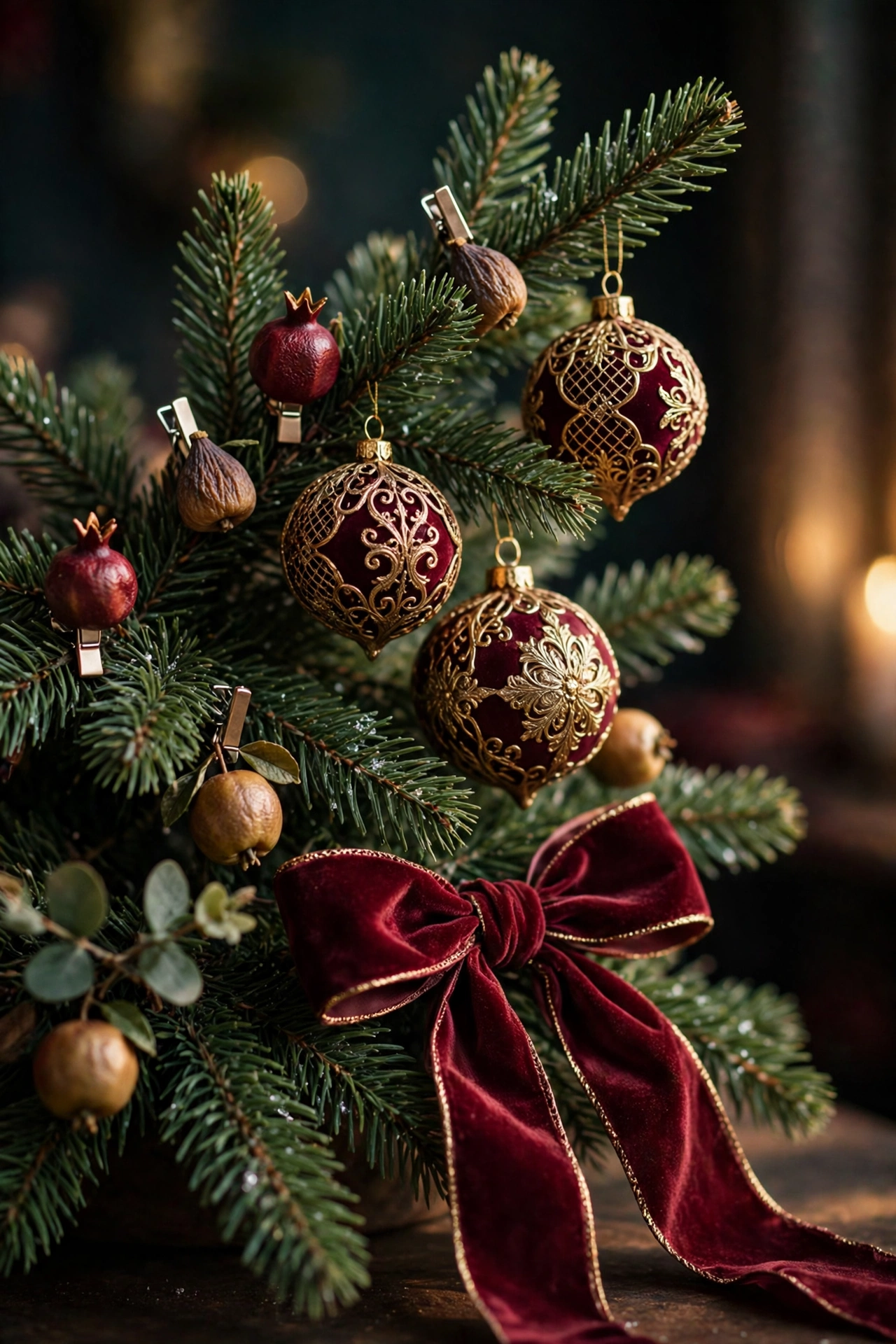
Rich jewel tones — deep burgundy, forest green, and gold — paired with ornate ornaments like filigree baubles, small birds, and fabric ribbon bows create a formal, old-world Victorian feel. Add real or faux fruit, like small clip-on pears or pomegranates, tucked into the branches, since fruit was a traditional Victorian Christmas tree element that’s largely disappeared from modern trees. Use a heavier, more structured ribbon than a typical wired bow, since the formality of this look depends on everything feeling a bit more substantial. This tree tends to suit a more formal living or dining room rather than a casual family space.
Elegant & Refined
9. The White & Silver Winter Wonderland Tree
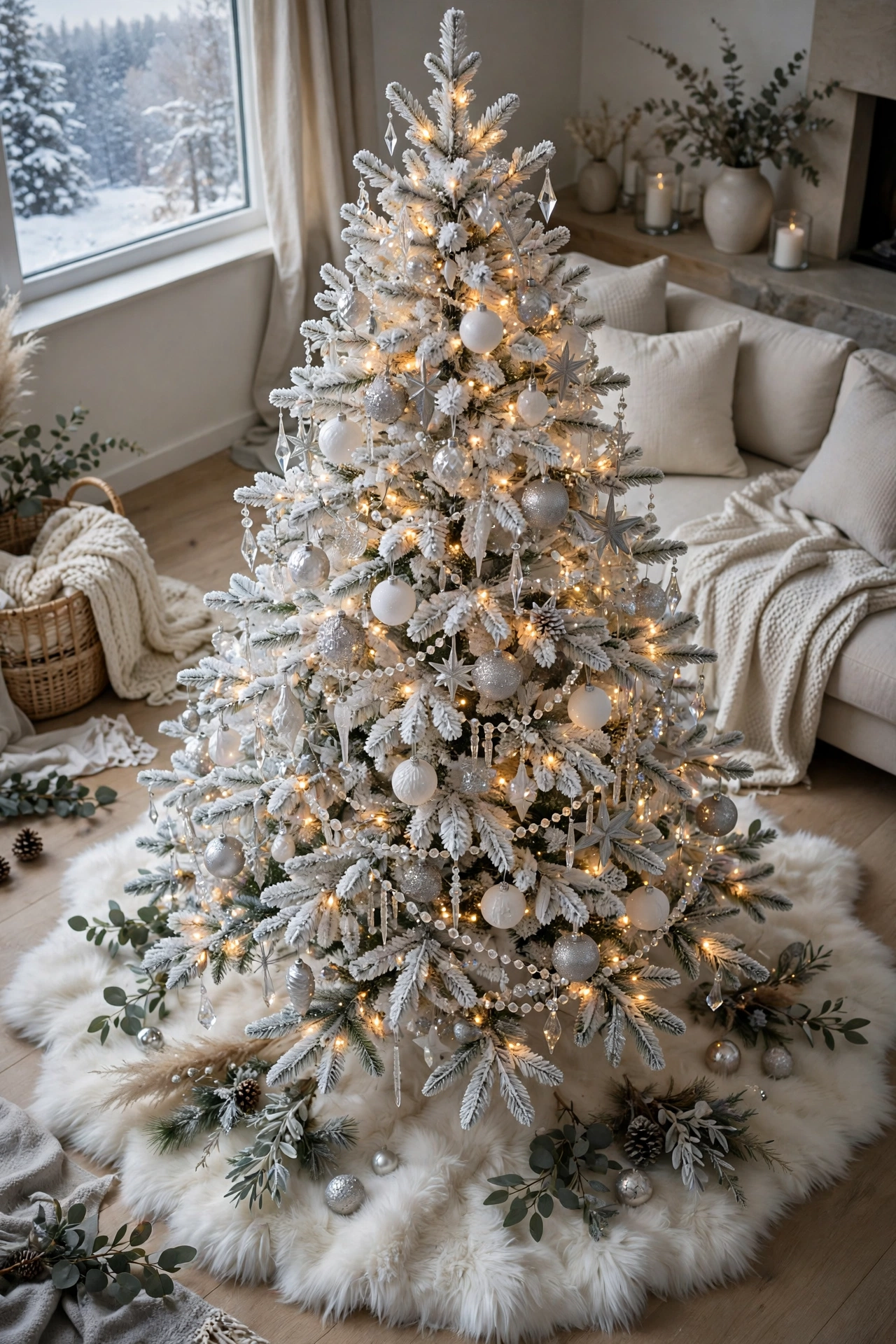
Inspired by the classic “White Christmas” aesthetic, this tree uses white and silver ornaments, silver or crystal-look garland, and either a flocked white tree or a green tree dusted with faux snow. Keep the ornament finishes varied between matte white, glossy silver, and a touch of crystal or glass for texture, since an all-glossy tree can feel flat under bright lighting. A snowy white faux fur tree skirt at the base finishes the look and adds visual weight to balance the light, airy color palette above it. This is one of the most photograph-friendly classic looks, since the cool tones catch both natural daylight and warm string lights beautifully.
10. The Crystal Drop Tree
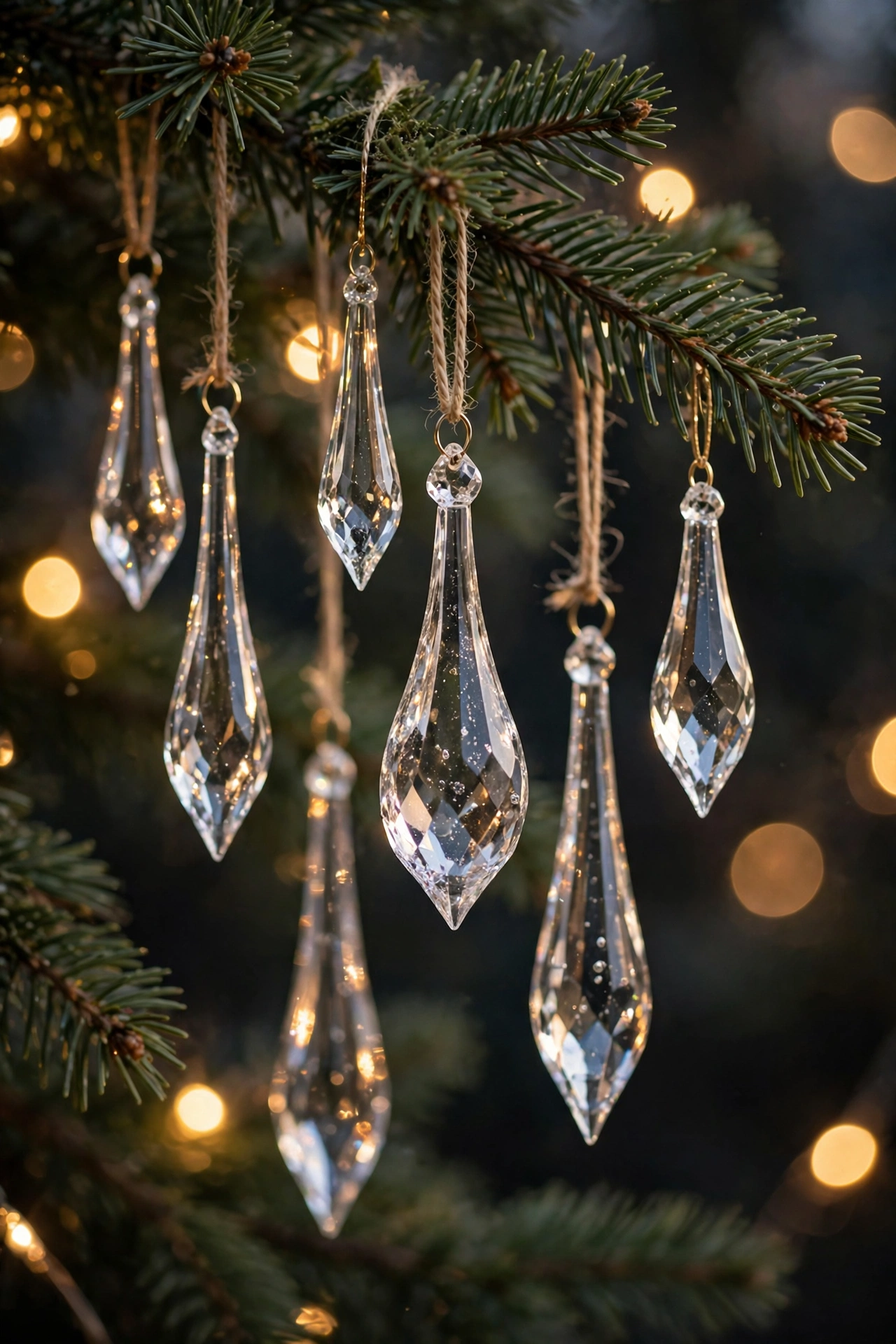
Instead of traditional round baubles, this tree is covered almost entirely in crystal or glass droplets of varying lengths, which catch and scatter light in a way solid ornaments can’t. Hang the droplets at slightly different depths within the branches rather than all at the same length, so the tree has real dimension when the lights hit it from different angles. This look works best with warm white lights specifically, since the warmth keeps the overall effect feeling cozy rather than cold despite the sparkle. It’s a striking, elegant option for anyone who wants a shimmering tree without leaning into full glam or metallics.
11. The Gold & Champagne Tree
An entirely gold and champagne-toned tree — from ornaments to ribbon to garland — creates a warm, luxurious look without introducing any additional colors to manage. Vary the metallic finish across pieces, mixing matte gold, antique brass, and glossy champagne baubles, so the monochromatic palette still reads as layered rather than flat. A wide champagne or gold organza ribbon woven loosely through the branches adds softness against the more structured metallic ornaments. This look pairs particularly well with a home that already leans warm and neutral in its everyday decor, since the tree extends that same palette rather than introducing a contrasting one.

12. The Blue & Silver Traditional Tree
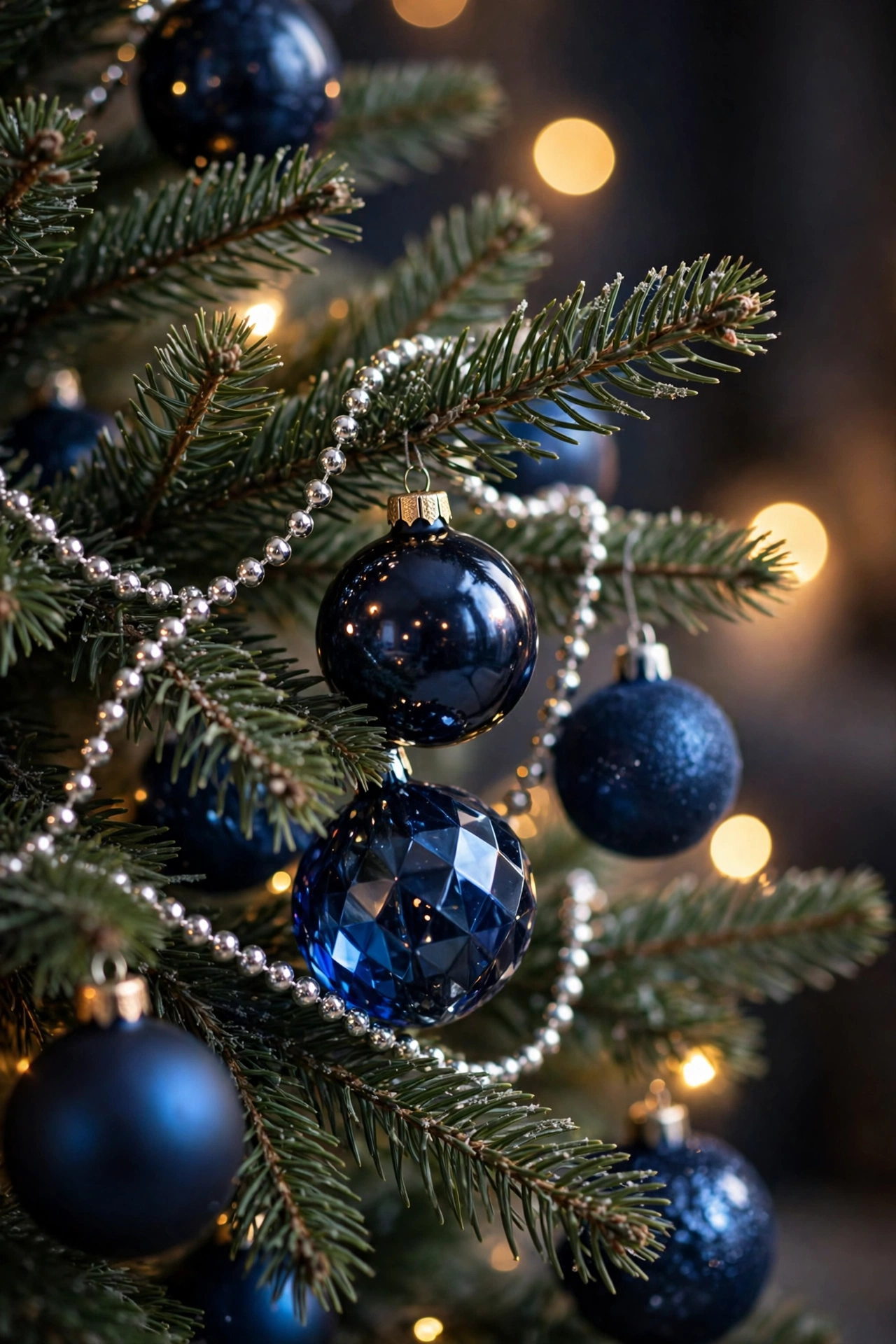
A classic alternative to red and green, deep blue and silver ornaments against green branches create a cooler, still-traditional palette that feels a little more formal. Mix navy, sapphire, and icy blue tones together rather than a single flat blue, since the range of shades keeps the tree from feeling one-note. Silver garland or beaded strands tie the blues together and add sparkle without introducing gold or warm metallics that would clash with the cooler palette. This combination has stayed a steady classic for decades, particularly in more traditional or formal homes that want something slightly different from red and green.
Cozy & Natural
13. The Woodland Natural Tree
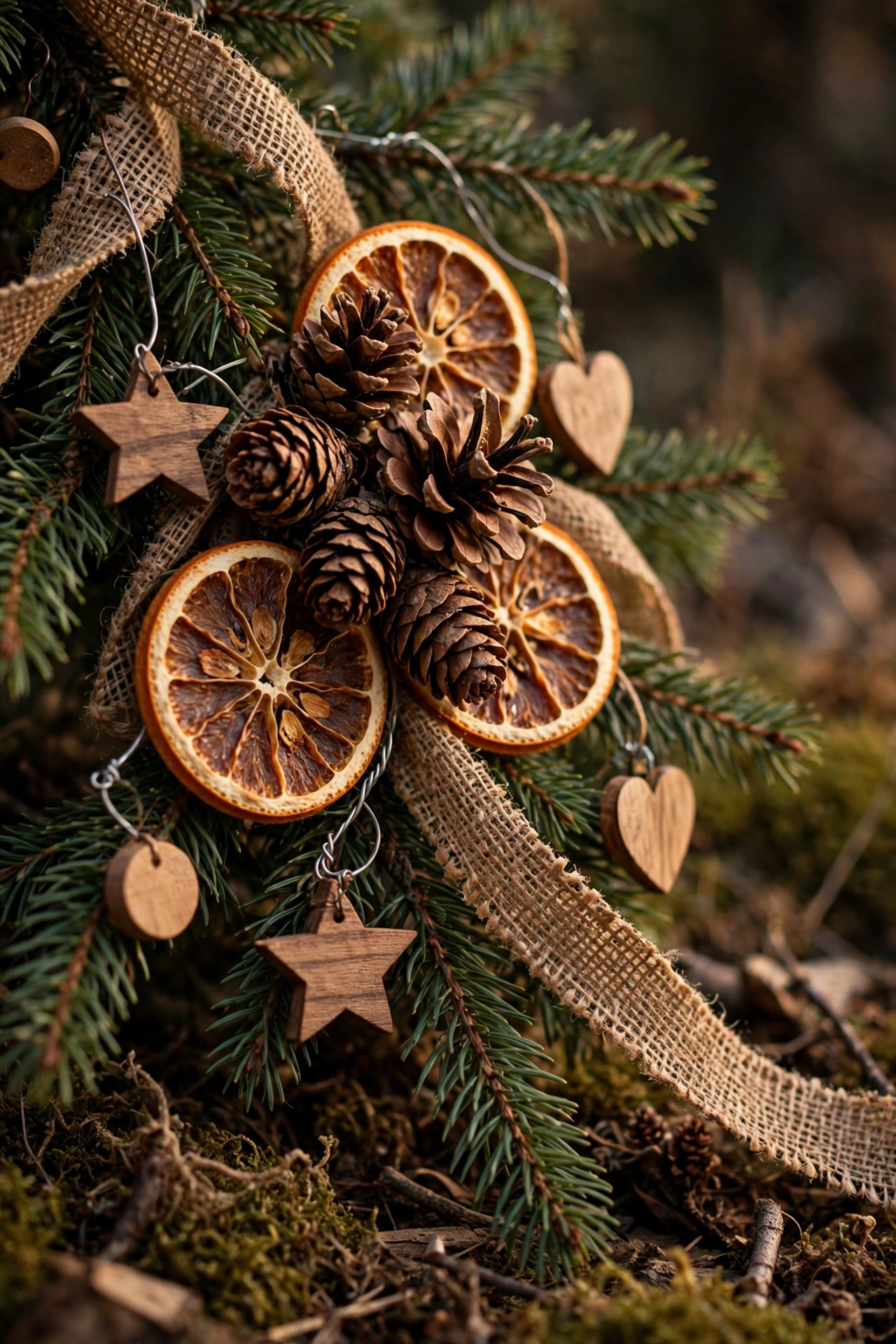
Built around natural materials — pinecones, dried orange slices, small birds, wooden ornaments, and burlap ribbon — this tree brings an organic, cabin-like warmth into a home. Wire real or faux pinecones directly onto the branches rather than hanging them from hooks, since a slightly tucked-in placement looks more natural than a dangling ornament would. Add a garland made of dried greenery or berries rather than tinsel or beaded strands, keeping every material in the tree feeling like it could have come from outside. This is one of the most budget-friendly classic looks, since many of the materials can be foraged or made rather than purchased.
14. The Farmhouse Buffalo Check Tree
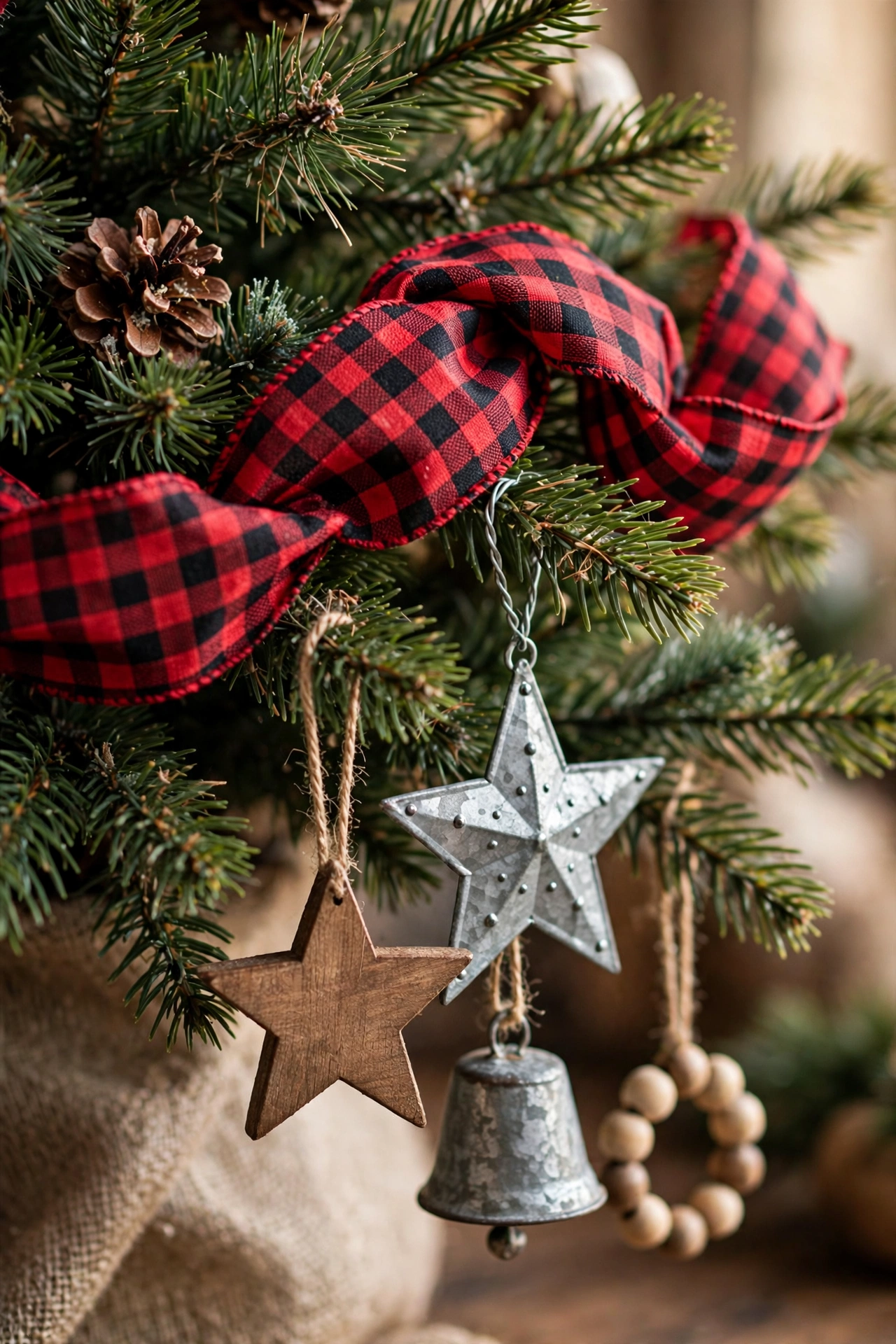
Red and black (or red and white) buffalo check ribbon and accents, paired with simple wooden and galvanized metal ornaments, create a cozy farmhouse look that’s remained popular precisely because it’s simple and warm rather than trend-driven. Use the buffalo check ribbon as the star element, swagged generously through the tree, and keep the ornament count relatively low so the ribbon pattern has room to stand out. Add a plaid tree skirt at the base to tie the pattern from top to bottom of the whole display. This look works particularly well in a home with existing farmhouse or rustic decor, since it extends that same material language into the holiday season.
Related: 15 Black and Pink Christmas Tree Ideas for a Bold Look
15. The Berry & Greenery Accent Tree
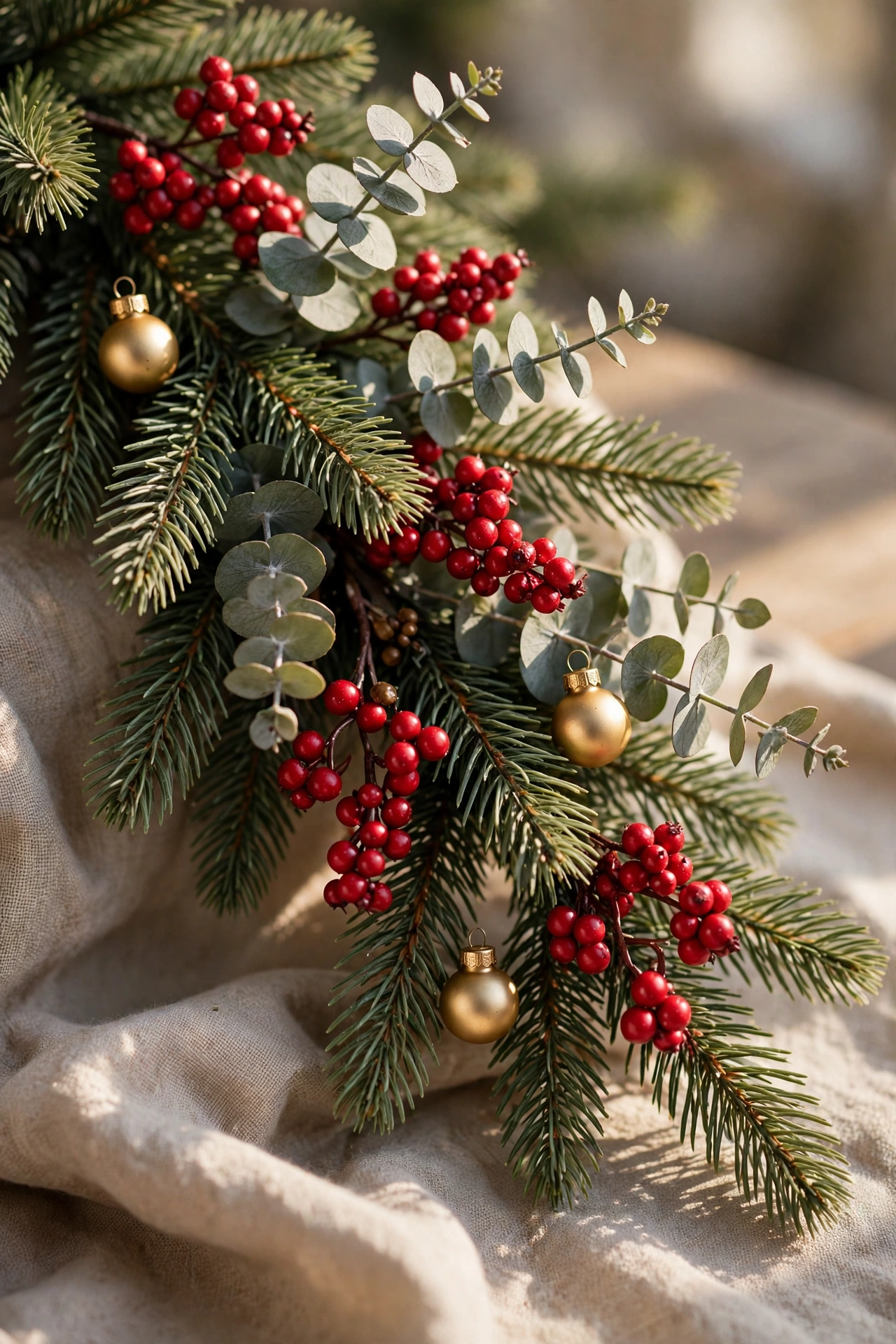
Rather than relying heavily on manufactured ornaments, this tree uses clusters of faux red berries and extra layered greenery, like eucalyptus or cedar sprigs, tucked throughout to add fullness and natural color. This works especially well on a slightly sparse or thin artificial tree, since the added greenery fills gaps in a way that reads as intentional rather than like a patch job. Keep the ornament count minimal — just a handful of simple red or gold baubles — so the berries and greenery remain the focal texture. This is a strong option for anyone who wants a classic look with a lighter, less cluttered feel than a fully ornamented tree.
16. The Cinnamon & Spice Tree
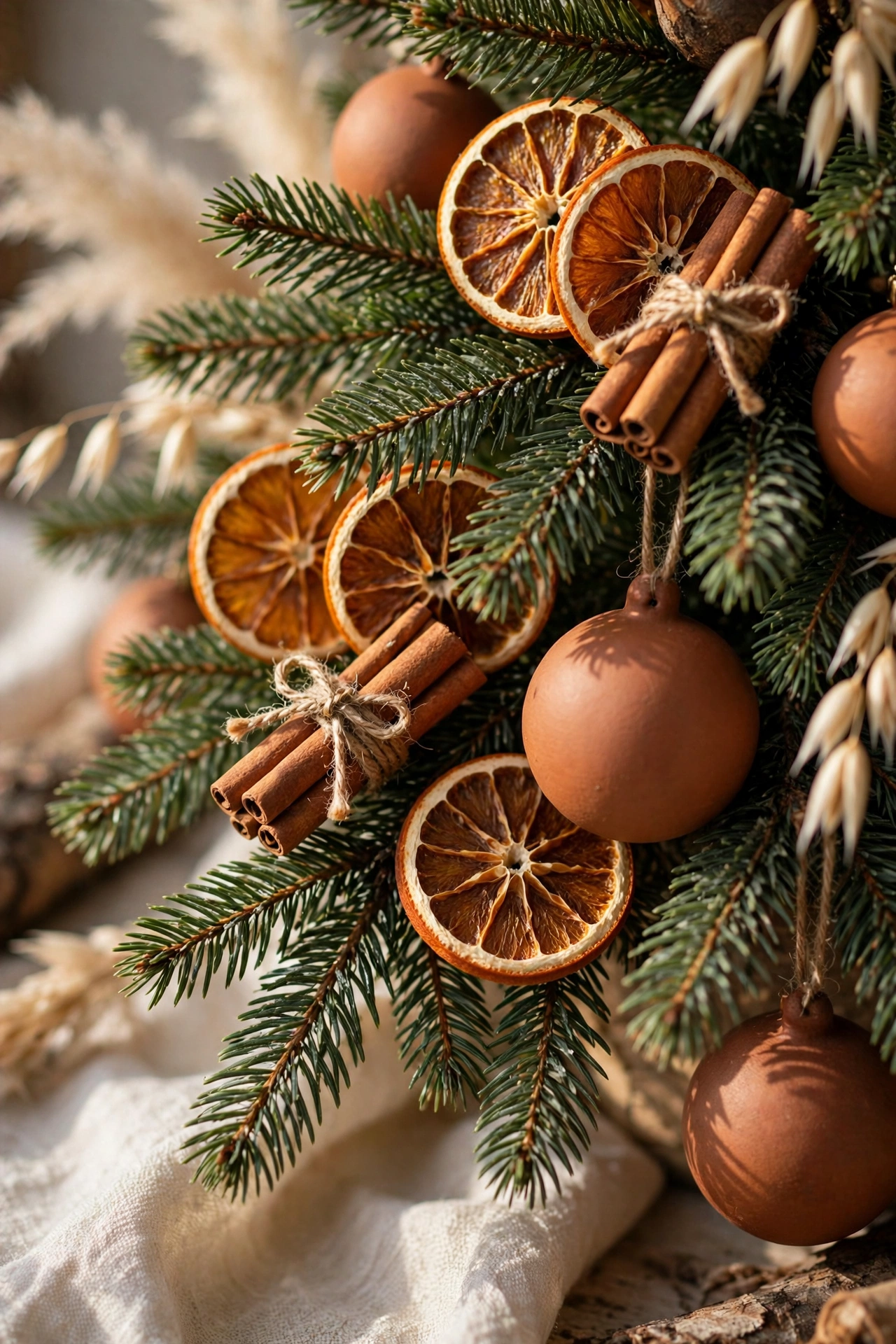
Warm, muted tones of cinnamon, rust, and cream, paired with dried orange slices, cinnamon stick bundles, and matte terracotta ornaments, create a cozy, slightly unexpected take on a classic tree. This palette works because it echoes the warmth of the season through color rather than through the traditional red and green, giving it a fresh but still timeless feel. Add small bundles of cinnamon sticks tied with twine and tucked into the branches for a look that also brings a subtle, genuine scent into the room. This is a good option for anyone who loves the classic, cozy Christmas feeling but wants a slightly different palette than the most traditional trees on this list.
Simple & Understated
17. The All-White Ornament Tree
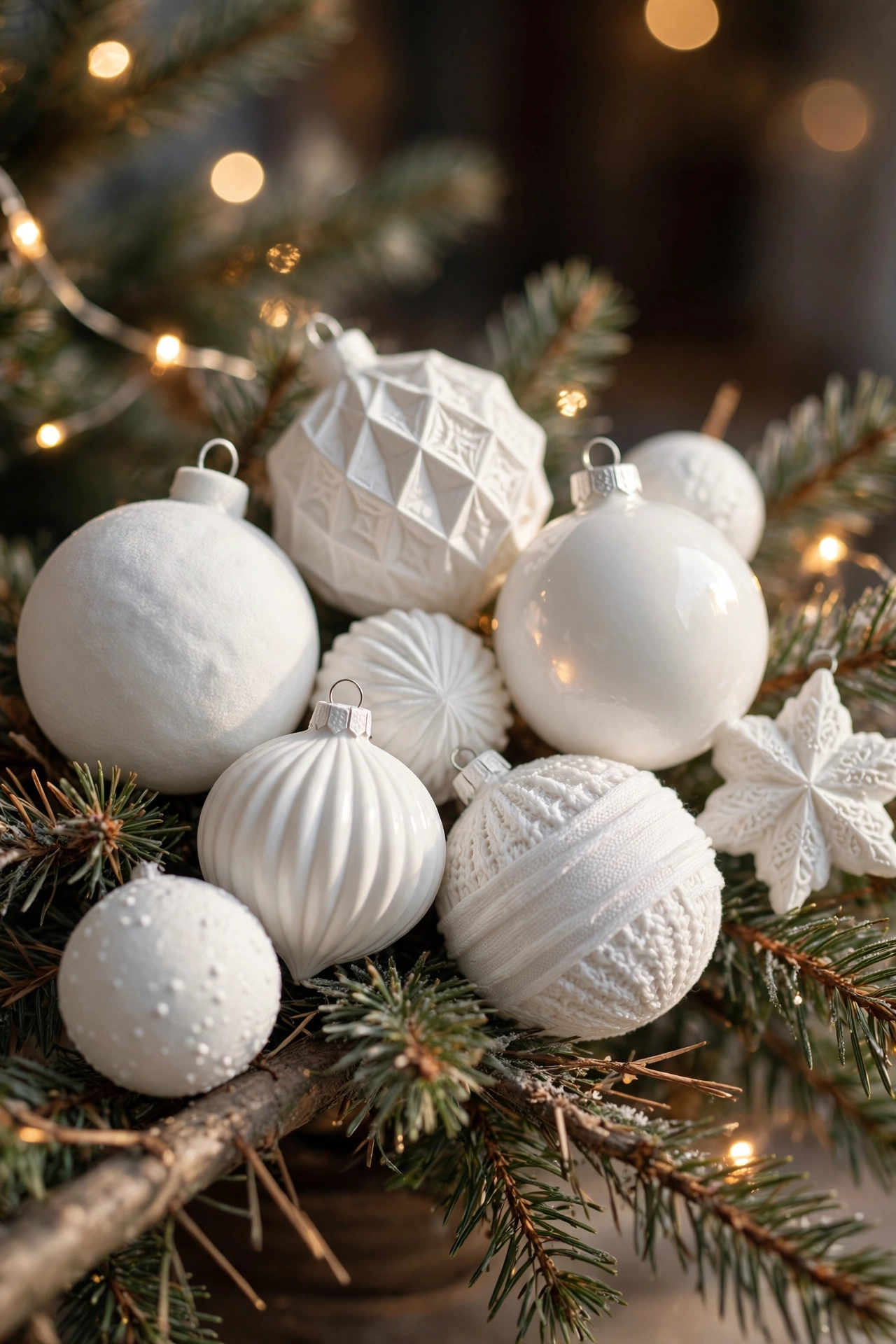
Every ornament on this tree is white — matte, glossy, ribbed, or textured — creating a clean, monochromatic look that lets the natural green of the tree and the warmth of the lights carry most of the visual interest. Vary the texture and finish heavily here, since color repetition alone would make the tree feel flat without enough contrast in materials. Warm white lights are essential for this look, since they add the only real warmth against an otherwise cool, neutral palette. This is one of the more modern-feeling classic looks, though it’s remained a steady, popular choice for well over a decade.
18. The Fairy Light Only Tree
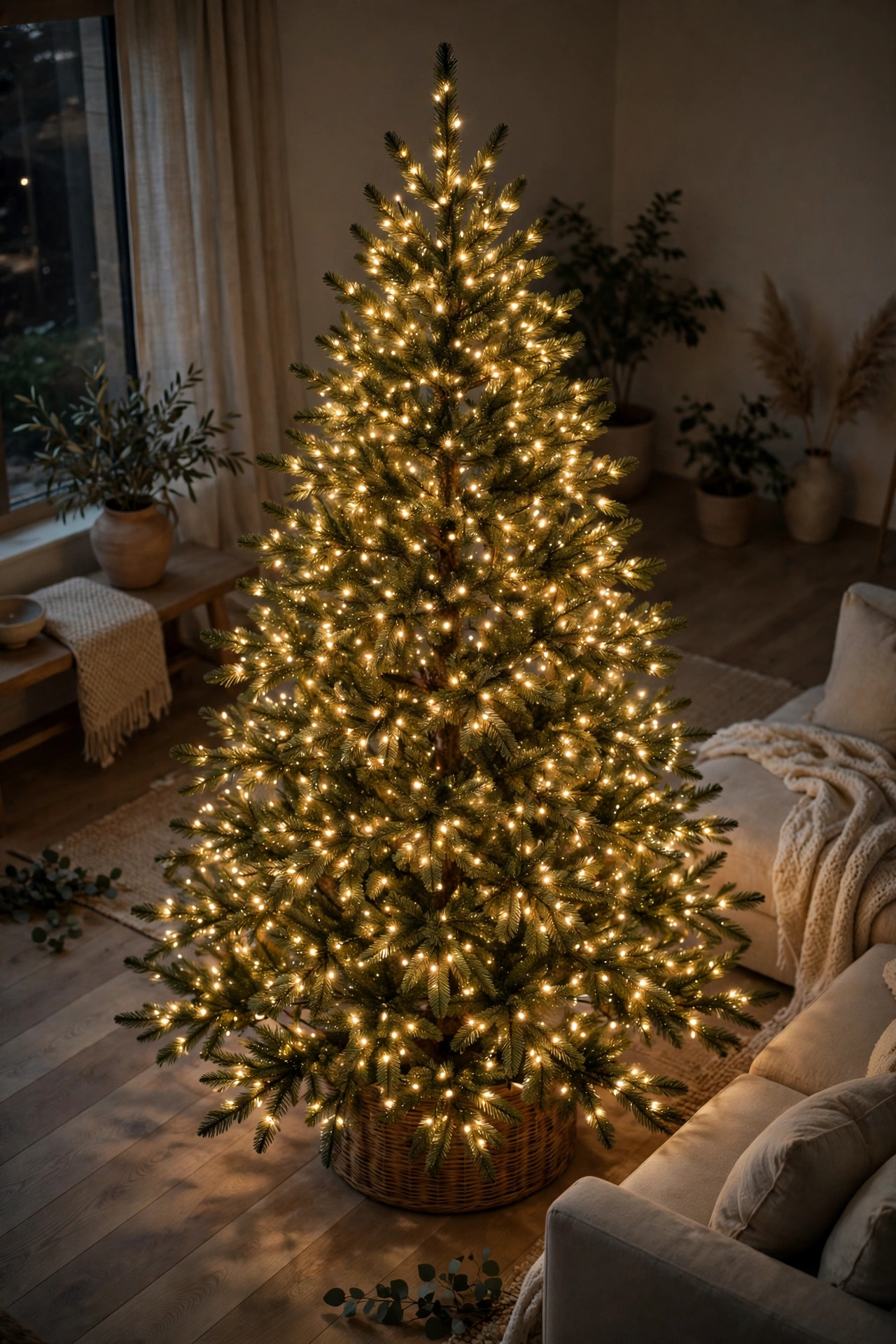
Sometimes the most elegant tree is the simplest one — just a generous, even layering of warm mini fairy lights across the branches, with no ornaments or garland at all. This works especially well on a naturally full, beautiful tree where the shape and texture of the greenery itself deserves to be the focus. Layer the lights in toward the trunk as well as across the outer branches, rather than only wrapping the surface, so the glow comes from within the tree rather than sitting only on top of it. This is the lowest-effort classic look on the entire list and often the most striking once the room lights are dimmed.
19. The Single-Color Statement Tree
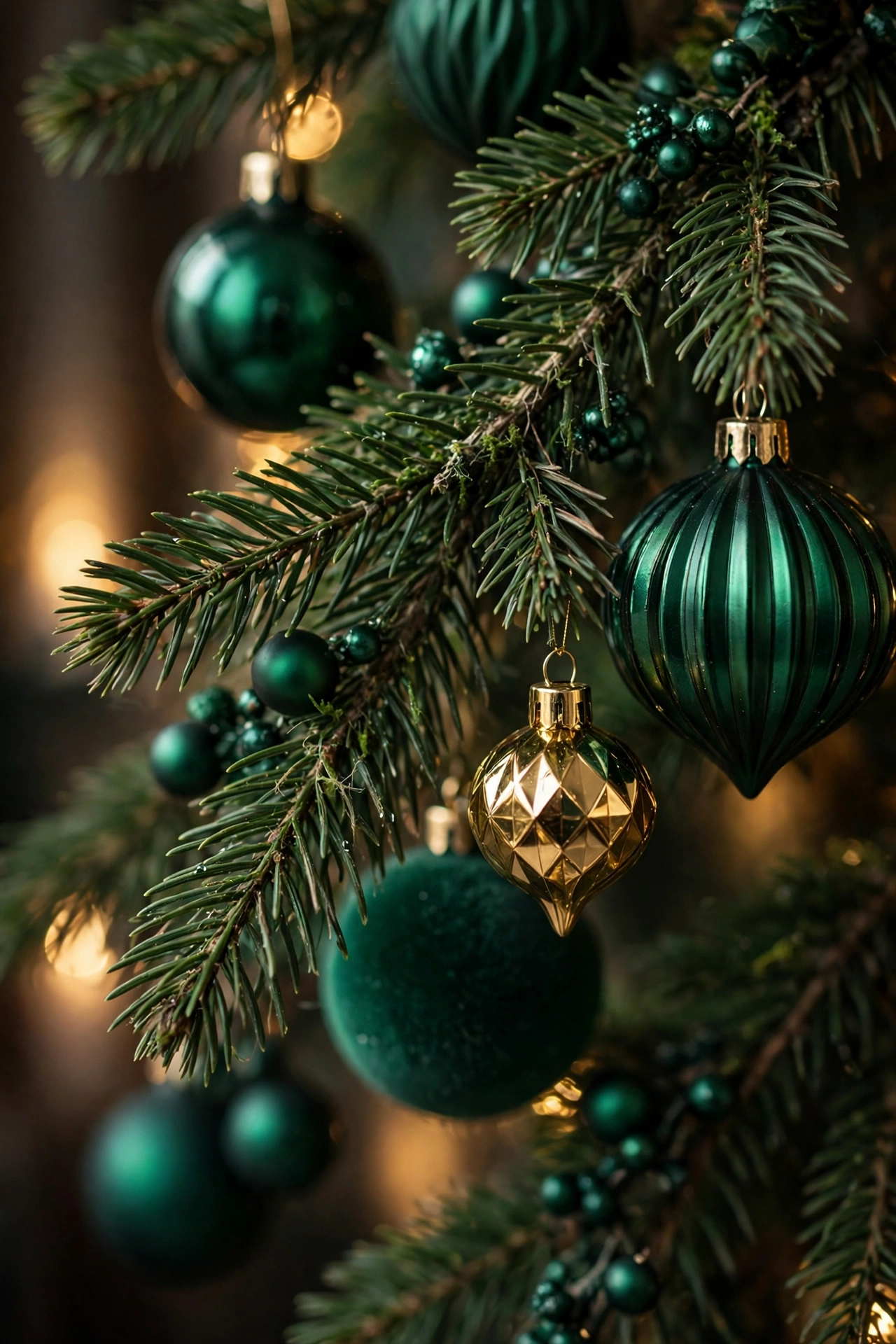
Pick one bold, saturated color — deep emerald, true red, or rich burgundy — and decorate the entire tree in that single hue, varying only the ornament shape and finish. This approach reads as confident and modern-classic at once, since the simplicity of a single color makes even a modestly decorated tree feel deliberate and cohesive. Break up the solid color slightly with one metallic accent, like gold or silver, used sparingly rather than evenly throughout, so the tree doesn’t feel entirely flat. This look tends to photograph exceptionally well, since the strong, unified color reads clearly even in a quick phone photo.
20. The Bow-Topped Minimalist Tree
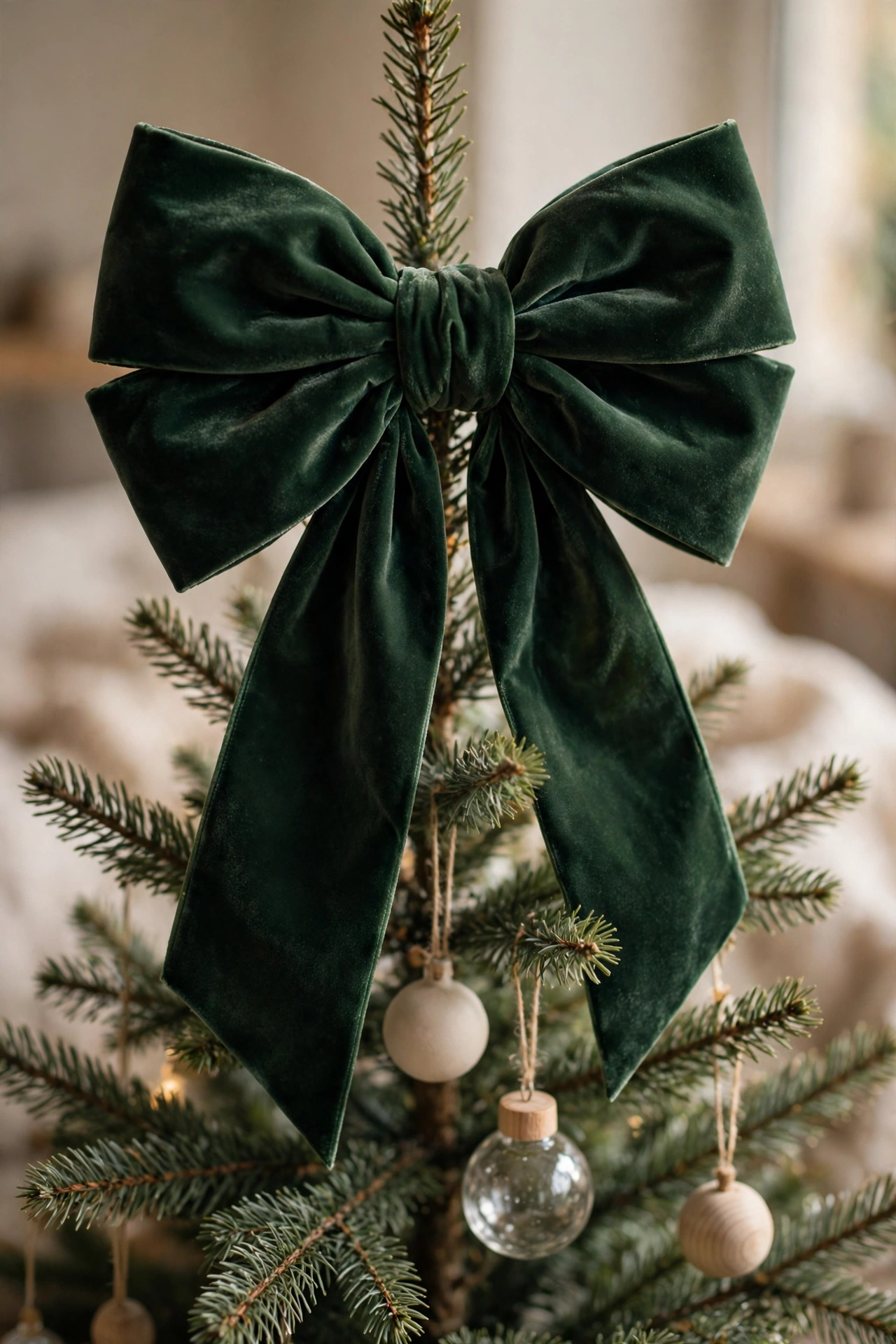
Rather than a traditional star or angel, top this tree with an oversized, elegant fabric bow in velvet or ribbon, and keep the rest of the decorating intentionally sparse — just a few well-placed ornaments and simple lights. The oversized bow becomes the clear focal point, which allows the rest of the tree to stay understated without feeling under-decorated. Choose a bow in a rich, saturated color like burgundy or forest green so it reads as a design statement rather than a simple topper. This look works particularly well for a smaller tree or a secondary tree in a bedroom or entryway, where a fully loaded traditional tree might feel like too much.
Timeless Regional & Cultural Classics
21. The Scandinavian-Inspired Tree
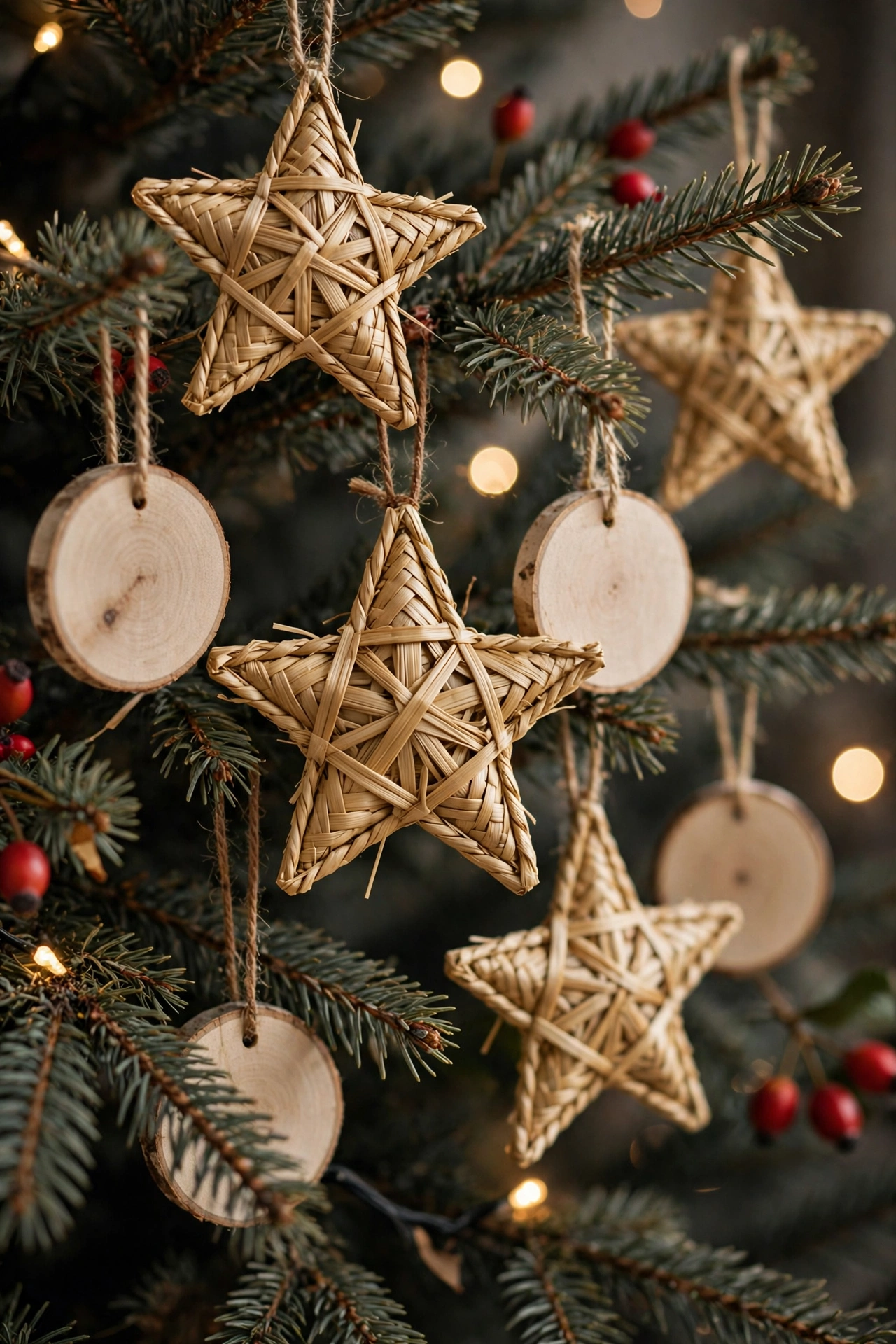
Rooted in Scandinavian holiday traditions, this tree uses natural wood ornaments, woven straw stars and figures, and simple red accents against a backdrop of warm white lights. Keep the palette limited to natural wood tones, cream, and red, avoiding metallics almost entirely, since the look depends on its simplicity and connection to natural materials. Woven straw ornaments, in particular, add a distinctive texture rarely seen on more traditional Western trees, making this a good option for anyone who wants a classic look with a slightly different cultural reference point. A plain linen or burlap tree skirt finishes the look at the base.
22. The Victorian Garden Tree
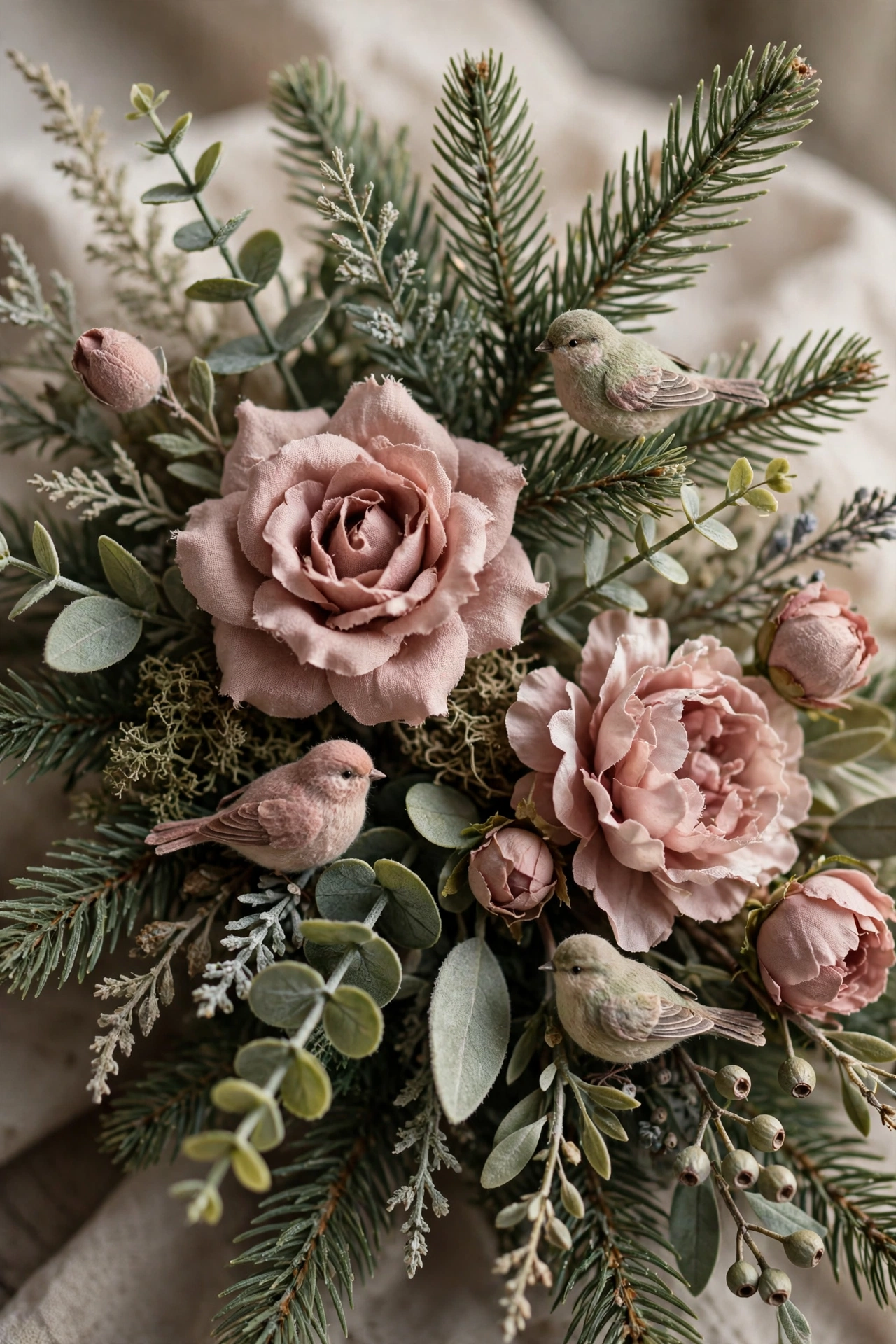
A softer, botanical take on the classic tree, this look layers fabric flowers, greenery sprigs, and pastel or muted ribbon in dusty rose and sage tones rather than the bolder reds and golds of a traditional tree. This works because it borrows the layering and abundance of a classic tree while shifting the palette into something softer and more garden-inspired, giving it a timeless but slightly different feel. Add small bird ornaments tucked among the fabric flowers, since birds were a common motif on older, more botanically-inspired trees. This style suits a home with a soft, romantic decorating style throughout the rest of the year.
23. The Old-World European Tree
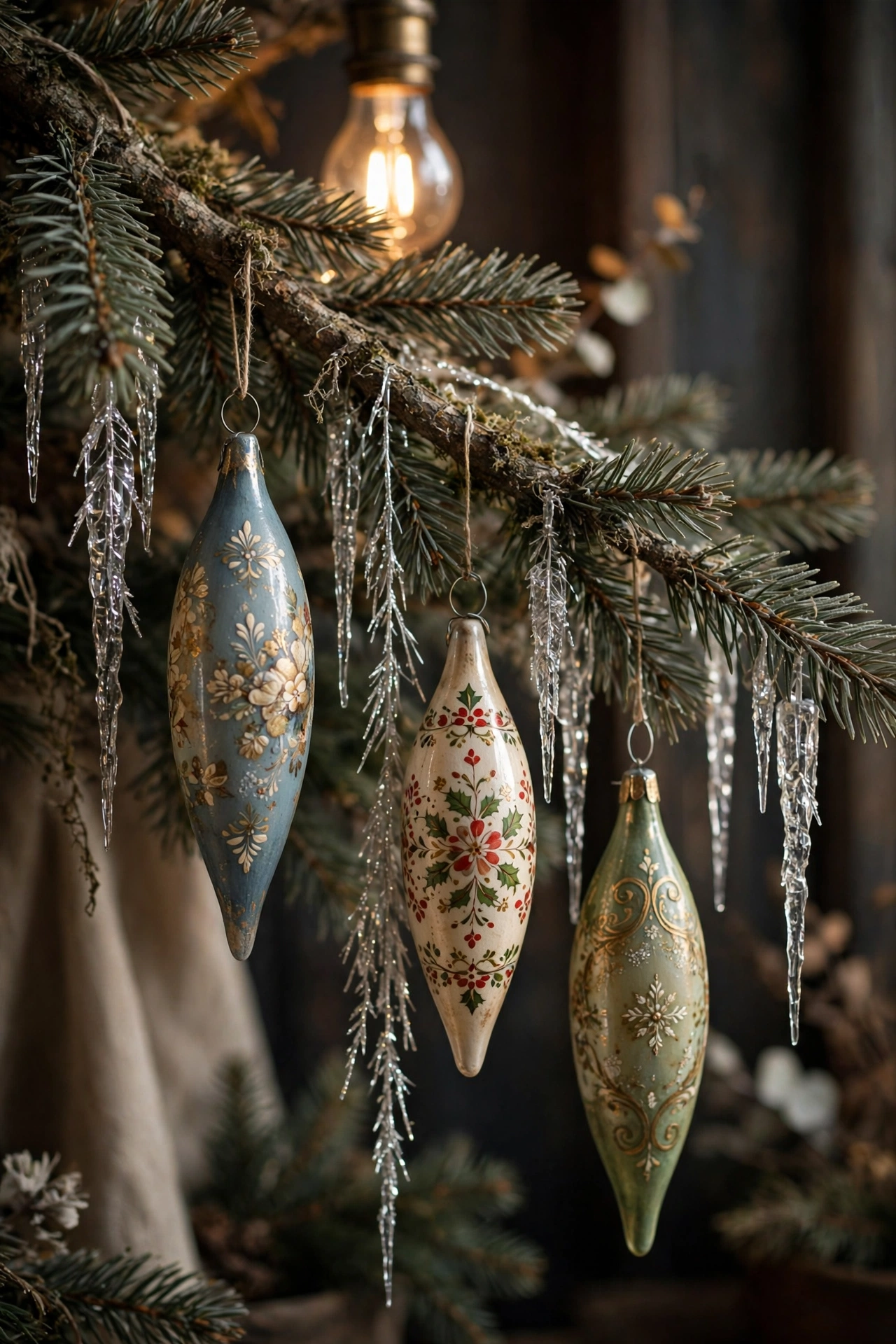
Rich, ornate glass ornaments in the German and Eastern European tradition — often hand-painted, elongated, or shaped like fruit and figures — paired with tinsel icicles and warm candlelight-style bulbs create a distinctly old-world European look. This tree tends to feel more formal and collected than an average traditional tree, since the ornaments themselves often carry intricate detail rather than simple solid colors. Add thin strands of tinsel draped individually rather than in clumps, letting them catch the light naturally as they would have decades ago. This is one of the most historically rooted looks on the list, and it remains a favorite for anyone drawn to a genuinely old-fashioned, heirloom-style Christmas.
Layering & Styling Technique (Read This First)
Lights go on first, before any garland or ornaments, and should be layered in toward the trunk as well as across the outer branches so the glow comes from within the tree, not just off its surface. Garland goes on second, swagged loosely rather than wrapped tightly, since a relaxed drape reads as more natural and elegant than a stiff, even wrap. Large ornaments go on third, placed deep and close to the trunk, followed by medium ornaments through the middle branches, then small and delicate pieces near the outer tips. Ribbon, if you’re using it, goes in last, tucked in and out of the branches at varying depths rather than laid flat on top, which is what gives it real dimension instead of looking pasted on.
Related: 15 Simple Thanksgiving-to-Christmas Tree Transition Ideas
Practical Implementation Ideas
Decorate over two sessions rather than one long one — lights and garland the first day, ornaments and final touches the next — so you’re not rushing the layering that actually makes the biggest visual difference. Sort ornaments into large, medium, and small piles before you start placing them, rather than grabbing randomly from one box, so the size layering stays consistent as you work. Step back and look at the tree from across the room every ten minutes or so, since gaps and imbalances are much easier to spot from a distance than up close. Keep a small box of filler ornaments in one neutral tone on hand to fill any bare spots once you think you’re finished.
Common Mistakes to Avoid
Avoid using only one size of ornament throughout the tree, since uniform sizing is one of the biggest things that makes a tree look flat or store-bought rather than layered and collected. Don’t skip the step of layering lights toward the trunk — lights placed only on the surface leave the inside of the tree dark and the whole thing looking thinner than it actually is. Avoid wrapping ribbon tightly around the tree in even horizontal bands, which tends to look stiff; a loose, uneven swag almost always looks more natural. And don’t overcrowd every single branch — a tree needs a little visible green between ornaments to actually read as a tree and not a solid wall of decoration.
Small-Space Alternatives
For a smaller tree or a tabletop tree, scale the whole approach down rather than skipping layering altogether — even three ornament sizes on a two-foot tree will look more considered than one uniform size. A fairy-light-only tree or a single-color statement tree both work especially well in small spaces, since they rely on simplicity rather than volume to look finished. If floor space is limited, a wall-mounted or flat-backed tree can still carry any of these classic looks, just with slightly fewer ornaments needed to fill it.
Budget-Friendly Alternatives
Natural and woodland-style trees are some of the most affordable on this list, since pinecones, dried orange slices, and berries can often be gathered or made rather than purchased. Thrifted or vintage ornaments, especially mismatched glass baubles, tend to be inexpensive and instantly add the “collected over time” look that new, matching ornament sets can’t replicate. A fairy-light-only tree requires no ornament purchase at all beyond the lights themselves, making it one of the most budget-conscious classic looks while still looking genuinely elegant.
Pro Styling Recommendations
Choose one dominant color or material and let everything else support it, rather than trying to include every classic element on this list on a single tree. When mixing ornament finishes, aim for roughly a third matte, a third glossy, and a third textured, since that ratio tends to create the most natural-looking variation. And resist the urge to fill every single gap — a little visible green between ornaments, especially near the trunk, is part of what makes a tree read as full and lush rather than overloaded.
FAQs
Final Thoughts
A classic Christmas tree isn’t about following any particular trend — it’s about warm lighting, varied ornament sizes, and a little bit of intentional layering that makes the whole thing feel collected rather than rushed. Whether you go full traditional red and gold, lean into a vintage mercury glass look, or keep things simple with just warm fairy lights, the techniques behind these 23 ideas will hold up long after this year’s trends have faded. Pick the look that fits your home, take the time to layer it properly, and you’ll have a tree worth setting up the exact same way for years to come.