15 FunHaus Interior Ideas for a Bold, Playful Home That Breaks the Rules
Somewhere along the way, a lot of homes started looking the same. Beige walls. Neutral sofas. Rooms so carefully restrained they stopped saying anything at all.
FunHaus is the pushback. Named one of Pinterest’s biggest interior trends, it borrows its energy from the circus, bold stripes, sculptural shapes, a wink of theatrical color, and turns that same joyful confidence into something you can actually live with every day. Think less carnival midway, more editorial circus. Dramatic without being gaudy. Playful without losing its nerve.
The trick with FunHaus isn’t just adding color and calling it done. It’s balance, one loud pattern paired with something calm, a bold shape given room to breathe, whimsy handled with real intention instead of thrown at the wall. Done right, it doesn’t read as a full personality change for your home. It reads like your home finally has one.
This guide walks through 15 specific ways to bring FunHaus into your space, room by room, detail by detail. Save the ones that make you smile.
Table of Contents
1. Paint Bold Circus Stripes on One Statement Wall
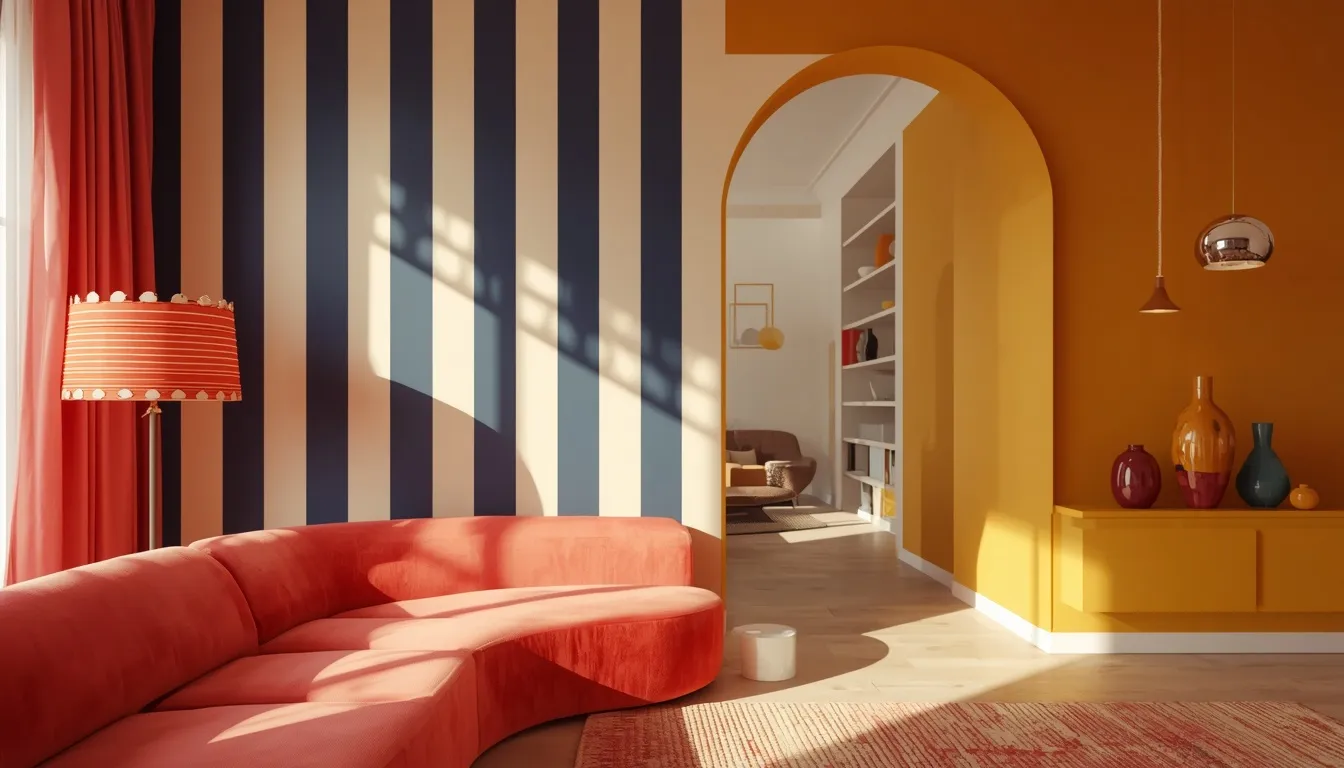
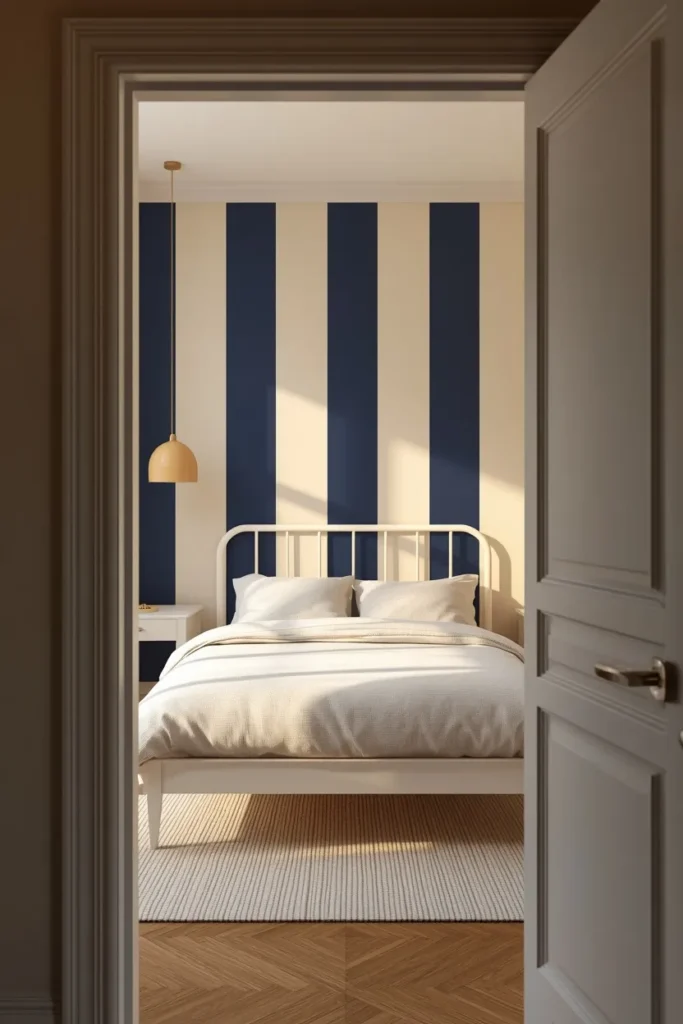
A single wall painted in wide, confident stripes brings the circus-inspired heart of FunHaus into a room without requiring a full commitment across every surface. Choose two colors with genuine contrast, like navy and cream or barn red and cream, and keep the stripe width generous, typically six to twelve inches, since thinner stripes can read as busy rather than bold and graphic. Position the striped wall behind a piece of furniture with a simpler silhouette, like a plain sofa or a solid-colored bed frame, so the stripes have room to be the star without competing against another loud pattern. This idea works particularly well as an entry point into FunHaus for anyone nervous about committing to the trend more broadly, since a striped accent wall is relatively easy and affordable to repaint later if your taste shifts. It’s also one of the most immediately recognizable signals of the aesthetic, instantly setting a room’s playful, theatrical tone.
2. Add a Sculptural, Curved Modular Sofa
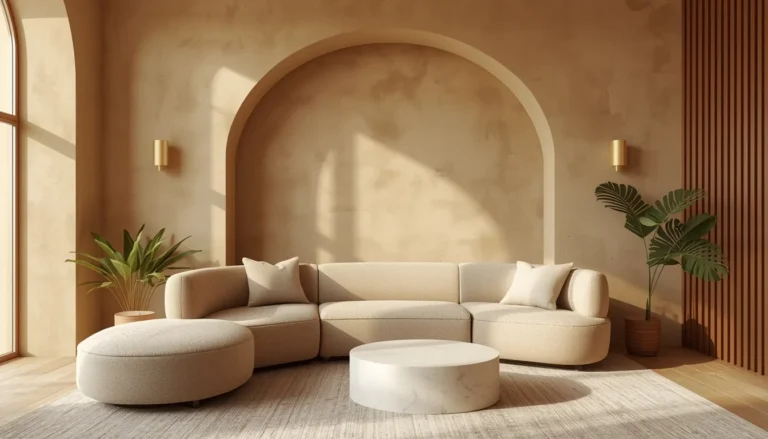
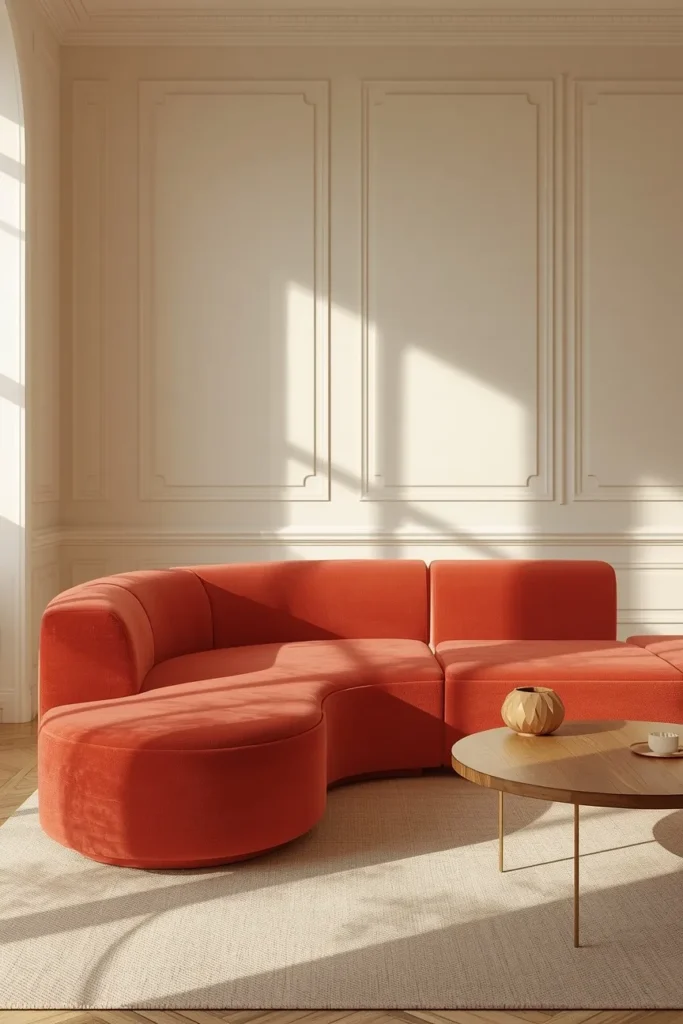
A sofa built from rounded, sculptural modules rather than standard rectangular cushions brings FunHaus’s love of unexpected shape directly into the room’s largest, most functional piece of furniture. Choose a modular design in a bold solid color, like coral, cobalt, or mustard, letting the sofa’s shape and color both do significant visual work without needing a printed fabric on top of it. Modular construction also means the sofa can be reconfigured over time, echoing the trend’s playful, adaptable spirit rather than locking the room into one fixed arrangement forever. Pair this statement sofa with simpler, more neutral surrounding furniture, since one bold sculptural anchor piece typically carries a room further than several competing for attention. This is often the single highest-impact purchase for anyone wanting to commit more fully to the FunHaus aesthetic, since a distinctive sofa shape and color instantly sets the tone for the entire room.
3. Color Block an Archway or Doorway
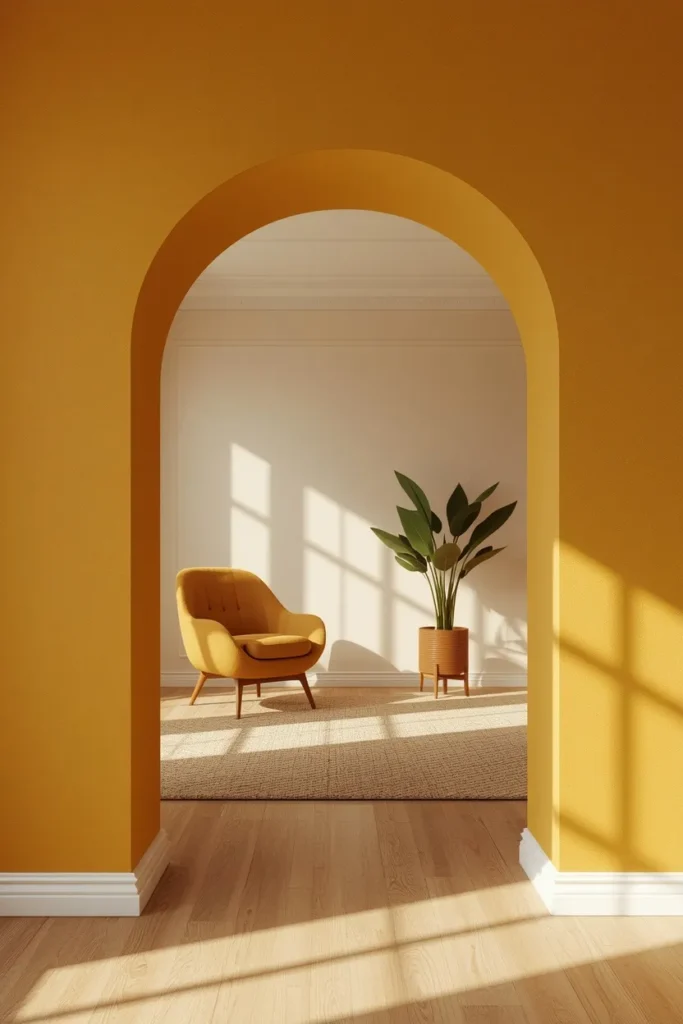
Painting the inside curve of an archway or the frame of a doorway in a bold contrasting color offers a more contained, lower-commitment way to bring FunHaus’s theatrical color energy into a room, since the treatment stays confined to a smaller architectural detail. Choose a color that pulls from elsewhere in the room’s palette, like a mustard arch echoing a mustard throw pillow, so the color-blocked detail feels intentional rather than random. This technique works especially well as an alternative to full stripes for anyone who wants a subtler nod to the circus-inspired aesthetic, since a painted archway captures the playful contrast without covering an entire wall. Position the color-blocked frame somewhere it naturally draws the eye, like the transition between a living room and hallway, turning a purely functional architectural feature into a genuine design moment. This detail is inexpensive and quick to execute, making it one of the most accessible entry points into the entire trend.
4. Hang a Scalloped or Fringed Lampshade
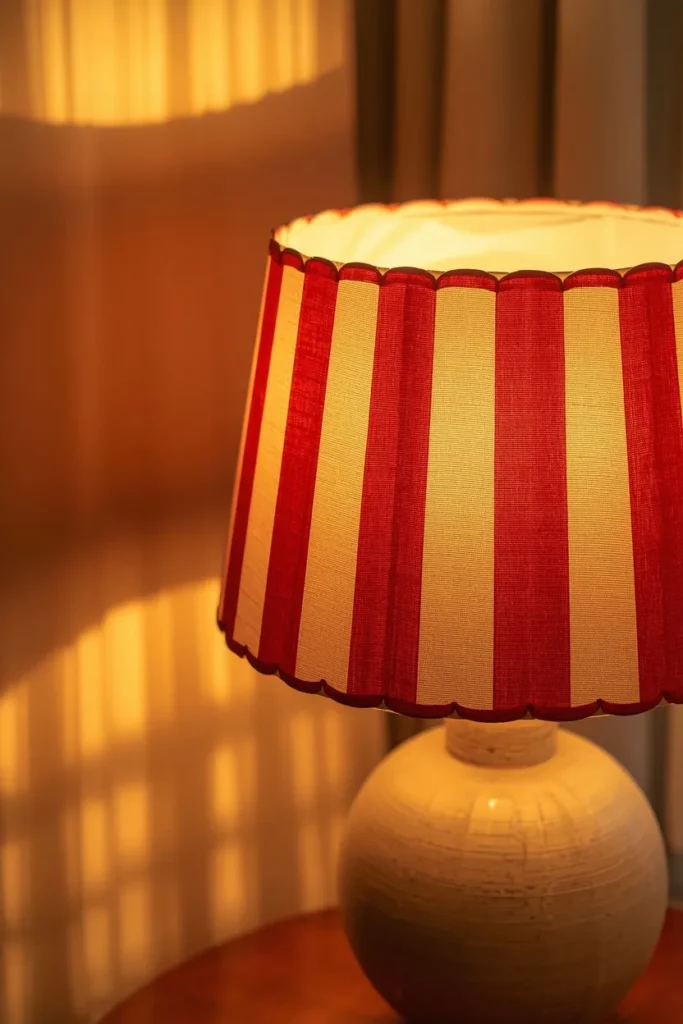
A lampshade with a scalloped edge or fringed trim, especially in a bold striped pattern, adds a small but unmistakable dose of circus-inspired whimsy to a room without requiring any furniture changes at all. Choose a red-and-white or two-tone striped scalloped shade for the most literal nod to the trend’s carnival roots, or a solid bold color with fringe trim for a slightly more restrained version of the same idea. Position this lamp somewhere it gets noticed, like a side table beside a sofa or a console in an entryway, since its playful silhouette works best as a clear, standalone accent rather than blended into a crowd of similar objects. This is one of the lowest-cost, lowest-commitment ways to test whether the FunHaus aesthetic appeals to you before investing in larger furniture or paint changes. A single well-chosen lamp like this can genuinely shift the personality of an entire room.
5. Bring In Primary Color Accents Against a Neutral Base
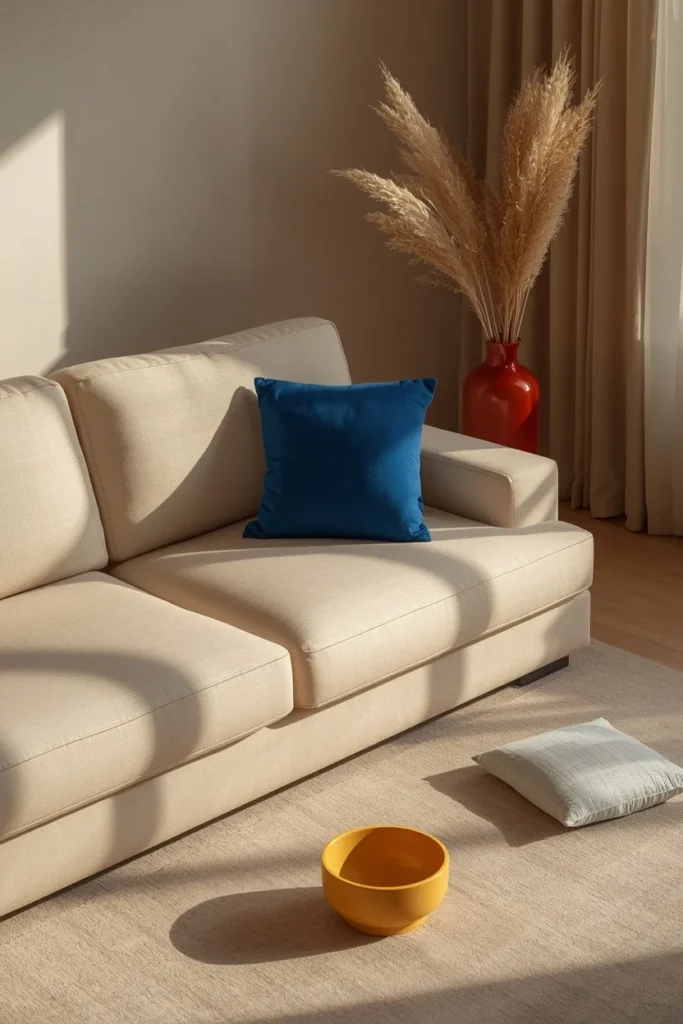
Rather than covering a room in color, FunHaus often works best when a handful of primary color accents, a red vase, a blue throw pillow, a yellow ceramic bowl, punctuate an otherwise calm, neutral base of walls and larger furniture. This approach delivers the trend’s signature joyful energy while keeping the overall room easy to live with day to day, since the neutral foundation gives the eye somewhere to rest between colorful accents. Choose primary colors specifically, true red, blue, and yellow, rather than muted or pastel versions, since the clarity and confidence of primary color is part of what gives FunHaus its distinctive, dopamine-driven character. Distribute the colored accents around the room rather than clustering them in one spot, so the eye travels and discovers each pop of color individually. This is one of the most flexible, low-risk ways to bring FunHaus energy into any existing neutral room without a larger renovation.
6. Add Sculptural Lighting as a Focal Point
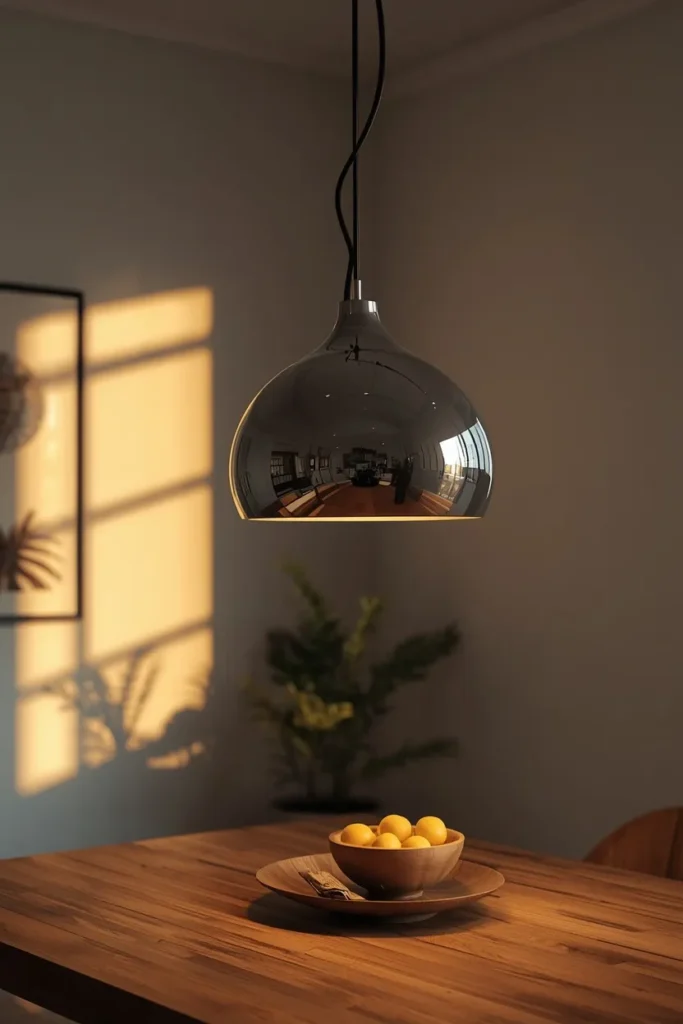
A light fixture with a genuinely unusual, sculptural shape, whether that’s an asymmetric pendant, a bulbous glass form, or a fixture built from unexpected curves, gives a room an instant conversation piece that embodies FunHaus’s love of playful, ergonomic-adjacent design. Position this fixture somewhere it’s clearly visible and unobstructed, like above a dining table or in an entryway, letting its shape read clearly against the ceiling or wall behind it. Choose a finish in chrome, brushed metal, or a bold solid color depending on whether you want the fixture to lean more toward the trend’s soft futurism side or its more directly circus-inspired, colorful side. This piece works especially well as a room’s single boldest statement, allowing the surrounding furniture and decor to stay relatively simple and let the lighting carry the room’s personality. Sculptural lighting consistently ranks among the most photographed and shared elements in any FunHaus-styled room, since its shape reads clearly and dramatically even in a single still image.
7. Layer In Pom-Pom or Tassel Trim Textiles
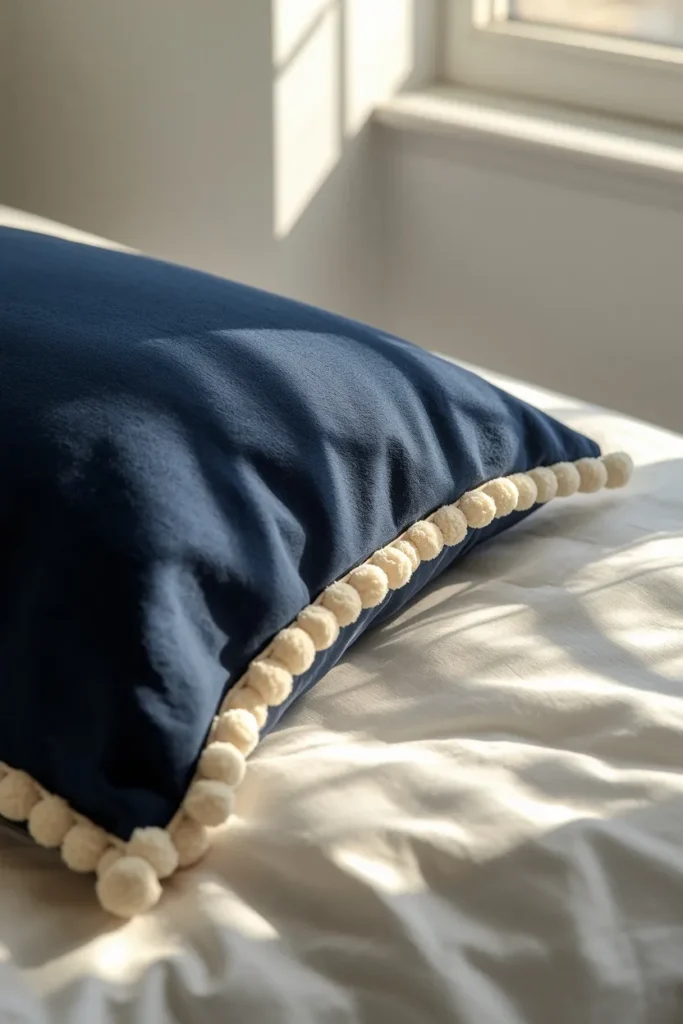
Throw pillows, curtain tiebacks, or a table runner finished with pom-pom or tassel trim bring a tactile, playful detail straight from FunHaus’s circus and carnival roots, adding movement and texture that flat fabric alone can’t achieve. Choose trim in a color that contrasts clearly against the base textile, like cream pom-poms on a solid navy pillow, so the detail reads clearly rather than blending in. Use this trim detail in smaller doses throughout a room, on one or two pillows or a single curtain panel, rather than covering every textile in the space, since restraint is what keeps this detail feeling intentional rather than costume-like. This idea works particularly well in a bedroom or nursery, where the softer, more whimsical quality of pom-poms and tassels fits naturally into a room already built around comfort and rest. It’s an inexpensive, easy-to-source detail that adds genuine personality and texture for very little cost or commitment.
8. Create a Striped Hallway Runner Effect
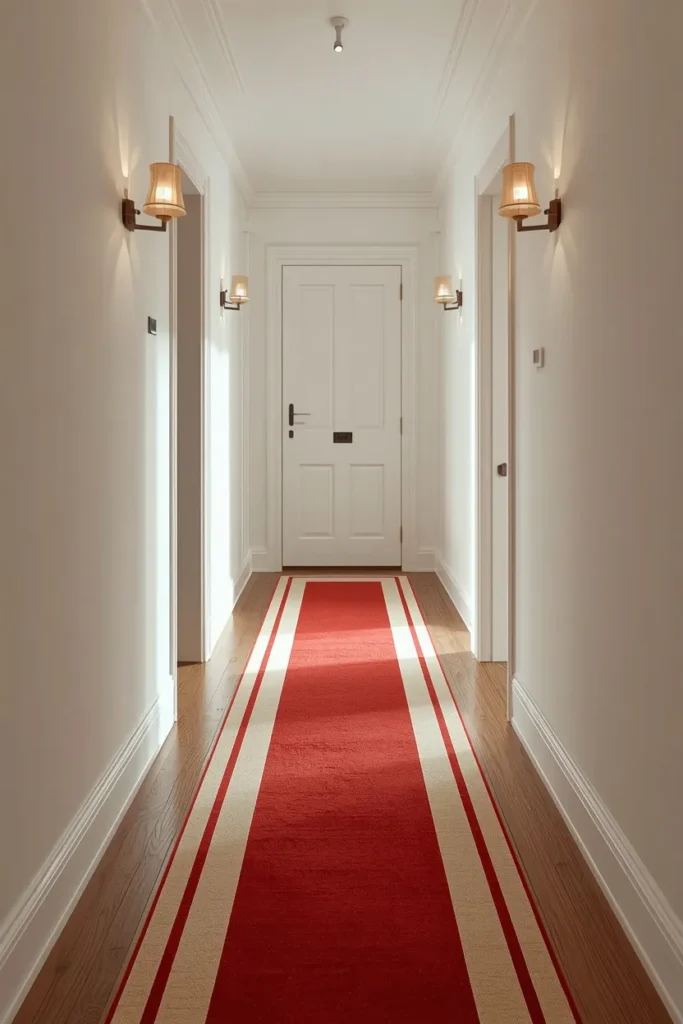
A hallway, often one of the most overlooked spaces in the home, becomes a genuine design opportunity when treated with bold stripes, either through a striped runner rug or painted directly onto the floor or ceiling. Choose a stripe direction running perpendicular to the hallway’s length for a visually widening effect, or parallel stripes if you want to emphasize and playfully exaggerate the hallway’s natural direction of travel. This treatment works especially well in a narrow, purely functional hallway that would otherwise go completely unstyled, turning a transitional space into a small moment of theatrical delight on the way between rooms. Keep the surrounding wall color simple and neutral so the striped floor or runner remains the clear focal point without competing with other pattern. This is one of the most surprising and memorable FunHaus applications precisely because hallways are so rarely given this level of design attention.
9. Swap Clear Glass for Bold Colored Glassware and Ceramics
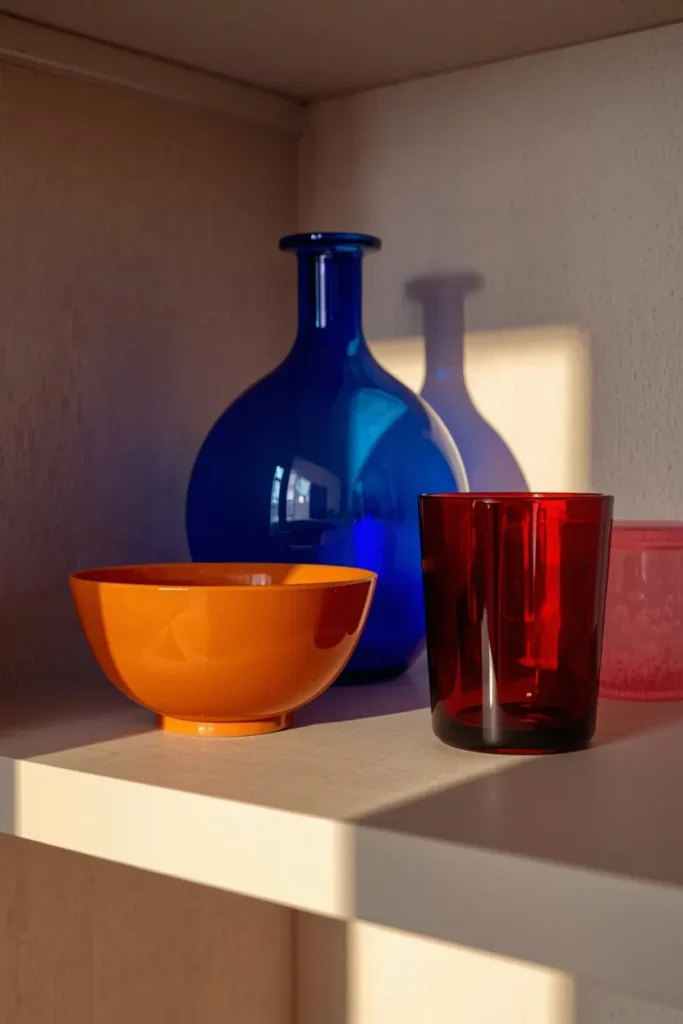
Replacing plain clear glass vases, drinking glasses, or ceramic vessels with bold, saturated color versions is one of the simplest, lowest-cost ways to bring FunHaus energy into everyday objects rather than only larger furniture or wall treatments. Choose pieces in confident, clear colors, cobalt blue glassware, a burnt orange ceramic vase, a cherry red bowl, displaying them on open shelving or a console where they catch the eye regularly rather than being tucked away in a cabinet. Mixing two or three different bold colors together, rather than sticking to just one, captures more of the trend’s playful, maximalist energy, as long as the pieces share a similar level of saturation and confidence. This idea works well as a starting point for FunHaus beginners, since swapping out smaller objects requires far less investment or risk than committing to bold furniture or paint. It also makes the trend easy to test seasonally, since colored glass and ceramics are simple to rotate in and out as your taste or the season changes.
10. Add a Tent-Like Canopy or Draped Fabric Ceiling
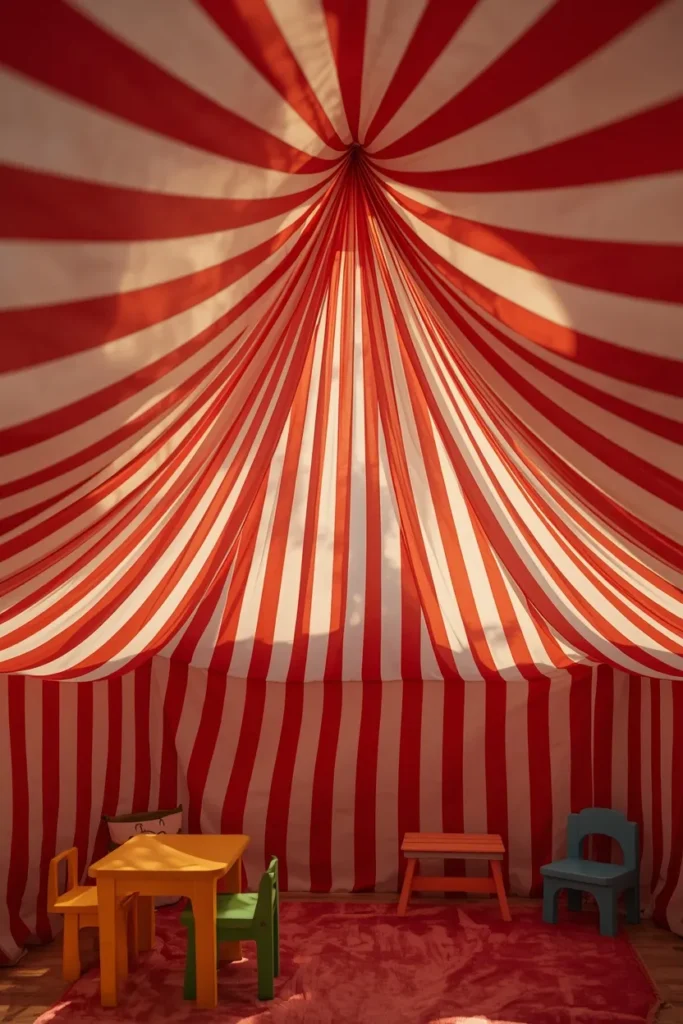
Fabric draped across the ceiling in a tent-like canopy shape brings one of FunHaus’s most literal circus references into the home, transforming a flat ceiling into a soft, theatrical surface with genuine movement and depth. Choose a lightweight fabric in a striped or solid bold color, gathering it toward a central point or draping it in scalloped sections from the perimeter of the room, similar to the way a real circus tent’s canopy is constructed. This treatment works particularly well in a nursery, playroom, or reading nook, where the softer, more whimsical scale of a smaller room makes a full fabric canopy feel magical rather than overwhelming. Secure the fabric properly with appropriate ceiling hardware, since this is a more involved installation than most items on this list and benefits from careful planning around weight and support. This is one of the boldest, most immersive FunHaus applications available, and it consistently produces spaces that feel genuinely transportive rather than simply decorated.
11. Mix Chrome and Iridescent Accents for Soft Futurism
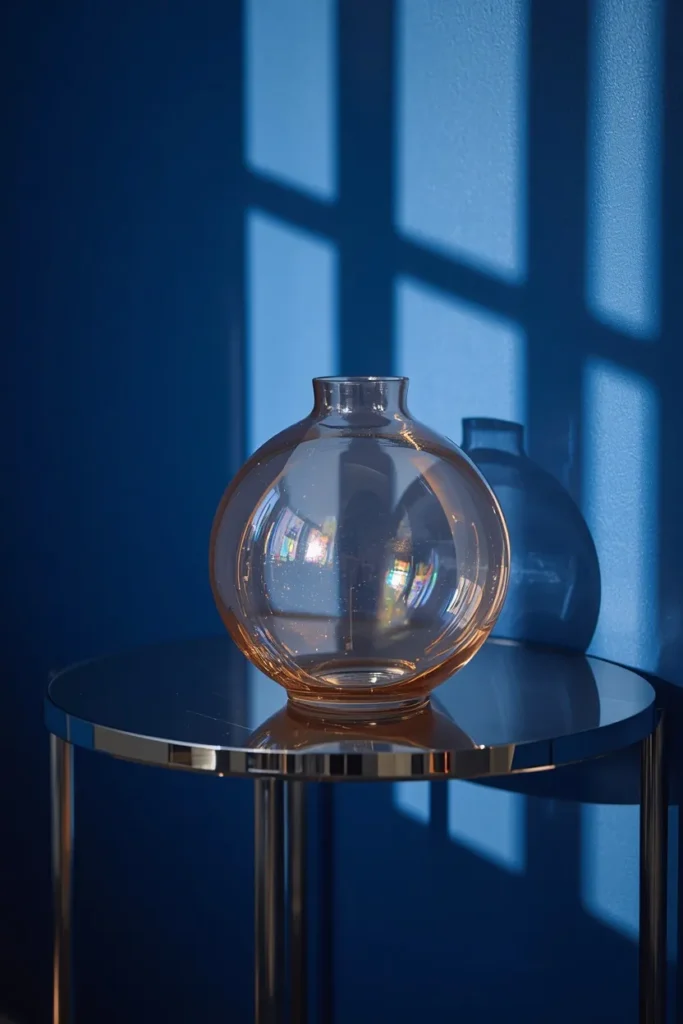
Alongside its more literal circus references, FunHaus also draws on a softer, futuristic thread, chrome finishes, iridescent surfaces, and curved silhouettes that feel forward-looking and optimistic rather than purely nostalgic. Introduce this side of the trend through a chrome-finished side table, an iridescent glass vase, or curved mirrored decor, using these pieces to add shine and movement that complements the bolder color and stripe elements elsewhere in the room. Choose finishes with genuine reflective quality, since the light play these materials create is central to what makes them feel distinctly futuristic rather than simply metallic. Pair chrome and iridescent accents with the same confident color palette used throughout the rest of your FunHaus styling, since these materials read as a texture and finish choice layered on top of the overall aesthetic, not a separate style. This combination appeals particularly to anyone drawn to FunHaus’s more polished, editorial side rather than its most literal, carnival-inspired expressions.
12. Display Vintage or Vintage-Style Circus Art
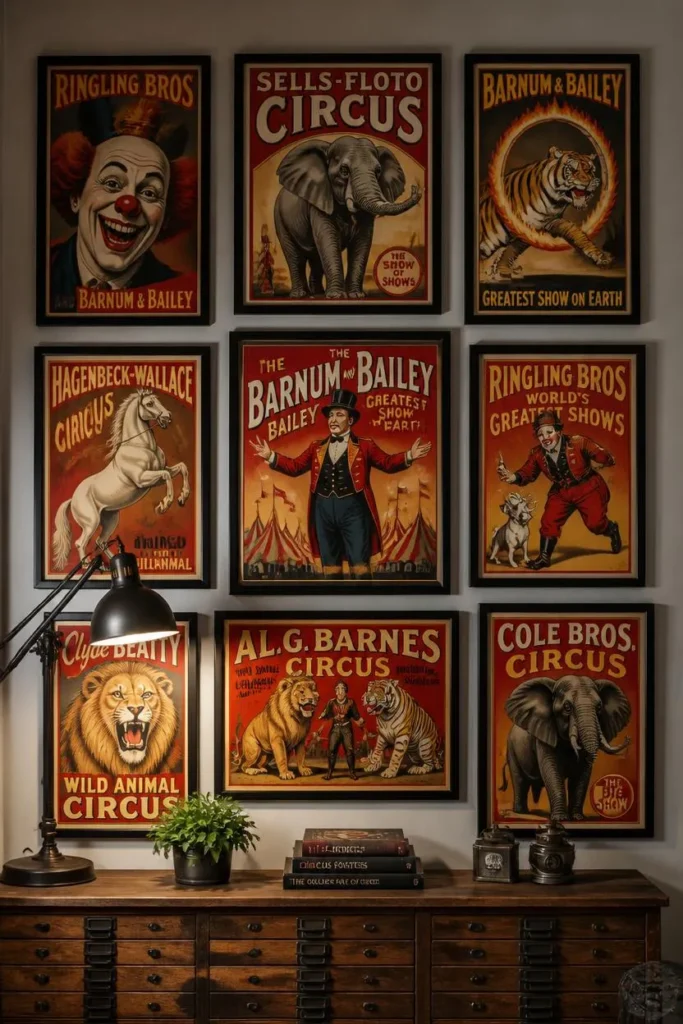
Framed vintage circus posters, carnival illustrations, or vintage-style graphic prints bring a genuine nostalgic layer to FunHaus styling, connecting the room’s bold colors and shapes back to the trend’s actual historical inspiration. Choose art with confident graphic quality and saturated color, keeping frames simple in black or a single bold accent color so the artwork itself remains the clear focus. Hang these pieces as a small, curated gallery grouping rather than scattering them individually throughout the house, since a concentrated cluster reads as more intentional and gives the vintage circus reference real presence. This detail works particularly well in a hallway, home office, or media room, spaces where a bit of nostalgic theatrical energy adds character without needing to redesign the entire room around it. Genuine vintage pieces, when available, add an authentic layer of history that reproduction prints can’t quite replicate, though well-designed reproductions still capture much of the same visual energy.
13. Choose an Unexpected Sculptural Chair
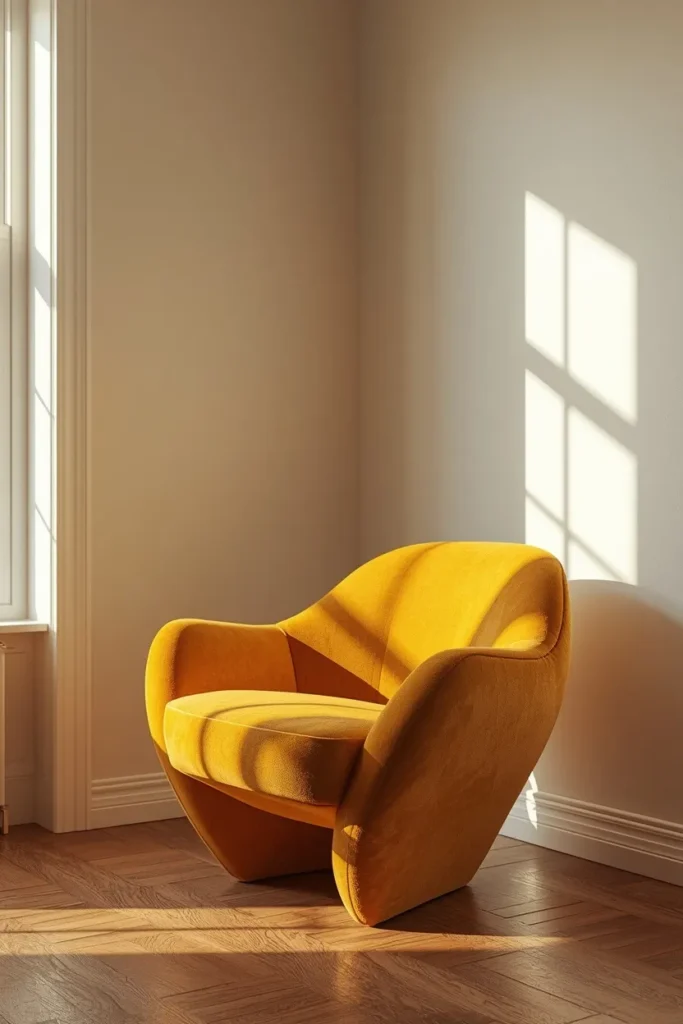
A single accent chair with a genuinely unusual silhouette, an asymmetric curve, an oversized rounded back, or an unconventional material pairing, delivers FunHaus’s sculptural, playful spirit through one striking furniture piece rather than a full room overhaul. Choose a chair in a bold solid color or an interesting texture, since the shape itself is already doing significant visual work and doesn’t necessarily need a printed fabric layered on top. Position the chair somewhere it has room to be appreciated as a standalone piece, like an empty corner or beside a window, rather than crowding it against other statement furniture. This is a particularly good entry point for renters or anyone hesitant to commit to paint or built-in changes, since a single chair delivers real personality and can move with you between homes. A genuinely unexpected chair shape consistently becomes the piece guests ask about first, making it one of the most efficient single investments in the entire FunHaus aesthetic.
14. Use Two-Tone Painted Furniture for Playful Contrast
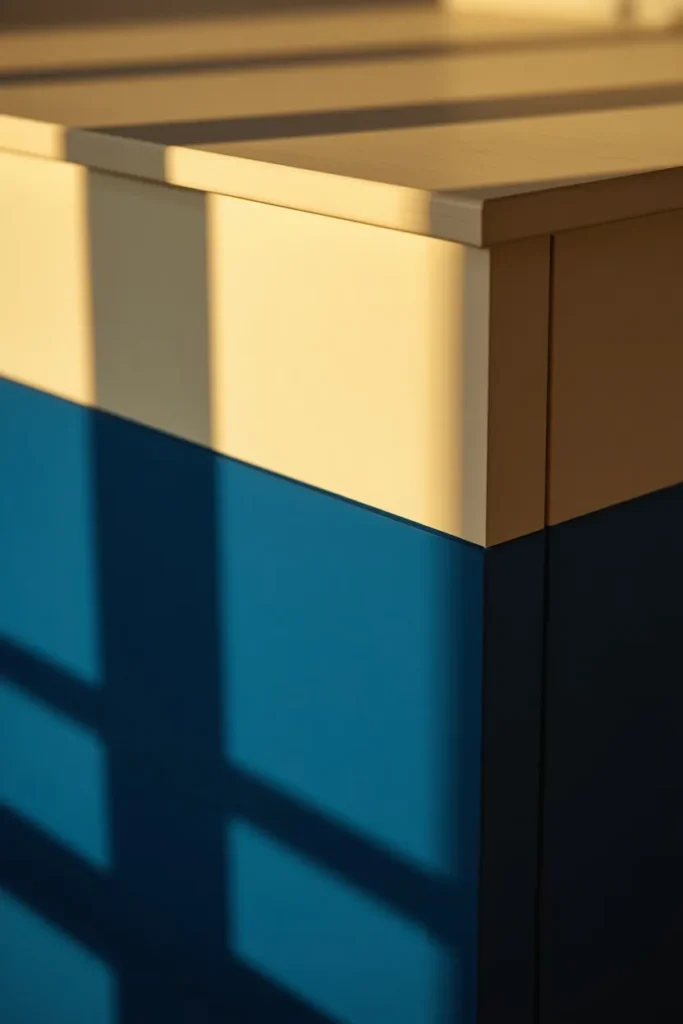
Painting an existing piece of furniture, like a dresser, side table, or bookshelf, in two contrasting colors rather than one uniform coat brings a color-blocked, playful detail into the room’s functional furniture rather than only its walls or decor. Choose a clean division, like painting the top half of a dresser in cream and the bottom half in a bold cobalt, or alternating drawer fronts in two coordinating colors for a more rhythmic, graphic effect. This technique works particularly well as a way to refresh secondhand or dated furniture, giving an older piece an entirely new, on-trend identity for the cost of paint alone. Keep the two chosen colors within a confident, saturated palette rather than muted tones, since the contrast and clarity of the color choice is what makes this detail read clearly as FunHaus rather than simply a two-tone paint job. This idea offers genuine creative flexibility, since the specific color combination and division pattern can be entirely customized to match the rest of the room’s palette.
15. Style a Playroom or Kids’ Space With Full FunHaus Energy
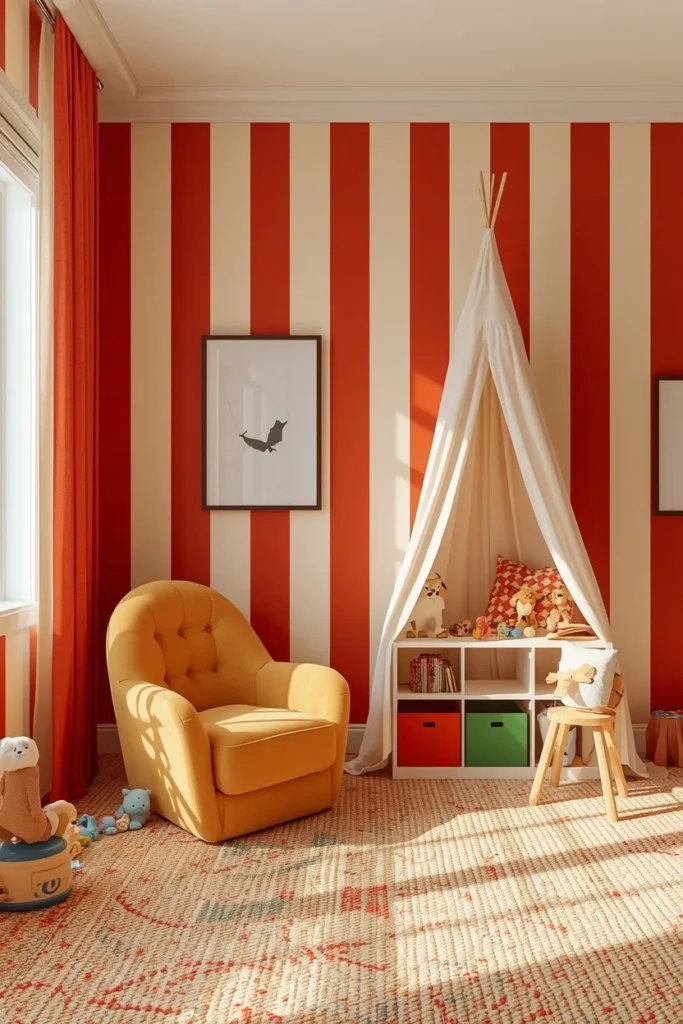
A children’s playroom or bedroom is one of the most natural, low-risk spaces in the entire house to embrace FunHaus at its fullest and boldest, since the room’s function already calls for a joyful, imaginative atmosphere rather than restrained sophistication. Combine several elements from this list at once here, bold stripes, a tent-like canopy, primary color accents, and sculptural or playful furniture, since a full room commitment reads as intentional rather than overwhelming in a space specifically designed for play and imagination. This room also offers useful practice for anyone considering bringing FunHaus into more visible, adult-oriented spaces later, since the lower stakes make it easier to experiment with bold color and pattern combinations. Choose durable, washable fabrics and finishes throughout, since a playroom sees significantly more wear than most other rooms in the house. A fully realized FunHaus playroom consistently becomes one of the most joyful, memorable spaces in the entire home, for children and visiting adults alike.
Styling Tips for Balanced FunHaus Design
Pair one loud element with something calm. A bold striped wall works best against simple furniture. A sculptural chair works best in an otherwise neutral corner. Balance is the entire philosophy behind this trend.
Choose confident, saturated colors over muted ones. FunHaus depends on clarity and boldness. Washed-out or overly muted versions of the same colors lose the dopamine-driven energy that defines the aesthetic.
Let shape do as much work as color. Sculptural furniture and lighting capture FunHaus even in a room that stays relatively neutral in palette, since the trend is as much about silhouette as it is about color.
Start small before going full room. A striped lampshade or a set of colored glassware tests the aesthetic with far less risk than a full room repaint or furniture overhaul.
Practical Implementation Ideas
Start with one focal element, a striped wall, a sculptural chair, or a bold light fixture, and build the rest of the room’s smaller decor choices around it rather than trying to introduce everything at once. Test paint and fabric colors in the actual room’s lighting before committing, since primary colors can shift noticeably in intensity between daylight and evening lamp light. Choose durable, washable materials for any high-traffic application of this trend, since bold color and pattern show wear differently than muted neutral tones. Photograph the room periodically as you add elements, comparing it against genuine FunHaus inspiration images to check that the balance between bold and calm elements still feels right as the room evolves.
Common Mistakes to Avoid
Adding too many bold elements without any neutral relief. FunHaus depends on contrast between loud and calm. A room with no neutral resting points quickly tips from playful into overwhelming.
Choosing muted or pastel colors and expecting the same effect. The trend’s energy comes specifically from confident, saturated color. Diluted versions lose much of what makes FunHaus recognizable.
Treating it as a purely literal circus theme. Editorial circus, not carnival costume. Avoid overly literal circus props or imagery that can tip the aesthetic into kitsch rather than sophisticated playfulness.
Ignoring durability in high-traffic applications. Bold color and pattern in a playroom or entryway need washable, hard-wearing materials to hold up under daily use.
Small-Space Alternatives
In a smaller room, choose one bold FunHaus element, a striped lampshade, a color-blocked archway, or a single sculptural accent chair, rather than attempting a full room transformation that could overwhelm limited square footage. Colored glassware and ceramics deliver genuine trend impact without requiring any additional floor space at all. A striped runner rug or a small gallery of vintage circus art both work well in narrow hallways or entryways where floor space for furniture is limited. Keep the surrounding wall color neutral in a small space, letting a single bold accent do the work rather than layering multiple loud elements into a tight footprint.
Budget-Friendly Alternatives
Paint remains the most affordable way to try FunHaus, whether through a striped accent wall or a color-blocked archway, both achievable with just a can or two of paint and some painter’s tape. Secondhand furniture painted in a bold two-tone treatment delivers real trend impact for a fraction of the cost of new sculptural furniture. Swapping in a few pieces of colored glassware or ceramics costs relatively little and can be done gradually as budget allows. Pom-pom or fringe trim added to existing plain throw pillows is one of the cheapest possible ways to bring the trend’s playful texture into a room you’ve already furnished.
Pro Styling Recommendations
Choose no more than two or three bold FunHaus elements per room to start, adding more gradually only once you’ve confirmed the balance feels right rather than overwhelming. Keep large furniture pieces, like sofas and beds, in either a bold solid color or a simple neutral, reserving printed pattern for smaller, easier-to-change accents like pillows and lampshades. When mixing multiple bold colors in one room, stick to primary or jewel-tone families rather than combining primary brights with muted pastels, since consistent saturation levels are what keep a maximalist room feeling curated rather than accidental. Finally, trust your own read on when a room feels balanced. FunHaus is meant to feel personal and joyful, and the right stopping point will look slightly different in every home.
FAQs
Conclusion
FunHaus isn’t really about the circus at all, not literally. It’s about giving yourself permission to build a home that actually feels like something, joyful, confident, a little theatrical, instead of quietly agreeable and forgettable. Start with one bold element, see how it feels to live with, and let the rest of the room follow whatever makes you genuinely happy to walk into.